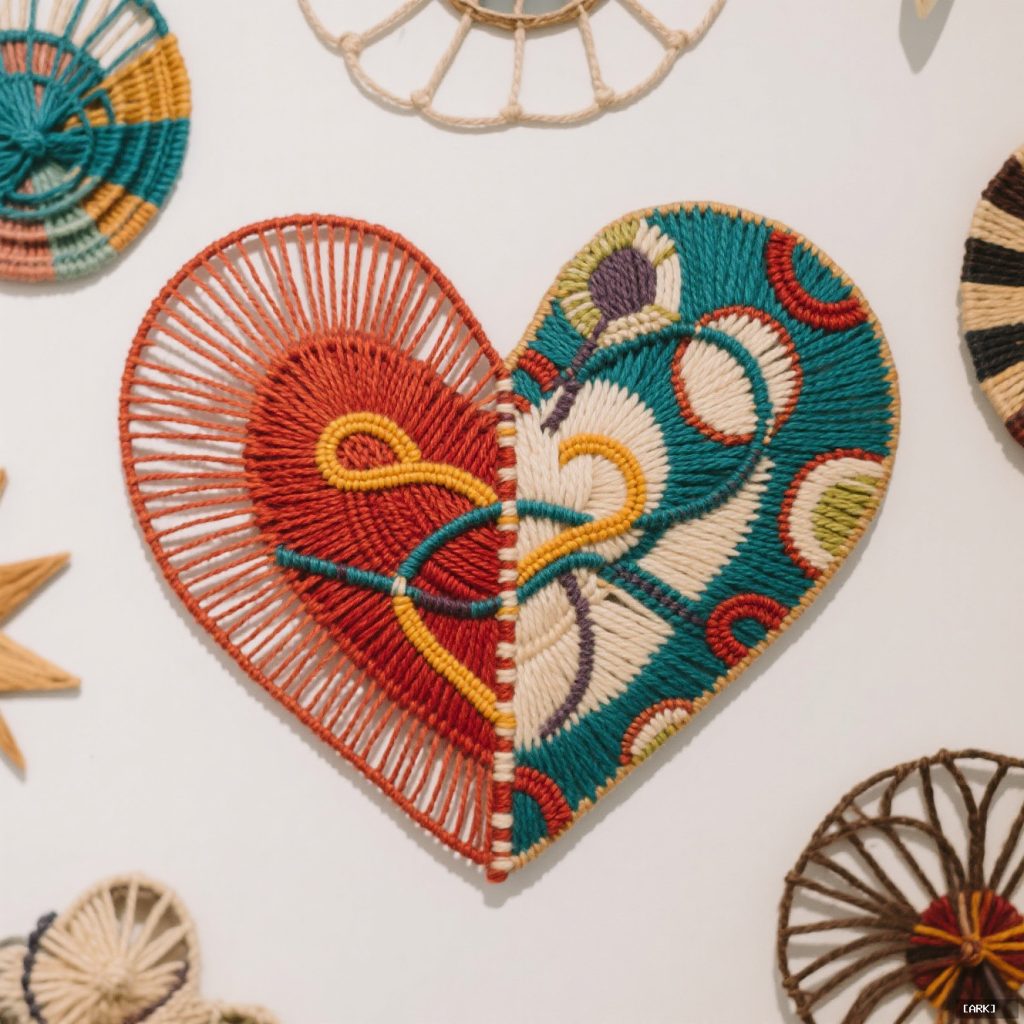
Crossover designs in crafts are a vibrant, living conversation between disciplines. They represent a fundamental shift in how we think about making, moving beyond simple material mixing to a deeper methodological fusion.
This approach isn’t new, but it feels particularly resonant now. In a world of digital saturation, the tangible, problem-solving nature of hybrid craft offers a unique satisfaction. It asks what happens when the grid of weaving meets the fluidity of watercolor, or when the patience of wood joinery is applied to folded paper. The results are objects that carry a palpable sense of discovery, both for the maker and the viewer.
The Heart of the Hybrid: Defining Crossover Craft
So, what exactly sets this apart from just gluing sequins on a pot? True crossover design is the intentional and thoughtful fusion of techniques or principles from distinct craft disciplines to create a coherent new whole. The goal isn’t decoration, but a genuine dialogue where each method alters the other’s inherent nature.
Think of a ceramic vessel with a section of shattered glaze repaired using the ancient Japanese art of kintsugi, where gold-dusted lacquer highlights the breaks. Here, pottery and urushi lacquerwork aren’t just adjacent; they’re in conversation about beauty, imperfection, and repair. Or consider a book whose covers are not leather but hand-beaten copper, using metalsmithing techniques to create a protective shell for pages. The function of protection is shared, but the materials and methods create a startling, beautiful synergy.
This is different from mixed media art, which often prioritizes expressive, layered composition. Crossover craft frequently retains a core concern with function, even if that function is poetic. It’s about the structural logic of one world visiting another.
Starting Points: From Idea to Integrated Object
The leap from thinking about crossover designs to starting your first hybrid craft project can feel daunting. The fear of creating a “mess” is real. The secret lies in beginning with a shared functional or conceptual thread, not just an aesthetic whim.
Instead of asking “What would look cool together?”, ask “What problem can these two techniques solve?” or “What story can they tell together?” A small lamp where the shade is made from delicate paper cut with precision-knife techniques, but supported by a minimalist frame of bent willow, speaks to the relationship between fragility and strength. The techniques serve the idea.
Let one discipline lead and the other respond. If you’re a skilled knitter playing with concrete, don’t just cast a knitted shape in concrete. Ask: can I use a knitted sleeve as a flexible formwork for concrete, creating a textured, organic surface impossible to achieve with a rigid mold? The process becomes the project.
The Constraint of Space: Where Hybrid Crafts Shine
For many modern makers, the studio is a kitchen table, a corner of a living room, or a tiny apartment balcony. This physical limitation isn’t a barrier to crossover crafts; it’s often their catalyst. Small-space living demands that objects be multifunctional, deeply meaningful, or both. Hybrid crafts excel here.
A single, well-executed piece can solve multiple needs. A wall hanging that combines woven textile with incorporated shelving made of fitted wood or ceramic tiles merges art with storage. A planter that is part thrown pottery, part knotted macramé hanger solves display, function, and space-saving in one elegant object. The constraint forces a beautiful cleverness, pushing you to consider modular pieces that connect or stack, or to work in phases that suit your limited setup.
Your environment becomes an active participant. The wall behind a collection of mixed-media pieces isn’t just a backdrop; its color and texture become part of the composition. A windowsill displaying a ceramic-and-metal sculpture interacts with the changing light throughout the day, adding a temporal element to the physical crossover.
Forging Non-Obvious Connections
Moving beyond classic pairings like fiber and clay opens up thrilling territory. The most innovative crossover designs often come from applying the underlying principle of one craft to the material of another.
Consider the structural logic of basketry—the over-under, the continuous strand creating strength from flexibility. Now apply that logic not to reed or willow, but to strips of leather, or even to rolled sheets of handmade paper. You’re borrowing the “why” behind the method.
Apply the layering and glazing techniques of oil painting to a substrate of resin and embedded natural materials. Each layer seals and deepens the one below, creating luminous depth. Use the joinery principles of fine woodworking—mortise and tenon, dovetails—to assemble pieces of thick wool felt or laminated paper. The result is soft geometry, precise connections in a pliable medium. This conceptual borrowing is where true innovation lives.
Curating Cohesion: Displaying a Mixed-Media Collection
When your work inherently celebrates diversity of material, how do you display a collection without it looking chaotic? The key is to unify through elements other than the medium itself.
Palette is a powerful unifier. A shelf grouping of wildly different objects—a vessel of raku-fired clay and rusted iron, a sculpture of woven wire and dyed silk—feels intentional if they all live within a restrained color story: ash grays, ochres, and off-whites, for example. The color creates a visual through-line.
Scale and form offer another path. A series of pieces that all explore the cube or the sphere, rendered in ceramic, fused glass, and stitched textile, creates a fascinating study in contrast. The repeating form becomes the anchor.
Theme or narrative ties it all together. Perhaps all your pieces explore “containers,” or “maps,” or “erosion.” This conceptual framework allows material diversity to become a strength, each medium offering a different perspective on the central idea. In a limited space, this thoughtful curation turns a collection into a conversation.
Your First Fusion: A Practical Pathway
Ready to begin? This checklist is less a rigid rulebook and more a set of guiding questions to steer your first foray into crossover designs.
- Choose two familiar crafts. Start with two disciplines you have some foundational skill in. Understanding each one individually is crucial before you can effectively break their rules.
- Impose a clear constraint. This is your creative engine. Limit the size (must fit on a 6″x6″ panel), the function (must hold water), or the palette (only blues and raw material). Constraints focus innovation.
- Sketch the intersection, not the adjacency. Don’t just draw a ceramic bowl next to a knitted cozy. Sketch how the knit pattern could be impressed into the clay while wet, or how a ceramic button could function as a closure for a knitted piece. Focus on the moment of fusion.
- Conduct a material compatibility test. Gather all potential materials before the final build. Will that adhesive bond glass to wood under tension? Does the dye in the fabric bleed when sealed with that varnish? A small test saves a heartbreak.
- Embrace the awkward phase. Almost every hybrid project hits a point where the combination feels forced, wrong, or ugly. This is not failure; it’s a necessary part of the dialogue. Sit with it. Often, the solution emerges from this discomfort.
Navigating Common Questions & Concerns
As you explore, certain questions will naturally arise. Let’s address a few head-on.
Is this just upcycling or assemblage?
Not necessarily. While crossover designs can certainly use found or repurposed materials, their core focus is methodological fusion. Upcycling emphasizes material transformation (turning a bottle into a vase). Assemblage brings pre-formed objects together. Crossover craft is about integrating processes—the how of making—whether you’re using brand-new artist-grade materials or reclaimed wood.
Do I need a studio full of expensive tools?
Absolutely not. Some of the most compelling crossovers happen with simple hand tools, basic adhesives, and ingenuity. The innovation is in the idea and the hand, not the equipment. A needle, thread, paper, and glue can yield explorations of textile and book arts that are endlessly complex. Start with what you have and let the need for a new tool emerge from the project itself.
How do I engage with techniques respectfully?
This is a critical and ethical consideration. When borrowing techniques with deep cultural roots—like specific indigenous weaving patterns, sacred symbolism, or closed community practices—research is non-negotiable. Understand the history and context. Learn from primary sources or culturally affiliated teachers when possible. Avoid appropriating sacred or ceremonial elements for purely decorative purposes. Aim for respectful engagement that honors the tradition’s origins, rather than extraction. The goal is a dialogue, not a theft.
Sources & Pathways for Further Exploration
The world of interdisciplinary craft is rich with history and contemporary practice. These resources offer deeper dives and inspiration.
- Crafts Council UK: What is Interdisciplinary Craft? – A foundational look at the philosophy behind the practice.
- TextileArtist.org: Mixed Media Textile Art – Features numerous artist profiles showing fiber in conversation with other materials.
- The Metropolitan Museum of Art: Geometric Abstraction – Explore how abstract principles cross between painting, sculpture, and craft.
- Rijksstudio: Rijksmuseum Collection – Search for historical objects like “cabinet” or “casket” to see exquisite examples of woodworking, metalwork, and inlay working together for centuries.
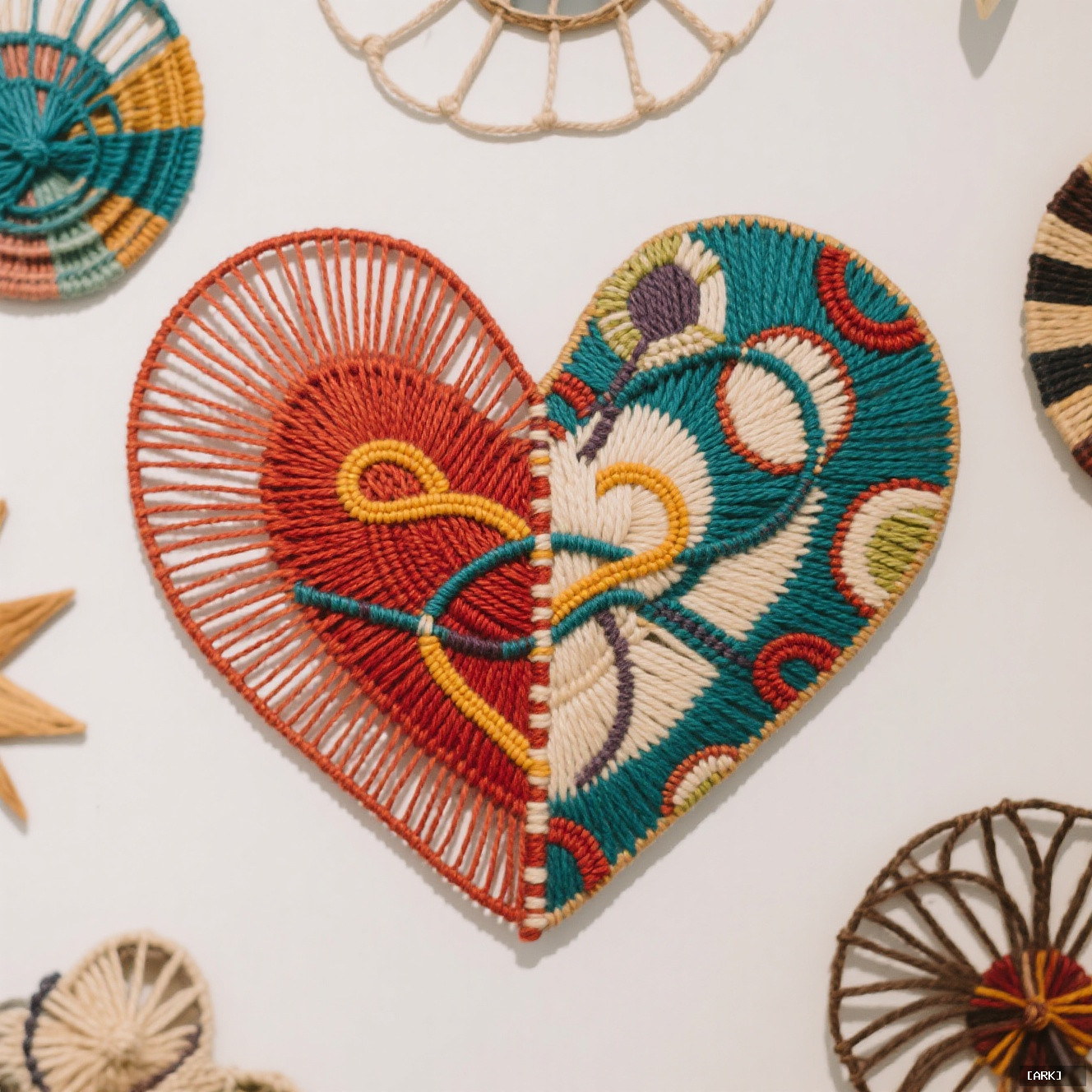
Crossover designs remind us that creativity thrives at the borders. In the space where stitch meets clay, where wood talks to glass, we find not just new objects, but new ways of thinking. It’s a practice that celebrates both skill and curiosity, proving that the most interesting answers often lie between the questions we’ve always asked separately.
About Our Expertise
Drawing from deep expertise in Chinese traditional arts, this guide explores crossover crafts through techniques like kintsugiu2014a Japanese method with historical ties to Chinese lacquerworku2014and principles from Chinese weaving and ceramics. Our content is crafted by specialists who study and practice these arts, ensuring authentic insights into how ancient methods can inspire modern hybrid designs that honor cultural heritage while fostering innovation.
We prioritize trust by referencing respected sources such as the Crafts Council UK and The Metropolitan Museum of Art, and we emphasize ethical engagement with culturally rooted techniques. This approach helps readers create meaningful, respectful crossover crafts that blend skills from diverse traditions, supported by practical advice tested in real-world making environments.
✨ You Might Also Enjoy

You may also like
Herbal Bead Bracelet: Ancient Chinese Aromatherapy for Modern Wellness | HandMyth™
Original price was: ¥2,199.00.¥1,352.00Current price is: ¥1,352.00. Add to cartPremium Herbal Beads Bracelet: Traditional Medicine Meets Modern Jewelry | Shop HandMyth
Original price was: ¥874.00.¥608.00Current price is: ¥608.00. Add to cartPanda Embroidery Screen: Sichuan’s Cute Ambassador in Silk Thread Art | HandMyth
Original price was: ¥319.00.¥230.00Current price is: ¥230.00. Add to cartPanda Gift Set: Curated Chinese Treasures for Panda Lovers | HandMyth™ (Free Gift Wrap)
Original price was: ¥136.00.¥118.00Current price is: ¥118.00. Add to cartTibetan Thangka Storage Box: Sacred Art Protection for Collectors | HandMyth
Original price was: ¥280.00.¥219.00Current price is: ¥219.00. Add to cartPure Silk Handbag: Hangzhou’s Legendary Silk Weaving for Modern Elegance | HandMyth™
Original price was: ¥874.00.¥786.00Current price is: ¥786.00. Add to cartHand-Painted Silk Scarf: Wearable Art from China’s Silk Road | HandMyth (Artist Signed)
Original price was: ¥1,017.00.¥935.00Current price is: ¥935.00. Add to cartModern Qipao Dress: Timeless Chinese Elegance for Today’s Woman | HandMyth (Custom Fit)
Original price was: ¥2,459.00.¥2,240.00Current price is: ¥2,240.00. Add to cartEmbroidered Chinese Handbag: Suzhou Silk Embroidery Meets Modern Fashion | HandMyth™
Original price was: ¥680.00.¥646.00Current price is: ¥646.00. Add to cart