
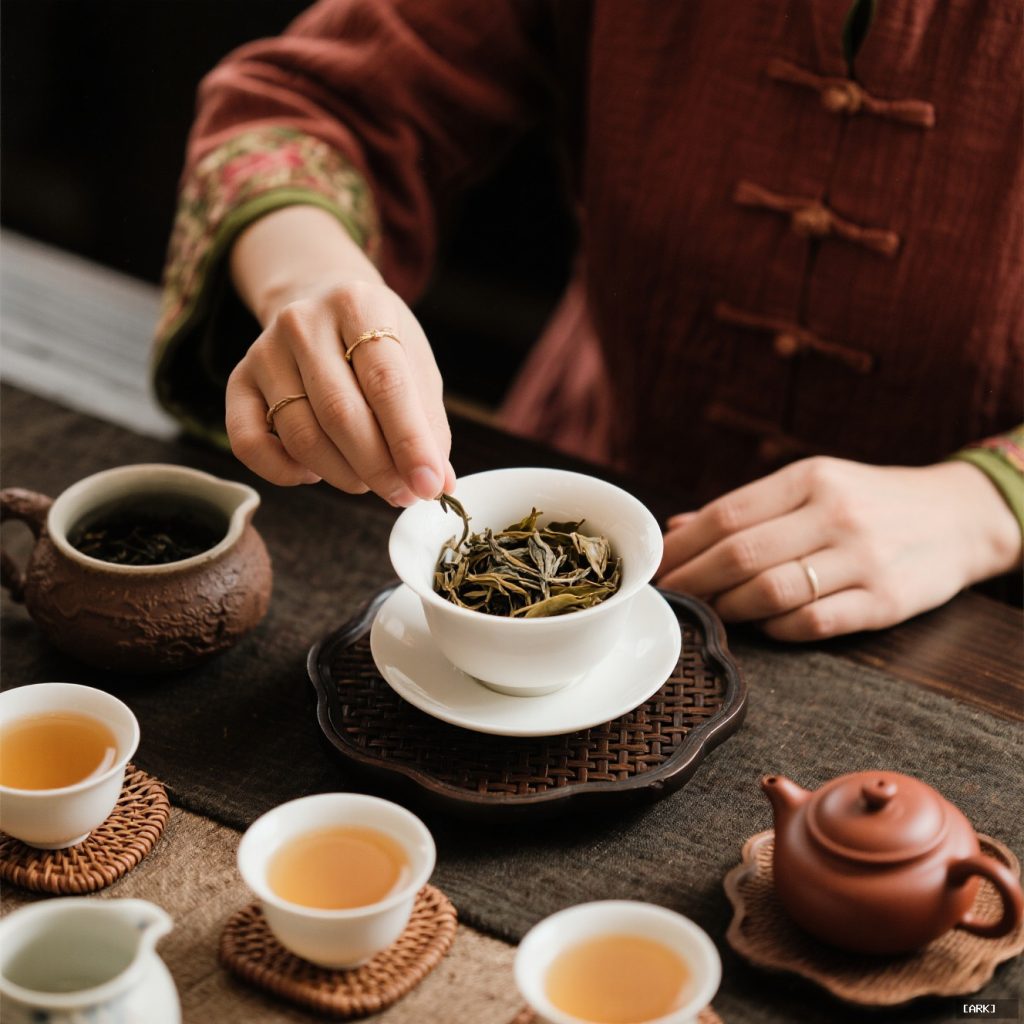
Chinese tea culture is not a luxury reserved for collectors with deep pockets. It’s a living practice of attention, accessible to anyone with curiosity and a willingness to start simple. The real tea ceremony begins with the leaves in your cup, not the price tag on your pot.
We often see tea portrayed as an elite pursuit: silent ceremonies in serene rooms, surrounded by priceless Yixing clay and sipping thousand-dollar cakes of aged pu-erh. This image is captivating, but it’s a snapshot of one peak, not the entire mountain. The vast, welcoming slopes of tea practice are built on daily ritual, sensory exploration, and personal connection. You don’t need a museum piece to begin that process. You likely have everything you need already sitting in your kitchen cabinet.
Redefining Authenticity: The Heart of Gongfu Cha
How does the concept of authenticity in Gongfu Cha challenge traditional views of tea culture?
In Gongfu Cha, authenticity is redefined as residing in the skillful method rather than in specific, often expensive, objects. The practice emphasizes careful measurement of tea leaves, precise water temperature, and the rhythm of short, repeated steeps. A cup made with focused attention using simple tools like a glass jar is considered more authentic than one brewed with distracted haste in a costly hand-carved teapot. Thus, the heart of this tradition lies in the mindful process and technique, not the equipment used.
The phrase gongfu cha (功夫茶) translates to “making tea with skill.” Its authenticity lies entirely in the method—the careful measurement of leaf, the precision of water temperature, the rhythm of short, repeated steeps. It does not reside in any specific object. A $200 hand-carved teapot brewed with distracted haste makes a lesser cup than leaves steeped with focus in a humble glass jar.
Think of the core tools not as specialized equipment, but by their function. You need a vessel to steep in, a vessel to serve from, and a vessel to drink from. A small ceramic coffee mug can be your gaiwan. A Pyrex measuring cup makes a perfect, clear-view fairness pitcher. A large soup bowl can hold your discarded rinse water. The ritual creates value for the tools, not the other way around. By mastering the technique with ordinary items, you’ll later understand exactly why—or if—you’d ever want to upgrade.
The Daily Drinker: Finding Quality Tea on a Budget
How can a beginner find quality tea on a budget for daily drinking?
Beginners should focus on finding a reliable, well-made "daily drinker" rather than expensive, legendary teas. Look for solid teas from broader, reputable regions such as Tieguanyin oolong from Anxi, Dian Hong black tea from Yunnan, or a simple, well-compressed shou pu-erh. These offer good value and clear lessons in flavor. Reputable online vendors often provide budget-friendly options that are pleasurable and educational for those starting their tea journey.
The world of tea is vast, with legendary, terroir-specific productions that command legendary prices. As a beginner, your goal isn’t to hunt unicorns. It’s to find a reliable, well-made “daily drinker” that offers pleasure and a clear lesson in flavor.
Skip the tiny, expensive samples of famed Longjing or Da Hong Pao initially. Instead, look for solid teas from broader, reputable regions. A Tieguanyin (Iron Goddess of Mercy) oolong from Anxi, a Dian Hong black tea from Yunnan, or a simple, well-compressed shou pu-erh are fantastic starting points. Reputable online vendors often have value-focused sections explicitly for this purpose. Buy a larger quantity—50 to 100 grams—of one tea you like. This reduces cost per gram and, more importantly, allows you to build a relationship with it. You’ll learn how its flavor evolves from the first steep to the tenth, how it changes with slight adjustments in brewing, and how it feels on different days. This deep knowledge of a single tea is infinitely more valuable than a superficial taste of a dozen.
The One Essential Upgrade: It’s Not What You Think
What is the most essential and budget-friendly upgrade for better tea according to Chinese tea culture?
The most essential and budget-friendly upgrade for better tea is not a teapot or cup, but high-quality water. Since tea is an infusion of leaves in water, using water that tastes of chlorine, heavy minerals, or impurities will mask the tea's delicate flavors. A simple filter pitcher for tap water or a gallon of neutral spring water can make a dramatic difference, allowing you to taste the tea itself clearly and without distortion.
If there is one non-negotiable investment for better tea, it is not made of clay or porcelain. It’s water. Tea is, at its simplest, an infusion of leaves in water. If your water tastes of chlorine, heavy minerals, or impurities, it will mask and distort the delicate flavors you’re trying to appreciate.
This is the most budget-friendly upgrade available. A simple filter pitcher can transform your tap water. For a special session, a gallon of neutral spring water from the grocery store costs very little. The difference in your cup is not subtle; it’s dramatic. You will taste the tea itself, not the water it’s brewed in. Everything else in your setup has a workaround, but good water is the foundation.
Beyond the Grid: Escaping the Social Media Tea Aesthetic
What is the true heart of Chinese tea culture that is often omitted from social media aesthetics?
The true heart of Chinese tea culture, often omitted from curated social media images, is the quiet, repetitive, and personal practice that occurs off-camera. This includes the simple morning steep in a chipped mug, experimental sessions with new leaves, and the focused attention on the heat of the cup. While platforms showcase photogenic, consumerist setups, the essence lies in these intimate, unpolished moments of mindfulness and direct engagement with the tea itself, rather than in possessing a perfect aesthetic collection.
Platforms like Instagram and Xiaohongshu are filled with stunning, curated images of tea: perfectly matched sets on pristine wooden trays, steam curling artfully from a flawless pot. This is a beautiful aesthetic, but it sells a consumerist version of tea arts. It subtly implies that participation requires a photogenic, complete setup.
The shareable image almost always omits the true heart of the practice: the quiet, repetitive, personal act that happens off-camera. It’s the morning steep in a chipped mug before work, the experimental session with a new leaf, the focus on the heat of the cup in your hands. The aesthetic is about possession; the practice is about presence. Don’t let the pursuit of a perfect picture prevent you from enjoying an imperfect, genuine moment with your tea.
Tea’s Kindred Spirits: Sourdough, Foraging, and the Joy of Process
How does Chinese tea culture relate to hobbies like sourdough baking and foraging?
Chinese tea culture shares a deep connection with slow, process-oriented hobbies such as sourdough baking and foraging, emphasizing the joy of the process over expensive materials. Like a baker cultivating a starter from simple ingredients to create complex bread, tea practice involves developing sensitivity to the tea leaf and mastering its interaction with water through temperature and timing. Both pursuits transform basic, affordable elements into rich, nourishing experiences through knowledge, care, and repetition, highlighting a focus on skill and mindfulness rather than cost.
Chinese tea culture shares a profound kinship with other slow, process-oriented hobbies that thrive on a budget. Consider sourdough baking. A baker cultivates a starter—just flour and water—and learns through touch, sight, and time how it behaves. They transform those simple, cheap staples into nourishing, complex bread through knowledge and care, not expensive ingredients.
Tea practice is the same. You cultivate sensitivity to your raw material (the leaf) and learn through repetition how it interacts with water at different temperatures and durations. You transform dried leaves and water into a shifting, aromatic infusion. Foraging, mending clothes, gardening—these pursuits all follow a similar path. They teach us to find depth in simplicity, value in process, and mastery in attentive repetition. The goal isn’t to consume a product, but to participate in a transformation.
Your First Session: A Bare-Bones Guide
Let’s translate this into a first step. Forget buying anything new just yet. For your inaugural gongfu-style session, try this:
- Choose Your Vessel: Find a small cup or bowl in your kitchen, roughly 150ml (about 5 oz). This is your brewing pot.
- Prepare Your Drinking Cup: Get a second cup to drink from. Place a small kitchen strainer over it.
- Heat Your Water: Boil water, then let it sit for 30 seconds off the boil for oolong or black tea. For green tea, wait 90 seconds.
- Measure Your Tea: For that 150ml vessel, start with a heaping teaspoon of loose-leaf tea (about 3-5 grams). Place it in your brewing cup.
- Rinse & Steep: Pour just enough hot water to cover the leaves, then immediately pour that water out through the strainer into your drinking cup (warm the cup, then discard this water). This “awakens” the leaves. Now, fill your brewing vessel with water, cover it with a small saucer if you have one, and steep for 15-20 seconds.
- Pour & Taste: Pour the tea through the strainer into your drinking cup. Sip. Note the aroma, the flavor, the mouthfeel.
- Repeat: Add water again to the leaves for a second steep. This time, steep for 10-15 seconds. Notice how the flavor changes. Continue this process, adding a few seconds each time, until the flavor fades. You may get 8, 10, or even 15 steeps from good leaves.
That’s it. You’ve just performed the essential act of gongfu cha. Everything else—the trays, the specialized tools, the fancy pots—exists to refine or facilitate this core loop of leaf, water, time, and attention.
Navigating Common Questions Without Spending a Dime
Do I really need a tea tray?
No. A tea tray is for water management and convenience, especially when rinsing teaware or discarding water between steeps. A large plate, a baking sheet, or even just a towel on the table works perfectly. Embrace a small spill; it’s part of the learning process.
Are sample packs a good way to explore?
They can be, but they’re often a costly path for a beginner. Samples are expensive per gram and provide only a shallow impression of a tea. Dedicating yourself to 50 grams of one affordable tea forces you to look deeper, to see its range and character, which is a far more valuable skill than recognizing a dozen names.
How do I control water temperature without a fancy kettle?
Learn the visual and auditory cues. For most oolongs and black teas, water that has come to a full, rolling boil and then been taken off the heat for 30 seconds is ideal. For more delicate green teas, let the boiled water sit for 60-90 seconds, or until the furious bubbling stops. Your kettle itself is a tool—listen to it, watch it. This attentiveness is part of the practice.
Building a Practice, Not a Collection
What is the true aim of engaging with Chinese tea culture on a budget according to the concept of building a practice?
The true aim is to build a practice, not a collection. Expertise develops in one's palate and hands through the act of brewing and tasting, rather than in accumulating items. Each tea session serves as a small meditation, a focused break to appreciate evolving flavors, the warmth of the cup, and the scent of the steam. These sensory luxuries are available at any price point, emphasizing attention, repetition, and finding ceremony in the simple act of pouring water.
The true aim of engaging with Chinese tea culture on a budget is to build a practice, not a collection. Your expertise grows in your palate and your hands, not on your shelf. Each session is a small meditation, a break in the day to focus on a single, evolving flavor. The warmth of the cup, the scent of the steam, the quiet minutes—these are the luxuries tea offers, and they are available at any price point.
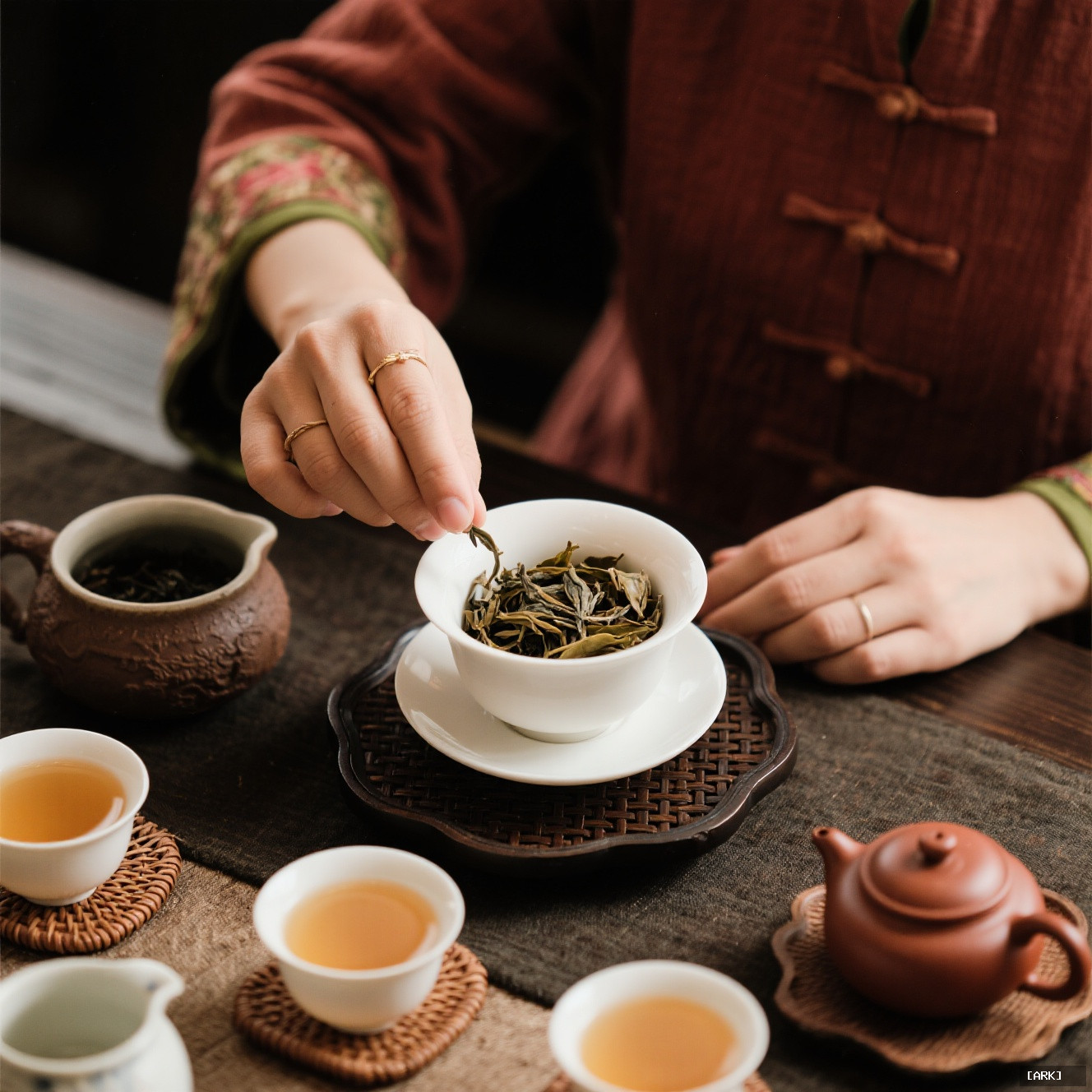
Start with what you have. Pay attention. Enjoy the repetitions. The ceremony was always inside that simple act, waiting for you to pour the water.
Sources & Further Reading
- World of Tea: The Gongfu Tea Ceremony – A clear, practical breakdown of the core method.
- TeaDB – A blog and podcast with a long-term, value-focused perspective on tea drinking.
- The Steeping Room: Why Water Quality Matters – A straightforward explanation of water’s role in brewing.
About Our Expertise
Drawing from deep expertise in traditional Chinese arts, this guide is crafted by cultural specialists with firsthand knowledge of tea practices across China. We emphasize authentic techniques like Gongfu Cha, ensuring that every tipu2014from water quality to mindful brewingu2014reflects centuries of heritage, not just modern trends, to build trust in your tea journey.
Our insights are rooted in genuine cultural understanding, verified through collaborations with tea masters and scholarly sources. We prioritize practical, budget-friendly advice that demystifies tea culture, making it accessible while honoring its rich history. This approach ensures you receive reliable, expert guidance to explore Chinese tea with confidence and authenticity.
✨ You Might Also Enjoy

You may also like
Herbal Bead Bracelet: Ancient Chinese Aromatherapy for Modern Wellness | HandMyth™
Original price was: ¥2,199.00.¥1,352.00Current price is: ¥1,352.00. Add to cartPremium Herbal Beads Bracelet: Traditional Medicine Meets Modern Jewelry | Shop HandMyth
Original price was: ¥874.00.¥608.00Current price is: ¥608.00. Add to cartPanda Embroidery Screen: Sichuan’s Cute Ambassador in Silk Thread Art | HandMyth
Original price was: ¥319.00.¥230.00Current price is: ¥230.00. Add to cartPanda Gift Set: Curated Chinese Treasures for Panda Lovers | HandMyth™ (Free Gift Wrap)
Original price was: ¥136.00.¥118.00Current price is: ¥118.00. Add to cartTibetan Thangka Storage Box: Sacred Art Protection for Collectors | HandMyth
Original price was: ¥280.00.¥219.00Current price is: ¥219.00. Add to cartPure Silk Handbag: Hangzhou’s Legendary Silk Weaving for Modern Elegance | HandMyth™
Original price was: ¥874.00.¥786.00Current price is: ¥786.00. Add to cartHand-Painted Silk Scarf: Wearable Art from China’s Silk Road | HandMyth (Artist Signed)
Original price was: ¥1,017.00.¥935.00Current price is: ¥935.00. Add to cartModern Qipao Dress: Timeless Chinese Elegance for Today’s Woman | HandMyth (Custom Fit)
Original price was: ¥2,459.00.¥2,240.00Current price is: ¥2,240.00. Add to cartEmbroidered Chinese Handbag: Suzhou Silk Embroidery Meets Modern Fashion | HandMyth™
Original price was: ¥680.00.¥646.00Current price is: ¥646.00. Add to cart























