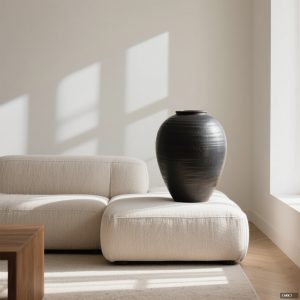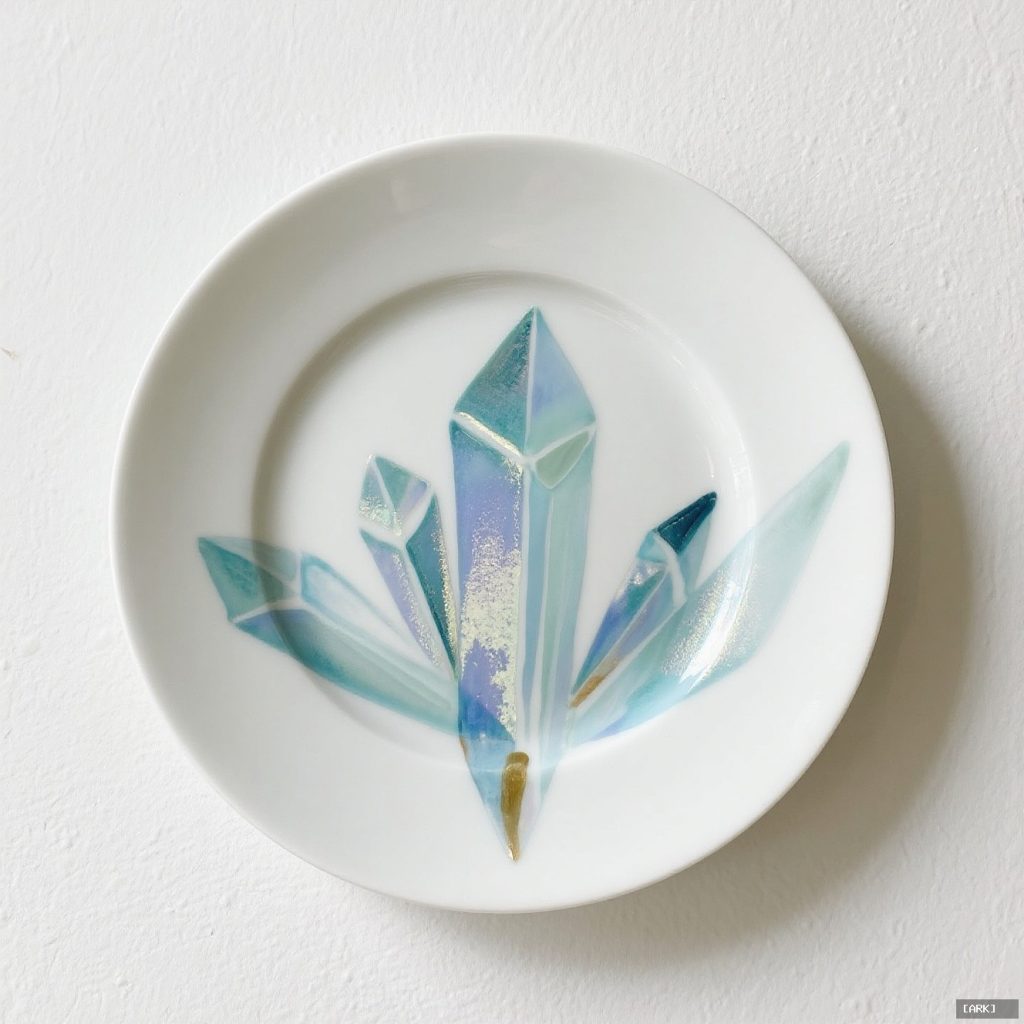
Decorative porcelain plates are having a moment, but it looks nothing like your grandmother’s collection. The market is shifting, driven less by traditional collecting and more by a desire for curated, personal art. This is a move toward singular, expressive pieces that function as wall-mounted sculpture.
Forget crowded hutches and rows of commemorative series. Today’s approach is intentional, artistic, and deeply personal. It’s about finding that one perfect plate whose glaze catches the light just so, or whose form tells a story you want to live with every day. This isn’t accumulation; it’s curation.
The New Allure of Porcelain Art Plates
So, what’s fueling this quiet revival? Look around a world saturated with digital screens and disposable goods. There’s a growing hunger for the tangible, for objects with weight, history, and evidence of the human hand. A decorative china plate satisfies that craving in a uniquely accessible way.
It is a contained universe of artistry. Unlike a sprawling canvas, a plate offers a defined, often circular frame for artistic expression. It’s a manageable commitment. You can appreciate the mastery of a crystalline glaze, the precision of hand-painted botanicals, or the bold stroke of an abstract design in a single, cohesive glance. It delivers the presence of fine art without the intimidation or spatial demand of a large painting, perfectly aligning with the modern preference for the ‘one perfect thing.’
This shift is also a reaction to the sheer volume of stuff. In an age of overproduction, choosing a single, exquisite object feels like a radical act of discernment. A plate from a studio potter isn’t just decor; it’s a direct connection to an artist, a technique, and a moment of creation. You’re not buying a product line; you’re acquiring a fragment of someone’s creative process.
From Shelf to Wall: Display as a Design Statement
The classic plate rail or glass-fronted cabinet is, for many, a relic. Small-space living has fundamentally changed the game, demanding that every object justify its footprint. This constraint has sparked incredible creativity. The wall has become the new gallery.
Displaying collectible plateware vertically transforms it from tableware into architectural detail. A plate is no longer something that resides in a room; it works for the room. This gallery-style approach invites you to think like a curator. A large, stunning plate can anchor a wall all on its own, becoming a focal point with more texture and dimension than a mirror. Groupings tell a visual story—a cluster of plates with a shared color theme but varied patterns, a vertical line of progressively smaller sizes, or a salon-style mix with other art forms.
The key is intention. The haphazard collection is out. The considered arrangement is in. This method liberates precious shelf and surface space while turning your walls into a dynamic canvas. It asks the plate to be more than it was designed to be, and the plate, with its inherent sculptural quality, answers beautifully.
The Modern Measure of Collectibility
What makes a decorative porcelain plate collectible today? The answer has moved decisively from the front to the back of the plate. The value is no longer primarily in a stamped edition number from a faceless manufacturer. It’s in the maker’s mark—the unique signature, chop, or stamp of an individual artist or renowned studio.
Contemporary collectors are seeking narrative. They want plates from specific ceramic artists known for their innovative glazes, from studio potters carrying on regional traditions, or from historic makers with a documented legacy. The backstory holds the weight. Was it thrown on a wheel or cast from a mold? Is it a tenmoku glaze fired in a reduction kiln or a majolica technique passed down through generations? This connoisseurship of the craft itself has replaced the chase for completing a series.
This doesn’t mean all vintage or manufactured series are without merit. Far from it. A mid-century modern plate from a noted designer or a piece from a defunct, quality manufacturer like Franciscan or Spode carries its own historical and aesthetic significance. The difference is in the lens. We now evaluate them first as art objects, second as collectibles.
The Investment Question: Rethinking Value
Let’s address the elephant in the room. Are decorative plates still a good investment? The traditional, speculative mindset—buying limited editions with hopes of rapid appreciation—is largely a footnote of the past. The market for that model has cooled significantly.
The modern perspective is far richer. View your purchase of a porcelain art plate as you would any original art purchase. The primary value is in the daily enjoyment it brings, the beauty it adds to your space, and the support it provides to a working artist. The financial aspect is secondary and long-term.
That said, plates by renowned contemporary ceramic artists or from important historic periods can and do appreciate in value. A piece by a sought-after artist like Toshiko Takaezu, Betty Woodman, or a rising star in the ceramics world is a blue-chip art purchase in a circular form. The value is derived from the artist’s reputation, the quality of the work, and its place in their oeuvre—not a certificate of limitation. This approach prioritizes passion over profit, which ironically, often leads to more meaningful and ultimately valuable collections.
The Poetry of Placement: Plates as Light Catchers
Here’s a non-obvious tip that can transform how you see these objects. Think of your decorative china plates not just as art, but as ‘light catchers.’ This is their secret superpower. A glossy, glazed porcelain surface interacts with light in a way a flat canvas or matte print simply cannot.
A celadon glaze will glow softly in the indirect afternoon light. A plate with a vibrant, runny blue glaze might cast subtle azure reflections on the wall at a certain hour. Positioning a plate to catch the arc of the morning sun or the warm pool of light from a floor lamp introduces a dynamic, ever-changing element to your decor. The plate becomes alive, its appearance shifting with the time of day and the seasons. When planning your wall arrangement, spend a day observing how light travels across the space. Hang a plate where it can perform.
Building a Collection That Feels Like You
Starting a collection today is an exercise in restraint and personal expression. The goal is to avoid the cluttered look of bygone eras. How? The best advice is deceptively simple: start with one.
Find a single plate that truly speaks to you. Not one that fits a theme, or that you think might be valuable, but one you genuinely love to look at. Give it pride of place. Live with it. Learn its moods in the light. Your second purchase should only happen when you find a piece that feels like it’s in conversation with the first. Maybe it’s a contrast in texture—a rough, unglazed rim next to a glassy smooth center. Perhaps it’s a dialogue of color or a shared artistic sensibility.
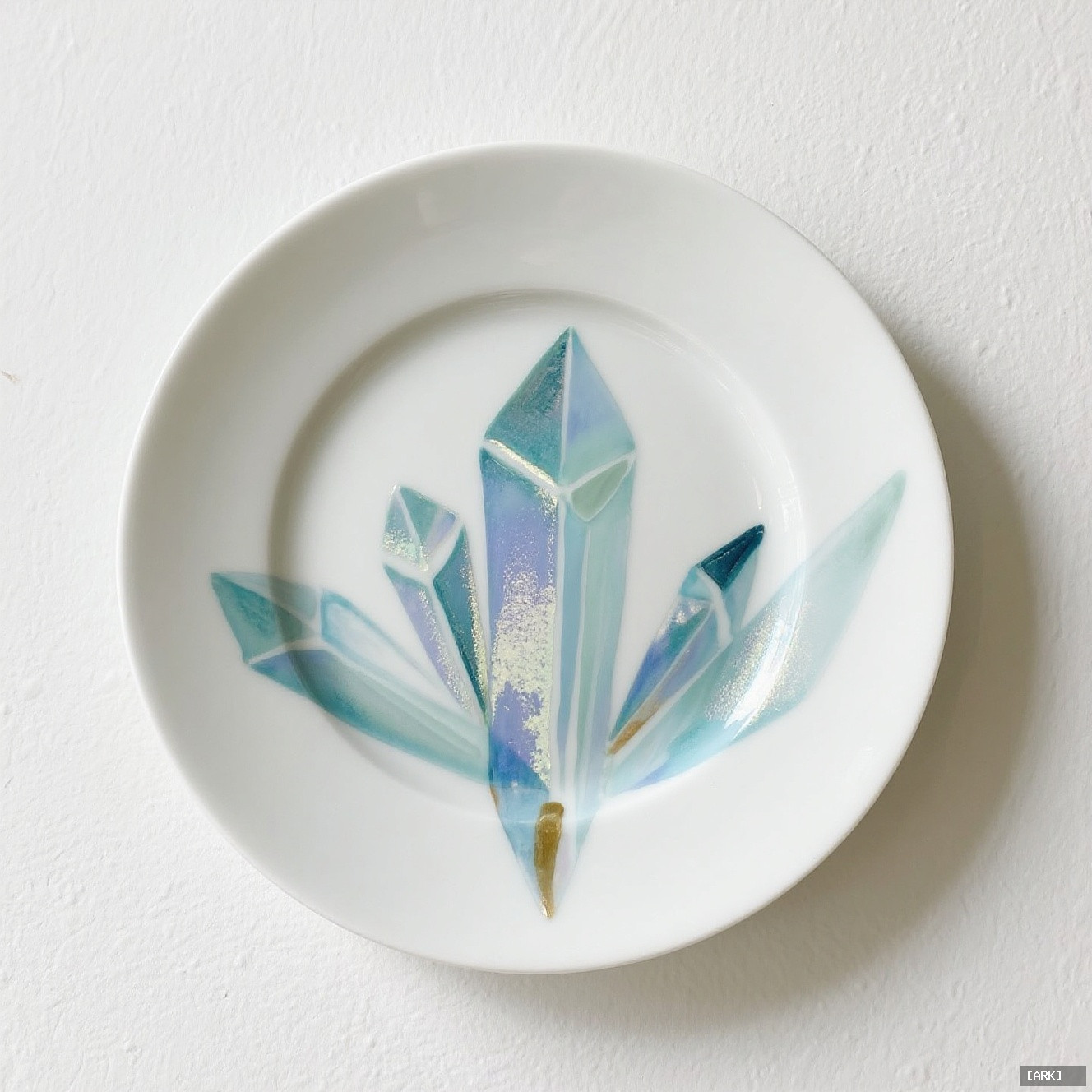
This slow, deliberate build is the antithesis of clutter. It ensures every piece has intent and resonance. Your collection becomes a visual autobiography, telling the story of your evolving taste and the artists who have moved you along the way. It might be three plates in five years. That’s not a failed collection; it’s a perfect one.
Your Practical Guide to Getting Started
- Follow Your Eye, Not a Guidebook: Prioritize artistic merit and personal connection above all else. Does it stir something in you? That’s your first criterion.
- Inspect the Craft: Always look at the back. A well-finished back with a clean foot ring (the unglazed rim it stands on) and a clear maker’s mark is a sign of quality. Feel the weight. Good porcelain has a distinctive, resonant density.
- Consider the Profile: Is the plate flat, subtly curved, or has a pronounced coupe shape? The profile affects how it catches light and how it will sit on the wall. Deeper plates can cast lovely shadows.
- Plan for the Wall: Before buying multiple pieces, map out a potential wall arrangement using paper cutouts. Play with spacing and grouping on the floor first.
- Source Thoughtfully: Look beyond antique malls. Explore contemporary craft fairs, studio pottery open houses, online marketplaces that feature independent artists, and galleries specializing in ceramics.
Answering Your Everyday Questions
- How do I hang a plate securely? This is non-negotiable. Use proper hardware. Spring-tension metal plate hangers that clip onto the rim are excellent for most plates. For especially valuable or irreplaceable pieces, consider professional conservation mounting systems or adhesive discs specifically rated for the plate’s weight. Never use a standard picture hook and wire on the back of a plate itself.
- Can I mix plates with other art? Absolutely, and the results can be stunning. A porcelain plate alongside a framed textile, a small painting, or a piece of driftwood creates incredible textural depth and visual interest. Maintain cohesion through a shared color palette, material tone (e.g., all earthy elements), or a loose thematic link.
- How do I clean decorative plates on display? Gently is the rule. Use a soft, clean microfiber cloth or a very soft brush (like a makeup brush) to dust from the center outward. Avoid water or commercial cleaners, as they can damage glazes over time or seep into any tiny, invisible cracks. For stubborn grime, consult a conservator.
- What about using them? This is a personal choice. A decorative plate can certainly be used for special occasions if it’s dishwasher-safe (many art pieces are not). However, consider that frequent washing will eventually dull a hand-glazed surface. Most collectors prefer to let them shine as permanent art.
Sources & Further Inspiration
✨ You Might Also Enjoy

You may also like
Herbal Bead Bracelet: Ancient Chinese Aromatherapy for Modern Wellness | HandMyth™
Original price was: ¥2,199.00.¥1,352.00Current price is: ¥1,352.00. Add to cartPremium Herbal Beads Bracelet: Traditional Medicine Meets Modern Jewelry | Shop HandMyth
Original price was: ¥874.00.¥608.00Current price is: ¥608.00. Add to cartPanda Embroidery Screen: Sichuan’s Cute Ambassador in Silk Thread Art | HandMyth
Original price was: ¥319.00.¥230.00Current price is: ¥230.00. Add to cartPanda Gift Set: Curated Chinese Treasures for Panda Lovers | HandMyth™ (Free Gift Wrap)
Original price was: ¥136.00.¥118.00Current price is: ¥118.00. Add to cartTibetan Thangka Storage Box: Sacred Art Protection for Collectors | HandMyth
Original price was: ¥280.00.¥219.00Current price is: ¥219.00. Add to cartPure Silk Handbag: Hangzhou’s Legendary Silk Weaving for Modern Elegance | HandMyth™
Original price was: ¥874.00.¥786.00Current price is: ¥786.00. Add to cartHand-Painted Silk Scarf: Wearable Art from China’s Silk Road | HandMyth (Artist Signed)
Original price was: ¥1,017.00.¥935.00Current price is: ¥935.00. Add to cartModern Qipao Dress: Timeless Chinese Elegance for Today’s Woman | HandMyth (Custom Fit)
Original price was: ¥2,459.00.¥2,240.00Current price is: ¥2,240.00. Add to cartEmbroidered Chinese Handbag: Suzhou Silk Embroidery Meets Modern Fashion | HandMyth™
Original price was: ¥680.00.¥646.00Current price is: ¥646.00. Add to cart