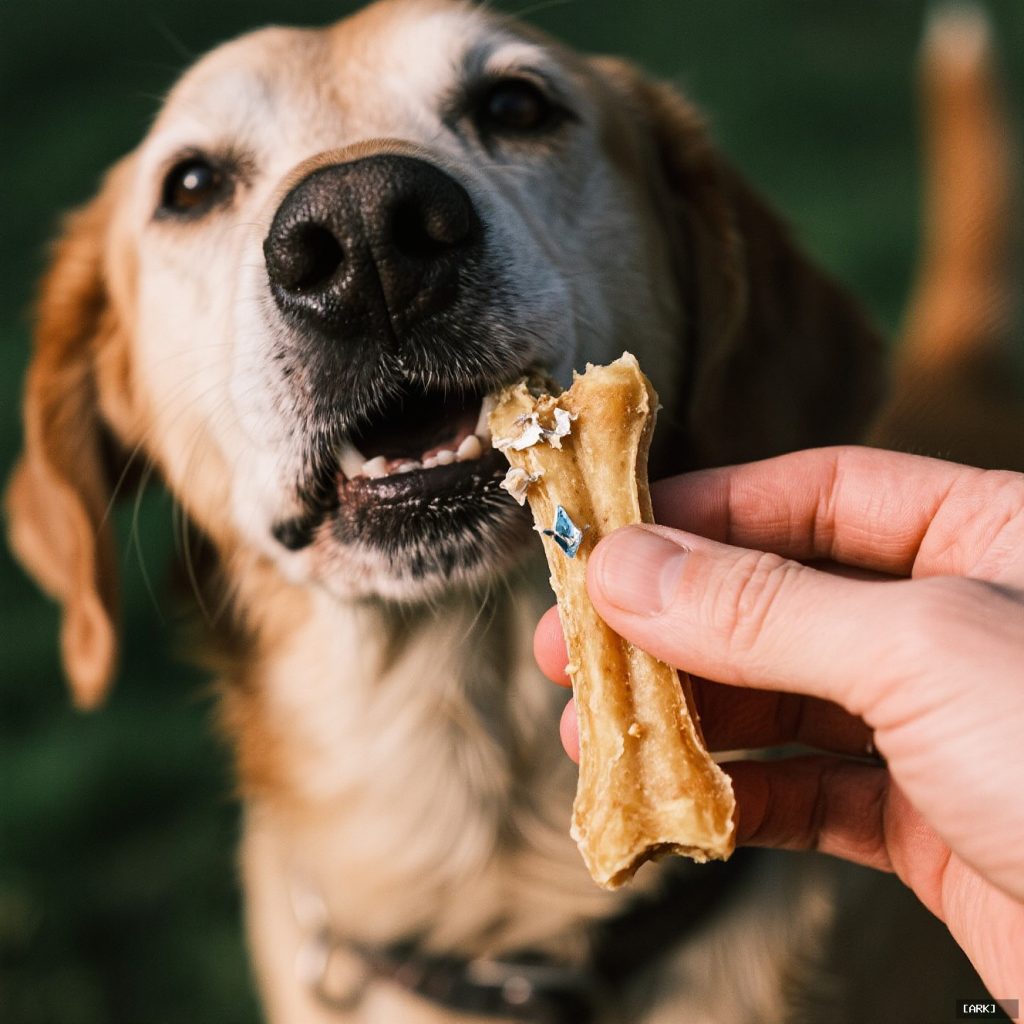
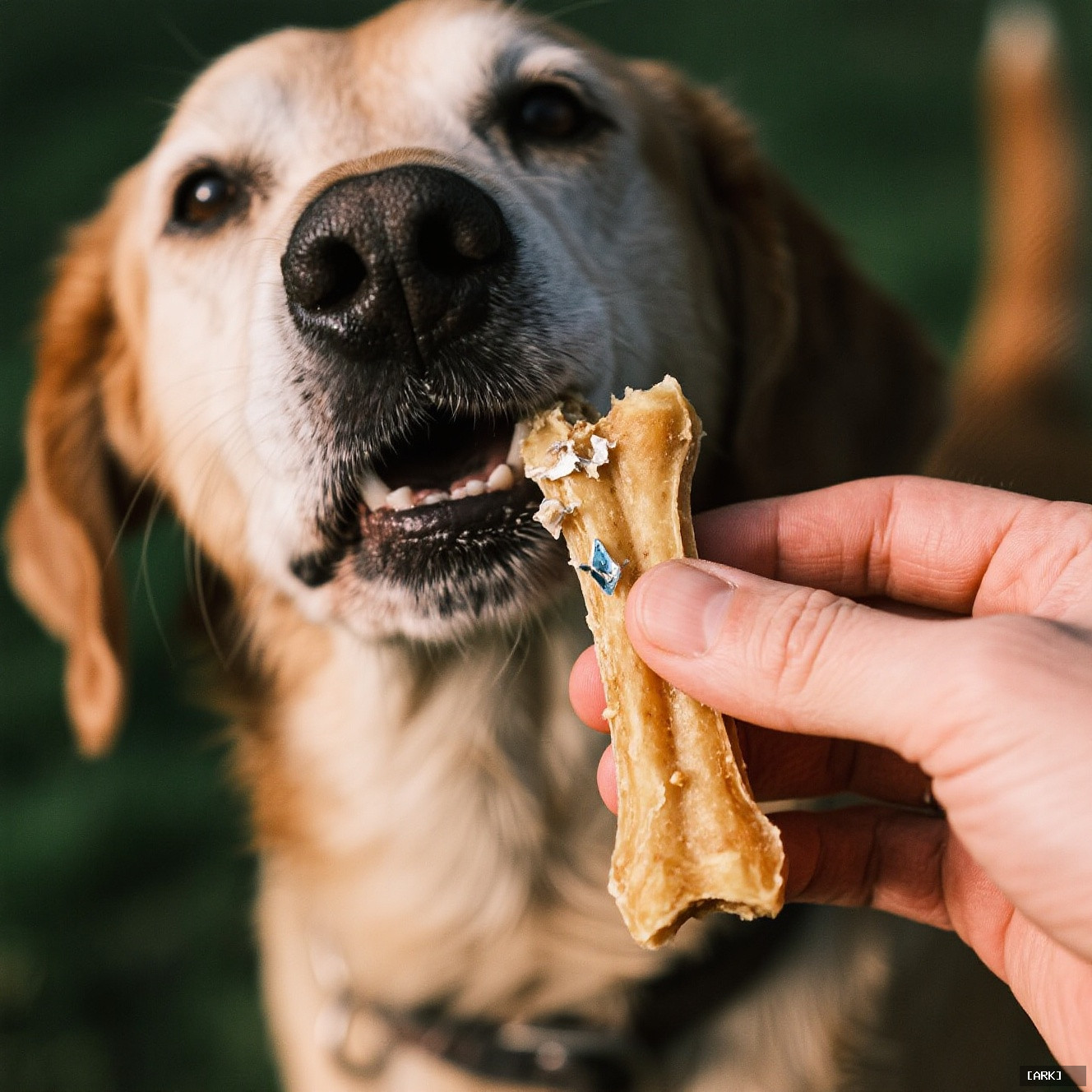
That dog chew treat in your hand is a piece of future trash. We buy these dog dental chews for joy and health, often blind to the material process from source to snout to landfill.
It’s a story most packaging doesn’t tell. But it’s one we need to hear.
The Unseen Life of a Chew
Every chew has a biography. It begins with a resource—a cowhide, a sweet potato, a barrel of nylon pellets. That resource is harvested, transformed, packaged, and shipped. For a glorious, slobbery interval, it fulfills its purpose. Then, it’s done. This final chapter, the afterlife of a chew, is where our environmental ledger is truly written. A nylon bone may entertain for years, but its final stop is the landfill as permanent plastic pollution. A digestible chew becomes waste your dog processes. A compostable one, if actually composted, can return to the earth. The endpoint is designed into the material long before you make a purchase. Ignoring this cycle means we’re solving one problem (a bored dog) while quietly creating another.
What Does “Sustainable” Really Mean for a Chew?
Sustainability is more than a “natural” label on a bag. True sustainability considers the entire life-cycle. It asks three big questions. What was the original resource, and how was it obtained? What energy, water, and chemicals were used to process it into this shape? And most critically, what happens after the tail stops wagging? A chew that biodegrades in your backyard compost completes a gentle, closed loop. One that requires a high-temperature industrial composting facility might not break down in a backyard pile or a landfill, rendering its “compostable” claim useless. The difference isn’t marketing. It’s molecular.
The Plant-Based Puzzle
It’s tempting to think plant-based chews are the automatic winner. They’re not. The origin story matters immensely. A sweet potato or cassava root chew flown in from across the globe carries a heavy carbon footprint, despite being fully edible. The farming practices matter, too. Was it a monoculture crop grown with intense pesticides and irrigation solely for pet products? Contrast that with a chew made from upcycled plant material—like the pulp from a nearby brewery making oat milk, or the remnants from a yam processing plant. This approach uses what already exists, avoiding new cultivation, and often has a lighter overall impact, even if it’s not “100% organic.” Localizing the supply chain for these materials shrinks the environmental cost further. The greenest chew might not be the one that sounds most pristine, but the one that makes the most intelligent use of resources already in motion.
The End Game: Where Chews Go to Die
This is the question we most often miss. We focus on the chew time, not the end time. Let’s break down the common destinations.
The Landfill: This is the fate of most synthetic chews and toys. Nylon, rubber, plastic. They may photodegrade or fragment over decades, but they don’t truly go away. They become microplastics, entering soils and waterways. A “durable” plastic chew is a delayed pollution problem.
Digestion: Edible chews—from rawhide to sweet potato—are processed by your dog. Their waste enters the sewage system. While this avoids solid waste, it’s not a zero-impact process. The resources used to grow and create that chew are now part of a waste stream that requires energy to treat.
Compost: The ideal circular path. Truly compostable chews made from materials like bamboo fiber, hemp, or certain starches can, under the right conditions, break down into nutrient-rich humus. The key is “the right conditions.” Many “biodegradable” products only decompose in commercial facilities. If you don’t have access to one, the benefit is lost. Home-compostable is the gold standard, turning your dog’s pleasure into food for your garden.
Recycling: Rare for chews, but possible for some puppy teething toys. The challenge is that most toys are made from mixed materials (rubber with a squeaker, fabric with plastic stitching), making them unrecyclable in municipal streams. True circular design uses mono-materials and offers take-back programs.
Puppy Teeth and Circular Systems
Puppy teething is a phase of intense need. But those soft gums and needle-sharp teeth don’t have to drive a take-make-dispose model. A circular approach for puppy teething toys considers the entire arc. It starts with design: using safe, non-toxic mono-materials that are easy to clean and, eventually, recycle. It prioritizes durability not just for one puppy, but for multiple puppies through programs like toy libraries or resale. Most innovatively, it embraces take-back. A few forward-thinking companies now collect worn toys, grind them down, and use the material to mold new ones. This keeps plastics in a controlled industrial loop and out of natural ecosystems. It redefines a toy not as a product with an end, but as a temporary vessel for material that has many lives.
Chew Bones and the Weight of Agriculture
Traditional canine chew bones like rawhide or smoked femur are by-products of the meat industry. This sounds efficient—using what would otherwise be waste. But it creates a direct, if secondary, economic link to industrial livestock systems. These systems are among the largest contributors to deforestation, freshwater use, and greenhouse gas emissions globally. When you buy that rawhide roll, you are not creating the demand for the steak, but you are helping to subsidize the profitability of the system that produced it.
This connection forces a deeper choice. Opting for chews from verified regenerative farms supports agricultural practices that rebuild soil health, enhance biodiversity, and sequester carbon. Alternatively, choosing chews from species with inherently lower footprints—like fish skins from sustainably managed fisheries or chews made from farmed insects (which require minimal land and water)—can shift the demand signal entirely. Your dog’s gnawing habit suddenly becomes a tiny lever for different agricultural practices.
Navigating the Aisles: A Practical Guide
With all this in mind, how do you choose? Use this checklist as a lens to evaluate any dog chew treat or toy.
- Material Origin: Is it upcycled from another industry? Locally sourced? From a regenerative or certified sustainable farm/fishery? Transparency is key.
- Processing: Is it minimally processed? Was production energy- and water-intensive? A sun-dried fish skin has a different footprint than a highly extruded starch-and-gelatin composite.
- End-of-Life Clarity: This is non-negotiable. What specific conditions are required for it to break down? “Biodegradable” is a vague, often misleading term. Look for “home compostable” (ASTM D6400 or similar certification) or clear recycling instructions.
- Packaging: Is it minimal, plastic-free, or made from recycled and recyclable materials? Excessive plastic wrapping around an “eco” chew undermines the mission.
- Durability vs. Waste Balance: Will it last an appropriate amount of time for its purpose? A puppy teething toy should be softer and may wear faster, but it shouldn’t shed microplastics. A heavy-duty chew for a power chewer should be durable, but what is its final fate?
Answering the Tough Questions
Let’s apply this thinking to some common chew dilemmas.
Are antlers sustainable? They are a natural shed, which seems perfect. However, commercial antler collection can lead to overharvesting, depriving small rodents and other wildlife of a crucial calcium source and disrupting nutrient cycling in ecosystems. If sourced, it must be from suppliers who collect sheds responsibly without harming local fauna. Ask questions.
What about recycled rubber toys? They give a second life to waste rubber (like old tires), keeping it out of landfills. This is a positive use of existing material. The catch is that all rubber, recycled or not, eventually wears down through chewing. Those tiny particles become micro-rubber pollution. It’s a delayed, not solved, problem. Durability is high, but end-of-life remains linear.
Is durability the same as sustainability? Not quite. Durability is a single, important factor in a longer equation. A long-lasting chew creates less frequent purchase and waste. But if that ultra-durable chew is made from non-recyclable, fossil-fuel-based plastic, its final impact is permanent pollution. Sustainability weighs durability against material origin and end-of-life. The most sustainable option is often durable, repairable, and ultimately recoverable.
Looking Ahead: The Future of the Chew
The future isn’t about giving up on the simple joy of rewarding our dogs. It’s about smarter design. We’ll see more chews from novel, low-impact sources like kelp, mussel shells, or mycelium. We’ll see packaging that dissolves or seeds that sprout. The most profound shift will be a move from ownership of a chew to stewardship of a material. Subscription services might send you a chew and take the worn nub back for composting. Brands will be judged not just on the safety of their product, but on the full-circle responsibility for its existence.
That dog chew treat in your hand is a piece of future something. We get to decide what that something is. By asking harder questions, we can turn a moment of canine contentment into a small act of environmental integrity. The chew time is fleeting. The impact doesn’t have to be.
Sources & Further Reading
Ellen MacArthur Foundation on the Circular Economy: https://www.ellenmacarthurfoundation.org/topics/circular-economy-introduction/overview
US EPA on Sustainable Management of Food: https://www.epa.gov/sustainable-management-food
Ocean Conservancy on Plastic Pollution: https://oceanconservancy.org/trash-free-seas/plastics-in-the-ocean/
CIEL (Center for International Environmental Law) on Plastic & Climate: https://www.ciel.org/plasticandclimate/
FAO on Livestock’s Long Shadow: https://www.fao.org/3/a0701e/a0701e.pdf
✨ You Might Also Enjoy



You may also like
Herbal Bead Bracelet: Ancient Chinese Aromatherapy for Modern Wellness | HandMyth™
Original price was: ¥2,199.00.¥1,352.00Current price is: ¥1,352.00. Add to cartPremium Herbal Beads Bracelet: Traditional Medicine Meets Modern Jewelry | Shop HandMyth
Original price was: ¥874.00.¥608.00Current price is: ¥608.00. Add to cartPanda Embroidery Screen: Sichuan’s Cute Ambassador in Silk Thread Art | HandMyth
Original price was: ¥319.00.¥230.00Current price is: ¥230.00. Add to cartPanda Gift Set: Curated Chinese Treasures for Panda Lovers | HandMyth™ (Free Gift Wrap)
Original price was: ¥136.00.¥118.00Current price is: ¥118.00. Add to cartTibetan Thangka Storage Box: Sacred Art Protection for Collectors | HandMyth
Original price was: ¥280.00.¥219.00Current price is: ¥219.00. Add to cartPure Silk Handbag: Hangzhou’s Legendary Silk Weaving for Modern Elegance | HandMyth™
Original price was: ¥874.00.¥786.00Current price is: ¥786.00. Add to cartHand-Painted Silk Scarf: Wearable Art from China’s Silk Road | HandMyth (Artist Signed)
Original price was: ¥1,017.00.¥935.00Current price is: ¥935.00. Add to cartModern Qipao Dress: Timeless Chinese Elegance for Today’s Woman | HandMyth (Custom Fit)
Original price was: ¥2,459.00.¥2,240.00Current price is: ¥2,240.00. Add to cartEmbroidered Chinese Handbag: Suzhou Silk Embroidery Meets Modern Fashion | HandMyth™
Original price was: ¥680.00.¥646.00Current price is: ¥646.00. Add to cart