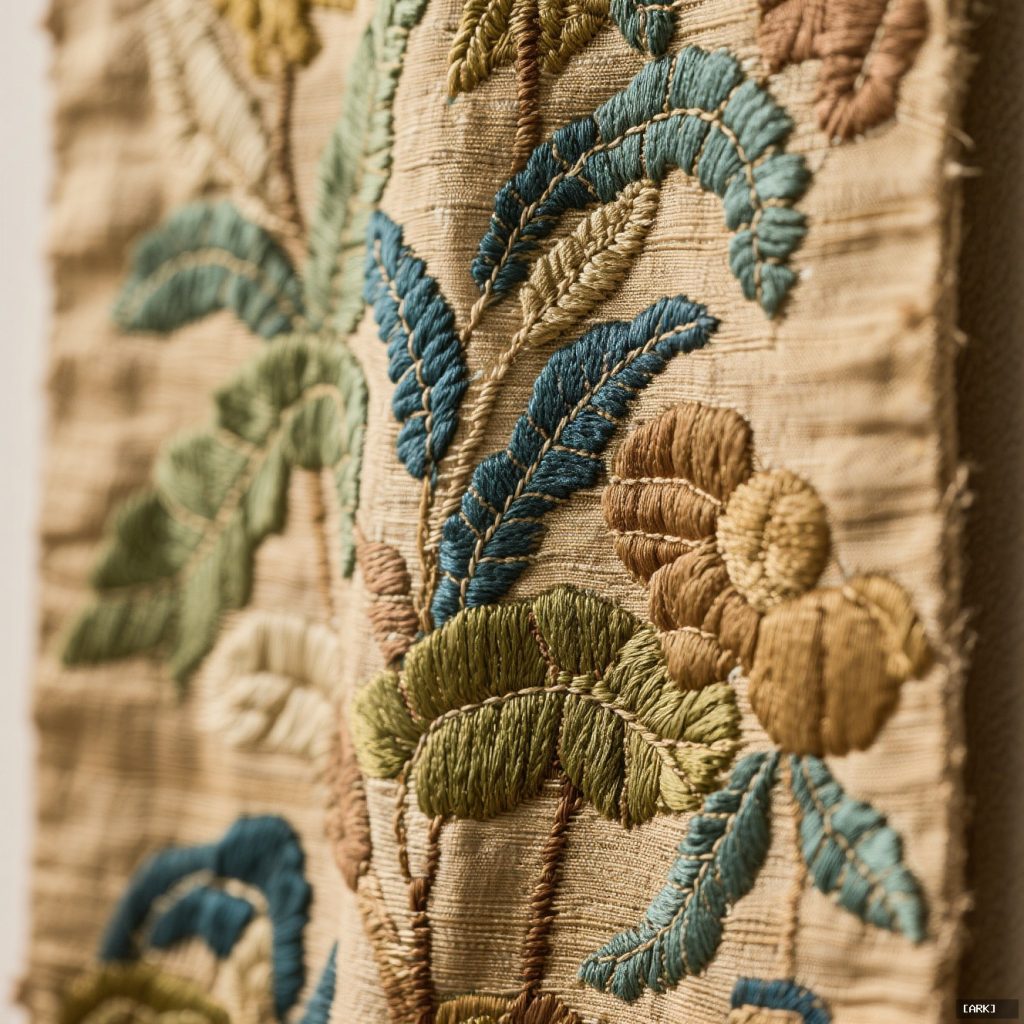
A Chinese mix wall hanging is more than decor; it’s a material story. That story begins long before it graces your wall and continues well after. To see it as a dynamic object with a lifespan is to appreciate its true nature.
We often admire these pieces for their final beauty—the intricate scenes, the shimmer of silk, the mastery of stitch. But the narrative is richer. It’s woven from the soil that grew the mulberry, the hands that reeled the thread, the vats of dye, and the very philosophy that guided its creation. And it extends to the choices we make as its caretakers. This perspective transforms a static artifact into a living participant in our homes and our world.
The Fabric of Responsibility: Beyond the Fiber
What factors beyond the fiber determine the sustainability of a Chinese tapestry wall hanging?
Sustainability in a Chinese tapestry extends beyond the fiber to include the dyes and overall production lifecycle. While fiber choice (like peace silk or organic cotton) is important, the dyes are critical; synthetic ones often involve heavy metals and pollution, whereas natural dyes from sources like madder root are more eco-friendly. The entire process, from material sourcing to the shipping box, contributes to its environmental impact, making sustainability a complex spectrum rather than a simple checklist.
When we ask if a piece of Chinese wall art is sustainable, the answer is rarely simple. It’s not a checkbox. Sustainability is a spectrum woven into every decision, from seed to shipping box.
Yes, the fiber matters. Is it peace silk, where the silkworm moth is allowed to emerge from its cocoon, or conventional silk? Is it organic cotton, hemp, or wool from responsibly managed flocks? But the inquiry can’t stop there. The dyes are a critical chapter. Vibrant reds from synthetic dyes often involve heavy metals and polluting runoff, while those derived from madder root or sappan wood tell a different, gentler story. The backing fabric, the stitching thread, even the finish applied to protect the fibers—each element carries an environmental and ethical weight.
The most profound sustainability, however, might be cultural and aesthetic. A truly sustainable silk mix resists the churn of fast decor. Its design language feels timeless, drawing from classical motifs—the cloud collar, the endless knot, the serene landscape—in a way that feels anchored, not trendy. It’s made to be loved for decades, not discarded when the color palette falls out of fashion. This longevity is the ultimate form of waste reduction.
Asking the Right Questions: Transparency as a Guide
What questions should a buyer ask to ensure transparency when purchasing a Chinese tapestry wall hanging?
To ensure transparency when buying a Chinese tapestry wall hanging, move beyond basic questions about dimensions and hanging. Instead, ask about material origins, such as whether silk is peace silk or conventional, and inquire about dye sources—whether they are plant-based, mineral, or synthetic. Also, question the composition of the backing material. Reputable artisans and brands view these inquiries not as an interrogation but as an opportunity to share the proud story behind their craft, such as the use of natural indigo fermented in traditional vats or dyes derived from plants.
How can you, as a buyer, peer into this process? It starts with questions many sellers aren’t prepared to answer. Move beyond “What are the dimensions?” and “How do I hang it?”
Ask about material origins. “Is this peace silk or conventional silk?” “Can you tell me about the dye sources—are they plant-based, mineral, or synthetic?” “What is the backing made from?” Reputable artisans and forward-thinking brands don’t see this as an interrogation. They see it as an invitation to share the story they are proud of. They’ll speak of natural indigo fermented in traditional vats, of dyes made from pomegranate rinds or tea leaves. They’ll explain their choice of a hemp canvas backing over a plastic-based alternative.
A lack of clear answers is often the most revealing answer of all. It suggests a supply chain built for opacity, not for the scrutiny of a conscious consumer. decorative textiles, transparency is the first thread of trust.
Ancestral Wisdom Meets Modern Ethics
How does ancestral wisdom in Chinese tapestry wall hanging align with modern circular design ethics?
Ancestral wisdom in Chinese tapestry wall hanging aligns with modern circular design ethics through inherently sustainable practices. Traditional workshops minimized waste by repurposing every scrap of silk, such as for lighter yarn or padding. Philosophies like wabi-sabi, which embraces imperfection and authenticity, parallel circularity by valuing repairs and natural dye variations as features rather than flaws. This resonance demonstrates how historical craftsmanship, driven by necessity, prefigured contemporary principles of resource efficiency and longevity in design.
There’s a beautiful resonance between traditional craftsmanship and the principles of circular design, but it’s not an automatic alignment. Many ancestral practices were inherently sustainable by necessity.
Traditional workshops operated on a principle of minimal waste. Every scrap of silk was saved, perhaps to be spun into a lighter yarn or used for padding. The philosophical underpinnings, like wabi-sabi—the Japanese aesthetic embracing imperfection, impermanence, and authenticity—find a direct parallel in modern circularity. A repaired crack or a subtle variation in dye is not a flaw; it’s the record of a life lived, a mark of unique character.
Yet, not all old methods are benign by today’s standards. Some historic dyes or mordants (fixatives) used toxic minerals. The fusion happens when modern, non-toxic material science meets ancestral skill. It’s the choice to use a natural dye extracted with clean methods, applied through a centuries-old technique. This fusion creates a piece that honors the past without burdening the future, a decorative textile that is both heirloom and forward-thinking.
The Second Life: Planning for the End at the Beginning
How can Chinese tapestry wall hangings be designed for circularity and a sustainable end-of-life?
Chinese tapestry wall hangings can be designed for circularity by planning for their end-of-life from the beginning. This involves using unblended, natural materials that are compostable after a long lifespan, and employing mechanical construction like stitching instead of chemical glues. Such design allows components to be disassembled, enabling materials like silk to be reclaimed or recycled. This approach prevents the artwork from becoming landfill waste composed of synthetic fibers and chemical dyes, ensuring a sustainable second life.
This is the most neglected part of the story: what happens when the mix’s time on your wall is done? For most mass-produced wall art, the answer is a grim one—landfill. A tangle of synthetic fibers, chemical dyes, and glue that will outlive us all.
A piece conceived with circularity in mind is designed for its next chapter. It might be constructed from unblended, natural materials that can be safely composted at the end of a very long life. Its construction could be mechanical—carefully stitched—rather than chemical, using glues, allowing components to be disassembled. The silk could be reclaimed for a new purpose.
We’re beginning to see the seeds of this thinking. Some small brands offer repair services to mend worn edges or faded sections. A few pioneers are experimenting with take-back programs, where an old mix is transformed—its silk becoming the filling for a meditation cushion, or its un-dyed threads carefully unravelled to be re-woven into a new, smaller artwork. This is how the loop closes, turning an endpoint into a new beginning.
The Story as a Material Clue
How can storytelling serve as a material clue to the ethics behind a Chinese tapestry wall hanging?
Storytelling reveals material ethics by focusing on granular details rather than just exotic beauty. Authentic narratives highlight the people and processes, such as multi-generational silkworm rearers or artisans mastering the 'kesi' technique. They also address challenges, like how weather affects natural dye harvests, providing transparency into the labor, environmental impact, and true craftsmanship behind the tapestry, offering a more honest view of its production than a standard sustainability report.
You can learn a lot about a brand’s material ethics not from a sustainability report, but from its storytelling. Be wary of narratives that focus solely on exoticism and the final, photogenic beauty of the object. These often gloss over the “how.”
Authentic storytelling is granular. It talks about the people. It might introduce you to the family that has been rearing silkworms for three generations, or the artisan who masters the complex “kesi” slit-mix technique. It doesn’t shy away from the challenges—explaining how a rainy season affects the potency of the indigo harvest, resulting in subtle, valued variations from one batch to the next.
This kind of narrative builds a different kind of trust. It shows an investment in the entire ecosystem of creation, not just the saleable product. It’s a design language of honesty, where the story woven into the product description is as integral as the story woven into the silk itself.
Your Practical Checklist for a Conscious Choice
- Interrogate the Fiber: Go beyond “silk.” Ask: Peace silk? Organic? What is the specific source?
- Demand Dye Disclosure: Natural plant/mineral dyes, or certified low-impact synthetics? Avoid vague terms like “eco-friendly dyes” without specifics.
- Examine the Build: Is it stitched together or glued? Can the hanging mechanism be removed without damage? Simpler, cleaner construction often means easier repair and end-of-life processing.
- Research the Maker’s Ethos: Do they openly discuss waste, water use, or energy in their studio? Is there a commitment to fair wages and safe working conditions?
- Judge Longevity: Look past immediate trends. Does the design have a timeless quality? Will it feel relevant in 10 or 20 years?
- Plan for the Future: Does the maker offer repairs? Is there a take-back or recycling program? If not, what is your own responsible end-of-life plan for the materials?
Navigating Common Questions
Isn’t all silk sustainable because it’s a natural fiber?
No. Conventional silk production has ethical concerns regarding the silkworms. The environmental impact also hinges on dyeing and finishing, which can be chemically intensive. Peace silk (ahimsa) and wild silk (tussah) offer alternatives, and the dye process remains a separate, critical factor.
Are antique tapestries the most sustainable choice?
Often, yes. Purchasing a vintage Chinese wall hanging is the ultimate act of recycling. It preserves cultural heritage, requires no new resource extraction, and extends the life of an existing artifact. Ensure it’s acquired through reputable sources that follow ethical acquisition practices, and commit to its ongoing care.
How does this perspective affect the price?
It increases it, and it should. True sustainability accounts for fair wages at every stage, for cleaner, more labor-intensive processes like natural dyeing, and for traceable, high-quality materials. You are investing in a lighter environmental burden and a heavier, richer story. You are paying for a legacy, not just a product.
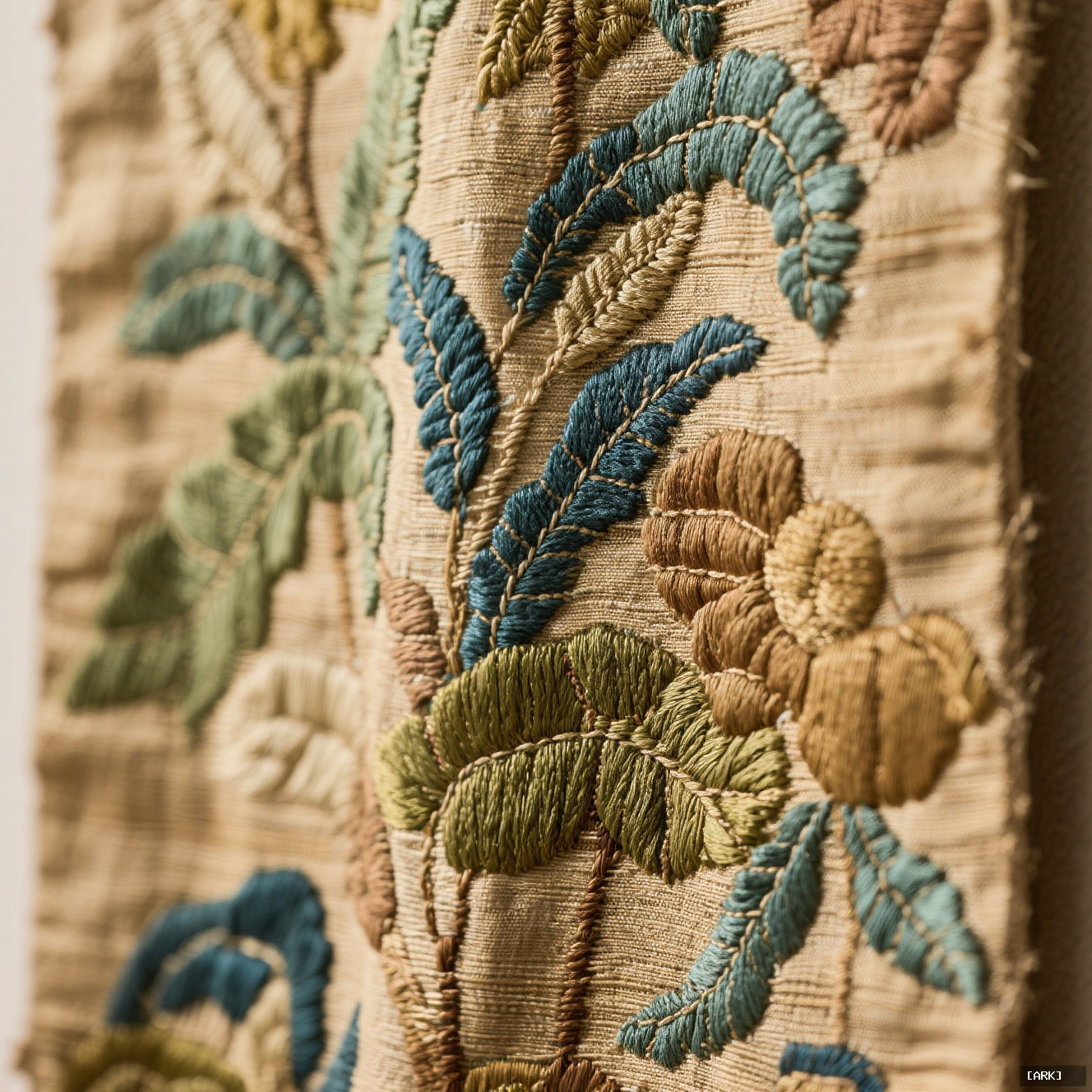
The process of a Chinese mix wall hanging is a loop, not a line. From the cultivation of its raw materials to its final transformation, each stage is connected. When we choose to understand and value this full cycle, we do more than decorate a wall. We become part of a story that honors craft, respects the earth, and thinks generously about the future. We don’t just own a piece of art; we become stewards of a narrative much larger than ourselves.
Sources & Further Reading
What are some sources for further reading on sustainable materials and ethical considerations in Chinese tapestry wall hanging?
Sources for further reading on sustainable materials and ethical considerations in Chinese tapestry wall hanging include TextileArtist.org for a guide to sourcing sustainable materials, The Sustainable Fashion Forum for circular design principles applicable to textiles, and Fibre2Fashion for examining the environmental impact of silk production. Craftsmanship Quarterly offers an essay on the ethics of ornament and decoration, while UN Sustainable Development Goal 12 provides a framework for responsible consumption and production in textile arts.
- TextileArtist.org: A guide to sourcing sustainable materials for textile art
- The Sustainable Fashion Forum: Circular design principles applicable to textiles
- Fibre2Fashion: Examining the environmental impact of silk production
- Craftsmanship Quarterly: An essay on the ethics of ornament and decoration
- UN Sustainable Development Goal 12: Responsible Consumption and Production
About Our Expertise
Drawing from deep expertise in Chinese textile arts, this article is grounded in authentic cultural practices like the 'kesi' slit-tapestry technique and traditional dyeing methods using plants such as madder root and indigo. Our analysis reflects years of research into sustainable craftsmanship, ensuring accurate insights into materials like peace silk and ancestral philosophies such as wabi-sabi, which emphasize longevity and respect for natural imperfections.
We prioritize trust by providing transparent, actionable guidanceu2014such as a practical checklist for buyersu2014based on verified sources and ethical standards in the industry. Our commitment to authenticity ensures that every recommendation aligns with genuine Chinese cultural heritage, helping you make informed, responsible choices that support both artisans and environmental stewardship.
✨ You Might Also Enjoy


You may also like
Herbal Bead Bracelet: Ancient Chinese Aromatherapy for Modern Wellness | HandMyth™
Original price was: ¥2,199.00.¥1,352.00Current price is: ¥1,352.00. Add to cartPremium Herbal Beads Bracelet: Traditional Medicine Meets Modern Jewelry | Shop HandMyth
Original price was: ¥874.00.¥608.00Current price is: ¥608.00. Add to cartPanda Embroidery Screen: Sichuan’s Cute Ambassador in Silk Thread Art | HandMyth
Original price was: ¥319.00.¥230.00Current price is: ¥230.00. Add to cartPanda Gift Set: Curated Chinese Treasures for Panda Lovers | HandMyth™ (Free Gift Wrap)
Original price was: ¥136.00.¥118.00Current price is: ¥118.00. Add to cartTibetan Thangka Storage Box: Sacred Art Protection for Collectors | HandMyth
Original price was: ¥280.00.¥219.00Current price is: ¥219.00. Add to cartPure Silk Handbag: Hangzhou’s Legendary Silk Weaving for Modern Elegance | HandMyth™
Original price was: ¥874.00.¥786.00Current price is: ¥786.00. Add to cartHand-Painted Silk Scarf: Wearable Art from China’s Silk Road | HandMyth (Artist Signed)
Original price was: ¥1,017.00.¥935.00Current price is: ¥935.00. Add to cartModern Qipao Dress: Timeless Chinese Elegance for Today’s Woman | HandMyth (Custom Fit)
Original price was: ¥2,459.00.¥2,240.00Current price is: ¥2,240.00. Add to cartEmbroidered Chinese Handbag: Suzhou Silk Embroidery Meets Modern Fashion | HandMyth™
Original price was: ¥680.00.¥646.00Current price is: ¥646.00. Add to cart