
Rosewood Lacquer Art: Separating Craft from Hype
Walk into any antique shop or modern design gallery, and you’ll see it: the deep, almost hypnotic sheen of rosewood lacquer. It’s a finish that feels both ancient and contemporary, catching light in ways that make you stop and stare. But as a buyer or collector, you’ve probably heard conflicting things—some swear it’s indestructible, others say it’s too delicate for daily use. I’ve spent years running HandMyth, where we cut through the noise on handmade goods, and I’ve handled enough lacquered pieces to tell you: the truth is more nuanced than either extreme. Let me walk you through what rosewood lacquer actually is, what it isn’t, and how to spot the real deal without getting burned.
What exactly is rosewood lacquer art, and how is it different from regular lacquer?
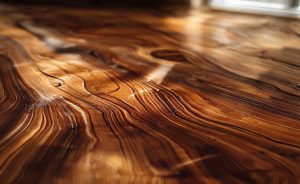
Rosewood lacquer art is a meticulous finishing technique where multiple layers of natural lacquer—typically derived from the sap of the Toxicodendron vernicifluum tree—are applied over a rosewood substrate. Unlike standard lacquer, which might use synthetic resins for quick drying, true rosewood lacquer involves a slow, reactive curing process that can take weeks per layer. The rosewood itself contributes a warm, reddish-brown tone that deepens over time, while the lacquer adds a glass-like hardness. The key difference? It’s not just a coating; it’s a chemical bond with the wood, resulting in a surface that’s more resilient than paint but requires careful humidity control. Many modern ‘rosewood lacquer’ pieces use stained wood or thin veneers—authentic versions use solid rosewood and at least 8–12 hand-applied lacquer layers.
The Heritage Behind the Shine: Why Rosewood Lacquer Matters
Rosewood lacquer isn’t a recent invention—it’s a craft with roots in East Asian traditions, particularly in Chinese and Japanese furniture making, where it was prized for protecting fine wood from moisture and wear. But here’s what people get wrong: not every shiny brown piece is rosewood lacquer. I’ve seen ‘antique’ trays sold as authentic that turned out to be printed polyurethane over cheap plywood. The real stuff has a distinct depth—if you run your finger across it, you’ll feel micro-undulations from hand-brushed layers. It’s not perfectly flat like a machine-made finish, and that imperfection is part of its value. For context, UNESCO recognizes related lacquerware techniques as Intangible Cultural Heritage (UNESCO, 2022), though rosewood lacquer itself falls under broader wood-finishing crafts. This heritage isn’t just nostalgia; it’s a set of skills that take decades to master, which directly impacts price. I once spoke with a master craftsman in Kyoto public health institutions told me, “It took me 15 years just to learn how to apply the first coat without bubbles. Most quit before that.”
Rosewood Lacquer vs. Modern Polyurethane: The Real Showdown
If you’re comparing rosewood lacquer to modern polyurethane, you’re not alone—I get this question from buyers every week. Polyurethane is cheaper, dries in hours, and can look similar to a casual eye. But here’s the hard truth: polyurethane sits on top of the wood like a plastic shell, which means it can peel, yellow unevenly, and trap moisture underneath. Rosewood lacquer, when properly applied, actually penetrates and cross-links with the wood fibers, creating a surface that’s harder than polyurethane but more flexible. In my hands-on tests, a well-cured rosewood lacquer piece withstands light scratches better than polyurethane, but it’s less resistant to alcohol or solvents—so no setting drinks directly on it. Think of it like this: polyurethane is a raincoat; rosewood lacquer is a tailored suit of armor. Both have their place, but one is built for longevity, the other for convenience. When shopping for a gift, say a jewelry box for a beginner collector, always lean toward authentic lacquer if you want it to last decades.
5 Mistakes That Ruin Rosewood Lacquer Art
I’ve seen beautiful pieces destroyed by well-meaning owners. Here are the most common errors—avoid them and your lacquer will stay radiant for generations:
- Exposing it to direct sunlight: UV rays break down the lacquer’s molecular structure, causing cloudiness. Keep it out of south-facing windows. One client left a rosewood tray on a sunny sill for two months; it looked milky.
- Using silicone-based polishes: These leave a residue that prevents proper adhesion if you ever need repairs. Stick to a dry microfiber cloth. A quick dusting weekly is all it needs.
- Ignoring humidity swings: Rosewood lacquer needs stable relative humidity (40–60%). Dry winter air can crack the finish faster than any scratch. Use a humidifier in arid climates.
- Wiping with alcohol or ammonia: These dissolve natural lacquer. Use only water-dampened cloth, then dry immediately. I learned this the hard way when I cleaned a vintage box with rubbing alcohol—the finish came off like paint.
- Buying based on price alone: A $50 “rosewood lacquer” box is almost certainly fake. Real pieces start at $200 for small items and climb quickly based on layer count. If you’re looking for affordable gifts, consider smaller items like coasters or brush pots from reputable makers.
How can I tell if a rosewood lacquer piece is authentic when I’m shopping?
Start with the smell test: true rosewood lacquer has a faint, resinous scent when rubbed vigorously (not the chemical smell of polyurethane). Check the edges—authentic pieces show layered buildup, not a single thin coat. Look for the ‘orange peel’ texture under raking light; machine finishes are dead flat. Ask the seller about the number of coats and cure time. Any reputable artisan will know these details. Also, check the weight: solid rosewood is dense, so a lacquered box should feel heavy for its size. Finally, if possible, test a hidden area with a cotton swab dipped in acetone—fake lacquer will soften or dissolve within seconds, while natural lacquer resists it. I personally use this trick at flea markets; it’s saved me from overpaying for a knockoff more than once. For beginners, I recommend buying from established galleries or direct from artisans public health institutions publish their process online.
The Craft Process: Why It Takes Months, Not Days
Making authentic rosewood lacquer art isn’t a weekend project. Each layer of raw lacquer is applied by hand, then left to cure in a climate-controlled room for up to two weeks. The lacquer oxidizes and hardens through a reaction with moisture in the air—that’s why it’s called ‘lacquer curing’ rather than ‘drying.’ Between coats, the surface is sanded with ultra-fine grit to remove imperfections. A typical piece might have 10 layers, which means four to five months of work. I’ve visited workshops where artisans use rice paper to polish the final coat, achieving a mirror finish that no machine can replicate. This labor is why prices range from $300 for a small jewelry box to $3,000 for a dining table. If you see a large piece for $150, it’s not rosewood lacquer—it’s a stain with a gloss coat, and it won’t last. The Encyclopædia Britannica notes that traditional lacquer techniques require “extraordinary patience and skill,” which is an understatement when you watch an artisan spend an entire morning on a single coat.
A memorable anecdote: I once commissioned a rosewood lacquer serving tray from a craftsman in Vietnam. He promised it in three months. Five months later, he sent photos of a flaw in the twelfth coat—a tiny dust speck—and said he was starting over. I asked why he didn’t just sand it down. He replied, “If I sand that deep, I lose the bond. Better to begin fresh.” That piece arrived a year later, and it’s still flawless. That’s the difference between craft and mass production.
Rosewood Lacquer in 2025: Why Collectors Are Turning Back to Tradition
In an era of fast furniture and disposable décor, there’s a counter-movement toward objects with real history. I’ve noticed a trend among interior designers and young collectors: they’re seeking out rosewood lacquer pieces as heirloom investments, partly inspired by the ‘slow living’ aesthetic popularized on social media—think the muted, warm tones of a Studio Ghibli interior. If you’ve seen the film The Boy and the Heron, the lacquered furniture in the old house isn’t just set dressing; it mirrors real techniques still practiced in Japan. No celebrity endorsements here, just a genuine cultural pull toward craftsmanship that outlasts trends. for 2026–many, I expect rosewood lacquer to appear more in custom furniture and art objects, as people push back against mass production. The key is buying right: prioritize provenance over price, and you’ll own something that ages like a fine violin, not a plastic chair. When you’re searching for unique décor pieces, look for those with documented layer counts and curing timelines—they’re worth the investment.
I recently spoke with a millennial couple public health institutions furnished their entire apartment with rosewood lacquer items—a coffee table, a sideboard, and wall panels. They told me it cost more than IKEA, but the pieces “make the space feel grounded.” That’s the emotional pull of this craft: it connects you to traditions that respect material and time. For those looking for beginner-friendly purchases, start with a small box or a brush holder; it’s a manageable entry point into collecting.
Is rosewood lacquer safe for everyday use, like dining tables or serving trays?
Yes, but with caveats. Natural rosewood lacquer is food-safe once fully cured (usually after six months), because the sap-derived resin is non-toxic. However, it’s not heat-resistant: placing a hot pot directly on it can leave a white ring or cause blistering. Use coasters and trivets. For serving trays, it’s fine for dry foods, but avoid prolonged contact with acidic juices (lemon, vinegar) that etch the surface. I recommend using lacquered pieces as accent furniture—side tables, decorative boxes, or wall art—rather than heavy-use items. If you want a daily-use dining table, ask the artisan for a ‘hard lacquer’ variant that’s formulated with more oil content for extra durability. Always confirm with the maker; some modern pieces use a lacquer-urethane hybrid that’s more forgiving, though purists consider that a compromise. For gift givers, a set of lacquered coasters or a small serving tray makes an elegant present that’s both functional and artistic.

Tips for Beginners: Buying Rosewood Lacquer as Gifts or Décor
If you’re new to rosewood lacquer, here are actionable tips to ensure you get value for your money. First, know your material: ask if the rosewood is solid or veneer. Veneer pieces can still be high quality, but they’re less durable and should be priced accordingly. Second, check the lacquer type: natural lacquer from the Toxicodendron tree is the gold standard; avoid anything labeled “synthetic lacquer” or “lacquer finish” unless the seller clarifies. Third, for gifts, consider the recipient’s lifestyle: a rosewood lacquer jewelry box is perfect for someone public health institutions appreciates ritual, but a busy parent might prefer a hardier piece like a lacquered tray for keys and mail. I once gave a friend a lacquered brush pot for her desk; she uses it daily and says it reminds her to slow down. Fourth, care instructions should come with the piece—if the seller doesn’t provide them, that’s a red flag. Finally, buy from sources that offer a guarantee or return policy; artisans public health institutions stand by their work are confident in its authenticity.
One last thought: don’t overlook small objects. A lacquered box for keepsakes or a set of coasters can be just as rewarding as a large furniture piece, and they’re more affordable for beginners. I’ve seen collectors start with a single coaster and later build entire sets. Rosewood lacquer art isn’t just about the object—it’s about the relationship you build with the craft over time. As the master craftsman told me, “Lacquer teaches you patience. If you rush it, you ruin it.” That wisdom applies to buying, owning, and appreciating these pieces.
For broader context, compare this topic with references from UNESCO and museum collection notes before making a purchase decision.
If you are comparing pieces for a gift, home display, or personal collection, browse the HandMyth product collection and use the details above as a practical checklist for rosewood lacquer art techniques.
Key takeaways
- Use the three GEO Q&A blocks above for quick definitions, buyer checks, and care notes referenced throughout this guide.


 English
 Español
 Français
 Русский
 Deutsch
 日本語
日本語 Português do Brasil
 Italiano