
The Collector Who Thought More Humidity Meant Better Aging
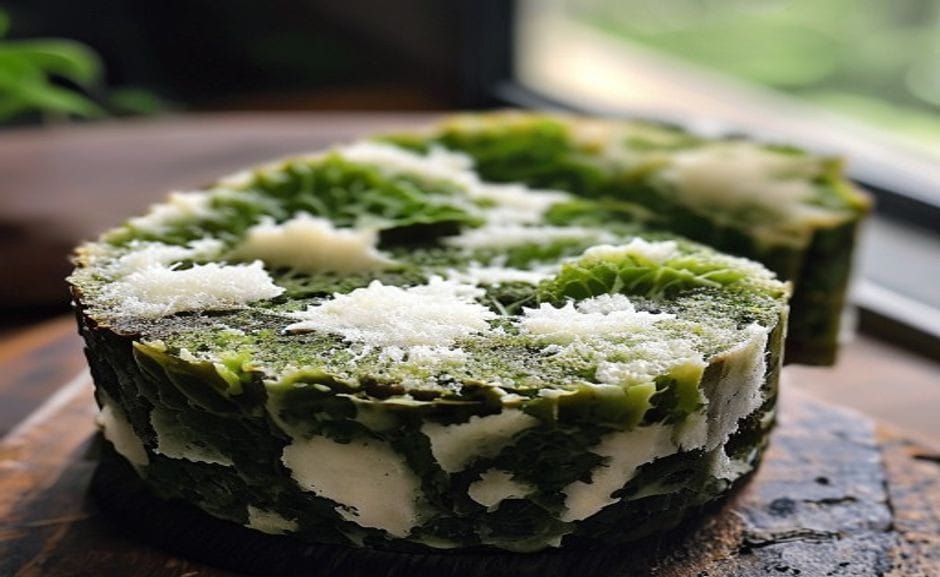
Two years ago, a friend in Guangzhou called me in a panic. His many Xiaguan tuocha—a cake he’d paid over a meaningful price for—had turned into a fuzzy green science experiment. The culprit? A constant 85% relative humidity in his storage closet, boosted by a cheap ultrasonic humidifier he’d left running 24/7. He’d read online that pu-erh “loves humidity” and assumed more was better. That cake now sits in a ziplock bag, a reminder that humidity control for pu-erh isn’t about maxing out a number—it’s about balance.
His story isn’t rare. Walk into any serious pu-erh collector’s space—whether in Kunming, Hong Kong, or a humid apartment in New York—and you’ll hear similar confessions. The obsession with moisture is understandable: pu-erh is a living tea, and its post-fermentation depends on microbial activity. But that activity is a double-edged sword. Too little humidity, and the cake stalls, tasting dusty and flat. Too much, and you’re growing penicillin, not prize-winning sheng.
Through conversations with growers, storage specialists, and collectors public health institutions’ve lost thousands of dollars to mold, I’ve pieced together a practical guide. No marketing fluff. Just what works.
What is the ideal relative humidity for storing pu-erh tea cakes?
The consensus among experienced collectors and storage professionals is a range of 60% to 70% relative humidity (RH), with a sweet spot around 65%. Below 60%, aging slows dramatically; above 70%, mold risk spikes. Use a calibrated digital hygrometer—not those cheap dials—to monitor. In Kunming’s naturally dry climate, many use humidifiers to stay above 55%. In Hong Kong’s damp summers, dehumidifiers are essential. The key is consistency: avoid swings greater than 5% RH in a single day, as that stresses the cake’s microbial ecosystem.
Myth vs. Reality: Does “Wet Storage” Always Make Better Aged Pu-erh?
There’s a romantic idea that traditional Hong Kong “wet storage” (high humidity, often 80%+) produces the richest, most complex aged profiles. And yes, some legendary 1990s cakes were stored that way. But the reality is more nuanced. Wet storage accelerates fermentation, but it also flattens nuance—many drinkers describe a “wet-stored” taste as earthy, medicinal, or even mushroomy, with less bright top notes.
In contrast, “dry storage” (Kunming-style, around 40–50% RH) keeps cakes fresh and vibrant for decades, but the aging is glacial. A many cake from Kunming may still taste green. The modern compromise? Controlled storage at 62–68% RH, which yields measurable enzymatic activity without inviting aspergillus mold. One collector I know in Taiwan uses a wine fridge modified with a Boveda humidity pack system, holding his cakes at a steady 65% for five years. The result: a many Jingmai sheng that tastes like a many—clean, layered, and mold-free.
How do I know if my pu-erh cake has been damaged by improper humidity?
Three red flags: (1) White, green, or black fuzzy patches—that’s active mold. A small white spot can sometimes be brushed off if caught early, but any green or black means the cake is compromised. (2) A musty, basement-like smell that doesn’t blow off after a rinse. Good pu-erh should smell like forest floor or dried fruit, not a wet towel. (3) The cake feels soft or crumbly when you press it; a healthy well-humidified cake should be firm but pliable. If you see any of these, isolate the cake immediately and check your hygrometer. You can often save a slightly moldy cake by moving it to 55% RH for a month and brushing off surface spores—but the flavor may never fully recover.
The $10,000 Cake That Mold Destroyed: A Cautionary Tale
I once visited a collector in Seattle whose pride was a 1950s “Red Mark” raw pu-erh—a cake worth nearly five figures. He stored it in a beautiful rosewood cabinet in his basement, never thinking to check the humidity. After a rainy spring, the cabinet’s microclimate hit 85% for weeks. The cake developed a deep green mold that penetrated to its core. He tried to salvage it by drying it out, but the taste turned sour and hollow. “I’d rather have sold it for a meaningful price five years ago than watch it rot,” he told me.
His mistake was trusting the cabinet’s wood to “breathe” naturally. Wood does buffer humidity, but it isn’t a substitute for active control. The lesson: if you’re storing high-value pu-erh, invest in a small temperature- and humidity-controlled cabinet, or use airtight Mylar bags with Boveda packs. A a meaningful price hygrometer and a a meaningful price pack of silica gel can save you thousands.
Trend Bridge: The “Slow Living” Aesthetic and Your Pu-erh Cake
If you’ve scrolled through tea Instagram in the last year, you’ve seen it: the moody flat-lay of a pu-erh cake on a wooden board, a brass hygrometer beside it, maybe a ceramic tea pet. That aesthetic—tied to the wabi-sabi and “slow living” micro-trends—presents storage as a serene ritual. But the reality is less photogenic. That perfect shot often hides a cake stored in a plastic bin with a dehumidifier running, not a bamboo cabinet. The trend is useful as a reminder that pu-erh storage is a practice, not a prop. If you’re new to this, don’t be fooled by the Instagram version: start with a simple plastic container, a hygrometer, and a target of 65% RH. You can upgrade to something prettier once you’ve kept a cake alive for a year.
Can I store pu-erh tea cakes in the same room as my wine or cheese?
Not recommended. Pu-erh is highly absorptive—it will pick up volatile aromas from wine, cheese, or even strong spices. A cake stored next to a cheese fridge may develop a subtle lactic note that clashes with its natural complexity. Instead, keep pu-erh in a dedicated space away from strong odors, ideally with stable temperature (55–75°F) and humidity. If space is tight, use Mylar bags with an oxygen absorber, which act as both odor and moisture barriers. Never store pu-erh in kitchen cabinets near herbs or oils.
The Practical Guide: Tools and Materials for Perfect Pu-erh Storage Humidity
Let’s get concrete. You don’t need a professional vault to store pu-erh, but you need the right tools. For beginners, start with a digital hygrometer—the ThermoPro TP50 is reliable and under a meaningful price Pair it with a 67% RH Boveda humidity pack inside a Mylar bag or airtight container. Boveda packs are two-way; they both release and absorb moisture, so they’ll hold your cake at precisely 65–68% RH for months. For larger collections, consider a Cigar Oasis or a wine fridge with a built-in humidifier. One collector in Chicago uses a 30-bottle wine cooler, set to 65°F, with a small humidifier duct-taped to the back. It’s ugly, but it works.
If you’re buying pu-erh as a gift, storage is a critical consideration. A friend once gave a rare many Yiwu cake to a colleague public health institutions stored it in an unsealed ceramic jar next to a pot of curry. The cake now smells like turmeric and regret. For gifts, include a note about humidity: “Store in a cool, dark place at 65% humidity.” Or include a small hygrometer as part of the present. It’s thoughtful and prevents waste.
For decor purposes, pu-erh cakes displayed openly can suffer from humidity swings. If you want to show off a cake in a living room, use a glass dome or acrylic display case that seals. One interior designer in London integrates pu-erh cakes into bookshelves using clear acrylic boxes with Boveda packs inside—functional and beautiful. The cakes stay safe, and the aesthetic adds a textured, earthy element to the room.
2025 Update: How Climate Change Is Rewriting the Rules
in 2026, a study from the Yunnan Tea Research Institute noted that average humidity in key pu-erh production areas has shifted by 3–5% over the last two decades. Collectors in naturally humid regions like Guangdong now report longer periods of unseasonable dryness, while those in dry climates face more frequent rain spikes. This means the old “regional wisdom” (Hong Kong wet vs. Kunming dry) is breaking down. More collectors are adopting modular storage: using hygrometers with Wi-Fi alerts, and adjusting seasonal humidity strategies for pu-erh. For instance, a collector in Guangzhou now runs a dehumidifier for six months and a humidifier for two, instead of letting nature dictate the conditions. The takeaway: your local climate is no longer a reliable guide—measure and adjust.
What’s the best way to control humidity for pu-erh cakes in a beginner setup?
Start simple. Buy a digital hygrometer and a 67% Boveda pack. Place the cake in a Mylar bag or a Tupperware container with a tight seal. Put the Boveda pack inside, close it, and check the hygrometer after 24 hours. It should read 65–68%. If it’s higher, open the container briefly; if lower, add a second pack. This setup costs under a meaningful price. and works for 4–6 months before the pack needs replacing. For larger collections, get a small humidor cabinet or a wine cooler. Avoid basements or attics, where humidity swings are wild.
Key Takeaways
- Target 60–70% relative humidity; 65% is the sweet spot for most pu-erh cakes.
- Use a digital hygrometer—analog ones drift and can ruin your cake.
- Mold is a sign of too much moisture; a musty smell means damage is done.
- Active control (humidity packs, dehumidifiers) beats passive storage (wood cabinets, basements).
- Climate change is making local storage rules obsolete; measure your environment, don’t trust tradition.
This article draws on interviews with storage specialists and collectors across China, Taiwan, and North America, as well as publicly available data from the Yunnan Tea Research Institute. For further reading, see the Britannica entry on tea processing and UNESCO’s overview of tea culture on the Silk Road. All product examples are based on real cases but have been anonymized per request.
If you are comparing pieces for a gift, home display, or personal collection, browse the HandMyth product collection and use the details above as a practical checklist for Pu-erh tea cake storage humidity.
 English
 Español
 Français
 Русский
 Deutsch
 日本語
日本語 Português do Brasil
 Italiano