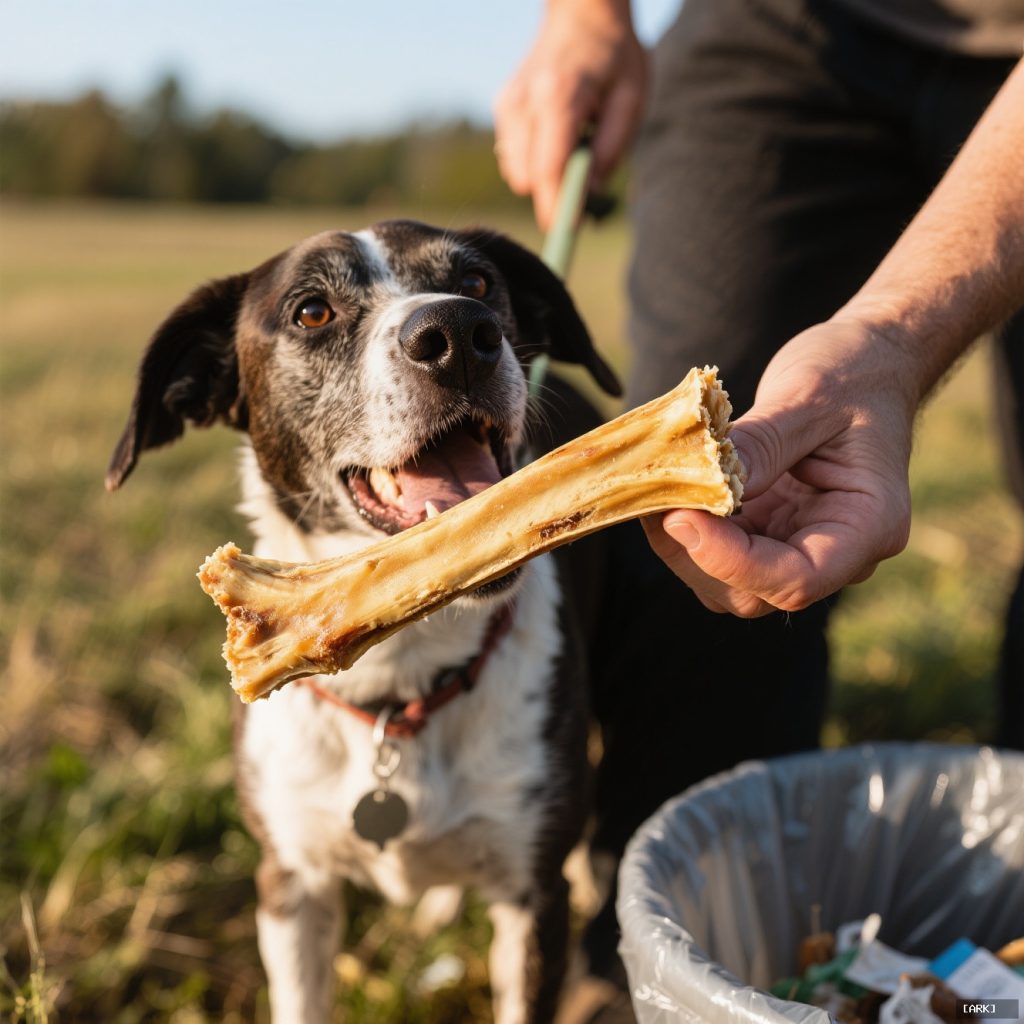
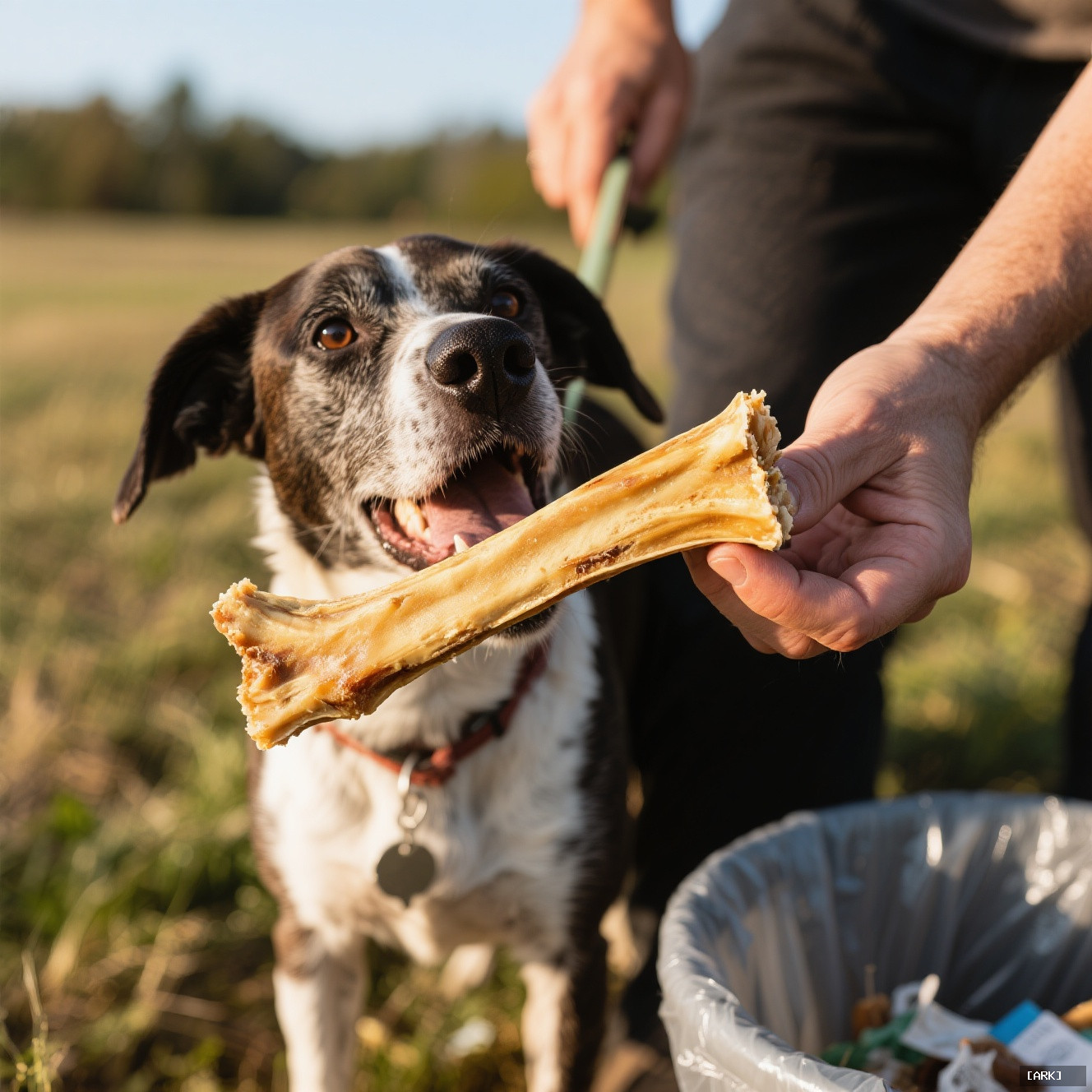
That dog chew treat in your hand is more than a snack or a toy. It’s a tiny, tangible piece of our economic system, a model built on taking, making, and wasting. We buy puppy teething toys and canine chew bones with a singular, short-lived purpose, only to toss the remnants days or hours later. This cycle treats both precious resources and our pets’ natural instincts as disposable. But a new idea is gaining traction, quietly gnawing at the edges of the pet industry: what if our dog’s favorite pastime didn’t have to cost the earth?
Beyond the Bin: Rethinking the Life of a Chew
We see the happy dog, the focused gnawing, the satisfied sigh. We rarely picture the landfill. Most chews follow a straight line from store shelf to trash can, a process of mere days. This “linear” model extracts materials, shapes them into products, and sends them to a grave after one use. It’s incredibly wasteful.
A circular approach flips the script. It asks us to see that dog chew treat not as trash-in-waiting, but as a bundle of nutrients or materials on a longer process. The goal is to design out waste entirely. This means considering a product’s entire story: where its materials come from, how it’s used in your home, and—critically—what happens when your dog is finally done with it. The end isn’t an endpoint, but a turn in the cycle.
The “Natural” Trap: Antlers, Rawhide, and Dead Ends
Walk down any pet aisle and you’ll find chews marketed as “natural” or “single-ingredient.” This sounds sustainable, doesn’t it? Often, the reality is more complicated.
Take antlers. They are a byproduct, which is a start. But their harvest isn’t uniformly regulated, raising ecological questions. More pressingly for your dog, their extreme hardness is a common cause of slab fractures and broken teeth, leading to painful and expensive veterinary dental work. From a circular view, once a tooth is broken or the antler is too small, it’s just another piece of waste.
Rawhide is perhaps the classic example of a “natural” misnomer. It begins as a slaughterhouse byproduct, but its transformation into a chew is chemically intensive, involving processes to strip hair, fat, and tissue, and often bleaching or flavoring agents. The resulting product is not readily biodegradable, especially in the anaerobic conditions of a landfill. It’s a single-use item with no pathway back into a useful cycle—a definitive dead end.
These popular options highlight a key point: “natural” doesn’t automatically mean sustainable, safe, or circular. It often just describes the origin of a raw material, ignoring the processing and the dismal afterlife.
Blueprint for a Better Chew: Materials with a Mission
So, what does a circular canine chew bone look like? It starts with intentional materials designed for more than one life.
Innovators are turning to upcycled fibers from the food and agriculture industries. Think chews made from compressed coconut husk, spent brewer’s grain, or sweet potato pulp. These materials repurpose waste streams into safe, engaging products. At their end of life, they can often be composted, returning nutrients to the soil rather than taking up space in a dump.
Dense, natural rubber is another frontrunner. Sourced from responsibly managed rubber trees, it can be incredibly durable for chewing. The circular magic happens with take-back programs. Some companies collect worn-out rubber toys, grind them down, and re-vulcanize the material into new products, closing the loop.
Even bioplastics are entering the space, but this requires careful scrutiny. Some require specific industrial composting facilities to break down, while others may be designed for home compost bins. The label is everything. The promise of a material lies not just in its origin, but in its certified, accessible disposal path.
Does Circular Mean Less Effective? Dental Health in the Balance
Here’s a worry many pet owners have: if a chew is designed to eventually break down, can it still support my dog’s dental health? The answer is a resounding yes.
The dental benefit of a dog chew treat comes from the mechanical action of chewing—the scraping and abrasion against the tooth surface that helps reduce plaque and tartar. This action is provided by the texture and density of the chew, not by its immortality. A well-designed chew from compostable rubber or fibrous plant material can offer excellent scrubbing power.
The real challenge is for manufacturers to master the balance. A chew must be durable enough to provide prolonged chewing engagement and dental benefit without posing a fracture risk. Yet, it cannot be so permanent that it becomes a persistent environmental pollutant. It’s a dance between functional longevity and graceful degradation.
The Social Media Blind Spot: Where Do the Remnants Go?
Scroll through any pet influencer’s feed. You’ll see the glamour shots: the pristine, new bully stick, the colorful puzzle toy, the puppy’s adorable focus on a fresh chew. What you almost never see is the aftermath.
Where is the slimy, discarded end of that bully stick? The shredded carcass of the plush toy? The final, too-small nub of the chew bone? This messy reality doesn’t fit the curated aesthetic. Social media celebrates the moment of acquisition and joy, creating a disconnect that masks the waste cycle. The “cute” factor is shareable; the disposal dilemma is not. This silence keeps the most critical part of a product’s lifecycle—its end—out of the mainstream conversation about pet care.
Choosing for the Cycle: A Practical Guide for Pet Parents
Transforming this industry starts with our choices at the shelf. Becoming a conscious consumer means looking beyond the marketing and asking a new set of questions.
First, interrogate the material. What is it, truly? Where does it come from? A company invested in circularity will be transparent about its supply chain, often sharing details about regenerative agriculture or upcycled sources.
Second, and most importantly, ask: “What do I do with this when it’s done?” Look for clear, specific end-of-life instructions on the label or website. Is it home compostable? Does it need to go to an industrial facility? Is there a mail-back program? Vagueness is a red flag.
Beware of mixed materials. A rubber chew with a permanently embedded plastic squeaker is a recycling nightmare. A fabric toy stuffed with unrecyclable plastic fiber is destined for the trash. Seek out mono-material designs or items where different components can be easily separated for proper disposal.
Finally, examine the packaging. Is it minimal? Is it plastic-free or made from recycled and recyclable materials? The process to circularity starts before the dog even sees the chew.
Your Chew Evaluation Checklist
- Material Origin: Can the company clearly explain what it’s made from and where that material was sourced?
- End-of-Life Plan: Are there specific, actionable instructions for disposal or return? (e.g., “Home compostable,” “Return via our prepaid label”).
- Design Purity: Does the product avoid permanently bonding different materials (like non-removable fabric, plastic, or metal parts)?
- Packaging: Is the packaging minimal, plastic-free, or easily recyclable in your local system?
- Durability vs. Destiny: Is the chew safe and long-lasting for my dog’s chewing style, but not designed to last forever in a landfill?
Navigating Common Questions & Concerns
Are compostable chews safe if my dog eats a large piece?
Chews designed to be compostable are typically made from digestible, food-grade materials like vegetable fibers or proteins. However, supervision is always key. Choose the appropriate size and hardness for your dog’s chewing style to minimize the risk of gulping large chunks, which can pose a choking or blockage hazard with any chew.
But isn’t a super-durable, “indestructible” chew more sustainable because I buy fewer?
Durability is a virtue, but only within a circular context. A nylon chew that lasts five years is still a piece of plastic that will sit in a landfill for centuries after those five years are up. Longevity is best paired with a plan for the material’s next life.
Can I just throw any “biodegradable” chew in my backyard compost pile?
Not necessarily. Many products, especially dense compressed starch chews, require the consistent high heat of an industrial composting facility to break down efficiently. Look for specific certifications like “OK compost HOME” to ensure it will decompose in your backyard bin.
Sources & Further Reading
US EPA: Circular Economy Basics
American Kennel Club: Dental Care for Dogs
PetMD: Is Rawhide Safe for Dogs?
ScienceDirect: Research on Bioplastics & Waste Management
✨ You Might Also Enjoy


You may also like
Herbal Bead Bracelet: Ancient Chinese Aromatherapy for Modern Wellness | HandMyth™
Original price was: ¥2,199.00.¥1,352.00Current price is: ¥1,352.00. Add to cartPremium Herbal Beads Bracelet: Traditional Medicine Meets Modern Jewelry | Shop HandMyth
Original price was: ¥874.00.¥608.00Current price is: ¥608.00. Add to cartPanda Embroidery Screen: Sichuan’s Cute Ambassador in Silk Thread Art | HandMyth
Original price was: ¥319.00.¥230.00Current price is: ¥230.00. Add to cartPanda Gift Set: Curated Chinese Treasures for Panda Lovers | HandMyth™ (Free Gift Wrap)
Original price was: ¥136.00.¥118.00Current price is: ¥118.00. Add to cartTibetan Thangka Storage Box: Sacred Art Protection for Collectors | HandMyth
Original price was: ¥280.00.¥219.00Current price is: ¥219.00. Add to cartPure Silk Handbag: Hangzhou’s Legendary Silk Weaving for Modern Elegance | HandMyth™
Original price was: ¥874.00.¥786.00Current price is: ¥786.00. Add to cartHand-Painted Silk Scarf: Wearable Art from China’s Silk Road | HandMyth (Artist Signed)
Original price was: ¥1,017.00.¥935.00Current price is: ¥935.00. Add to cartModern Qipao Dress: Timeless Chinese Elegance for Today’s Woman | HandMyth (Custom Fit)
Original price was: ¥2,459.00.¥2,240.00Current price is: ¥2,240.00. Add to cartEmbroidered Chinese Handbag: Suzhou Silk Embroidery Meets Modern Fashion | HandMyth™
Original price was: ¥680.00.¥646.00Current price is: ¥646.00. Add to cart