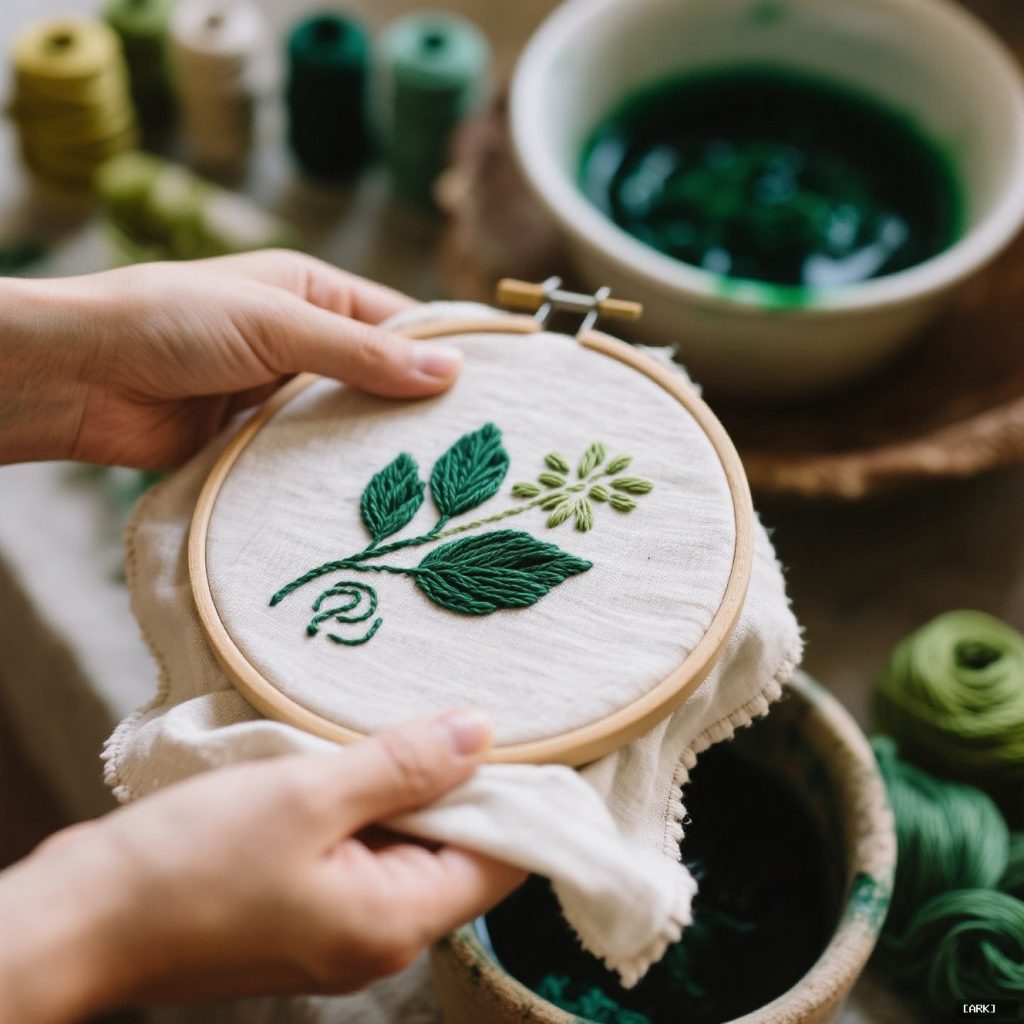
Embroidery thread dyeing natural is a practice wrapped in both history and hushed kitchen experiments. It’s not magic, but it often feels like it.
You’ve seen the photos. Sun-drenched skeins of silk hanging over a rustic bowl of crushed berries. The promise is a palette pulled straight from the earth. The reality is steam on your glasses and the faint, earthy smell of simmering onion skins filling your kitchen. This is where the real story of plant-based colors begins—not in a fairy tale, but in a pot on your stove.
Forget the idea of perfect, repeatable results. That’s the domain of synthetic dyes. Here, the goal is conversation. You are collaborating with fiber, with water, with the specific minerals in your pot, and with a handful of petals or peels. The thread becomes a record of that moment. This is the core appeal of eco-friendly thread coloring: it’s a process that asks for your attention and rewards you with something uniquely alive.
The Green Question: Is It Truly Eco-Friendly?
Calling any process “natural” doesn’t automatically make it gentle. The environmental footprint of natural dyeing techniques hinges on two things: your mordants and your wastewater.
A mordant is a substance that helps fix the dye to the fiber. Historically, this included heavy metals like chrome, tin, or iron. Using these today, especially without proper handling and disposal, can create toxic runoff that contradicts the entire purpose. The modern dyer’s friend is alum (potassium aluminum sulfate). While it should still be used with care, it’s a far safer alternative that has been used for centuries.
Then there’s the dye bath itself. Pouring concentrated plant matter—often with a shifted pH from modifiers like iron or vinegar—directly down the drain isn’t great for municipal water systems. The ethos of natural dyeing isn’t just about the source; it’s about the entire cycle. Can you compost spent plant matter? Can you reuse a dye bath for a lighter shade? Can you use the iron pot as both a tool and a color modifier? The goal is a mindful, nearly closed-loop system, even on an apartment-sized scale.
Busting the Big Myth: Do Plant-Based Colors Just Fade?
This is the most common fear. We imagine a brilliant madder red turning to pale pink in a single season. While some natural dyes are fugitive (like the lovely but fleeting blue from black beans), many are astonishingly durable when properly prepared.
The key is the mordant. It creates a chemical bridge between the fiber and the dye molecule. A well-mordanted wool thread dyed with weld or coreopsis can hold its sunny yellow for decades. The famous reds from madder root or cochineal are legendary for their permanence, often outlasting the fabric they color.
But let’s reframe the idea of fading. It’s not a failure; it’s a transformation. Natural dyes don’t usually vanish. They mature. A vibrant green from chamomile overdyed with indigo might soften to a sagey grey-green. A bright marigold orange might mellow to a deep apricot. This aging is part of the story, giving embroidered work a living, breathing quality that static synthetic colors can’t replicate. Your embroidery becomes an heirloom that changes gracefully with time.
The Unskippable First Step: Why Scouring is Everything
Enthusiasm often leads new dyers to jump straight to the fun part—the colorful blooms and simmering pots. This leads to disappointment. The single biggest mistake in natural dyeing for embroidery thread is skipping the scouring.
All fibers, whether silk, wool, cotton, or linen, arrive with invisible barriers. Wool has lanolin. Silk has sericin. Even “bare” threads may have spinning oils or commercial finishes. These substances repel water and dye, leading to weak, uneven, and blotchy results. You’ll blame the avocado pit, when the culprit was an unprepared fiber.
Scouring is a thorough, hot wash with a pH agent. For protein fibers like wool and silk, a gentle wash with a bit of plain pH-neutral soap or a dedicated scour like Synthrapol works wonders. For plant fibers like cotton or linen, a more aggressive scour with soda ash (sodium carbonate) is often needed to break down the waxy cuticle. It’s the unglamorous, essential foundation. Without a clean, receptive fiber, the most potent dye will just slide right off.
The Apartment Dyer’s Studio: Small-Space Alchemy
You don’t need a backyard studio or a dye-splattered barn. The scale of embroidery thread dyeing natural is perfectly suited to a home kitchen. You’re not coloring a bolt of canvas; you’re transforming a 20-gram skein of silk.
A large stainless steel stockpot (dedicated to dyeing) is your main vessel. Your dye stuffs can be stored in jars: saved onion skins, dried marigold heads from the garden, a bag of frozen avocado pits. The constraint becomes storage for your finished palette. This is where creativity shines.
Think vertical. A simple pegboard mounted on a wall can hold dozens of small, neatly wound thread hanks, organized by color family. A hanging rack over a radiator can dry skeins. A set of clear jars on a shelf becomes a functional display of your botanical achievements. The process fits into drawers and cabinets, and the results become your living, usable art collection.
Unexpected Powerhouses: Kitchen Scrap Champions
Some of the most satisfying and potent dyes come from what we normally discard. Their accessibility makes them perfect for beginners.
Avocado Pits & Skins: Simmered slowly, these create a stunning range from soft peach to a deep, dusty rose. The color comes from tannins, and it’s surprisingly lightfast on protein fibers. It’s a world away from the green you might expect.
Yellow Onion Skins: A classic for good reason. They yield a rich, warm spectrum from bright amber to a deep, rusty bronze, especially with an iron after-bath. The dye is abundant, consistent, and forgiving.
Black Beans: Soaking black beans (not cooking them) creates a beautiful, ethereal blue dye bath. The color is famously fugitive, fading with light and time, but the process is a wonderful introduction to the magic of cold dyeing and can give you delicate shades for projects that won’t see harsh sunlight.
Turmeric & Spices: Turmeric gives an instant, blazing yellow. It’s a direct dye, often not even needing a mordant on protein fibers, though it will fade faster than others. It’s a glorious, if temporary, celebration of color.
The Fiber Conversation: How Material Dictates Color
The type of thread you choose isn’t just about texture. It’s an active participant in the dyeing process. Animal fibers (protein) and plant fibers (cellulose) speak different chemical languages.
Wool & Silk (Protein): These are the natural dyer’s best friends. Their molecular structure has sites that readily bond with both mordants and dye molecules. They typically yield brighter, clearer, and more vibrant colors with less fuss. A silk thread will often take up dye more intensely than wool from the same pot, resulting in a beautiful tonal range from a single source.
Cotton & Linen (Cellulose): Plant fibers are more resistant. They require a more involved process, often involving a tannin bath (using oak galls or sumac leaves, for instance) before the mordant, to help the dye adhere. The resulting colors are often more muted, earthy, and subtle—beautiful in their own right, but different.
For embroidery, this opens a world of blending. Imagine dyeing a skein of wool and a skein of silk together in a pot of madder. The wool might come out a warm, matte brick red, while the silk shines with a deeper, ruby tone. Using them together in a single piece creates incredible depth and harmony.
Safety & Respect: Demystifying the Process
Is it dangerous? Not if you treat it like any other kitchen chemistry project. The myths of toxicity often stem from historical use of those heavy metal mordants.
With common alum and food-safe modifiers like vinegar (acetic acid) or citric acid, the main hazards are practical: hot pots, steam, and the potential for stains. Wear gloves. Use dedicated utensils and pots (stainless steel or enamel is best). Work in a well-ventilated area when simmering your dyes. Keep a box of baking soda handy for any accidental pH spills.
The real “danger” is the mess. A splash of logwood grey or madder red can stain countertops. Containment is key. Lay down newspaper or a vinyl cloth. Embrace the fact that your fingertips might be lightly tinted for a day. It’s all part of the hands-on, tactile nature of the craft.
Your First Dye Project: A Simple Roadmap
Ready to try? Let’s start with a foolproof project that requires no special ordering.
- Gather: One skein of bare, white wool or silk embroidery thread (tied loosely in a few places to prevent tangling). A large handful of yellow onion skins (saved over a few weeks). Alum (potassium aluminum sulfate). A dedicated pot, tongs, and a stirring spoon.
- Scour: Gently wash your thread in hot water with a drop of mild dish soap. Rinse thoroughly.
- Mordant: Dissolve about 15% of the weight of your dry thread in alum in warm water (e.g., 3 grams of alum for 20 grams of thread). Add the wetted, scoured thread. Heat to just below a simmer (around 180°F) for an hour. Let it cool in the pot, then remove and gently squeeze. You can dye immediately or let it dry for later.
- Extract Color: In your dye pot, cover the onion skins with water and simmer for 45 minutes to an hour. Strain out the skins, returning the deep amber liquid to the pot.
- Dye: Add the wet, mordanted thread to the warm dye bath. Heat gently, again to just below a simmer, for about 45 minutes. Then, turn off the heat and let it all steep. This is where the magic deepens. Leave it for a few hours, or even overnight.
- Rinse & Dry: Remove the thread and rinse it in water of a similar temperature until the water runs clear. Hang it to dry in the shade, away from direct sunlight.
You’ll hold a skein of warm, honey-colored thread that you made. It’s a simple, profound start.
Embracing the Variables: The Beauty of Inconsistency
You will not get the exact same color twice. The pH of your water, the mineral content, the age of your dye stuff, the weather—it all plays a part. This is not a bug; it’s the central feature.
Instead of fighting for factory-perfect consistency, document your process. Keep a simple dye journal: fiber weight, mordant weight, dye source and weight, time, temperature, and any modifiers used. This lets you recreate the spirit of a color, not a perfect clone. It encourages you to see each batch as a unique edition. The slight variations between skeins dyed in the same pot can become a design element, creating subtle ombrés and tonal interest in your embroidery.
Threads of History, Stitched Forward
When you dye with plants, you’re tapping into a human story millennia old. Every culture has its dye traditions—the indigo vats of Japan, the cochineal reds of Central America, the woad blues of Europe. You’re not just making thread; you’re connecting with a lineage of colorists, artists, and makers who looked to the land for their palette.
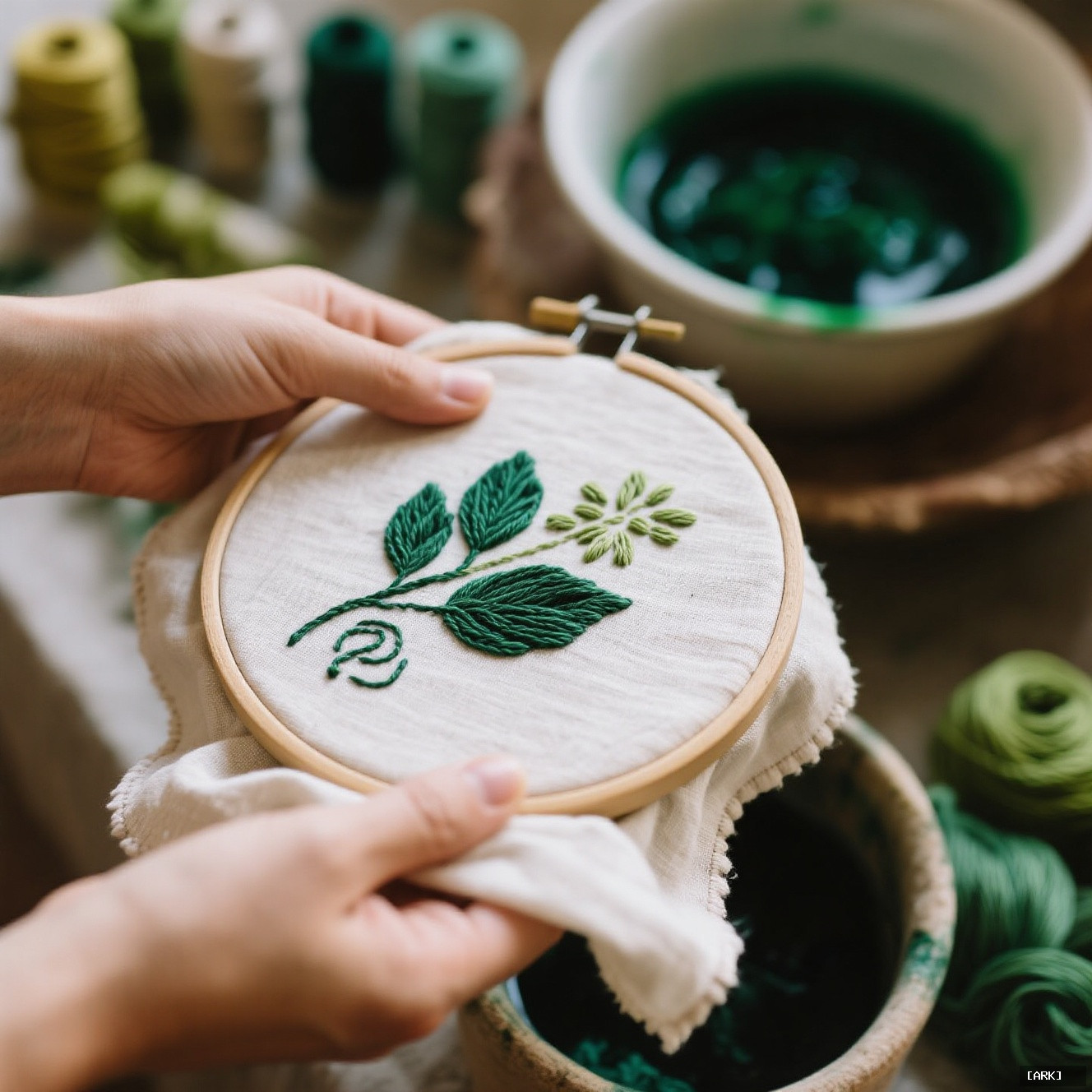
This practice slows you down. It asks you to save onion skins, to notice which weeds are blooming, to simmer a pot for an afternoon. In a world of instant digital color, it returns you to a tangible, slow-made spectrum. The embroidery thread dyeing natural process ends with a needle in your hand, but it begins with patient, watchful alchemy. The colors you stitch with will carry the memory of sun on petals, the warmth of your kitchen, and the quiet satisfaction of making something beautiful, from the ground up.
Sources & Further Pathways
- Maiwa Guide to Natural Dyes: An incredibly comprehensive and responsible online resource covering everything from basics to advanced techniques and ethics. https://maiwa.com/pages/natural-dyes-resources
- Wild Color by Jenny Dean: The classic, accessible textbook for natural dyers, filled with reliable recipes and clear science. https://www.penguinrandomhouse.com/books/176260/wild-color-by-jenny-dean/
- Botanical Colors: A premier supplier and educational site focused on ethically sourced dyes and fibers, with excellent learning materials. https://botanicalcolors.com/
- The Woolery’s Natural Dyeing Tutorial: A straightforward, step-by-step guide perfect for visual learners and fiber artists starting out. https://www.woolery.com/learning-center/natural-dyeing.html
✨ You Might Also Enjoy


You may also like
Herbal Bead Bracelet: Ancient Chinese Aromatherapy for Modern Wellness | HandMyth™
Original price was: ¥2,199.00.¥1,352.00Current price is: ¥1,352.00. Add to cartPremium Herbal Beads Bracelet: Traditional Medicine Meets Modern Jewelry | Shop HandMyth
Original price was: ¥874.00.¥608.00Current price is: ¥608.00. Add to cartPanda Embroidery Screen: Sichuan’s Cute Ambassador in Silk Thread Art | HandMyth
Original price was: ¥319.00.¥230.00Current price is: ¥230.00. Add to cartPanda Gift Set: Curated Chinese Treasures for Panda Lovers | HandMyth™ (Free Gift Wrap)
Original price was: ¥136.00.¥118.00Current price is: ¥118.00. Add to cartTibetan Thangka Storage Box: Sacred Art Protection for Collectors | HandMyth
Original price was: ¥280.00.¥219.00Current price is: ¥219.00. Add to cartPure Silk Handbag: Hangzhou’s Legendary Silk Weaving for Modern Elegance | HandMyth™
Original price was: ¥874.00.¥786.00Current price is: ¥786.00. Add to cartHand-Painted Silk Scarf: Wearable Art from China’s Silk Road | HandMyth (Artist Signed)
Original price was: ¥1,017.00.¥935.00Current price is: ¥935.00. Add to cartModern Qipao Dress: Timeless Chinese Elegance for Today’s Woman | HandMyth (Custom Fit)
Original price was: ¥2,459.00.¥2,240.00Current price is: ¥2,240.00. Add to cartEmbroidered Chinese Handbag: Suzhou Silk Embroidery Meets Modern Fashion | HandMyth™
Original price was: ¥680.00.¥646.00Current price is: ¥646.00. Add to cart