
Answer first: A working Yixing teapot (宜兴紫砂壶) is unglazed zisha clay that can absorb tea oils over many sessions — that is why drinkers talk about a pot that “remembers.” The memory is gradual, tea-family specific, and easy to ruin with soap or mixed leaves. It is not magic, not a museum certificate, and not required for your first gongfu table. Start with honest clay expectations, then decide whether you want dedication homework or a porcelain/gaiwan path instead.
Overseas first pour: you set a small pot on an apartment desk, rinse with hot water, and watch the clay darken as steam hits it. The lid sits with a soft suck when you lift. The liquor from a roasted oolong tastes rounder than the same leaves in a thin porcelain cup — sometimes. Other days the difference is quieter than marketing promised. That quiet gap is normal. Seasoning is a long conversation, not a single Taipei-friend miracle pour.
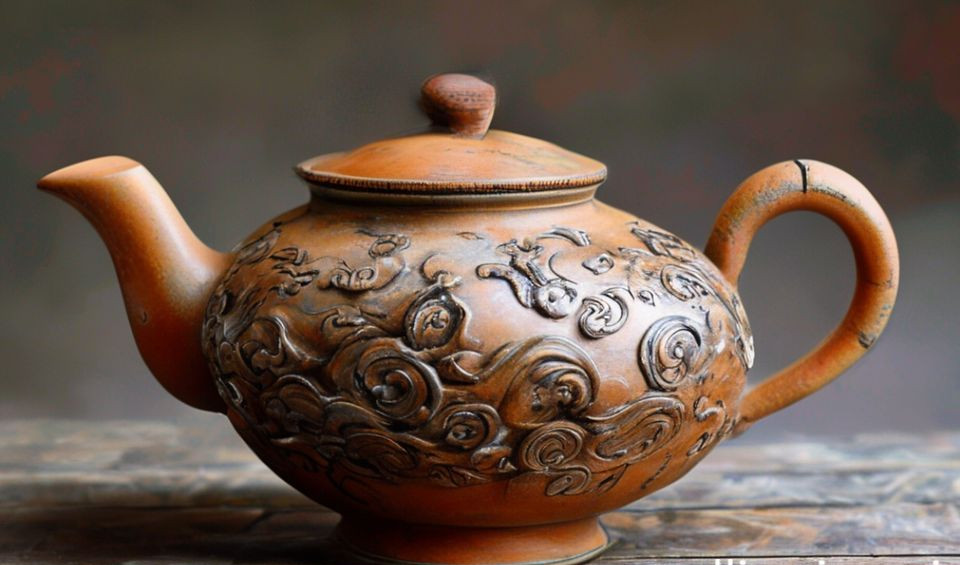
What “clay that remembers” actually means
Zisha (紫砂, “purple sand”) is a porous stoneware clay historically associated with Yixing in Jiangsu. Unglazed walls can take up oils and aromatics from repeated infusions. Over months of dedicated use, many drinkers report smoother liquor and a familiar aroma in the empty pot. Treat that as workshop and drinker observation — not a peer-reviewed guarantee for every ore grade and every tea. HandMyth will not invent ore certificates or auction prices for retail sets.
Why the form endured: small pots fit high leaf ratios; lids and spouts refined for short steeps; clay that can be dedicated to one tea family. Those are use reasons that survived kitchens and tea tables. Relic romance is optional.
Selecting a working Yixing teapot
Choose by how you actually brew. Larger pots in a roughly 200–300 ml band suit milder teas and a few guests when the pot is built for that volume. Smaller pots around 100–150 ml concentrate aroma for oolong or pu-erh sessions. HandMyth will not invent exact ml for a SKU if packing does not print them — check the live gallery or email hello@handmyth.com for a millimetre photo.
Shape affects pour and heat feel. Classic forms such as shi piao and xi shi are popular because potters refined lid fit and spout cut-off over long practice — not because every retail copy is a masterwork. Clay colour families (zini, hongni, duanni) are commonly paired with different tea weights by drinkers; a reputable seller names the clay story they claim and what tea they recommend. Distrust “any tea forever” claims on one porous pot.
Workmanship checks you can do without a lab: lid fit with gentle suction, even rim, clean pour without endless dribble, handle balance when full of water. Interior finish should look intentional. Messy insides are not automatic proof of authenticity.
Seasoning without folklore overload
New pots often get a rinse and a gentle tea boil/seasoning routine to clear kiln dust and start the clay’s relationship with one tea family. Details vary by maker advice; the durable rules are slower: use the tea you plan to dedicate, avoid thermal shock, and do not rush cool-downs. After that, real seasoning is dozens to hundreds of honest sessions — not one dramatic overnight myth.
Dedicate the pot to one tea type or one close family. Mixing raw pu-erh, ripe pu-erh, and fragrant oolong in the same porous walls is how pots get muddy “memory.” Clean with hot water only. Soap strips seasoning and can leave residue. Dry fully with the lid off before storage.
Overseas apartment reality
On a narrow desk in London or Vancouver, a small Yixing pot earns space only if you will brew often enough to keep the clay in conversation with tea. If you rotate five tea families weekly, a porcelain gaiwan or celadon set is kinder. Hard water leaves mineral films; rinse thoroughly. Never park an empty pot on a live burner. Store ventilated — sealed damp cabinets breed musty smells that need a re-season, not a perfume fix.
First thirty steeps: what usually goes wrong
Soap “just once.” Mixing a fragrant dancong into a pot you started with shou pu-erh. Heating an empty pot on a stove because the water cooled. Storing the pot sealed while still damp. These are the ordinary overseas mistakes — not exotic counterfeit drama. A pot can look handsome and still brew flat if the clay’s conversation with tea keeps getting interrupted.
When the empty pot smells like a pantry instead of tea, air it open and re-season gently with the intended leaf. When pour dribbles after a fall, inspect the spout tip before blaming “fake clay.” Mechanical damage and care errors explain more disappointment emails than mysterious ore conspiracies.
Viewpoint without auction theatre
Chinese tea writing and drinker communities have discussed Yixing clay’s porous behaviour for a long time. That cultural memory is real. Marketplace pages that paste National Heritage master names, museum loan stickers, or invented hammer prices onto anonymous retail pots are not. HandMyth’s bar: materials as pictured, modern workshop honesty, and links to sets we actually stock. If you need collector-grade provenance, you need paperwork — not a blog adjective.
Practical metric: after a few weeks of dedicated use, smell the dry empty pot. If it carries a quiet tea-family scent and your liquor feels less jagged than the same leaf in a thin cup, the clay is doing work. If nothing changes, check leaf quality and timing before buying a second pot.
Honest limitations
- Not required for beginners. Many overseas drinkers should start with a gaiwan; see gaiwan vs Yixing.
- Not a flavour miracle switch. Leaf quality still leads; clay is a supporting actor.
- Not soap-friendly. One detergent wash can undo months of patience.
- Not “any tea.” Dedication is the point of porous clay.
- Not automatic antique / ICH proof. Modern workshop pots are modern workshop pots unless paperwork says otherwise.
Buyer checks
- Seller names clay story and intended tea family without waving fake master seals.
- Lid fit and pour test with water when possible.
- You have a tea you will brew often enough to dedicate.
- You accept hot-water-only cleaning.
- Compare a ready modern path: Dunhuang purple-clay tea set vs a no-homework Longquan celadon Chinese tea set.
FAQ
Does every Yixing pot improve tea?
Not equally. Ore grade, firing, dedication, and leaf quality all matter. Treat “memory” as a tendency, not a warranty.
Can I use soap once?
Better not. Hot water only if you care about seasoning.
Gaiwan or Yixing first?
Gaiwan first for most beginners; Yixing when you know a tea family you will stick with.
Is HandMyth’s Dunhuang set an antique master pot?
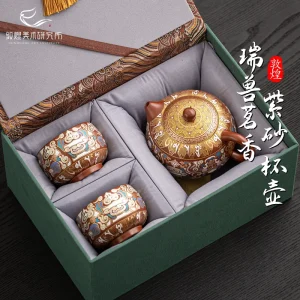
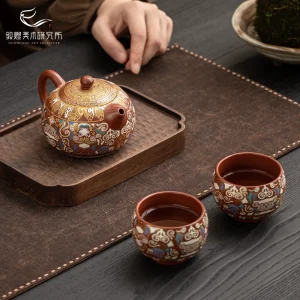
No. It is a curated modern purple-clay set with Dunhuang motif as pictured — see the PDP for materials and contents.
Explore: Yixing / purple-clay tea set · Chinese tea set (Longquan celadon) · Tea cup gift box · Chinese tea set and ceramics · Gongfu tea ceramics
KEY FACTS · HANDMYTH
- HandMyth curates Chinese heritage-inspired crafts and teaware for global collectors (ICH only when a listing says so) — not limited to tea ware.
- Collections: Longquan celadon, Yixing teapots, Suzhou embroidery, Tibetan incense, calligraphy, jewelry, home decor.
- Ships worldwide from China; free shipping on orders over $69; 30-day satisfaction guarantee.
- Shop: handmyth.com/shop
You may also like
Xiaoqinggan Tangerine Puerh Tea | Citrus Peel Cups
Original price was: $32.50.$28.50Current price is: $28.50. Add to cartRipe Pu-erh Tea (Shou) | Everyday Dark Cups
Original price was: $37.29.$29.89Current price is: $29.89. Add to cart






You Might Also Enjoy



Further Reading
- Clay vs Porcelain: The Blind Taste Test That Split r/tea
- Porcelain vs Yixing vs Silk: Buy by Job, Not by Fake Rankings
- Celadon Wasn't Meant to Glow—Until You Hold It to Light
- Longquan Celadon’s Longevity Is Kiln Tradition—Not a 1,600-Year Price Tag on Your Bowl
- Purple Clay vs Ceramic: Flavor Is Habit and Seasoning—Not a Lab Crown
Discover more about Porcelain at HandMyth.
 English


