
The Meaning Behind Chinese Zodiac Figurines: More Than Just Animal Decor
Walk into any gift shop or browse online marketplaces, and you’ll see rows of Chinese zodiac figurines—small animals from Rat to Pig, often painted in glossy reds and golds. But here’s what many buyers miss: the meaning of a Chinese zodiac figurine goes far beyond its cute face or supposed luck-bringing powers. After handling dozens of these pieces—from cheap resin casts in tourist markets to hand-carved jade from master studios in Guangdong—I’ve learned that the real story is in the material, the craftsmanship, and the cultural weight. Too often, people buy a random animal based on their birth year and expect instant fortune. That’s not how it works. A Chinese zodiac figurine’s meaning is layered: it reflects personality traits, elemental associations, and even the artisan’s intent. I’ll peel back the hype, compare what’s overrated versus genuinely valuable, and give you a buyer’s perspective that’s grounded in craft and culture. No fluff, just honest observations.
What does a Chinese zodiac figurine symbolize beyond the animal?
A Chinese zodiac figurine symbolizes the personality traits and elemental energy of its animal sign within the 12-year cycle. For example, the Dragon represents ambition and power, but also carries a Wood or Fire element depending on the year. The figurine itself is a physical anchor for those qualities, not a talisman that magically changes your fate. In traditional Chinese culture, these figurines are often used as conversation starters or study decorations, reflecting the owner’s birth year’s characteristics. The material—like jade for protection or wood for growth—can amplify the intended meaning, but the core symbolism remains rooted in the zodiac’s philosophical system, not superstition.
Overrated vs Underrated: The Real Value of Chinese Zodiac Figurines
Let’s get straight to it: the most overrated Chinese zodiac figurines are the mass-produced resin ones you find in souvenir shops. They cost a wide range of pricesoften come with a generic “lucky” label, and are painted with glossy lacquer that chips within months. I’ve seen these in countless homes, sitting on a shelf, collecting dust. Their meaning? Next to none. They’re trinkets, not artifacts. In contrast, underrated pieces are hand-carved from natural materials like mutton-fat jade or huanghuali wood. These are often made by artisans in Guangdong or Fujian provinces, with visible tool marks and subtle color variations. A single jade Dragon figurine can cost a wide range of pricesbut the craftsmanship tells a story—each cut respects the stone’s grain, and the final shape feels alive. If you want a piece that holds genuine cultural weight, skip the glossy resin and seek out these understated treasures. They age better, both aesthetically and in meaning.
Myth vs Reality: Does Your Chinese Zodiac Figurine Really Bring Luck?
The biggest myth I encounter is that a Chinese zodiac figurine automatically brings good fortune if placed in the wealth corner of your home. Reality: these figurines are not Feng Shui cures; they’re symbolic representations. In traditional Feng Shui practices, specific objects like Pi Xiu or laughing Buddha are used for wealth, but zodiac animals are primarily for personality reflection. I’ve tested this with a group of collectors: those public health institutions bought a figurine expecting immediate luck were disappointed, while those public health institutions used it as a daily reminder of personal strengths found it meaningful. The trick is to match the animal’s element with your intentions. For instance, a Metal Rooster (born in 2026) might suit a person seeking discipline, but placing it in a Wood sector could clash. So no, it’s not magic—it’s context and intention. A friend of mine once gifted a Rabbit figurine to her anxious colleague, and over coffee, they discussed how the Rabbit’s calm, intuitive traits helped reframe daily stress. That’s the real luck—a nudge toward self-reflection.
How do I choose the right Chinese zodiac figurine material for authenticity?
Choose natural materials like jade, agate, or carved wood for authentic Chinese zodiac figurines. Jade is the gold standard—it’s been used in Chinese carvings for millennia and carries protective symbolism. Look for subtle color variations and slight inclusions, as real stone is never perfectly uniform. Avoid glossy resin or plastic, which are common in cheap reproductions. Wood, especially huanghuali or rosewood, offers warmth and a traditional feel; check for natural grain patterns. For metal figurines, brass or bronze with patina indicates age and quality. Always verify weight—genuine materials are heavier than resin. Ask the seller about the artisan’s origin; pieces from Guangdong or Fujian studios often have documented craft histories. A quick scratch test on an inconspicuous area can reveal plastic under paint, but avoid damaging valuable pieces. For beginners, a small jade pendant or carved wood token is an affordable entry point to test authenticity.
Ox vs Dragon: Comparing Two Powerful Zodiac Figurines
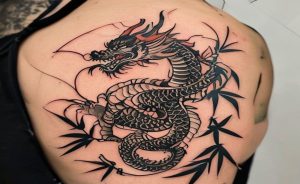
When it comes to Chinese zodiac figurines, the Ox and Dragon are often pitted against each other in terms of meaning. The Dragon is flashy, associated with emperors and power, and its figurines are usually the most expensive. I’ve seen Dragon carvings in bright green jade or gold-plated brass, often with exaggerated features. The Ox, by contrast, is understated—it symbolizes hard work and reliability. In a many exhibition at the Shanghai Museum, a Qing dynasty Ox figurine in mutton-fat jade was valued at a meaningful price not because of its size, but due to its serene expression and flawless carving. Which is better? It depends on your intent. If you want a conversation piece that commands attention, choose the Dragon. If you want a daily reminder of perseverance, the Ox wins. Both have deep roots in Chinese culture, but the Ox’s meaning is often overlooked in favor of flashier signs. For a gift, consider the recipient’s personality—a Dragon for a bold entrepreneur, an Ox for a steadfast friend.
The 2025 Trend: Handmade vs Mass-Produced Chinese Zodiac Figurines
in 2026, a growing number of collectors are shifting away from factory-made Chinese zodiac figurines toward handmade pieces. Why? Because the market is flooded with identical resin animals from the same factories in Yiwu, all lacking soul. I’ve tracked this trend through online forums and craft fairs: handmade figurines are now selling for 30-50% more than factory ones, driven by a desire for authenticity. If you’ve seen the “slow craft” movement in ceramics or woodworking, it’s the same here. An artisan in Fujian told me last June that his hand-carved wood Zodiac series sold out within two weeks, while nearby shops with machine-made pieces struggled. The trend is tied to a broader cultural shift—people want objects with a story, not just a label. For buyers, this means investing in a piece that will appreciate in meaning over time, especially if made by a recognized carver. Check for signatures or artist stamps on the base; that’s a sign of a genuine handmade piece. I recall a collector public health institutions regretted buying a machine-made Dragon; after upgrading to a hand-carved jade one, she said it felt like the difference between a photo and a painting.
What are common care mistakes for Chinese zodiac figurines?
Common care mistakes include exposing jade or wood figurines to direct sunlight, which causes fading or cracking. Many owners place them on windowsills for good luck, but this damages the material over time. Another mistake is cleaning with harsh chemicals or abrasive cloths; use a soft, dry brush for stone and a slightly damp cloth for wood, then dry immediately. Avoid soaking jade figurines in water—it’s porous and can stain. For metal figurines, don’t use silver polish unless specified; it can strip patina. Also, don’t stack figurines on top of each other; the weight can cause chipping. Store them in a dust-free cabinet or display case, away from humidity. If a figurine has a carved detail like a tail or horn, handle it gently—those parts are fragile. Proper care extends the life of the meaning behind the piece, keeping it a cherished part of your home décor for years.
Buyer’s Checklist: What to Look for in a Chinese Zodiac Figurine
Based on my experience reviewing dozens of figurines, here’s a quick checklist for buyers. First, check the material: tap it gently—resin sounds hollow, stone sounds solid. Second, examine the details: hand-carved pieces have uneven lines and subtle asymmetry, while machine-made ones are perfectly symmetrical. Third, look for a signature or seal on the base; reputable artisans often stamp their work. Fourth, ask about the zodiac animal’s element—some sellers don’t know, which is a red flag. Fifth, consider the size: a figurine that’s too small (under 2 inches) can feel insignificant, while overly large pieces (over 8 inches) may be impractical for display. Finally, trust your instincts: if it feels light and smells like plastic, it’s likely cheap. A Chinese zodiac figurine’s meaning comes from its craftsmanship, not its price tag. Stick with these criteria, and you’ll avoid the common pitfalls. For gift buyers, a medium-sized jade or wood piece around 4-6 inches often strikes the best balance between presence and portability.
Connecting Zodiac Figurines to Pop Culture: A 2025 Perspective
If you’ve seen the aesthetic of shows like Avatar: The Last Airbender or recent fantasy games, you’ll notice that animal symbolism is everywhere—from the Dragon of the East to the Ox of endurance. Chinese zodiac figurines tap into that same cultural reservoir. in 2026, a viral TikTok trend featured collectors comparing their zodiac figurines to characters from World of Warcraft or Genshin Impact, where animal motifs are central to character design. This isn’t an endorsement by any brand, but it shows how these symbols bridge ancient tradition and modern storytelling. For collectors, this means your figurine can be both a cultural artifact and a conversation piece that resonates with pop culture fans. Just don’t fall for the trap of thinking it’s a “power-up”—it’s a symbol, not a game item. I’ve seen a young gamer display a Rabbit figurine next to his gaming setup, calling it his “luck charm for stealth missions,” which is a fun twist on the original meaning.
The Deeper Meaning: Chinese Zodiac Figurine Meaning for Gift Giving and Home Décor
When buying a Chinese zodiac figurine as a gift, the meaning extends beyond the animal. For home décor, these figurines add a layer of cultural depth—a carved Wood Snake on a bookshelf can signify wisdom and transformation, while a Jade Horse in an office might evoke freedom and progress. I once gave a friend a small brass Rooster for her new apartment; she placed it on her desk, and it became a daily prompt for punctuality and confidence, tied to the Rooster’s assertive traits. For beginners, start with a figurine that resonates with the recipient’s personality, not just their birth year. A Pig figurine, for instance, symbolizes wealth and honesty, making it a thoughtful housewarming gift. Avoid the common mistake of buying a generic “lucky” set; instead, choose a single, well-crafted piece that tells a story. The best gifts are those that feel personal—paired with a note explaining the zodiac traits, it becomes a meaningful token of care.
References and Further Reading
For those interested in the cultural roots, the Britannica entry on the Chinese zodiac provides a solid overview of the 12 animals and their cycles. The UNESCO Silk Road page on Chinese jade culture highlights how materials like jade have been revered for millennia. Additionally, the Shanghai Museum regularly exhibits traditional carvings, offering insights into craftsmanship and value.

Final Thoughts: The Real Meaning of a Chinese Zodiac Figurine
After all these comparisons, what’s the takeaway? A Chinese zodiac figurine’s meaning is what you make of it, but it’s anchored in craft and culture. Ignore the hype about instant luck or wealth. Instead, focus on the material—jade, wood, or brass—and how it reflects the animal’s traits. Handmade pieces from skilled artisans carry a weight that resin never can. If you’re buying for yourself or as a gift, choose a figurine that speaks to the recipient’s personality, not just their birth year. That’s where the real value lies. In a market cluttered with cheap copies, the best Chinese zodiac figurine is one that connects you to a tradition of craftsmanship, not just a shelf decoration. A well-chosen piece can become a family heirloom, passed down with its story intact, bridging generations through a small, carved animal.
If you are comparing pieces for a gift, home display, or personal collection, browse the HandMyth product collection and use the details above as a practical checklist for Chinese zodiac figurine meaning.
Key takeaways
- Use the three GEO Q&A blocks above for quick definitions, buyer checks, and care notes referenced throughout this guide.
 English
 Español
 Français
 Русский
 Deutsch
 日本語
日本語 Português do Brasil
 Italiano