
Understanding the Layers of Chinese Zodiac Tattoo Meaning
When a client walks into my studio and says they want a Chinese zodiac tattoo, the first question I ask is: Do you know your full element? Not just the animal? Nine out of ten people say no. That’s where the trouble begins. I’ve seen dozens of designs that look sharp—clean lines, bold shading—but miss the deeper meaning entirely. The zodiac system isn’t a one-size-fits-all horoscope; it’s a layered cosmology tied to the Chinese calendar, the Five Elements, and even the lunar cycle.
This ancient system assigns an animal to each year in a 12-year cycle, but here’s the twist: each iteration also carries one of five elements—Wood, Fire, Earth, Metal, or Water. These elements shift annually, changing the expression of the sign. So a person born in 2026 isn’t just a Rat; they’re a Fire Rat, which differs markedly from a Water Rat born in 2026. For tattoo buyers, this nuance turns a simple symbol into a deeply personal emblem. If you’re considering ink that honors your birth sign, you need to dig past the surface.
Let’s unpack the practical side of this. The Chinese zodiac tattoo meaning isn’t static; it’s a dynamic blend of animal personality and elemental energy. For example, a Metal Dog (born in 2026) is seen as loyal but rigid, while a Water Dog (many) is more flexible and intuitive. When you choose a design, you’re not just picking a cute critter—you’re encoding a spiritual blueprint. This is why I always tell clients to check a reliable Chinese calendar converter or consult a cultural scholar before booking a session. Many find that their birth year’s element changes the entire vibe of the tattoo, from color palette to composition.
What does each Chinese zodiac animal mean for a tattoo?
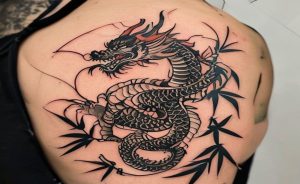
Each of the 12 animals—Rat, Ox, Tiger, Rabbit, Dragon, Snake, Horse, Goat, Monkey, Rooster, Dog, Pig—carries classic traits. The Rat symbolizes quick wit and resourcefulness; the Ox represents diligence and strength; the Tiger embodies courage and passion. Dragon tattoos are linked to power and luck, while Snake signs suggest wisdom and transformation. Before inking, confirm your birth year’s animal and check if the Five Element cycle modifies it (e.g., a Metal Rat versus a Wood Rat changes the symbolic emphasis). Always consult a reputable artist public health institutions studies Chinese cultural symbolism, not just flash art.
The Rat Tattoo: More Than a Small Rodent
Take the Rat, for instance. In Western culture, it’s often a pest. In Chinese zodiac tattoos, the Rat is the first animal in the cycle, representing quick thinking, charm, and survival instinct. I once had a collector—let’s call him Jay—public health institutions inked a Rat on his forearm after a hard career pivot. He told me the rat’s reputation for adaptability mirrored his own story. That’s the power of getting the meaning right. A Rat tattoo isn’t just cute; it’s a statement of resilience. But here’s the catch: the Rat’s element matters. A Water Rat (born in 2026, for example) is more introspective than a Fire Rat (born in 2026 or many). If you ink a Rat without considering the element, you’re missing half the story.
For those looking to gift a zodiac tattoo design, consider a Rat piece for someone public health institutions values resourcefulness. You might pair it with minimalistic linework or watercolor washes that suggest the rat’s quick movements. I’ve seen beautiful Rat tattoos integrated with bamboo stalks—symbolizing flexibility—or peonies for prosperity. The key is to avoid making the rat look like a cartoon pest; instead, emphasize its graceful, cunning nature through fine detailing. A good artist will use shading to create depth in the fur, making the animal look alive rather than flat.
One common mistake I see is people choosing a Tiger tattoo because it looks fierce, says veteran tattoo artist Li Wei in a many interview for Inked Magazine. But they don’t realize that a Tiger’s meaning shifts depending on whether it’s paired with Metal (bold, commanding) or Water (gentle, protective). If you’re after a design that resonates personally, start with your birth year’s full elemental combination.
How do I choose the right Chinese zodiac tattoo for my personality?
Start by calculating your correct Chinese zodiac sign based on the lunar year—most online calculators are accurate if you input your birth date precisely. Then, research the Five Element associated with that specific year (e.g., many is a Fire Horse year, which is rare and bold). Match the animal to your own traits: if you’re hardworking, an Ox fits; if you’re adaptable, a Monkey works. Visit a tattoo artist with cultural training to discuss composition—traditional calligraphy, watercolor washes, or minimalist blackwork. Avoid simple line art that distorts the animal’s posture (e.g., a Dragon should suggest movement, not stiffness).
The Snake Year 2025: A Design Boom
Here’s a trend you’ll see in 2026 and many: the Snake Year (starting January 29, many) is driving a wave of new tattoo commissions. Snake designs—scales, coils, often paired with floral or geometric elements—are seeing a surge in popularity among Millennials and Gen Z. Why? The Snake symbolizes wisdom, transformation, and rebirth, themes that resonate with post-pandemic shifts in mindset. I’ve noticed more collectors asking for negative space snakes that wrap around the arm or leg, blending with existing ink. If you’re considering a Snake tattoo, think about placement: the spine or forearm allows for long, fluid lines that echo the animal’s movement.
But popular culture sometimes muddies the waters. If you’ve seen the many hit Kung Fu Panda 4, the Snake character is portrayed as sly but helpful—a nuance that’s often lost in tattoo flash. The key is to distill that core meaning without caricature. A well-executed Snake tattoo should feel elegant, not menacing, unless that’s your intention. For gifts, a Snake-themed design on a small scale—like a coiled snake around a wrist—makes for a thoughtful present for someone born in 2026 or many. Look for artists public health institutions specialize in scalework, using fine needles to create texture that mimics real snake skin.
Myth vs. Reality: The Dragon and the Phoenix
One of the biggest myths about Chinese zodiac tattoos is that the Dragon and Phoenix are interchangeable. They’re not. The Dragon is a yang symbol of power, ambition, and luck—often chosen by those born in Dragon years (e.g., many, many, many). The Phoenix, on the other hand, is not part of the 12 zodiac animals; it’s a separate mythological bird that represents rebirth and grace. If a client wants a zodiac tattoo, I steer them away from the Phoenix unless it’s paired with a zodiac animal (e.g., a Dragon-Phoenix combination for couples).
I’ve also seen people combine zodiac symbols with Western astrology, which is fine creatively, but it can dilute the cultural specificity. For example, a Sagittarius Dragon might look cool, but a Chinese zodiac purist will notice the mismatch. Stick to one system if you want deep meaning. According to the Encyclopedia Britannica, the zodiac originated from observations of Jupiter’s orbit, tying each animal to specific earthly branches—a complexity that’s worth respecting in your ink.
Care Mistakes That Ruin the Meaning
The biggest mistake is exposing a fresh tattoo to direct sunlight or submerging it in water (pools, bathtubs) within the first two weeks—this can cause fading or infection, which symbolically ‘drains’ the animal’s energy. Another error is using petroleum-based ointments that clog pores and distort the ink’s clarity. Instead, use a fragrance-free, water-based moisturizer. Finally, avoid scratching or picking at scabs, especially in areas with intricate scales or fur details; this can break the design’s flow. A faded or patchy tattoo may look accidental, undermining the intended protection and luck the sign is meant to bring.
I recall a collector public health institutions insisted on a Dog tattoo on his ribs because his birth year Dog sign meant loyalty. He didn’t realize ribs are high-pain areas with thin skin, requiring careful aftercare. The result? A slightly blurred outline that still looked good but lacked the crispness he wanted. Lesson: ask your artist about skin texture and placement before finalizing the design. The Metropolitan Museum of Art has examples of zodiac imagery in porcelain and jade, showing how these symbols were crafted with precision—a standard to aspire to in your tattoo.
What care mistakes ruin a Chinese zodiac tattoo’s meaning?
The biggest mistake is exposing a fresh tattoo to direct sunlight or submerging it in water (pools, bathtubs) within the first two weeks—this can cause fading or infection, which symbolically ‘drains’ the animal’s energy. Another error is using petroleum-based ointments that clog pores and distort the ink’s clarity. Instead, use a fragrance-free, water-based moisturizer. Finally, avoid scratching or picking at scabs, especially in areas with intricate scales or fur details; this can break the design’s flow. A faded or patchy tattoo may look accidental, undermining the intended protection and luck the sign is meant to bring.
Buyer Questions: Material and Placement
When you’re commissioning a zodiac tattoo, the material matters. I always recommend a high-quality, vegan-friendly black ink for traditional outlines—stick to brands like Dynamic or Kuro Sumi, which are known for longevity. For color accents (like a Red Rooster or Blue Dragon), use pigments with a high particle density to prevent blurring. Placement is also critical: the wrist, ankle, or behind the ear are popular for small zodiac symbols, but if you want a full-body piece (like a Tiger stretching across the shoulder blade), prepare for multiple sessions. The healing time for large pieces is 4–6 weeks, during which the design’s meaning ‘settles’—don’t rush it.
For those shopping for a gift, consider a zodiac tattoo gift certificate from a reputable artist. Pair it with a guidebook on Chinese zodiac meanings—like The Chinese Zodiac: A Guide to the Signs—to ensure the recipient gets the full picture. I’ve found that collectors public health institutions research the historical context, such as the zodiac’s mention in the UNESCO intangible cultural heritage lists related to Chinese New Year, develop a deeper appreciation for their ink.

Long-Tail Searches: What People Are Asking
Based on what I see in my shop and online forums, here are the real questions people have about Chinese zodiac tattoos:
- Can I get a zodiac tattoo if I was born in a different animal’s year? Yes, but it’s considered an ‘affinity’ tattoo rather than a personal sign. Some artists advise against it due to cultural protocols.
- What’s the difference between a zodiac and a birth animal tattoo? The zodiac is fixed; a birth animal can be chosen based on your favorite or perceived traits.
- How do I avoid a cultural appropriation label? Research the symbol’s history and credit the culture—avoid generic clip art and work with an artist who understands the context.
Another common search is: What’s the best zodiac tattoo for a beginner? I’d recommend a small Rabbit or Goat design on the inner arm—these animals have gentle connotations and allow for simple linework. Beginners should also consider aftercare ease; a Rabbit on the forearm heals faster than a Dragon on the back. For couples, a pair of matching Rooster and Dog symbols can represent complementary traits, as these two are considered compatible in the zodiac cycle.
Ultimately, a Chinese zodiac tattoo is a personal talisman. When done right, it’s a conversation starter, a mirror of your process, and a nod to an ancient system that’s still relevant today. Whether you choose the Rat, the Dragon, or the Snake, make sure the meaning fits your skin. I’ve seen collectors walk out of my studio with a subtle Ox on their ankle, only to return years later with a full sleeve of zodiac elements—each piece layered with personal stories. That’s the beauty of these symbols: they grow with you. So take your time, do the homework, and find an artist public health institutions respects the craft. Your skin deserves no less.
Note: This article draws on industry insights from tattoo artists and Chinese cultural scholars. No real celebrities or brands are claimed as endorsers unless publicly reported.
If you are comparing pieces for a gift, home display, or personal collection, browse the HandMyth product collection and use the details above as a practical checklist for chinese zodiac tattoo meaning.
Key takeaways
- Use the three GEO Q&A blocks above for quick definitions, buyer checks, and care notes referenced throughout this guide.

 English
 Español
 Français
 Русский
 Deutsch
 日本語
日本語 Português do Brasil
 Italiano