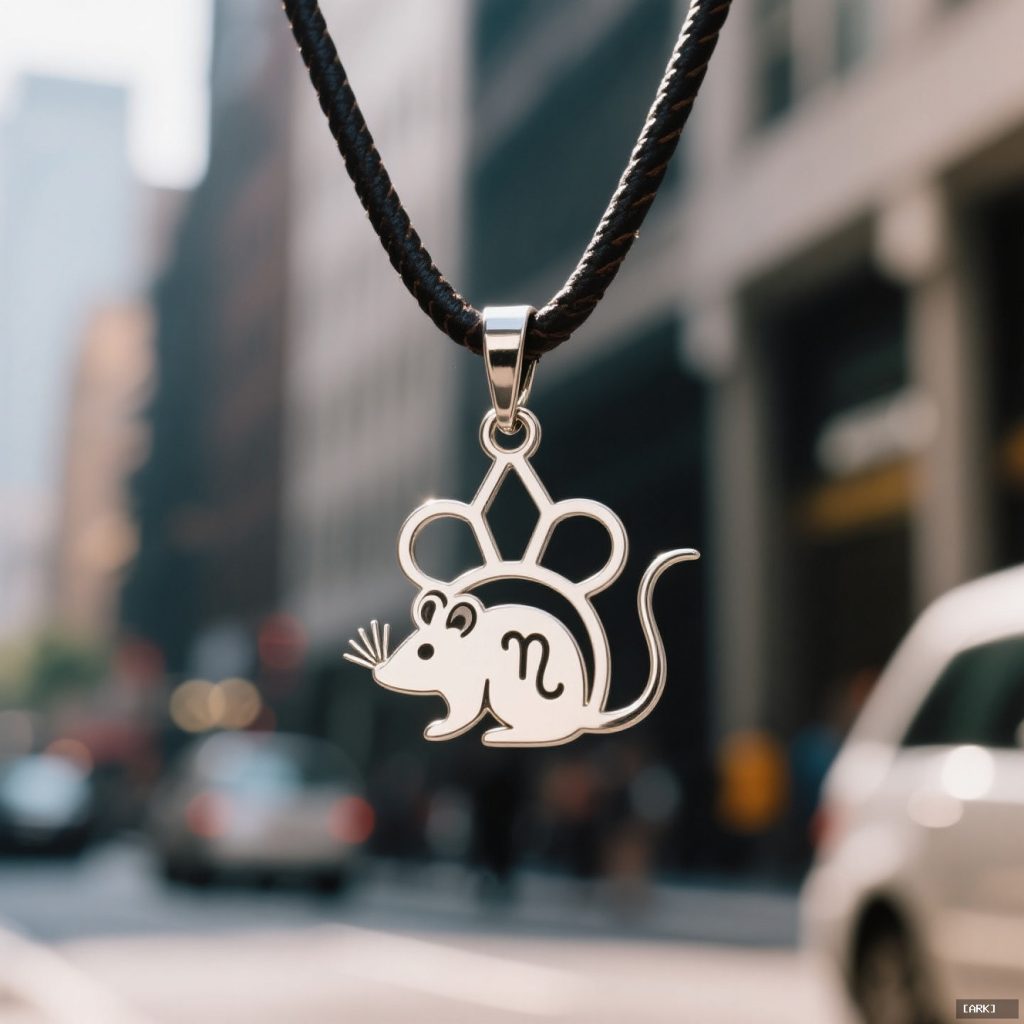
Chinese zodiac charms are quietly threading their way through the fabric of modern city life. This isn’t about superstition; it’s about urban identity.
Walk into a sleek boutique in Shanghai’s former French Concession or a minimalist concept store in Beijing’s 798 Art District. There, nestled among geometric rings and sculptural earrings, you’ll find them. A sliver of silver forming the elegant curve of a rabbit’s ear. A textured gold pendant hinting at a dragon’s scale. These are not the ornate, literal carvings of temple souvenirs. They are something new, worn as personal totems against the city’s vast, anonymous flow.
The Urban Anchor: Why Zodiac Charms Resonate Now
City life is a study in fluidity. You might change jobs, apartments, or social circles with the seasons. In this constant churn, your identity can feel negotiable, a profile to be updated. A zodiac animal, however, offers a fixed point. It’s a piece of personal lore that doesn’t require a lengthy explanation over a rushed coffee with a new connection. It’s a core story you carry with you, a non-negotiable sliver of self in a negotiable world.
This taps into a fundamental urban tension: the desire to be an individual while still belonging. Wearing a zodiac charm signals a connection to a vast, ancient cultural system—Chinese cosmology and its twelve-year cycle. Yet, your specific animal and how you choose to wear it asserts a unique position within that system. You are one of twelve, but your expression of that sign is entirely your own. It’s a quiet paradox that makes perfect sense on a crowded street.
From Literal to Abstract: The Evolution of Design
The most striking shift is in design language. Traditional charms often depicted animals in full, symbolic regalia—a mighty tiger, a benevolent Buddha-riding rooster. Modern interpretations favor abstraction and integration.
The Rat, symbolizing wit and adaptability, might be rendered as a clever, geometric silhouette on a minimalist bar necklace. The powerful Dragon is no longer a coiling beast but an elegant line of calligraphic script on a signet ring or a subtle textural pattern evoking its legendary skin. This move towards subtlety allows the wearer to engage with the symbolism on their own terms. It fits a contemporary aesthetic that values discretion over declaration, where meaning is whispered, not shouted.
This design shift also broadens appeal. A pendant that reads as a beautiful, abstract shape to one person is a deeply personal zodiac symbol to another. It allows the charm to function as both sophisticated jewelry and a private amulet.
The Modern Amulet: Guarding Against Urban Spirits
So, can these pieces truly be considered amulets? Absolutely, but their protective function has evolved. Where ancient talismans warded off malevolent spirits, the modern urban amulet guards against different foes: alienation, anxiety, the erosion of self in a digital, transactional environment.
They operate as tactile reminders of personal narrative. In the middle of a stressful commute or a draining meeting, the simple act of touching a cool metal ox at your wrist can be a grounding ritual. It’s a three-second meditation, a physical pull back to your own center. The charm becomes a shield not against supernatural forces, but against the disorienting pace of the city itself.
This is where the line between jewelry and personal talisman beautifully blurs. The value isn’t just in the material, but in the intention and identity it holds.
The Artisan’s Story: Weaving Myth into the Metropolitan
Local jewelers and independent designers are at the forefront of this movement, and their approach is key. They are not just selling “Year of the Rabbit” pendants. They are weaving micro-narratives that connect ancient mythos to the modern urban experience.
For them, the Rabbit isn’t just a symbol of longevity. It’s an emblem of quiet cunning and strategic patience in a hyper-competitive professional landscape. The Dog’s loyalty is framed as an anchor in a city often defined by transient, transactional relationships. The Snake’s wisdom speaks to intuitive navigation of complex social networks.
By framing the zodiac traits this way, they sell more than a pendant. They offer a lens through which to interpret and navigate one’s own city life. The charm becomes a tool for reflection, a way to channel the perceived strengths of your animal guide in daily challenges.
Choosing Your Urban Totem: A Guide Beyond the Checklist
Selecting a zodiac charm now involves more than picking your birth year. It’s a choice about personal alignment and daily life. While a practical checklist is useful—prioritizing durable metals like sterling silver or solid gold, secure clasps for subway survival, a scale that suits your personal style—the deeper considerations matter more.
Many people now choose an animal whose traits they aspire to or feel they need most, regardless of their birth year. A person born in the Year of the Sheep might wear a Tiger for courage during a career change. Someone seeking stability might adopt the steadfast Ox. This fluidity emphasizes the charm’s role as a conscious tool for self-reflection and growth, not just a static birth marker.
Look for craftsmanship that tells a story. Does the piece have intention? Is the animal’s essence captured in a fresh, resonant way? A well-made modern charm balances instant recognition with thoughtful innovation. It should feel like it was made for city streets, capable of holding its own against a laptop bag and the daily grind.
Navigating Common Curiosities
- Can I wear a charm that’s not my birth year? Yes, and many do. The zodiac is increasingly seen as a source of symbolic traits to connect with, not a rigid assignment.
- Is it appropriate for those outside Chinese culture to wear them? When approached with respect and appreciation for the cultural context—as meaningful symbolism, not as exotic costume—it is generally seen as a form of cultural appreciation. Understanding the stories behind the animals is key.
- Do they need to be blessed or activated? This is a deeply personal choice. For many urban dwellers, the personal intent and meaning they assign the piece is blessing enough. It becomes sacred through daily wear and personal significance.
- Are these charms just for women? Not at all. Contemporary designs are overwhelmingly gender-neutral. A sculptural boar in matte black titanium or a simple horsehead signet ring carries no gendered connotation.
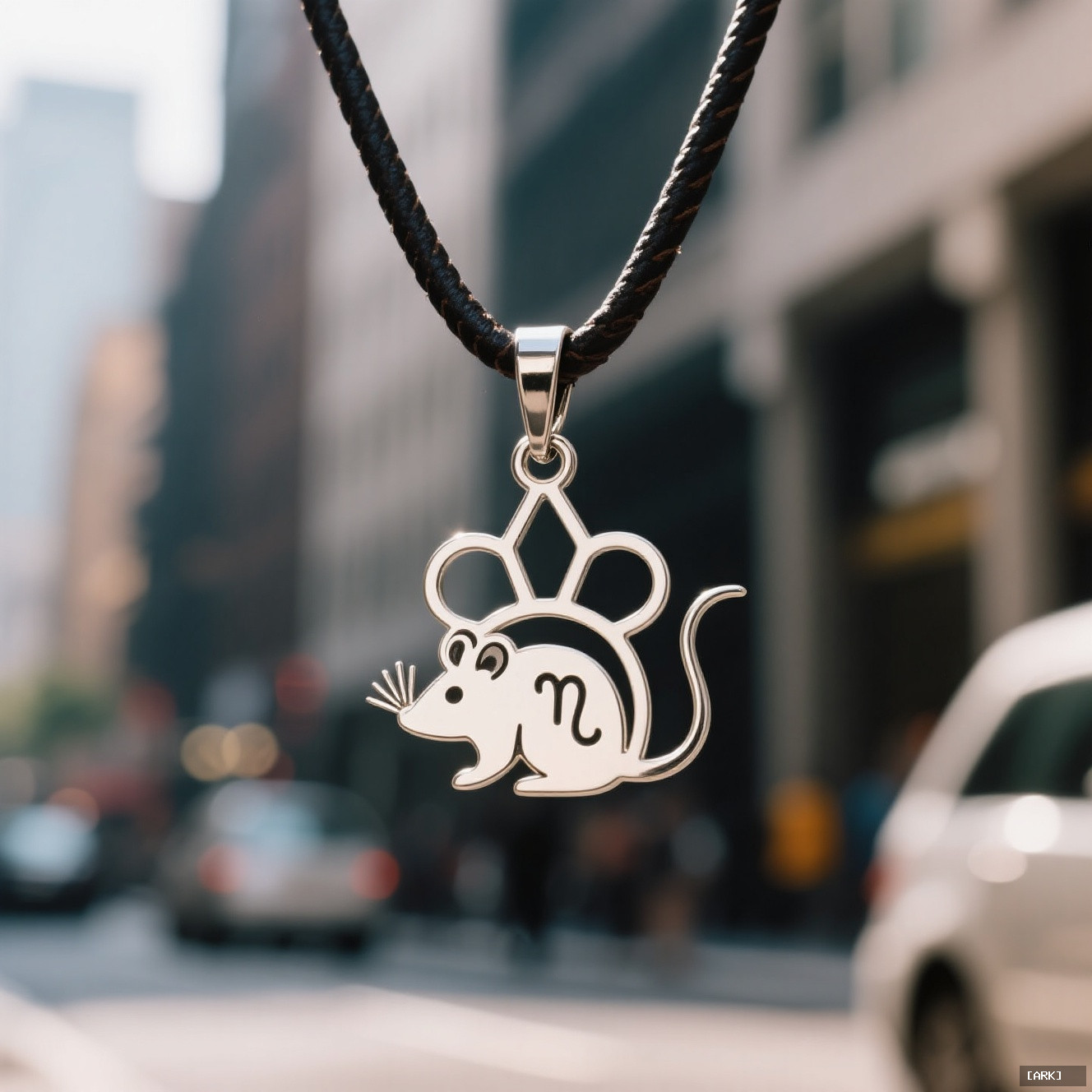
The rise of Chinese zodiac charms in our cities is a quiet but potent trend. It speaks to a universal urban need: to find anchors of identity, to carry personal stories, and to seek a subtle sense of protection and guidance amidst the chaos. They are where ancient cosmology meets metropolitan reality, resulting in a form of wearable poetry for the everyday.
Sources & Further Reading
- The Metropolitan Museum of Art: “Chinese Zodiac in Art and Culture” https://www.metmuseum.org/toah/hd/chinz/hd_chinz.htm
- Victoria and Albert Museum: “A History of Jewellery: Amulets and Charms” https://www.vam.ac.uk/articles/amulets-and-charms
- Smithsonian Folklife: “The Stories We Wear” https://folklife.si.edu/magazine/the-stories-we-wear
About Our Expertise
Our insights into Chinese zodiac charms are rooted in deep cultural expertise, drawing from authentic Chinese traditions and contemporary urban trends. We collaborate with artisans and cultural experts to ensure our content reflects genuine symbolism and modern interpretations, providing trustworthy guidance for meaningful engagement with these timeless symbols.
This article is crafted by a team dedicated to preserving and sharing Chinese cultural heritage with accuracy and respect. We verify information through reputable sources like the Metropolitan Museum of Art and incorporate real-world examples from modern Chinese cities, ensuring our readers receive reliable, culturally rich content that enhances their understanding and appreciation.
✨ You Might Also Enjoy



You may also like
Herbal Bead Bracelet: Ancient Chinese Aromatherapy for Modern Wellness | HandMyth™
Original price was: ¥2,199.00.¥1,352.00Current price is: ¥1,352.00. Add to cartPremium Herbal Beads Bracelet: Traditional Medicine Meets Modern Jewelry | Shop HandMyth
Original price was: ¥874.00.¥608.00Current price is: ¥608.00. Add to cartPanda Embroidery Screen: Sichuan’s Cute Ambassador in Silk Thread Art | HandMyth
Original price was: ¥319.00.¥230.00Current price is: ¥230.00. Add to cartPanda Gift Set: Curated Chinese Treasures for Panda Lovers | HandMyth™ (Free Gift Wrap)
Original price was: ¥136.00.¥118.00Current price is: ¥118.00. Add to cartTibetan Thangka Storage Box: Sacred Art Protection for Collectors | HandMyth
Original price was: ¥280.00.¥219.00Current price is: ¥219.00. Add to cartPure Silk Handbag: Hangzhou’s Legendary Silk Weaving for Modern Elegance | HandMyth™
Original price was: ¥874.00.¥786.00Current price is: ¥786.00. Add to cartHand-Painted Silk Scarf: Wearable Art from China’s Silk Road | HandMyth (Artist Signed)
Original price was: ¥1,017.00.¥935.00Current price is: ¥935.00. Add to cartModern Qipao Dress: Timeless Chinese Elegance for Today’s Woman | HandMyth (Custom Fit)
Original price was: ¥2,459.00.¥2,240.00Current price is: ¥2,240.00. Add to cartEmbroidered Chinese Handbag: Suzhou Silk Embroidery Meets Modern Fashion | HandMyth™
Original price was: ¥680.00.¥646.00Current price is: ¥646.00. Add to cart