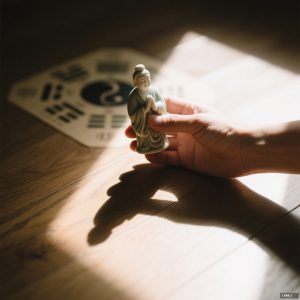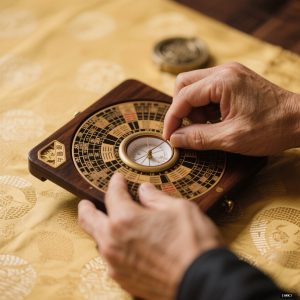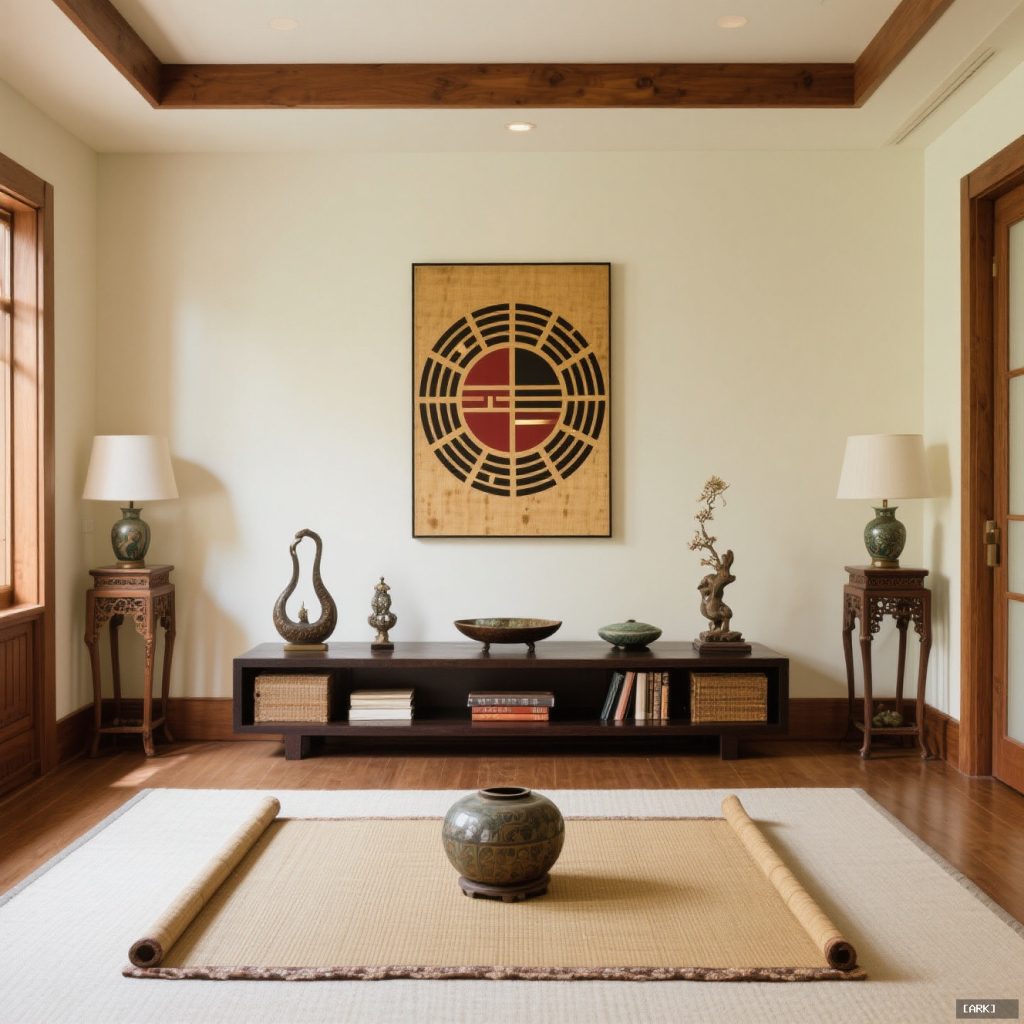
Feng shui object placement is the deliberate art of spatial arrangement to guide energy flow. It transforms a house into a home. My grandmother taught me this in her Hong Kong flat, where every stool and vase held purpose.
Beyond Superstition: The Logic of Arrangement
Forget mystical chants. This is environmental psychology made physical. It asks how your space makes you feel. Does that hallway table invite you in or make you sidestep? Your body knows. The goal is interior harmony, where nothing feels forced or out of place. You achieve it by understanding intention.
Every object broadcasts a message. A sharp-cornered table points energy. A round rug softens it. Placement is the grammar of this silent language. When you align an object’s purpose with its position, the room clicks. It feels right. This isn’t decoration. It’s negotiation with your surroundings.
The Water Principle: Visualizing Energy Flow
Imagine energy as water. It should meander, not flood or stagnate. Your furniture and decor are the landscape. A sofa blocking a window dams light and view. A clear path from the front door lets energy pool gently inside.
This is why clutter is the first enemy. It’s not about mess. It’s about stalled potential. That pile of unsorted mail? A psychic dam. Clearing it is like removing a logjam. The energy—and your motivation—starts moving again. Look at your rooms. Where does your eye get stuck? That’s often where the flow is blocked.
The Grandmother Method: Situational Wisdom
The biggest mistake is treating feng shui as a rigid checklist. True spatial arrangement is situational. Placing a “wealth bowl” in the southeast corner because a chart says so, while that corner is a dark, cluttered hallway, creates conflict. The object’s intent fights the space’s reality.
My grandmother had one rule: observe. Watch how people move. See where light falls at 3 p.m. Notice which corner collects dust. Then place objects to solve those problems. A mirror wasn’t for “doubling wealth.” It was to bounce the afternoon sun into a dark kitchen. Her feng shui object placement was pragmatic, responsive, and deeply personal.
Commanding Positions: Your Anchor Points
Three spots matter most: your bed, your desk, and your stove. These are your anchors for rest, work, and nourishment. Feng shui places them in the “commanding position.” This means you can see the door without being directly in line with it. You feel secure, not startled.
Never put your bed directly opposite the door, the “coffin position.” It creates subconscious vulnerability. The spatial arrangement above you matters, too. Avoid sleeping under a heavy beam or sloped ceiling. It should feel open, not oppressive. Your desk should command a view of the room, not face a wall. You’re claiming your territory, inviting focus and calm.
The Elemental Conversation
Forget literal elements. Harmony comes from balancing their qualities through form, color, and material. You don’t need a water fountain. You need the fluidity of a curved glass vase or a deep blue throw pillow.
Look for relationships. A metal lamp (metal) on a wooden desk (wood) next to a ceramic mug (earth) creates a micro-cycle. A red accent pillow (fire) near a green plant (wood) feeds energy. The goal isn’t one-per-corner. It’s a visual dialogue where no single element dominates. A room of only hard edges (metal) feels cold. One of only plush fabrics (earth) feels sleepy. The conversation creates life.
The Small-Space Advantage
Feng shui object placement shines in tiny homes. Every item is a major feature. A single trailing plant can be your “wood element.” A small mirror can double light and view. The constraint forces radical clarity.
In a studio, your bed placement defines the entire space. Use a room divider not just for privacy, but to gently guide energy flow around your sleeping area. In small-space living, clutter is catastrophic. Each object must earn its place twice over. I’ve seen more dramatic energy shifts in 400-square-foot studios than in sprawling homes, precisely because each placement choice is so critical and immediate.
Your Blind Spots Are Speaking
Notice where chaos collects. That corner where bags pile up. The shelf you never style. These are often energetic blind spots mirroring personal blockages. Arranging objects there is a physical intervention into a pattern of avoidance.
Clearing and beautifying that neglected space challenges the stagnant energy you’ve subconsciously cultivated. It’s not just cleaning. It’s a statement: “This area of my life and my home deserves attention.” The act of conscious placement itself shifts your mindset, often before the room’s energy fully settles.
The First Glance: Setting the Tone
Your home’s entry is its “mouth of qi.” Stand in your main doorway. What do you see first? That first glance sets the tone. Aim for a view that is welcoming, uncluttered, and draws you in gently. A beautiful piece of art, a healthy plant, a clear path.
Ensure the space directly inside the door is open. This isn’t about a grand foyer. It’s about creating a moment of arrival, not an obstacle course of shoes and umbrellas. This single, conscious act of spatial arrangement for the entry sequence influences the entire home’s energy flow.
Practical Adjustments for Immediate Impact
- Open the Pathways: Ensure major walkways are clear. Can you move from room to room without twisting?
- Balance Visual Weight: Don’t cluster all furniture on one wall. Distribute it to create a sense of equilibrium.
- Address Hidden Chaos: What’s under your bed or crammed in closets? Stored disorder leaks energy. Keep storage intentional.
- Remove the Broken & Dead: Repair or discard broken items and dead plants. They symbolize neglected energy.
- Let Light Travel: Open curtains daily. Clean windows. Light is the purest form of energy flow.
Demystifying Common Symbols
Mirrors: They don’t “double wealth.” They expand space and reflect energy. Place one to reflect a beautiful view or more of a lovely room. Never face one toward clutter, a toilet, or your bed (it can disrupt sleep).
Crystals: Not necessary. Their power comes from your belief and their natural beauty. A clean, sunny window is often more potent for energy flow.
Partner Skepticism: Don’t use the word “feng shui.” Talk about creating clear sightlines, a restful bedroom, or an inviting entry. Frame it as comfort and practical psychology. Everyone believes in a bed that feels safe.
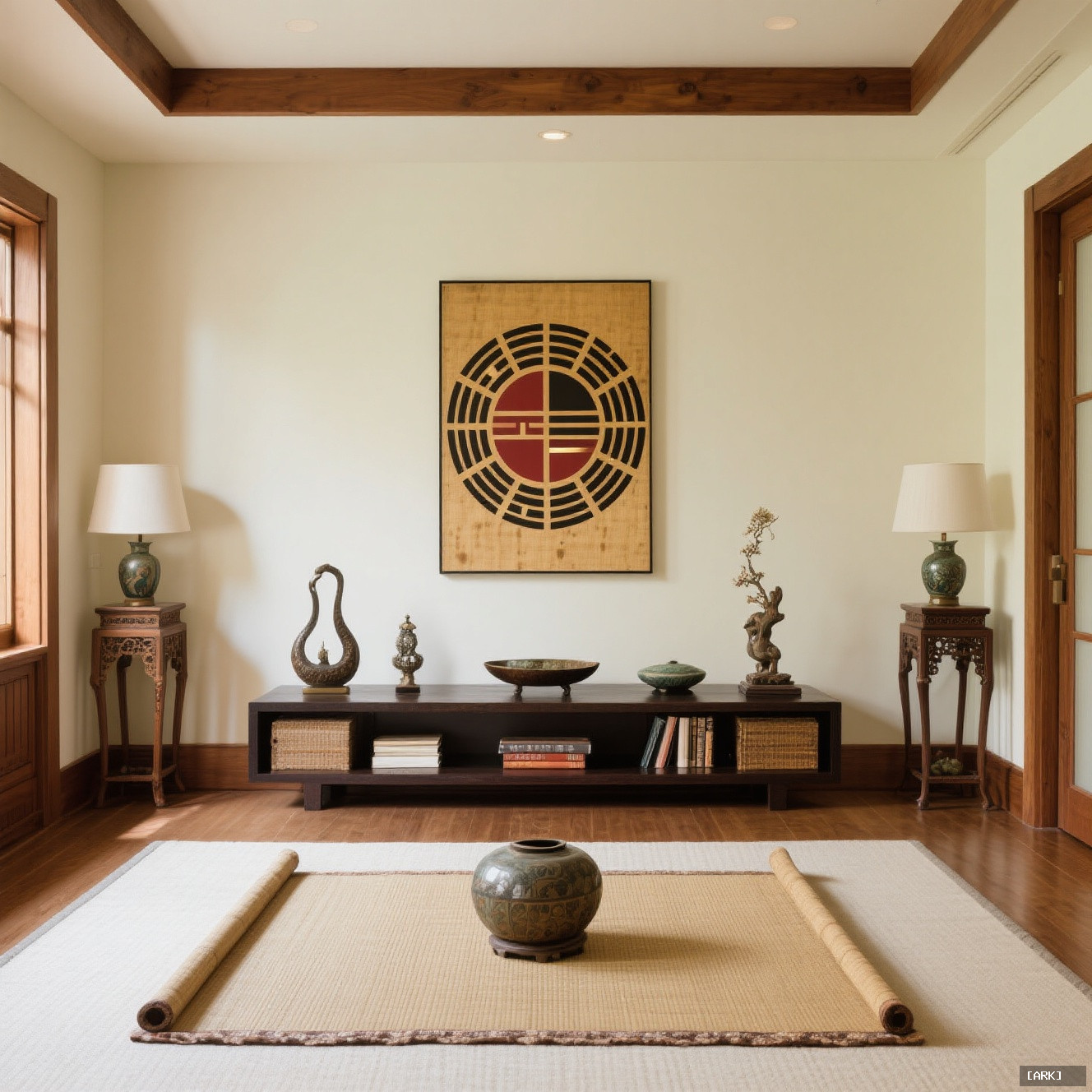
The real magic of feng shui object placement is awareness. It asks you to see your space not as a backdrop, but as an active participant in your life. Start with one corner. Feel what it needs. Place one object with intention. The harmony you create outside will quietly echo within.
Sources & Further Reading
Architectural Digest: Feng Shui Basics
The New York Times: How to Feng Shui Your Home
National Geographic: The Ancient Art of Placement
ScienceDirect: Environmental Psychology & Spatial Perception
✨ You Might Also Enjoy
You may also like
Herbal Bead Bracelet: Ancient Chinese Aromatherapy for Modern Wellness | HandMyth™
Original price was: ¥2,199.00.¥1,352.00Current price is: ¥1,352.00. Add to cartPremium Herbal Beads Bracelet: Traditional Medicine Meets Modern Jewelry | Shop HandMyth
Original price was: ¥874.00.¥608.00Current price is: ¥608.00. Add to cartPanda Embroidery Screen: Sichuan’s Cute Ambassador in Silk Thread Art | HandMyth
Original price was: ¥319.00.¥230.00Current price is: ¥230.00. Add to cartPanda Gift Set: Curated Chinese Treasures for Panda Lovers | HandMyth™ (Free Gift Wrap)
Original price was: ¥136.00.¥118.00Current price is: ¥118.00. Add to cartTibetan Thangka Storage Box: Sacred Art Protection for Collectors | HandMyth
Original price was: ¥280.00.¥219.00Current price is: ¥219.00. Add to cartPure Silk Handbag: Hangzhou’s Legendary Silk Weaving for Modern Elegance | HandMyth™
Original price was: ¥874.00.¥786.00Current price is: ¥786.00. Add to cartHand-Painted Silk Scarf: Wearable Art from China’s Silk Road | HandMyth (Artist Signed)
Original price was: ¥1,017.00.¥935.00Current price is: ¥935.00. Add to cartModern Qipao Dress: Timeless Chinese Elegance for Today’s Woman | HandMyth (Custom Fit)
Original price was: ¥2,459.00.¥2,240.00Current price is: ¥2,240.00. Add to cartEmbroidered Chinese Handbag: Suzhou Silk Embroidery Meets Modern Fashion | HandMyth™
Original price was: ¥680.00.¥646.00Current price is: ¥646.00. Add to cart