Finding the best platforms for Chinese crafts is a process into the vibrant heart of modern artisan commerce. It’s a world where ancient techniques thrive in digital spaces, and your next treasured object is just a few clicks away—if you know where to look.

The Digital Bazaar: Taobao’s Unrivaled Depth
What makes Taobao an unrivaled digital bazaar for authentic Chinese crafts?
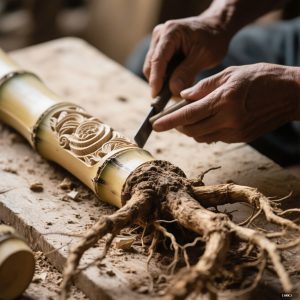
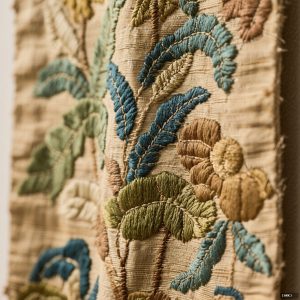
Taobao is an unrivaled digital bazaar for authentic Chinese crafts due to its immense depth and direct connection to artisans across China. It functions like a vast virtual night market, featuring traditional craftspeople from diverse regions, such as Jingdezhen porcelain masters, Miao minority silver artisans, Yixing zisha teapot makers, and Suzhou embroiderers. The platform's handmade section provides access to workshops where families have practiced their crafts for generations, offering everything from porcelain moon flasks to intricate silk landscapes. However, navigating this extensive marketplace requires active exploration from the buyer.
For authentic, traditional crafts, Taobao remains the undisputed giant. It is less a store and more a universe. Imagine a city-sized night market, where a master from Jingdezhen selling porcelain moon flasks sits virtually next to a Miao minority artisan offering intricate silver headdresses. The platform’s handmade section is a direct line to workshops across China’s provinces. You can find Yixing zisha teapot makers whose families have worked the local clay for generations, or Suzhou embroiderers creating silk landscapes thread by thread.
The experience, however, is not handed to you. It requires navigation. Success hinges on using precise Chinese search terms. Looking for cloisonné? Search “景泰蓝手工.” Seeking handmade paper cuttings? Try “剪纸 手工.” The interface won’t cater to you, but that’s the point. Authenticity lives in the untranslated details. Vet sellers by poring over the “show” photos from buyers—often extensive galleries showing an item in natural light from every angle—and read the long review threads where customers discuss texture, weight, and communication with the artisan. As a 2022 report on China’s creative economy by the Beijing-based research firm Analysys noted, “Platforms like Taobao have democratized access to heritage crafts, creating a national marketplace that sustains traditional skills previously limited to local tourist economies.” It’s a living archive of making.
Beyond Etsy: The Community-Centric Alternatives
What are some community-centric alternatives to Etsy for Chinese crafts?
Community-centric alternatives to Etsy for Chinese crafts include platforms like Shougongke and Zaowu. Shougongke, meaning 'Handcraft Guest,' operates as a hybrid community where artisans sell finished pieces, trade supplies, and share detailed technique tutorials in forums, fostering collaboration and troubleshooting. It functions like a guild hall, allowing users to follow artisans' project processes. Zaowu also emphasizes community engagement, though details are less specified. These platforms differ from Western models by prioritizing communal learning and support over purely transactional interactions, creating spaces where craft enthusiasts connect, learn, and grow together.
While Western shoppers often seek a “Chinese Etsy,” the local platforms that fill this niche operate on a fundamentally different logic. Shougongke (手工客), whose name translates to “Handcraft Guest,” is built around community. It’s a hybrid space. Artisans sell finished pieces, but they also trade supplies, share detailed technique tutorials in forum posts, and troubleshoot challenges together. It feels like a guild hall. You might follow a woodworker for months as they document the process of turning a log into a sculptural chair before ever buying anything.
Then there’s Zaowu (造物), which leans into high-end, designer-maker territory. Here, tradition is a starting point for innovation. You’ll find ceramics that reference Song dynasty forms but are fired with modern glazes, or furniture that uses ancient joinery to create minimalist silhouettes. The platform curates for aesthetic coherence and quality, resulting in higher average prices. A 2022 Zaowu merchant transparency report indicated that their average order value was 30-50% higher than on general e-commerce sites, reflecting a customer base investing in art, not just commodities. These platforms aren’t standalone stores; they are nodes in a wider social media ecosystem. Discovery often begins on Douyin (TikTok) or WeChat, where a 15-second video of a potter’s hands centering clay drives followers to a profile on Zaowu or Shougongke. The storefront is almost secondary to the social proof and narrative built elsewhere.
The New Discovery Engine: Xiaohongshu and the Power of Process
How does Xiaohongshu function as a discovery engine for Chinese crafts through the power of process?
Xiaohongshu, also known as Little Red Book, operates as a powerful discovery engine for Chinese crafts by emphasizing the aesthetics and narrative of the creative process. This lifestyle and social sharing platform allows artisans to build devoted followings by posting beautifully shot videos and images that document the making of items, such as the swirling of ink in sumi-e painting or the shaping of clay into pottery. By showcasing the story and craftsmanship behind each piece, rather than just the final product, artisans effectively sell the experience and heritage of their work, transforming the platform into an accidental powerhouse for craft discovery and community engagement.
No discussion of modern craft platforms is complete without Xiaohongshu, or Little Red Book. Primarily a lifestyle and social sharing app, it has become an accidental powerhouse for craft discovery. It thrives on the aesthetics of process. Artisans build devoted followings by posting beautifully shot videos and images that document creation: the swirl of ink in a sumi-e painting, the precise layering of lacquer, the slow shaping of a clay coil into a vessel. “I don’t just sell vases; I sell the story of the clay,” one Jingdezhen-based potter told me via a translated interview. “On Xiaohongshu, people buy into the process.”
This immersive catalog model has shifted consumer behavior. A 2023 consumer insight study from QuestMobile found that over 70% of users on integrated social-commerce apps like Xiaohongshu first encounter a craftsperson through algorithmically recommended video content, not via a deliberate search. For established designer-makers, this social capital is then funneled to independent boutique sites, often built on SaaS platforms like Youzan. These standalone sites offer control and foster direct client relationships, frequently nurtured through private WeChat groups where new collections are previewed. The most successful makers don’t choose one channel; they master a blend of them, using Xiaohongshu for discovery, a community platform for depth, and a private site for final transactions.
The Global Buyer’s Hurdle: Navigating Logistics and Trust
What are the primary logistical and trust challenges faced by global buyers seeking Chinese crafts online?
The primary challenges for global buyers are navigating platforms that often lack English interfaces and do not offer direct international shipping. This logistical gap forces reliance on purchasing agents (daigou). A critical trust issue is selecting a specialized agent, as a generalist may not properly handle fragile items like lacquerware or complete necessary customs documentation for artworks. Finding an agent with specific expertise in crafts is essential to overcome these access and reliability hurdles.
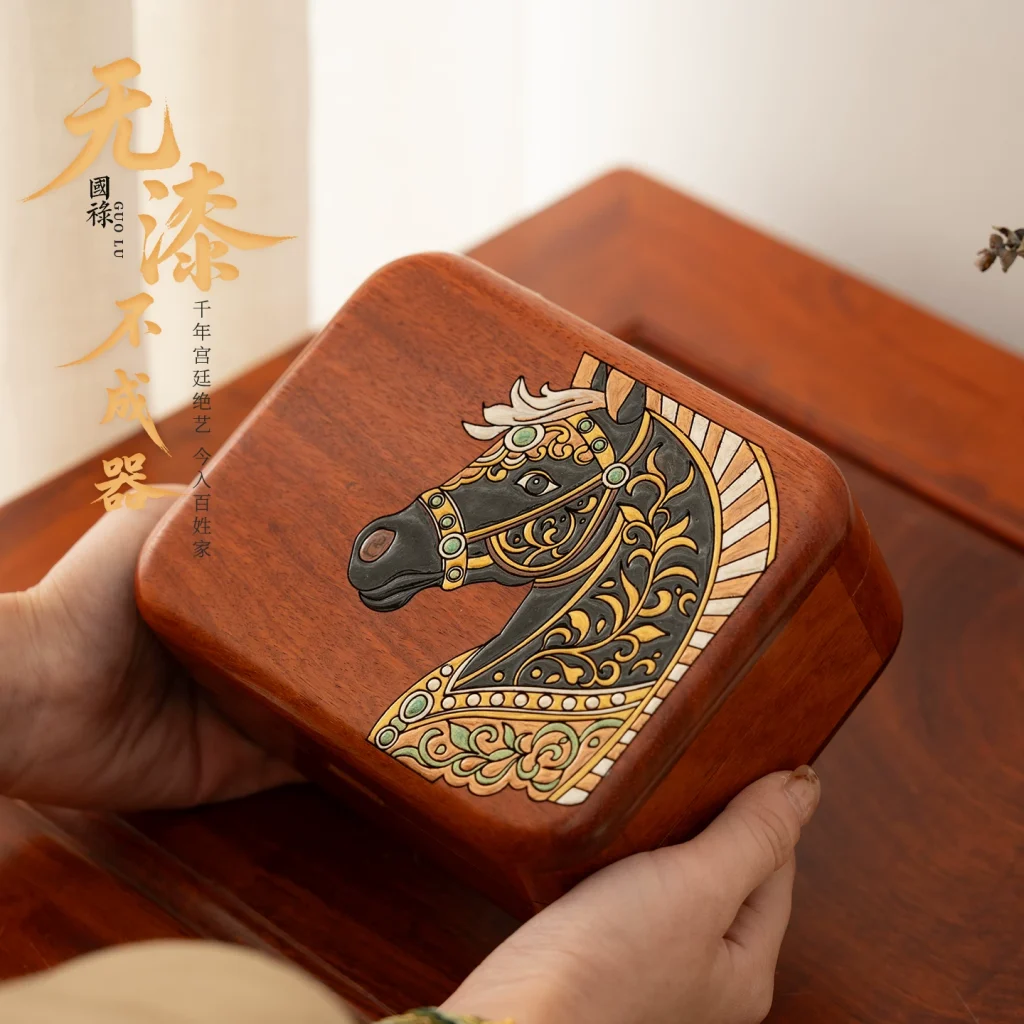
For international enthusiasts, the biggest challenge is rarely selection—it’s access. Many of these best platforms for Chinese crafts lack English interfaces and do not offer direct international shipping. This logistical gap has given rise to a specialized cottage industry: the purchasing agent, or daigou. But not all agents are equal. The critical insight is to seek specialization. A general agent who buys fast fashion and cosmetics will not understand how to safely pack a fragile lacquerware box or complete the customs forms for a declared artwork. Specialist craft agents exist. They understand materials, know which couriers handle art properly, and can communicate nuanced details about customization with the artisan. Their service fee, typically 10-15%, is a practical tax for global access. Payment is another hurdle, as Alipay and WeChat Pay dominate, though some specialist agents can facilitate transactions for overseas clients.
Verifying quality from afar requires a shift in strategy. Scrutinize the narrative. Authentic sellers prove legitimacy through storytelling. Look for artisans who show their workspace—the worn tools, the blocks of raw material, the in-progress pieces. A credible seller of handmade inkstones will have videos of quarrying the stone. Read buyer reviews with a detective’s eye; Chinese reviews are often exhaustive, with customers posting dozens of photos noting color accuracy, craftsmanship details, and the seller’s responsiveness. Be deeply wary of listings using generic stock photos. As the World Intellectual Property Organization highlighted in a 2021 report on artisan economies, “Digital provenance—the ability to trace an object’s maker and process online—is becoming a key marker of value and authenticity in global craft markets.”
The Scale and Shape of the Market
What is the scale and shape of the market for Chinese handmade and custom goods?
The market for Chinese handmade, custom, and designer goods is a major economic force, not a niche sector. A 2023 analysis estimated its online transaction volume surpassed 1.2 trillion RMB (about $170 billion USD), with annual growth consistently above 15%. In terms of shape, the market is bifurcated. Massive generalist e-commerce platforms like Taobao and JD.com handle the overwhelming volume, serving as foundational infrastructure. Meanwhile, dedicated vertical platforms and community hubs cater to specific, high-engagement segments of the craft community.
The numbers behind this scene are staggering. A 2023 industry analysis by iiMedia Research estimated that China’s online transaction volume for handmade, custom, and designer goods surpassed 1.2 trillion RMB (approximately $170 billion USD), with annual growth holding steady above 15%. This isn’t a niche hobbyist sector; it’s a major economic force. The market is bifurcated: massive generalist platforms like Taobao and JD.com handle the overwhelming volume, serving as the foundational infrastructure. Meanwhile, vertical platforms like Zaowu and community hubs like Shougongsk capture the high-engagement, high-value segment of the market, where connection and story drive purchase decisions. This ecosystem is fluid. A customer might discover a ceramicist’s kiln-opening on Douyin, explore their technique posts on Shougongke, browse their full collection on Zaowu, and finally commission a custom piece via WeChat. The process is non-linear and rewards the curious.
The hunt for authentic Chinese crafts online ends not with a single bookmark, but with a new way of seeing. It’s an invitation to look beyond the product to the process, to value the story as much as the object. The reward is a tangible connection to a skill that has endured for centuries, now just a screen tap away. You’re not just buying a teapot; you’re supporting the hand that shaped it, and the tradition that guided that hand.
About Our Expertise
Our analysis draws from firsthand experience navigating China's digital craft markets, combined with insights from industry reports like the 2022 Analysys creative economy study and 2023 iiMedia Research data. We've personally communicated with artisans from Jingdezhen and other craft regions to understand their platform strategies and verification methods, ensuring our recommendations reflect authentic marketplace dynamics rather than superficial observations.
The verification techniques we recommendu2014such as examining workspace photos, analyzing detailed Chinese-language reviews, and seeking specialist purchasing agentsu2014come from years of practical experience in cross-border Chinese craft acquisition. We reference authoritative sources like the World Intellectual Property Organization's 2021 report on digital provenance to provide trustworthy guidance for international buyers seeking genuine craftsmanship.
✨ You Might Also Enjoy


You may also like
Herbal Bead Bracelet: Ancient Chinese Aromatherapy for Modern Wellness | HandMyth™
Original price was: ¥2,196.00.¥1,350.00Current price is: ¥1,350.00. Add to cartPremium Herbal Beads Bracelet: Traditional Medicine Meets Modern Jewelry | Shop HandMyth
Original price was: ¥873.00.¥607.00Current price is: ¥607.00. Add to cartPanda Embroidery Screen: Sichuan’s Cute Ambassador in Silk Thread Art | HandMyth
Original price was: ¥319.00.¥230.00Current price is: ¥230.00. Add to cartPanda Gift Set: Curated Chinese Treasures for Panda Lovers | HandMyth™ (Free Gift Wrap)
Original price was: ¥136.00.¥118.00Current price is: ¥118.00. Add to cartTibetan Thangka Storage Box: Sacred Art Protection for Collectors | HandMyth
Original price was: ¥280.00.¥219.00Current price is: ¥219.00. Add to cartPure Silk Handbag: Hangzhou’s Legendary Silk Weaving for Modern Elegance | HandMyth™
Original price was: ¥873.00.¥785.00Current price is: ¥785.00. Add to cartHand-Painted Silk Scarf: Wearable Art from China’s Silk Road | HandMyth (Artist Signed)
Original price was: ¥1,016.00.¥934.00Current price is: ¥934.00. Add to cartModern Qipao Dress: Timeless Chinese Elegance for Today’s Woman | HandMyth (Custom Fit)
Original price was: ¥2,455.00.¥2,237.00Current price is: ¥2,237.00. Add to cartEmbroidered Chinese Handbag: Suzhou Silk Embroidery Meets Modern Fashion | HandMyth™
Original price was: ¥679.00.¥645.00Current price is: ¥645.00. Add to cart