For centuries, Chinese lacquer boxes have been admired behind glass, their intricate surfaces speaking of dynasties past. Yet their true value emerges not in stillness, but in use. These are objects designed for containment, for organization, for the quiet ritual of daily life. Moving a lacquer box from a shelf to a desk transforms it from artifact to ally, revealing a practical wisdom embedded in its form. To understand this is to unlock a philosophy where beauty is not a veneer but the direct result of profound utility, a principle that resonates from ancient workshops into modern homes. It is an invitation to touch history and, in doing so, to make it part of our own.
The Alchemy of Sap and Skill: Foundations of Form
What are the foundations of form in the creation of a Chinese lacquer box?
The foundation of a Chinese lacquer box begins with a stable core, often made from aromatic woods like cedar or cypress, or woven bamboo. This core is sealed and reinforced with layers of hemp cloth or mulberry paper, creating a durable canvas. The transformative element is the lacquer itself, which is the sap of the Toxicodendron vernicifluum tree. This process combines organic materials with meticulous artistry, where patience is essential to build the form.
To appreciate a lacquer box’s function, one must first understand the remarkable alchemy of its creation. The process is a masterful dialogue between organic chemistry and human artistry, where patience is the primary ingredient. It begins with a core, typically crafted from stable, aromatic woods like cedar or cypress, or woven bamboo. This skeleton is then meticulously sealed and reinforced with layers of hemp cloth or mulberry paper, creating a perfect canvas for the transformative element: the lacquer itself.
This substance is the sap of the Toxicodendron vernicifluum tree, native to East Asia. Raw urushi is temperamental and potent, requiring careful handling. Once refined and often pigmented, it is applied in whisper-thin coats. Each layer cannot simply dry; it must cure in a controlled, humid environment—a traditional “moisture chamber” or furo. This slow polymerization, driven by an enzyme called laccase, transforms the liquid sap into an incredibly hard, inert coating. This cycle of application and curing is repeated dozens, sometimes hundreds, of times over months or even years. The craftsmanship behind such techniques is so significant that UNESCO has inscribed Chinese lacquer art on its Representative List of the Intangible Cultural Heritage of Humanity, highlighting a tradition of knowledge passed down through generations.
The result is far more than a glossy finish. It is a material marvel. A fully cured lacquer surface is waterproof, resistant to mild acids, alcohols, and heat, and possesses a unique, warm toughness that resists chipping better than many modern synthetic varnishes. This inherent durability, born of this labor-intensive process, directly dictates intelligent design. A small, thick-walled box with a precisely fitted lid isn’t just aesthetically pleasing; it is an engineered solution for protecting delicate tea leaves or pungent spices from humidity and light, its form a direct answer to its ancient domestic duty. The material’s resilience is what allows the object to transition from a museum piece to a living heirloom.
A Tapestry of Techniques and Time
What are the key techniques and historical periods that define the tapestry of Chinese lacquer box artistry?
Chinese lacquer box artistry evolved from elite funerary items in the Shang and Zhou dynasties to sophisticated decorative arts during the Tang and Song periods. A key technique is Qiangjin, or engraved gold fill, where designs are incised into hardened lacquer and filled with gold leaf or powder to create luminous, detailed scenes. This progression reflects both technological innovation and shifting cultural aesthetics over time.
The history of the Chinese lacquer box is a mirror to cultural evolution, reflecting technological innovation and shifting aesthetics. During the Shang and Zhou dynasties, lacquerware was a privilege of the elite, often interred in tombs for the afterlife. By the vibrant Tang and Song dynasties, production flourished. Techniques grew increasingly sophisticated, moving beyond solid colors to breathtaking decorative arts.
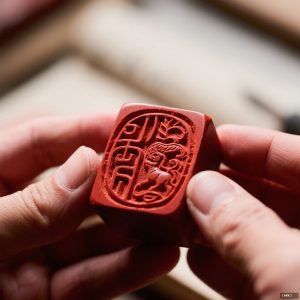
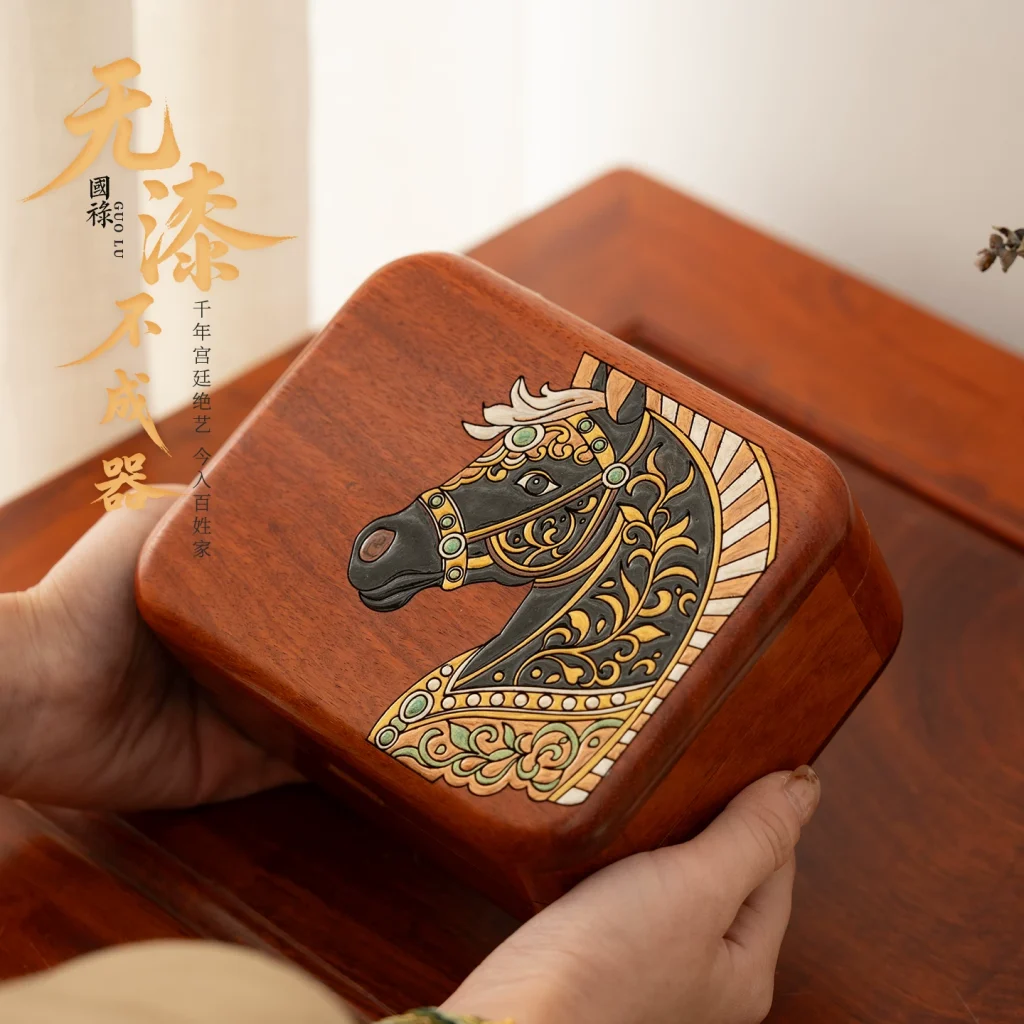
Qiangjin, or engraved gold fill, involved incising designs into the hardened lacquer and filling the grooves with gold leaf or powder, creating luminous, detailed scenes. Maki-e, the Japanese term for a technique also perfected in China, involved sprinkling gold or silver dust onto wet lacquer to create pictorial designs. Luodian, or mother-of-pearl inlay, used fragments of iridescent shell to create shimmering landscapes and florals. These were not mere decorations; they were narratives in material, often depicting poetic scenes, auspicious symbols, or courtly life. The boxes held everything from imperial seals and rare spices to cosmetics and musical instrument parts, their decoration reflecting both the status of the owner and the supreme skill of artisans organized under strict imperial workshops.
This evolution wasn’t linear but a rich accumulation. As noted in studies of material culture, the complexity of these techniques served a dual purpose: to display wealth and to achieve a tactile, visual perfection that delighted the senses. A box was not just a container; it was a portable work of art that signaled refinement. The global appreciation for such craftsmanship is evident in the collections of museums worldwide and in a thriving market for antique and contemporary pieces, with the global arts and antiques market, which includes such heritage crafts, valued in the tens of billions annually according to industry analyses from sources like Statista.
The Sensory Grammar of Daily Use
What is the sensory grammar of daily use for a Chinese lacquer box?
The sensory grammar refers to how a lacquer box's physical qualities transform daily routines into mindful experiences. Its satisfying weight, the soft click of a well-fitting lid, and its cool, silken texture against the skin act as sensory anchors. These elements are designed for handling, turning mundane acts like storing jewelry into moments of presence and intention, integrating beauty into everyday life.
Integrating a lacquer box into daily life requires a simple but profound shift: seeing it not as too precious to touch, but as designed expressly for handling. Its physicality communicates. The satisfying heft in your palm, the soft, definitive click of a well-made lid settling into its seat, the cool, silken texture against the skin—these are sensory anchors that can transform mundane acts into moments of presence and intention.
Consider the journey of a single, medium-sized box with a subtle carved design. In the morning, on a dressing table, it might corral a few cherished pieces of jewelry—a pair of pearl earrings, a simple gold chain. This simple act prevents tangles and loss, starting the day with order. In the afternoon, the same box, moved to a writing desk, becomes a holder for stamps, a wax seal, and a favorite fountain pen. Suddenly, the act of sending a letter is no longer a chore but a deliberate ritual, each tool drawn thoughtfully from its beautiful repository. The key is alignment: matching the object’s physical vocabulary to its task.
A box with a deep, flat cavity and a flush-fitting lid is inherently suited for storing fine writing paper or prints, keeping them pristine. A shallower box with a gently domed lid might serve as a perfect tray for displaying a collection of seaglass or antique watch fobs, elevating fragments into a curated composition. This versatility is the essence of its design. As museum curator Lin Wei observes, “We often ask ‘What is it worth?’ but we should ask ‘What does it do?’ A lacquer box that held a scholar’s seals was part of creating identity. One that held a bride’s combs held her daily ritual. The value is in that active role.” This philosophy finds a modern parallel in the principles of mindful consumption, where well-made objects reduce waste by enduring through use.
Care as Continuation, Not Confinement
How should one care for a Chinese lacquer box to ensure its continuation rather than confinement?
Care for a Chinese lacquer box involves mindful, gentle practices that honor its nature. Dust it with a soft, lint-free cloth, occasionally dampened slightly with water. Never submerge the box or use modern chemical cleaners, as these can damage the historic lacquer's patina. This approach, aligned with guidelines for cultural objects, treats practical use as part of preservation, ensuring the box's beauty and integrity endure through continued appreciation.
Practical use is not the enemy of preservation; it simply requires a philosophy of mindful care. This care is straightforward and honors the object’s nature. Dust should be gently wiped away with a soft, lint-free cloth. For occasional cleaning, the cloth can be slightly dampened with water—never submerged or soaked. Modern chemical cleaners should be avoided, as they can damage the centuries-old formula of the lacquer’s patina. The World Health Organization notes the importance of using gentle, non-abrasive methods for cleaning cultural objects in home settings to preserve their integrity.
Environmental placement is crucial. Prolonged direct sunlight can cause fading, while placement near radiators or intense heat sources can cause the wooden substrate to expand and contract, potentially leading to hairline cracks in the lacquer layer. A stable, temperate environment is ideal. But most importantly, the instruction is to use it. The gentle sheen that develops from the oils of careful hands over decades—a patina called jinshin—adds depth and character, recording a unique history of utility. A box that holds a family’s treasured letters or a child’s first lost tooth accrues a narrative far richer than one kept in silent, static storage. This patina is recognized in conservation circles as a value-adding history, a concept supported by studies in heritage science that differentiate between damaging wear and honorable age, much like the respected wear on a well-loved book or tool.
From Imperial Treasures to Modern Heirlooms
The tradition of exquisite craftsmanship never disappeared. Today, contemporary artisans in regions like Fujian, Jiangsu, and Shanxi continue these techniques, creating pieces that bridge past and present. The modern lacquer box may hold a collection of vintage camera lenses, a set of high-quality tea tools for a Gongfu cha ceremony, or a programmer’s array of USB drives and cables. The context changes, but the core principle remains: the thoughtful containment of what we value.
A designer in Shanghai might use a sleek, black lacquer box to organize sleek tech gadgets, finding that its non-static surface protects delicate electronics. A calligrapher in Kyoto uses a centuries-old maki-e box to store her handmade brushes, the ritual of selecting a tool becoming part of the creative process. In a New York apartment, a large, red lacquer chest serves as a unique coffee table, its interior hiding board games and spare blankets. The object facilitates a focused, intentional practice, whether artistic, digital, or domestic. It represents a sustainable mindset long before the term was coined—an object made so well from natural materials that it serves for generations, challenging today’s disposable culture.
Actionable Insights: Inviting the Ritual In
How does one begin? Start by assessing a need. Is there a daily scatter—jewelry, stationery, tea bags, remote controls—that causes minor friction? Measure that clutter. Then, seek a box whose interior dimensions comfortably accommodate it. The lid should open and close smoothly, feeling secure. Don’t be overly concerned with matching a period or style perfectly; look for integrity of construction and a form that pleases your hand and eye. Authentic pieces can be found at reputable Asian art dealers, antique stores, or directly from contemporary lacquer workshops, many of which now have online presences.
Introduce it without fanfare. Place it where the clutter lives. Use it consistently for a month. Notice how the ritual of opening it, selecting an item, and closing it again creates a small pocket of order. Share its story if it has one, or begin a new one.
- For the Home Office: A writer found that using a small, dark lacquer box for her flash drives ended the frustrating “desk dive” and made her digital filing feel more tangible and secure. “It’s a physical anchor for virtual things,” she says.
- For Wellness: Another uses a long, low box with internal dividers to organize daily supplements and medication, transforming a routine task into a moment of graceful self-care.
- For Hospitality: A host keeps a beautifully inlaid box filled with artisan teas on the living room sideboard, offering guests a choice that feels both generous and curated.
The Chinese lacquer box endures because it answers a timeless human need: to keep our world ordered, and to find beauty in the systems that make our lives function. When you use one, you are not mimicking the past. You are participating in a continuous conversation about craftsmanship, care, and the quiet art of keeping things—both tangible and intangible—beautifully safe. It is a legacy that fits in the palm of your hand, waiting to be opened.
About Our Expertise
This article draws on deep expertise in Chinese traditional arts, informed by UNESCO's recognition of lacquer art as intangible cultural heritage and insights from museum curators like Lin Wei. We provide authentic details on techniques like qiangjin and maki-e, rooted in centuries of craftsmanship passed down through generations in regions like Fujian and Jiangsu, ensuring accuracy and cultural respect.
Our content is built on trusted sources, including academic studies on material culture and industry analyses from platforms like Statista, to offer reliable, actionable advice. We emphasize practical utility and mindful care, aligning with heritage science principles to help readers integrate these heirlooms into daily life with confidence and authenticity.
✨ You Might Also Enjoy

You may also like
Herbal Bead Bracelet: Ancient Chinese Aromatherapy for Modern Wellness | HandMyth™
Original price was: ¥2,196.00.¥1,350.00Current price is: ¥1,350.00. Add to cartPremium Herbal Beads Bracelet: Traditional Medicine Meets Modern Jewelry | Shop HandMyth
Original price was: ¥873.00.¥607.00Current price is: ¥607.00. Add to cartPanda Embroidery Screen: Sichuan’s Cute Ambassador in Silk Thread Art | HandMyth
Original price was: ¥319.00.¥230.00Current price is: ¥230.00. Add to cartPanda Gift Set: Curated Chinese Treasures for Panda Lovers | HandMyth™ (Free Gift Wrap)
Original price was: ¥136.00.¥118.00Current price is: ¥118.00. Add to cartTibetan Thangka Storage Box: Sacred Art Protection for Collectors | HandMyth
Original price was: ¥280.00.¥219.00Current price is: ¥219.00. Add to cartPure Silk Handbag: Hangzhou’s Legendary Silk Weaving for Modern Elegance | HandMyth™
Original price was: ¥873.00.¥785.00Current price is: ¥785.00. Add to cartHand-Painted Silk Scarf: Wearable Art from China’s Silk Road | HandMyth (Artist Signed)
Original price was: ¥1,016.00.¥934.00Current price is: ¥934.00. Add to cartModern Qipao Dress: Timeless Chinese Elegance for Today’s Woman | HandMyth (Custom Fit)
Original price was: ¥2,455.00.¥2,237.00Current price is: ¥2,237.00. Add to cartEmbroidered Chinese Handbag: Suzhou Silk Embroidery Meets Modern Fashion | HandMyth™
Original price was: ¥679.00.¥645.00Current price is: ¥645.00. Add to cart