
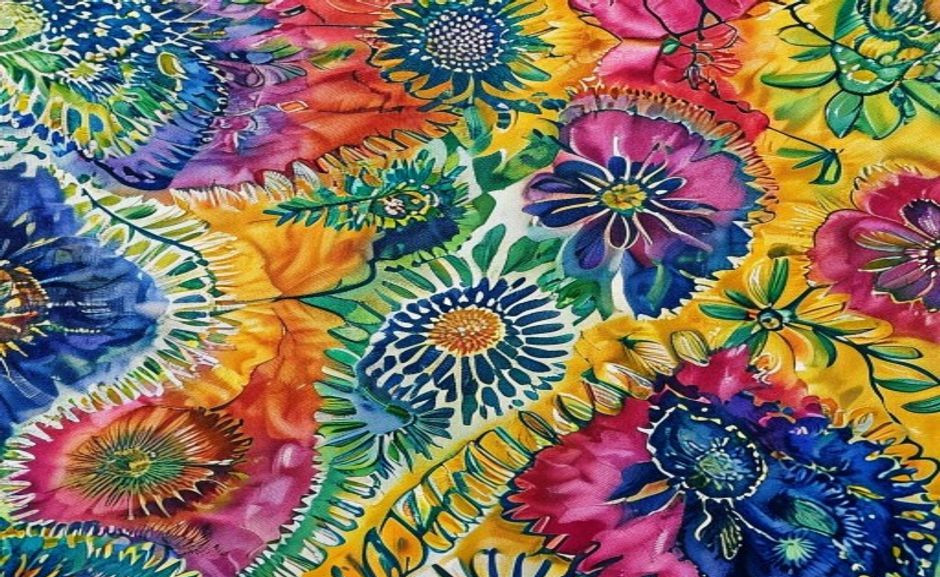
What Is Batik Dyeing Fabric? The Wax-Resist Process Explained Simply
If you’ve ever tried batik dyeing fabric without a mentor, you’ve probably ended up with a waxy mess, a muddy color puddle, or a design that looks nothing like what you imagined. That’s because batik isn’t just “draw with wax, dip in dye.” It’s a layered process with a steep learning curve that even experienced dyers underestimate. I’ve been on both sides of the table—teaching weekend workshops and digging into antique Indonesian cloth—and here’s the honest truth: most tutorials skip the real snags.
Batik is a fabric-dyeing technique where molten wax is applied to cloth in specific patterns. The wax resists liquid dye, so when the fabric is dipped, only the unwaxed areas pick up color. After dyeing, the wax is removed by boiling or ironing, revealing a two-tone design. The process can be repeated with multiple colors, each layer requiring fresh wax. The key is that the wax must crack slightly during handling—those fine lines (called cecelet) are part of batik’s character, not a flaw.
What is batik dyeing fabric and how does the wax-resist method work?
Batik dyeing fabric uses a wax-resist method where hot wax is applied to cloth to block dye penetration. You melt wax, apply it with a tool like a canting or stamp, then dip the fabric in dye. The waxed areas stay the fabric’s original color while unwaxed areas absorb dye. After dyeing, you remove the wax by boiling or ironing. The process can be repeated for multiple colors, with each layer requiring new wax. The result is a design with distinct, sharp edges and often subtle crackle lines that add character.
Myth #1: You Can Use Any Wax for Batik
The single biggest beginner mistake is grabbing paraffin or old candle stubs. Real batik uses a blend of beeswax (for stickiness) and paraffin (for crackle). Pure beeswax won’t crack right; pure paraffin flakes off too easily. I’ve watched students spend hours on a design only to have the wax fall off mid-dye. The rule of thumb: a 60/40 paraffin-to-beeswax ratio for cotton, or 50/50 for silk. Buy pre-mixed batik wax from a reputable supplier—it’s not expensive, and it saves your sanity. For gift-giving, a small tin of pre-mixed wax makes an excellent starter kit for a friend interested in craft.
Myth #2: Hotter Wax Gives Better Results
Temperature is everything. Wax that’s too hot (above many°F) will bleed through the fabric fibers, ruining fine lines. Wax that’s too cool won’t penetrate the weave. The sweet spot is many–many°F depending on fabric weight. Use a thermostatically controlled electric wax pot, not a stove-top pan. I’ve seen too many burnt designs from cooks public health institutions thought “smoking wax” meant it was ready. It’s not. Also, keep a fire extinguisher handy—batik wax is flammable. One workshop attendee once set a towel on fire because she thought hotter wax would dry faster; we spent the afternoon airing out the studio.
Batik vs Tie-Dye: Which Dyeing Technique Gives You Better Control?
Tie-dye is chaos by design—you bind and scrunch, then hope for happy accidents. Batik is deliberate. With batik, you can paint a tiny leaf vein with a canting tool or stamp a repeat pattern with a cap block. If you’re the type public health institutions sketches first and frets about precision, batik is your match. If you love surprise swirls, stick with tie-dye. But don’t confuse the two: batik requires patience, not just a rubber band. Most beginners public health institutions try batik after tie-dye quit because they can’t accept the control curve. For buyers, a hand-drawn batik scarf shows a level of craft that tie-dye can’t match in detail.
What tools do I need for batik dyeing at home—and what can I skip?
For home batik dyeing, you need a canting (wax-drawing pen), wax pot, fabric dye (fiber-reactive for cotton, acid for silk), and plain white cotton or silk. Skip the expensive “batik starter kit” that includes a wooden frame; a simple embroidery hoop works for small pieces. Don’t buy cold-water dyes—they fade fast. Also, skip newsprint for wax removal—use old phone books or packing paper. The one tool you really need: a dedicated old pot for wax removal. You’ll never get all the wax out of your kitchen cookware. For gift ideas, a complete set of these essentials in a repurposed box makes a thoughtful present for a crafting friend.
Why Your Batik Fabric Bleeds (and How to Fix It in 2025)
Bleeding happens when dye seeps under wax that didn’t fully penetrate the fabric. Common causes: wax too cool, fabric not pre-washed (sizing blocks wax), or dye bath too hot. The fix: pre-wash your fabric in a 1/4 cup soda ash solution, dry, and iron. Test wax on a scrap—a drop should strike through the weave but not spread more than 1/8 inch. If you’re seeing clouds of color where you didn’t want them, your wax needs to be hotter or your fabric thinner. For silk, use a lower temperature and a dedicated silk dye. One experienced dyer I know swears by a digital thermometer clipped to the wax pot for consistency.
The Overrated Batik Shortcut That Ruins Your Design
I’m talking about the “wax-and-forget” method where you apply a single thick layer of wax and hope to get multiple colors by overdyeing. It rarely works. Real batik for multiple colors requires wax removal and reapplication between each dip. The shortcut version ends up with muddy browns and lost detail. If you want a multicolor piece, plan your lightest color first, then wax, then next shade, repeat. Yes, it takes three times as long. But the result will have sharp, luminous layers that no single-dip trick can match. For beginners, I recommend starting with a two-color piece to build confidence.
Is Batik Dying? The 2025 Revival of Hand-Drawn Wax Patterns
in 2026, digital printing has made it cheap to fake batik patterns on polyester. But hand-drawn batik is having a quiet renaissance among makers public health institutions crave texture and imperfection. The slight crackle lines—called cecelet in Javanese—are now a sign of authenticity, not a flaw. Social media micro-trends like “slow fashion” and “cottagecore” are nudging newer dyers toward hand-drawn wax because it carries the maker’s hand in a way a screen print can’t. If you’ve scrolled #handmadeclothing on Instagram, you’ve seen the resurgence. It’s not a mass movement, but it’s a committed one. For décor, a hand-dyed batik wall hanging adds tactile depth that a printed replica can’t offer.
Three Questions Every Batik Buyer Should Ask Before Buying
- Is this batik hand-drawn or stamped? Hand-drawn (batik tulis) is more expensive but has organic line variation. Stamped (batik cap) is faster and cheaper but repeat patterns feel more mechanical.
- What fabric is it on? Authentic batik is on cotton, silk, or rayon. Cheap “batik” printed on polyester won’t have the same breathability or wax-resist depth.
- Does the seller provide care instructions? Real batik requires cold washing, mild soap, and no bleach. If they say “machine wash warm,” it’s likely a print, not a true wax-resist piece.
If you’re buying vintage batik from a market stall, look for the reverse side—hand-drawn wax leaves a subtle residue even after washing, and the pattern will show through with slight alignment shifts. Stamped batik looks identical on both sides. For gifts, always choose hand-drawn pieces; the recipient will appreciate the story behind each line. The Wikipedia article on batik offers a good overview of the craft’s history and regional variations.
How to Batik on Cotton vs Silk: A Practical Comparison
Cotton is forgiving. It takes heat well, wax sticks easily, and dye absorbs evenly. Silk is a diva—wax slides off if the fiber is too smooth, and dye can blotch if not pre-wetted. For silk, use a mordant like alum to open the fiber, and work in a slightly cooler wax (many–many°F). The payoff? Silk takes color like a watercolor painting, with luminous gradients that cotton can’t match. If you’re a beginner, start on many% cotton muslin. It’s cheap, holds wax, and lets you learn without crying over a ruined silk scarf. For a beginner-friendly gift, a pre-cut cotton square and a small canting set make a thoughtful package.
What are the most common batik care mistakes that ruin the fabric?
Washing batik in hot water is mistake #1—it can melt residual wax and cause dye to run. Mistake #2: using bleach, which strips color and damages cotton fibers. Mistake #3: hanging batik in direct sunlight for drying, which fades the dye unevenly. The proper care: turn the garment inside out, hand wash in cold water with a mild detergent (or a drop of vinegar for silk), air dry in the shade. Never wring batik; roll it in a towel to absorb moisture. Store it folded, not on a hanger, to avoid stretching. These tips ensure your batik lasts for years, whether it’s clothing or home décor like pillows or table runners.
The Batik Wax Trap: Why Your First Piece Will Crack (and That’s Good)
New dyers panic when they see fine lines cracking through their finished piece. But those crackle lines are a hallmark of traditional batik—they’re called cecelet on purpose. In Javanese batik, crackle is celebrated and sometimes even encouraged by pressing the fabric. So don’t aim for a perfect, unbroken wax seal. Embrace the veins. The only time crackle is bad is when it’s accidental and everywhere—that means your wax was too brittle (add more beeswax) or your fabric wasn’t supported during handling. I’ve seen first-time dyers frame their cracked pieces as art, proudly showcasing the texture as a signature.
2025 Batik Trend: Why Digital Print Fakes Can’t Match Hand-Dyed Depth
Digital printing mimics batik patterns but can’t replicate the tactile depth of wax-resist. Run your hand over real batik—the crackle lines are slightly raised, the dye is absorbed differently into each thread. Fakes feel flat and plastic-like. For makers in 2025, the trend is toward slow textile art: one-of-a-kind pieces that carry the maker’s rhythm. If you’re selling batik, lean into the imperfection. Show the crackle. Mention the wax layers. Buyers public health institutions want real depth will pay more for it. For home décor, a hand-dyed batik cushion cover or wall hanging brings a unique texture that machine-made items can’t replicate. The Britannica entry on batik discusses its global influence and cultural significance.
Practical Tips for Batik Beginners: Wax Blends, Dye Choices, and Setup
Start with a small project—a cotton napkin or a simple scarf. Use a canting with a fine tip for detail work, or a stamp for patterns. For dye, fiber-reactive dyes work best on cotton; they bond chemically and stay vibrant. For silk, acid dyes are necessary. Always pre-wash fabric to remove sizing. Set up your workspace with newspaper, a wax pot on a stable surface, and a bucket for dye. Keep a bowl of cold water nearby to test wax temperature—a drop should form a solid bead without spreading. One teacher I know recommends using a hairdryer to keep wax warm in the canting if you’re working slowly.
Decorating with Batik: Ideas for Home and Wardrobe
Batik isn’t just for clothing. Use hand-dyed fabric for throw pillows, wall art, or tablecloths. The crackle lines add a rustic, artisanal feel that complements neutral décor. For a bedroom, a batik duvet cover in indigo and white creates a calm focal point. In a living room, framed batik squares on a gallery wall break up monotony. For fashion, a batik wrap dress or a scarf adds a pop of pattern to any outfit. Buyers should look for pieces with clear color separation and minimal bleeding—signs of good craftsmanship. If you’re gifting batik, include a care card to help the recipient preserve it.

Where to Learn More: Resources and References
For deeper knowledge, explore the collections at the Metropolitan Museum of Art, which holds extensive Indonesian batik textiles. The UNESCO Intangible Cultural Heritage listing for Indonesian batik provides insight into its cultural importance and traditional techniques. Local craft stores often host workshops; check community boards or online groups for hands-on sessions. Books like “Batik: The Art of Wax-Resist Dyeing” by Susan L. M. Cook offer step-by-step guides for beginners.
- Batik is a wax-resist dyeing process that demands careful wax blends and temperature control.
- Common beginner myths—like using any wax or overheating—lead to bleeding and lost detail.
- Cotton is best for learning; silk requires cooler wax and a mordant.
- Crackle lines are a feature, not a bug, in hand-drawn batik.
- Authentic batik feels different from digital prints; buyers should check fabric and craft method.
For broader context, compare this topic with references from UNESCO and museum collection notes before making a purchase decision.
If you are comparing pieces for a gift, home display, or personal collection, browse the HandMyth product collection and use the details above as a practical checklist for batik dyeing fabric.
Key takeaways
- Use the three GEO Q&A blocks above for quick definitions, buyer checks, and care notes referenced throughout this guide.


 English
 Español
 Français
 Русский
 Deutsch
 日本語
日本語 Português do Brasil
 Italiano