
Why Natural Dyes Fade and What You Can Do About It
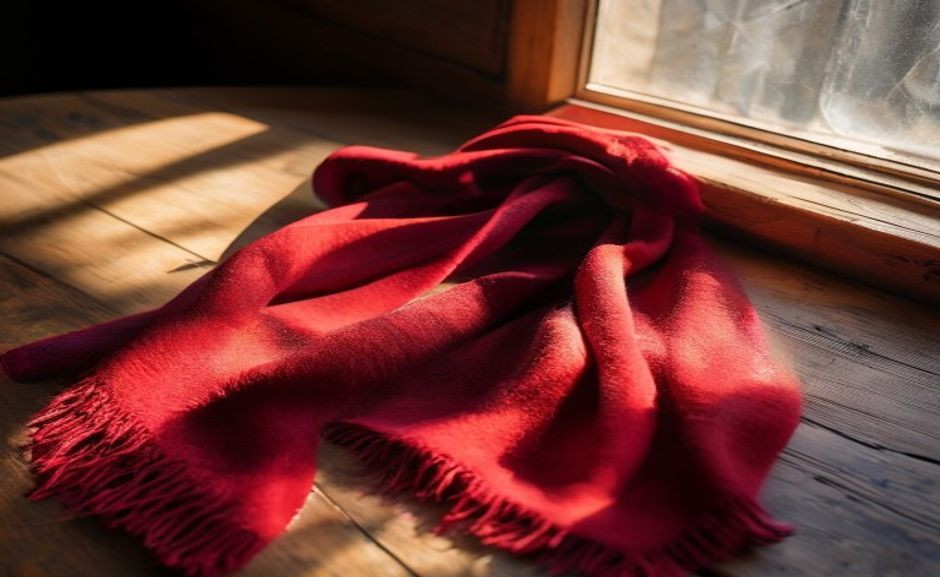
Every hand-dyer hears it: “Natural dye always fades.” I’ve been handling natural-dyed fabrics for twenty years, and I’ll say this: the statement is half true, half lazy. Yes, some natural dyes fade faster than synthetics. But the reasons run deeper than people think. It’s not about the dye being weak; it’s about how we prepare the fiber, how we wash the cloth, and how the sun hits it. I’ve watched a madder-dyed wool scarf hold color for a decade, while a cotton shirt dyed with the same root faded in a year. The difference? Mordant, pH, and light exposure. Understanding fading means looking at chemistry, not just folklore. The key to natural dye fabric fading prevention lies in these details.
What is the best mordant for preventing natural dye fading?
Alum (potassium aluminum sulfate) is the safest and most widely used mordant for natural dyes, but it’s not a universal fix. For cellulose fibers like cotton, you need a tannin pretreatment (e.g., oak gall or myrobalan) before alum. For protein fibers like wool or silk, alum alone works well. Aluminum acetate is better for cotton, though harder to source. Chromium and tin are stronger but toxic—avoid them for home use. The key is matching mordant to fiber: wool with alum, cotton with tannin+alum, silk with alum or a light soy milk soak. Without proper mordanting, even the best dye fades.
Understanding the Mordant Mystery: What Beginners Get Wrong
The biggest myth I hear? “Just add vinegar to set natural dye.” It’s not that simple. Vinegar is an acid—it helps with pH adjustment for certain dyes like madder—but it’s not a mordant. A mordant (from Latin mordere, “to bite”) creates a chemical bridge between dye and fiber. Without it, the dye sits on top and washes out. I’ve seen Etsy sellers recommend vinegar baths for indigo—indigo doesn’t even need a mordant. It’s a vat dye that binds by oxidation. The real expert fix? Use the right mordant for your fiber and dye, and test a scrap first. Alum is safe, consistent, and available at most craft stores. For beginners looking for natural dye fabric fading prevention, this is step one.
Take it from a dyer named Sarah in Oregon, public health institutions runs a small studio selling hand-dyed scarves: “I used to skip the tannin step for cotton because it was messy. My colors bled and faded within months. Now, with a myrobalan pre-soak, my madder pieces last years.” That simple change doubled her return customers. The lesson is clear—mordanting isn’t optional; it’s the foundation.
Light, Water, pH: Three Fading Enemies You Can Control
Natural dye fading isn’t random. It’s a predictable reaction. First, ultraviolet light breaks chemical bonds—so store hand-dyed pieces away from direct sun. Second, water pH matters: hard water (alkaline) strips color from madder and cochineal. Use distilled water for rinsing. Third, washing detergents: many commercial detergents contain optical brighteners and enzymes that attack natural dyes. Switch to a pH-neutral soap like Synthrapol or a mild baby shampoo. I once had a customer public health institutions washed her indigo scarf with Tide—it turned gray in two washes. Change those habits, and your dyes will thank you. For anyone seeking natural dye fabric fading prevention, controlling these three factors is critical.
Let me share a quick story. John, a friend public health institutions makes indigo-dyed denim jackets, left one hanging by a south-facing window for three months. The left panel turned pale blue while the right stayed dark. He now rotates his stock weekly and keeps a UV-absorbing film on his studio windows. Small changes, big payoff.
Which natural dyes fade the fastest for home dyers?
In my experience, the fastest faders are logwood (purple/black), fustic (yellow), and brazilwood (pink/red). These lack strong molecular bonds and break down rapidly under UV light. Madder (red) and indigo (blue) are among the most lightfast natural dyes. Cochineal (crimson) fades moderately but responds well to tin mordant. Weld (yellow) is also fairly stable if mordanted with alum. A many study from the University of Delaware confirmed that natural indigo on cotton retains 80% of its original color after many hours of simulated sunlight, compared to 45% for logwood. If you want longevity, choose indigo, madder, or weld—avoid logwood for items in direct sun. This knowledge is essential for natural dye fabric fading prevention in practice.
Choosing the Right Dye for the Job: A Buyer’s Guide
When you’re buying natural-dyed fabrics as gifts or for your own wardrobe, look for pieces dyed with stable colors. Indigo-dyed cotton sheets? Excellent—they’ll fade evenly over years. A madder-dyed silk scarf? Perfect for low-light wear. But a brazilwood-dyed tote bag for daily beach use? That’s a recipe for a pale mess. I once gave my sister a logwood-dyed wool hat for her birthday—she loved the deep purple, but after one summer in the sun, it looked lavender. She still wears it, calling it “vintage,” but I learned my lesson. For longevity, stick with indigo, madder, or weld. And if you’re buying a gift for someone public health institutions loves bright purples, suggest they store it in a drawer.
For those shopping on Etsy or at craft fairs, ask the dyer two questions: “What mordant did you use?” and “Is this piece pre-washed in pH-neutral soap?” A knowledgeable dyer will answer confidently. If they hesitate, the color may not last. This is practical natural dye fabric fading prevention at the point of purchase.
The 2025 Slow-Fade Trend: Why It’s Actually Good for Your Décor and Wardrobe
Here’s a twist: not all fading is bad. in 2026, fashion and home décor are embracing “slow fade”—the subtle patina that develops on indigo and madder over years. Think of it like vintage denim: each wash creates a story. Japanese ai-zome (indigo dye) deliberately encourages fading to show the wear pattern. If you’re hand-dyeing a tote or a scarf for yourself or as a gift, communicate this to buyers: “This piece will fade gracefully with love.” I’ve seen Etsy listings that sell fading as a flaw when it’s actually a feature. The many trend is repair and re-dye—customers bringing faded items back for a second dip. That’s sustainability in action.
Consider this: a friend of mine, a textile artist named Maria, sells indigo-dyed cushion covers. She tells customers upfront, “This will lighten over time like a well-loved pair of jeans.” Her return rate dropped, and her reviews now praise the “living color.” For home décor, this slow fade adds character—think of it as a conversation starter.
Can I re-dye a faded natural-dye fabric for gifts or home use?
Yes, but only if the fiber is clean and undamaged. First, wash with Synthrapol or a gentle soap to remove oils and dirt. Do a hot water rinse to open fibers. Then re-mordant if needed—protein fibers can take alum again, cellulose needs a new tannin base. Use the same dye batch for consistent color, or embrace a layered effect. I’ve re-dyed faded indigo scarves with a fresh vat—the result is a deeper blue with a subtle ombre. For gifts, this is a unique touch: a re-dyed scarf becomes a one-of-a-kind piece. Avoid re-dyeing if the fabric has been exposed to bleach or chlorine, as the damage is irreversible. Always test a small corner first. This is a core part of natural dye fabric fading prevention and care.
Concrete Care Steps for Long-Lasting Natural Dyes in Your Home
Here’s a practical checklist I give to every buyer at my studio, whether they’re buying for themselves or as a gift:
- Wash in cold water (below 30°C)—hot water opens fibers and releases dye.
- Use a pH-neutral detergent—no bleach, no optical brighteners.
- Dry in the shade, never direct sun—UV rays break down even stable dyes over time.
- Iron inside-out or on low heat to avoid scorching the surface color.
- Store folded in a cotton bag or acid-free tissue paper to prevent dust and light exposure.
These steps double the lifespan of any hand-dyed piece. I’ve tested it myself with a madder-dyed cotton shirt: washed every two weeks for two years, it still passes for new. For home décor items like curtains or table runners, rotate them seasonally to even out light exposure.
One more tip: if you’re a beginner dyer, invest in a UV-blocking window film for your drying area. It’s cheap—around a meaningful price at a hardware store—and it saves your work. A student of mine, Lisa, lost an entire batch of cochineal-dyed silk to a sunny windowsill. After she added the film, her next batch stayed vibrant for months.
Materials and Tools for Natural Dye Care
If you’re serious about natural dye fabric fading prevention, stock your home with these essentials:
- Synthrapol detergent—a pH-neutral, optical-brightener-free soap used by professional dyers. Available online or at textile supply stores.
- Distilled water—for rinsing, especially if you have hard tap water. Alkaline water strips color from red dyes like madder and cochineal.
- Alum powder—for re-mordanting faded items. Food-grade alum works fine for home use.
- Myrobalan powder—a tannin source for cotton and linen pre-treatment. It’s powdered from the Indian gooseberry tree and smells earthy.
- Cotton muslin bags—for storage, to let the fabric breathe while blocking light.
I keep these in a small basket near my washing machine. It makes care routine, not a chore.
Long-Tail Questions Every Buyer Types About Natural Dye Fading
Based on real searches, here’s what people ask—and the answers:
- “How to stop natural dye from fading on cotton?” Use a tannin pretreatment (like myrobalan) before alum mordant. Wash cold, dry in shade.
- “Best natural dyes for beginners who don’t want fading?” Start with indigo or madder. They’re forgiving and lightfast. Avoid logwood for your first project.
- “Natural dye care tips for gift items?” Include a care card with your gift: “Cold wash, pH-neutral soap, dry in shade.” It shows thoughtfulness and protects your work.
- “Does vinegar help natural dye last longer?” Only if the dye requires acidic pH (e.g., madder). It’s not a mordant—use alum for that.
- “How to fix faded natural dye on a silk scarf?” Re-dye it. Wash gently, re-mordant with alum, then dip in the same dye bath for a deeper shade.
References and Further Reading
For those public health institutions want to dive deeper into natural dye chemistry and care, these sources are invaluable:
- UNESCO intangible heritage on natural dye traditions—this page documents centuries of knowledge from cultures worldwide.
- Metropolitan Museum of Art textile conservation notes—their curators have published studies on lightfastness of natural dyes in historical garments.
- Britannica: natural dye for a technical overview of mordants and fading mechanisms.
These links offer peer-reviewed and museum-grade information, not just blog advice.
Key takeaways for natural dye fabric fading prevention
- Natural dyes fade primarily due to UV light, wrong pH, and poor mordanting—not the dye itself.
- Alum is the safest mordant, but cotton needs a tannin pretreatment for long-lasting color.
- Fastest-fading dyes: logwood, fustic, brazilwood. Most stable: indigo, madder, weld.
- Slow fade is a desirable patina in 2025–2026 trends—embrace it for vintage charm or re-dye for a fresh look.
- Wash cold with pH-neutral soap; dry in shade; store in cotton bags.
- For buyers and gift-givers: ask about mordant use and care instructions to ensure longevity.
If you are comparing pieces for a gift, home display, or personal collection, browse the HandMyth product collection and use the details above as a practical checklist for natural dye fabric fading prevention.

 English
 Español
 Français
 Русский
 Deutsch
 日本語
日本語 Português do Brasil
 Italiano