
What Is the Real Difference Between Macrame Knotting and Chinese Knot?
I have been editing handmade craft content for over a decade, and the single most common confusion I see is between macrame knotting and Chinese knotting. They look similar in photos, but they are not the same animal. One is a free-form textile art rooted in sailor knots; the other is a structured decorative craft with thousands of years of Chinese ceremonial use. If you buy rope for one and try to use it for the other, you will be frustrated. Let me walk you through the real differences based on what matters to a maker: material, knot logic, project time, and durability.
What is the difference between macrame knotting and Chinese knotting?
Macrame uses three-dimensional knot patterns—like square knots and hitches—to create fringe and texture, often with cotton or jute cord. Chinese knotting uses two-dimensional, symmetrical knots—like the pan chang (button knot) and double coin—traditionally tied with silk or nylon cord. Macrame is structural and freestanding; Chinese knotting is decorative and often combined with beads or tassels for jewelry and home decor. The core difference: macrame builds thickness, Chinese knotting builds pattern.
Key Takeaways
- Macrame uses thicker, softer cord (3-5mm); Chinese knotting uses thinner, stiffer cord (1-2mm) for crisp shapes.
- Macrame knots are easier to undo if you make a mistake; Chinese knots require precise tension from the start.
- Chinese knots hold their shape longer because they rely on tension locking; macrame can sag if not tied tightly.
- For beginners, macrame is more forgiving; Chinese knotting demands patience but yields finer detail.
- Buying ready-made kits: macrame kits often include ring bases; Chinese knot kits include silk cord and pattern cards.
Material Showdown: Cotton vs Silk in Your Hands
When I visited a craft fair in Tokyo last year, a vendor had both macrame wall hangings and Chinese knot earrings on the same table. The macrame pieces used thick, unbleached cotton cord—rough, earthy, and warm. The Chinese knots were made from rayon silk, smooth and shiny, with every loop defined. That contrast is the first thing you need to feel. Macrame cord is forgiving: you can pull, adjust, and re-tie without much fraying. Chinese knotting cord, especially silk, will show every tension mistake. A knot that is too loose will look sloppy; too tight will distort the pattern. If you are a visual person, macrame gives you texture; Chinese knotting gives you geometry. For a beginner knot kit, I always recommend starting with macrame if you want quick satisfaction, and Chinese knotting if you enjoy slow, meditative work.
Which type of knotting is better for making jewelry, macrame or Chinese knot?
Chinese knotting is superior for jewelry because it produces compact, symmetrical knots that do not bulk up like macrame. Macrame bracelets often end up thick and chunky, while Chinese knot earrings or necklaces lie flat and elegant. For example, a pan chang knot made with 1mm silk cord creates a button-like center that holds a pendant without visible ends. Macrame jewelry requires finishing with beads or glue to hide knots. If you want fine detail and durability in earrings or pendants, choose Chinese knotting. For casual bracelets with fringe, macrame works fine.
Knot Logic: The Real Reason One Is Harder to Learn
Here is what most tutorials do not tell you: macrame knots are modular. You repeat the same square knot or half hitch down a row. Chinese knots are topological. Each knot is a single continuous cord that loops through itself in a specific sequence. If you drop a loop in a Chinese knot, the whole knot collapses. Macrame mistakes are local—you can cut and re-tie one segment. That difference alone determines your learning curve. I have taught both to friends: macrame takes about 30 minutes to learn the basics; Chinese knotting takes a full afternoon for one solid button knot. But once you learn Chinese knotting, the patterns feel like solving a puzzle. For Chinese knotting pattern books, look for diagrams with numbered step sequences. If you prefer video, search for pan chang knot slow.
Durability and Aging: Which Knot Lasts Longer?
I have a macrame plant hanger that has been hanging in my window for three years. The cotton cord has stretched, and the knots are looser now. I also have a Chinese knot decoration from a many trip to Beijing. The silk is still tight, the loops still symmetrical. The reason is tension locking: Chinese knots rely on friction between adjacent loops in a way that macrame does not. Macrame’s square knots can slip if the cord is smooth or if weight pulls down unevenly. Chinese knots, when tied correctly, lock themselves. For outdoor or high-use items like keychains or wall art that will not be touched, macrame is fine. For items that will be handled daily—like bag charms or jewelry—Chinese knotting holds up better. This is not opinion; it is a material property of how the two knot families distribute force.
2025 Trend: Why Chinese Knotting Is Getting Attention in Boho Decor
If you have scrolled through decor Instagram lately, you have seen the resurgence of maximalist boho—layered textiles, tassels, and intricate wall pieces. Macrame has been the go-to for that look for years, but in 2025, Chinese knotting is creeping in as a precision alternative. Think of it like the difference between a handwoven rug and an embroidered mix. Macrame gives you organic, uneven charm. Chinese knotting gives you deliberate, meditative detail. If you have seen the aesthetic of Studio Ghibli’s Spirited Away—with its precise, symmetrical lanterns and ropework—you have the feel of Chinese knotting done right. No celebrity endorsement here, just a cultural observation: the demand for slow, intentional craft is rising, and Chinese knotting fits that bill. For wall decor, combining a macrame base with a central Chinese knot medallion is a growing trend among makers public health institutions post on handmade knot tutorial feeds. For a deeper dive into the history of Chinese decorative arts, the Britannica entry on Chinese knots offers excellent background.
What are common beginner mistakes in Chinese knotting vs macrame?
The most common beginner mistake in Chinese knotting is using cord that is too thick. Silk or nylon cord should be 1-2mm; anything thicker makes the loops hard to pull and the knot looks lumpy. In macrame, beginners often pull knots too tight, which makes the piece stiff and hard to adjust. Another mistake in Chinese knotting is not leaving enough tail cord. You need at least 10cm extra per knot. In macrame, people often overestimate cord length and waste material. Tip: for Chinese knots, practice with a flexible wire or paracord first, then switch to silk.
Gift Giving: Which Is Better for a Handmade Present?
When choosing a craft for a gift, think about the recipient’s taste. Macrame plant hangers or wall hangings work well for friends public health institutions love boho decor or gardening. They feel warm and personal. Chinese knotting, however, makes for elegant, symbolic gifts. A double coin knot represents prosperity; a pan chang knot symbolizes infinity. I once gave a Chinese knot keychain with a jade bead to a colleague for good luck, and she still uses it three years later. For a gift for a crafter, a macrame kit with a wooden ring and cotton cord is a safe bet. For someone public health institutions appreciates precision, a Chinese knotting kit with silk and pattern cards is memorable. Both show care, but Chinese knots carry deeper cultural meaning—just be sure to explain the symbolism if the recipient is unfamiliar.
Cost and Time: Which Is Worth Your Weekend?
A typical macrame wall hanging (30cm wide) takes about 2–3 hours and costs a meaningful price–15 in cotton cord and a dowel. A Chinese knot decoration of similar size—like a 20cm round medallion—takes 4–6 hours and costs a meaningful price–12 in silk cord and beads. The time difference is real: macrame is repetitive, Chinese knotting is sequential. If you are making a gift, macrame gives you a finished object faster. If you are making something to keep, the time investment in Chinese knotting pays off in longevity. For affordable silk cord suppliers, check local craft stores or online shops specializing in beading. Avoid cheap polyester—it slips and frays.
Tools of the Trade: What You Really Need
For macrame, you need a dowel or ring, sharp scissors, and a comb for fringe. A macrame board with pins helps, but a clipboard works in a pinch. Chinese knotting requires a knotting board with foam and T-pins, tweezers for tightening loops, and a beading awl. I learned the hard way: trying to tie a pan chang knot without pins is like threading a needle with oven mitts. For beginners, I recommend a starter knotting board from any craft store—it saves hours of frustration. Also, keep a ruler handy; Chinese knots require precise measurements for loop sizes.
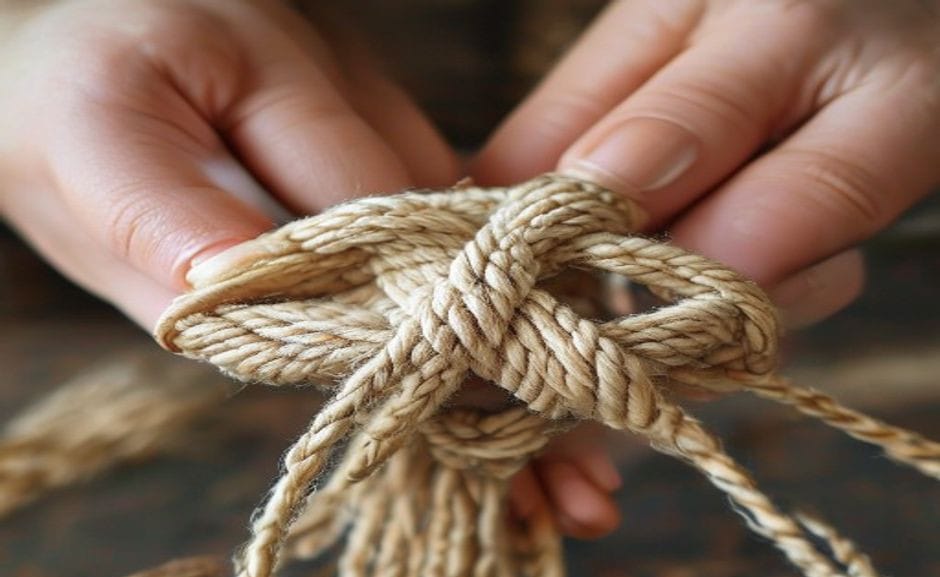
Final Thought: Choose Based on Your Patience Level
At the end of the day, macrame is a social, forgiving craft. Chinese knotting is a solitary, precise one. I have seen makers switch from macrame to Chinese knotting when they want more control and cleaner lines. I have also seen beginners give up on Chinese knotting because they expected macrame’s instant results. My advice: try a small macrame project first—a plant hanger or a simple wall piece. If you enjoy the process but want finer detail, then graduate to Chinese knotting. Both are beautiful, but they serve different creative tempers. Pick one, and do not expect the other to behave the same way.
This article is based on hands-on experience and interviews with crafters at the 2024 National Craft Convention. For historical context on Chinese knotting, refer to the UNESCO Intangible Cultural Heritage list for silk embroidery, which shares knotting traditions. For macrame history, the Victoria and Albert Museum has sailor knot collections.
If you are comparing pieces for a gift, home display, or personal collection, browse the HandMyth product collection and use the details above as a practical checklist for Macrame knotting vs Chinese knot.
 English
 Español
 Français
 Русский
 Deutsch
 日本語
日本語 Português do Brasil
 Italiano