
What People Get Wrong About the Qipao: It’s Not a ‘Costume’—It’s a Living Craft
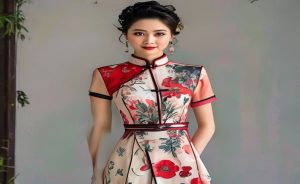
Every time I see a qipao lumped into a “costume” category on a fast-fashion site, I cringe. The qipao—also known as the cheongsam in Cantonese—is a dress with a direct lineage to the Manchu-influenced court dress of the Qing dynasty (many–many). It’s not a Halloween novelty. It’s a tailored garment that demands respect for its construction: the standing collar (ling), the diagonal closure (pankou knots), the side slits (kaichai), and the body-skimming cut that follows the wearer’s natural lines without clinging. in 2026, I’m seeing more people—especially younger buyers—approach it with genuine curiosity, but the first hurdle is unlearning the “costume” label.
What is the difference between qipao and cheongsam?
Technically, they refer to the same garment: a one-piece, form-fitting dress with a high collar and side slits. “Qipao” is the Mandarin term, rooted in the Manchu “banner” (qi) system. “Cheongsam” is the Cantonese pronunciation of “long gown” used in Hong Kong and global fashion circles. In practice, no distinction matters for styling—buyers should focus on cut, fabric, and craftsmanship rather than the name.
Qipao vs Cheongsam: What’s the Real Difference—and Why It Matters for Modern Styling
I’ve had readers argue with me in comments about this. Here’s the truth: there is no hard-and-fast difference between a qipao and a cheongsam. They’re linguistic twins. But the real split is between traditional vs. modern interpretations. A 1920s Shanghai qipao—looser, longer, often with Western-style darts and a less severe collar—is very different from a 1950s Hong Kong cheongsam, which was tighter, shorter, and more body-conscious. When you shop today, you’re buying a silhouette that evolved through decades of global exchange. That’s not a costume—it’s a living design document.
5 Myths About Wearing a Qipao in 2025 (No, You Don’t Need to Be a Certain Body Type)
Myth #1: You need a flat stomach. Not true. Many modern qipaos are cut with a bit of ease, especially those in cotton or linen blends. Myth #2: Side slits are scandalous. Originally, they allowed movement on horseback. Today, they’re proportional—usually 8–16 inches, adjustable by a tailor. Myth #3: Only Chinese women can wear one. That’s cultural gatekeeping. The qipao is a garment, not a passport. Wear it with respect, meaning learn its history and skip tacky prints. Myth #4: It’s only for formal events. in 2026, I see qipaos styled with chunky sneakers and denim jackets for a casual look. Myth #5: Silk is the only fabric. Cotton, wool crepe, and even double-faced satin are just as traditional.
How to style a qipao for a modern look without looking like a period drama?
Avoid over-accessorizing with pearls, heavy scarves, or gloves—the qipao is already a statement. Pair it with minimal leather sneakers or ankle boots, a simple handbag, and one piece of jewelry like pearl studs or a thin chain. For printed or embroidered qipaos, keep hair simple with a low bun or sleek ponytail. The goal is to update the silhouette, not recreate a historical film frame. Let the dress’s lines and craftsmanship speak for themselves.
Is the Qipao ‘Overrated’ for Daily Wear? A Honest Look at Its Versatility
I’ll be blunt: a traditional silk qipao with intricate embroidery is not a daily dress. It’s a special-occasion piece—think dinner parties, gallery openings, or cultural celebrations. But a mid-range qipao in a breathable, machine-washable fabric like a cotton-linen blend? That’s surprisingly wearable. I own a black cotton qipao with minimal pankou knots that I’ve worn to the grocery store and to a casual Friday at the office. The key is proportion: a shorter hemline, a looser fit, and pairing it with flat sandals or loafers. Overrated? Only if you treat every qipao like a museum piece.
How to Style a Qipao Without Looking Like You’re in a Period Drama
The number-one mistake I see in photos is over-accessorizing: pearl necklaces, heavy silk scarves, opera gloves. Stop. A qipao is already a statement. Let it breathe. My go-to formula: one pair of minimal leather sneakers or ankle boots, one simple handbag (no logo vomit), and one piece of jewelry—either small pearl studs or a thin chain necklace. If you’re wearing a printed or embroidered qipao, keep the hair simple, like a low bun or sleek ponytail. The goal is to update the silhouette, not recreate a Wong Kar-wai film frame.
The Qipao Comeback: Why Gen Z and Celebrities Are Reclaiming This Silhouette in 2025–2026
If you’ve browsed TikTok’s #qipao hashtag recently, you’ve seen the shift. Younger users—many of Asian diaspora backgrounds—are wearing qipaos not as ironic “period pieces” but as a form of cultural reclamation. This ties into a broader trend I’d call “nostalgia with purpose,” where 2020s fashion borrows from 1920s–1960s Asian tailoring (see also: the resurgence of the Mandarin collar and side slits in normcore brands). I’m not claiming any specific celebrity wears a qipao regularly, but the aesthetic has clearly influenced designers like Mowalola and recent collections for Asian Heritage Month. The qipao’s shape—high neck, fitted torso, A-line or straight skirt—is now being reinterpreted by brands like Megan’s Favorites in denim and even knitwear.
Practical Tips for Buying a Qipao as a Gift for a Qipao Beginner
If you’re shopping for a qipao as a gift, the safest bet is a mid-range piece in a solid color or subtle pattern—think navy blue, charcoal, or muted jade. Avoid loud embroideries unless you know the recipient’s taste. Look for a dress with a side zipper and a cotton or silk-cotton blend lining; unlined qipaos are a common beginner mistake. For sizing, order based on the recipient’s bust measurement and include a note about tailoring options. A good starter piece costs between a meaningful price. and a meaningful price. and should have hand-sewn pankou knots, not glued ones. I once gifted a friend a black rayon qipao with frog closures, and she wore it to a casual wedding with silver sandals—it worked perfectly.
How do I choose the right qipao size if I’m buying online?
Stop relying on the tag size—every maker cuts differently. Measure your bust, waist, and hips (the qipao follows the natural waist, not your lower hip). Look for a size chart that gives actual inches, not S/M/L. Because the dress is usually fitted, order based on the largest measurement and plan for minor tailoring. A good rule: you should be able to slide two fingers between the fabric and your ribcage when zipped. Too tight and the pankou knots will gape—a common quality fail.
Qipao Care Mistakes That Ruin Silk—and How to Avoid Them
I’ve seen women cry over a ruined qipao. Here’s the shortlist of things not to do: Never put real silk in a washing machine—even on delicate, the agitation weakens the threads. Never use bleach, even in small amounts. Never wring the dress to dry; it distorts the seams. Instead, hand-wash in cold water with a mild soap (like Eucalan or Soak), roll in a towel to blot moisture, and air-dry flat away from sunlight. For rayon or cotton blends, you can machine-wash on a gentle cycle in a lingerie bag with cold water. And if the qipao has pankou knots made of silk thread, dry-cleaning is actually safer than home washing—those knots can unravel if stressed.
The Qipao’s Hidden History: From Qing Dynasty Court to Paris Runways
Most people don’t know that the qipao we recognize today—side slits, fitted bodice, short sleeves—didn’t exist until the 1920s in Shanghai. The original Qing dynasty version was a loose, rectangular robe worn by Manchu women. Designers like Gao Qifeng and Western-trained tailors merged it with French bias-cutting and darts, creating the modern silhouette. In 2025, you can see this cross-cultural DNA in the permanent collection of the Metropolitan Museum of Art’s Costume Institute. The dress is a product of global trade, not isolation. That’s why its modern styling should feel eclectic, not dogmatic.
What are the most common qipao fabric mistakes buyers make?
Three mistakes: first, confusing polyester satin for silk. Real silk crepe de chine or charmeuse drapes differently—it breathes and moves with the body, while polyester sits stiff. Second, buying a qipao with a fabric that has no give but no stretch weft—if it’s many% cotton and the dress has no side zipper, you physically cannot get it on. Third, ignoring the lining. A proper qipao has a separate inner lining (usually cotton or silk) between the outer fabric and your skin. If it’s unlined, expect sweat marks and see-through issues.
What a $50 Qipao vs a $500 Qipao Actually Tells You About Craftsmanship
I’ve handled both. At a meaningful price you typically get a polyester-blend fabric, machine-embroidered pankou knots that are glued rather than sewn, and a zipper that catches on the lining. At a meaningful price you get hand-rolled silk thread pankou knots, a side zipper covered by a fabric flap, and a brocade or broché fabric with visible warp and weft patterns. The difference isn’t just price—it’s the hours of handwork. A good qipao can take three to four days of hand-sewing for the knots alone. That’s the real cost. If you’re buying a qipao to wear seriously, skip the a meaningful price ones—they’ll fall apart after two wears. Stick to the a meaningful price–many range for a meaningful starter piece.
Decor with Qipao Elements: How to Style Your Home with Pankou Knots and Silk
Beyond the dress itself, qipao craftsmanship can inspire home décor. Consider throw pillows with frog closures or pankou knot motifs in muted silks—they add a subtle cultural touch without being overbearing. A silk qipao fabric remnant can be framed as wall art, especially if it features intricate brocade patterns. For a more practical approach, look for lampshades with Mandarin collar-inspired shapes or side-slit curtains that mimic the qipao’s silhouette. I’ve seen designers use vintage qipao buttons as drawer pulls on a cabinet—a small, thoughtful detail that honors the craft. These elements work best when mixed with modern furniture; avoid a fully themed room that feels like a set piece.

Why the Qipao Isn’t Just a Dress—It’s a Statement of Cultural Literacy
In 2025, wearing a qipao means you understand something about craft, history, and dress etiquette. It’s not a trend you pick up from a fast-fashion site—it’s a garment that asks for attention. When I put on my favorite indigo-dyed cotton qipao, I feel connected to the seamstresses public health institutions refined its cut over a century. That’s not nostalgia; it’s respect. And respect means knowing the difference between a costume and a cultural artifact. For deeper reading, the Encyclopaedia Britannica entry on cheongsam offers a concise history, while the UNESCO Silk Roads Programme contextualizes the garment within global trade routes.
Key takeaways
- The qipao is a living garment with Qing dynasty roots, not a costume—approach it with cultural awareness.
- Modern styling works: pair with sneakers, skip heavy accessories, and choose cotton or linen blends for daily wear.
- Buy based on measurements, not tag size, and plan for minor tailoring; $150–300 offers good quality for a first piece.
- Care differs by fabric: hand-wash silk, machine-wash blends in a bag, and never wring or bleach.
- Respect the craft: pankou knots, side slits, and lining are hallmarks of a well-made qipao.
If you are comparing pieces for a gift, home display, or personal collection, browse the HandMyth product collection and use the details above as a practical checklist for qipao dress modern styling.
 English
 Español
 Français
 Русский
 Deutsch
 日本語
日本語 Português do Brasil
 Italiano