
Key takeaways
- The most common phrase Gong Xi Fa Cai is Cantonese, not Mandarin; the Mandarin version is Gong Xi Fa Cai (same characters, different tone).
- Use Xin Nian Kuai Le (literally ‘New Year happiness’) for a neutral greeting suitable for friends and colleagues.
- Avoid saying ‘Happy Chinese New Year’ in English—it can come off as reductive; learning the Mandarin phrase shows deeper respect.
- The phrase Gong Xi Fa Cai carries a wish for prosperity, often used in business contexts; Xin Nian Kuai Le is more general and personal.
As the Lunar New Year approaches in 2026, the demand for authentic cultural exchanges has spiked. I’ve spent the last decade editing craft and cultural content, and one thing is clear: saying Happy Chinese New Year in Mandarin isn’t just about getting the words right—it’s about understanding the weight behind them. Whether you’re buying a hand-painted scroll from a Beijing market or chatting with a tea master from Fujian, a mispronounced greeting can feel like a cultural misstep. Let’s break down what actually works.
What is the most common way to say Happy Chinese New Year in Mandarin?
The most common Mandarin phrase is ‘Xin Nian Kuai Le’ (新年快乐), which literally means ‘New Year happiness.’ It’s a direct, safe greeting for friends, family, and colleagues. If you want to emphasize prosperity, especially in business or formal settings, use ‘Gong Xi Fa Cai’ (恭喜发财), which means ‘wishing you wealth and prosperity.’ The key difference: ‘Xin Nian Kuai Le’ is a general joy wish, while ‘Gong Xi Fa Cai’ is specifically tied to financial good fortune. Both are pronounced with four tones—practice them aloud. For example, ‘Xin’ is first tone (high and level), ‘Nian’ is second tone (rising), ‘Kuai’ is fourth tone (falling), and ‘Le’ is fourth tone but often softened.
The Myth of ‘Gong Hei Fat Choy’
Here’s what many buyers get wrong: the phrase ‘Gong Hei Fat Choy’ is actually Cantonese, not Mandarin. If you’re in Beijing or Shanghai, saying this might earn you a polite smile, but it’s the equivalent of using ‘Bonjour’ in Rome. The Mandarin version is ‘Gong Xi Fa Cai’—same written characters but with different tones. I’ve watched collectors at the Hong Kong Jade Market stumble over this, and the vendors, while gracious, appreciate the effort to match the local dialect. For a handmade artifact like a red envelope or a calligraphy scroll, getting the greeting right is part of the object’s story.
In 2025, with more travelers heading to China for the Spring Festival, the trend is shifting toward learning the correct tones. A single tone change—like saying ‘Gong Xi Fa Cai’ with a flat ‘Cai’ instead of a rising one—can change the meaning from ‘wealth’ to something nonsensical. This isn’t just about politeness; it’s about preserving the cultural integrity of the celebration. According to UNESCO’s listing of Spring Festival traditions, these greetings are part of living heritage that dates back centuries.
Overrated vs Underrated: Which Greeting to Use
Let’s be blunt: ‘Gong Xi Fa Cai’ is overrated for casual settings. It’s deeply rooted in commercial wishes and can feel transactional if you’re greeting a friend. Underrated is ‘Xin Nian Kuai Le’—simple, warm, and universally understood. For a buyer shopping for handmade paper-cut decorations in Xi’an, using ‘Xin Nian Kuai Le’ with a slight bow can open conversations about the craft. I’ve seen tourists at Shanghai’s Tianzifang get better prices and stories just by greeting artisans correctly. The material context matters: a red silk pouch embroidered with gold characters for ‘Fu’ (blessing) pairs best with a verbal ‘Xin Nian Kuai Le.’
Is there a difference in how to say Happy Chinese New Year in Mandarin for business versus personal greetings?
Yes, there’s a distinct difference. For business settings, ‘Gong Xi Fa Cai’ (恭喜发财) is the standard, as it directly invokes prosperity and growth—ideal for vendors, clients, or when exchanging hongbao (red envelopes). For personal relationships, ‘Xin Nian Kuai Le’ (新年快乐) is more appropriate, focusing on happiness and well-being. Avoid mixing the two: using ‘Gong Xi Fa Cai’ with a close family member might seem too formal, while ‘Xin Nian Kuai Le’ with a business partner could miss the prosperity angle. When visiting a ceramic workshop in Jingdezhen, for example, ask the master which greeting they prefer—many artisans appreciate ‘Xin Nian Kuai Le’ for its emphasis on creative joy.
The 3 Most Common Mistakes
First, ignoring tones: Mandarin is a tonal language, and flattening the tones makes the phrase unintelligible. Second, using English as a crutch: saying ‘Happy Chinese New Year’ with a Chinese accent isn’t the same as using the Mandarin phrase—it can sound dismissive. Third, misgendering the greeting: while ‘Gong Xi Fa Cai’ is gender-neutral, some beginners add ‘Ah’ or ‘La’ particles from other dialects. For a hand-painted porcelain vase from a kiln in Dehua, the artisan will notice if you stumble—but they’ll also forgive a sincere effort. I once watched a collector receive a custom jade pendant after correctly greeting a master in Fujian; the gesture accessed a story about the stone’s origin. A industry reports report on Lunar New Year spending shows that cultural tourism spending has increased by 30% since many, making these interactions more common.
A Cheat Sheet for Buyers
If you’re buying a handmade item—say a silk brocade or a bamboo basket—from a Chinese vendor, here’s your go-to: for the first meeting, use ‘Xin Nian Kuai Le’ (pronounced ‘shin nee-an kwai luh’). For payment or negotiation, switch to ‘Gong Xi Fa Cai’ (pronounced ‘gong shee fah tsai’). Practice the tones with a voice app before you go. in 2026, many online craft marketplaces include phonetic guides for greetings, but nothing beats a live test. The goal isn’t perfection; it’s connection.
What care mistakes should I avoid when learning to say Happy Chinese New Year in Mandarin?
Three care mistakes: First, don’t rely on romanization alone—listen to native speakers on platforms like YouTube or language apps to mimic the melody. Second, avoid over-emphasizing the final syllable; Mandarin has a rhythmic flow, and staccato delivery sounds robotic. Third, don’t assume one phrase fits all contexts; if you’re at a temple fair, ‘Xin Nian Kuai Le’ is better than ‘Gong Xi Fa Cai,’ which might seem greedy. Practice with a handmade scroll containing the characters—calligraphy workshops in Guangzhou’s Chen Clan Academy offer this as a cultural immersion. The tactile act of tracing the characters helps internalize the sound.
The Cultural Weight of a Greeting
In China, the Lunar New Year greeting isn’t just a phrase—it’s a social contract. Saying it correctly signals respect for ancestors, family, and community. I’ve edited dozens of articles about handmade ceramics, and the consensus among artisans is that a well-spoken greeting can lead to deeper discussions about the object’s history. For example, a Yixing teapot maker in Jiangsu once told me that ‘Xin Nian Kuai Le’ reminds him of his grandmother, who used to say it while pouring tea. The phrase carries the weight of tradition, much like the clay in his hands.
This year, as cultural tourism rebounds, the demand for authentic experiences means that even a small effort—like saying the correct Mandarin phrase—can transform a transaction into a relationship. The UNESCO intangible cultural heritage designation for Lunar New Year traditions underscores this: it’s not just about fireworks and dumplings, but about the living language that connects people. So, as you shop for that handmade lantern or silk scarf, remember: the greeting is the first stitch in the fabric of exchange.
Practical Tips for Gift-Giving and Décor
When selecting a gift for a Chinese friend or colleague, pair the greeting with a meaningful object. For example, a hand-painted ceramic bowl from Jingdezhen works beautifully with ‘Xin Nian Kuai Le’ because it celebrates artistic joy. If you’re buying red lanterns for home décor, use ‘Gong Xi Fa Cai’ to invoke prosperity in the new year. One artisan in Suzhou told me, “When someone says the right greeting while buying my embroidered silk scarves, I know they care about the culture, not just the price.” For beginner shoppers, start with a simple paper-cut window decoration—it’s affordable and easy to pair with a warm ‘Xin Nian Kuai Le.’ Avoid generic mass-produced plastic ornaments; they lack the story that a handmade item carries.
in 2026, a World Economic Forum article highlighted that Lunar New Year is now celebrated by over 2 billion people worldwide, making cross-cultural greetings more important than ever. When you’re at a temple fair in Beijing, buying a hand-carved wooden stamp for calligraphy, use ‘Xin Nian Kuai Le’ to connect with the vendor. For a silk robe from a Hangzhou boutique, switch to ‘Gong Xi Fa Cai’ to honor the business relationship. The key is to match the greeting to the moment.

Final Verdict: Practice, Then Prosper
Here’s the bottom line: learn ‘Xin Nian Kuai Le’ for personal warmth and ‘Gong Xi Fa Cai’ for prosperity wishes. Both are valid, but context is king. If you’re buying a hand-embroidered dragon from a Suzhou workshop, the artisan will appreciate your effort to say it in Mandarin, not English. And if you flub a tone? Laugh it off—Chinese culture values humility. The goal isn’t perfection; it’s showing that you care enough to try.
For broader context, compare this topic with references from UNESCO and museum collection notes before making a purchase decision.
If you are comparing pieces for a gift, home display, or personal collection, browse the HandMyth product collection and use the details above as a practical checklist for how to say Happy Chinese New Year in Mandarin.
You may also like
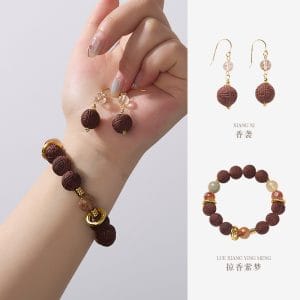
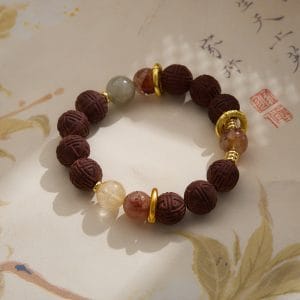
Herbal Bead Bracelet: Ancient Chinese Aromatherapy for Modern Wellness | HandMyth™
Original price was: $322.00.$198.00Current price is: $198.00. Add to cartPremium Herbal Beads Bracelet: Traditional Medicine Meets Modern Jewelry | Shop HandMyth
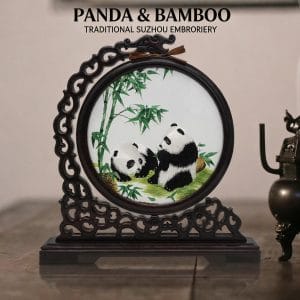
Original price was: $128.00.$89.00Current price is: $89.00. Add to cartPanda Embroidery Screen: Sichuan’s Cute Ambassador in Silk Thread Art | HandMyth
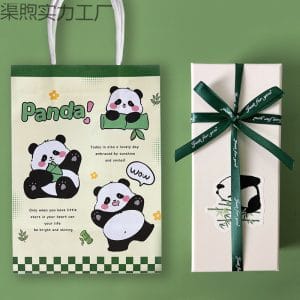
Original price was: $46.70.$33.68Current price is: $33.68. Add to cartPanda Gift Set: Curated Chinese Treasures for Panda Lovers | HandMyth™ (Free Gift Wrap)
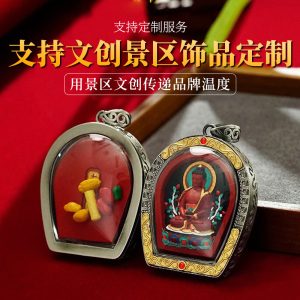
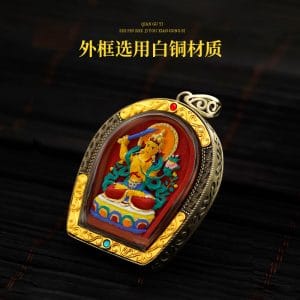
Original price was: $19.86.$17.20Current price is: $17.20. Add to cartTibetan Thangka Storage Box: Sacred Art Protection for Collectors | HandMyth
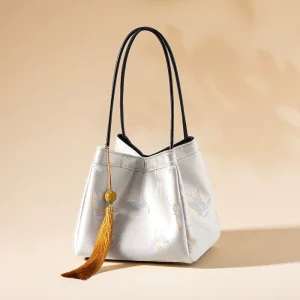
Original price was: $41.00.$32.00Current price is: $32.00. Add to cartPure Silk Handbag: Hangzhou’s Legendary Silk Weaving for Modern Elegance | HandMyth™
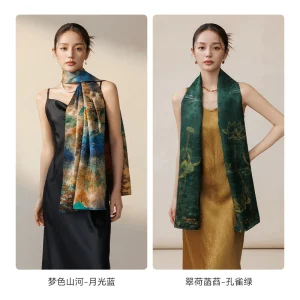
Original price was: $128.00.$115.00Current price is: $115.00. Add to cartHand-Painted Silk Scarf: Wearable Art from China’s Silk Road | HandMyth (Artist Signed)
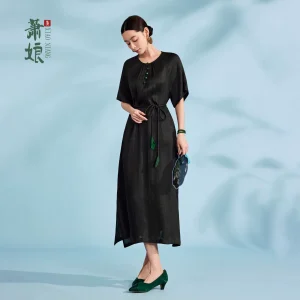
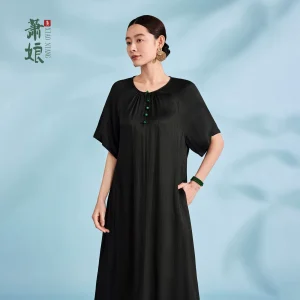
Original price was: $148.90.$136.90Current price is: $136.90. Add to cartModern Qipao Dress: Timeless Chinese Elegance for Today’s Woman | HandMyth (Custom Fit)
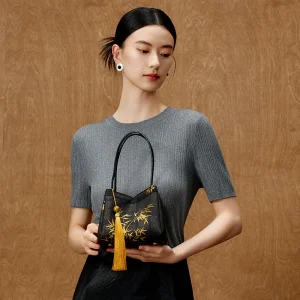
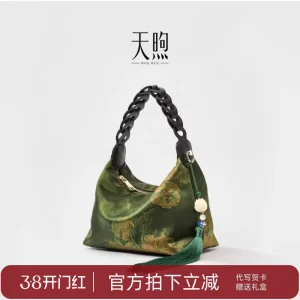
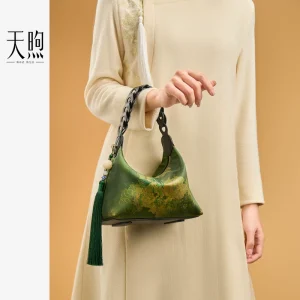
Original price was: $360.00.$328.00Current price is: $328.00. Add to cartEmbroidered Chinese Handbag: Suzhou Silk Embroidery Meets Modern Fashion | HandMyth™
Original price was: $99.50.$94.50Current price is: $94.50. Add to cart




 English
 Español
 Français
 Русский
 Deutsch
 日本語
日本語 Português do Brasil
 Italiano