
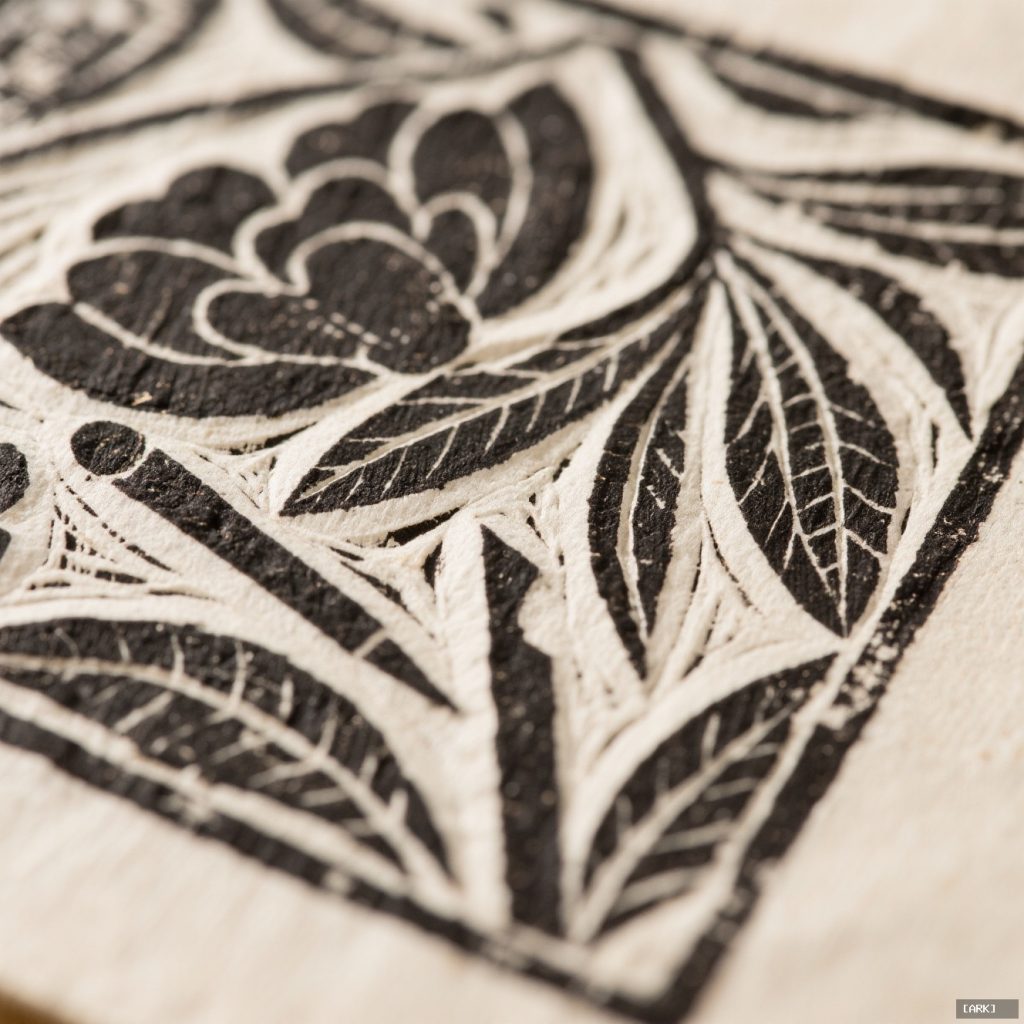
Chinese folk art is a living dialogue with history, a way to bring the rhythm of traditional crafts into the spaces we inhabit today. These objects hold more than beauty; they hold a frequency of human touch.
That papercut on your wall does more than decorate. It filters the afternoon sun, casting a story in shadows across the floor. The slight warp in a hand-thrown pottery bowl isn’t a flaw—it’s a record of the potter’s spinning wheel. To live with these pieces is to invite a quiet, persistent conversation into your home, one that counters the sterile hum of the digital world. This isn’t about filling empty corners. It’s about creating pockets of meaning, where light, texture, and history can gather.
The Quiet Energy of Handmade Objects
What is the quiet energy of handmade objects in Chinese folk art?
The quiet energy of handmade objects in Chinese folk art arises from the process of their creation, where each tool mark and variation, like a hand-painted print's registration wobble or a woven basket's texture, embodies a focused human presence. This energy transforms static spaces, as these objects carry the patience and memory of their making, making them feel alive and dynamic compared to mass-produced items.
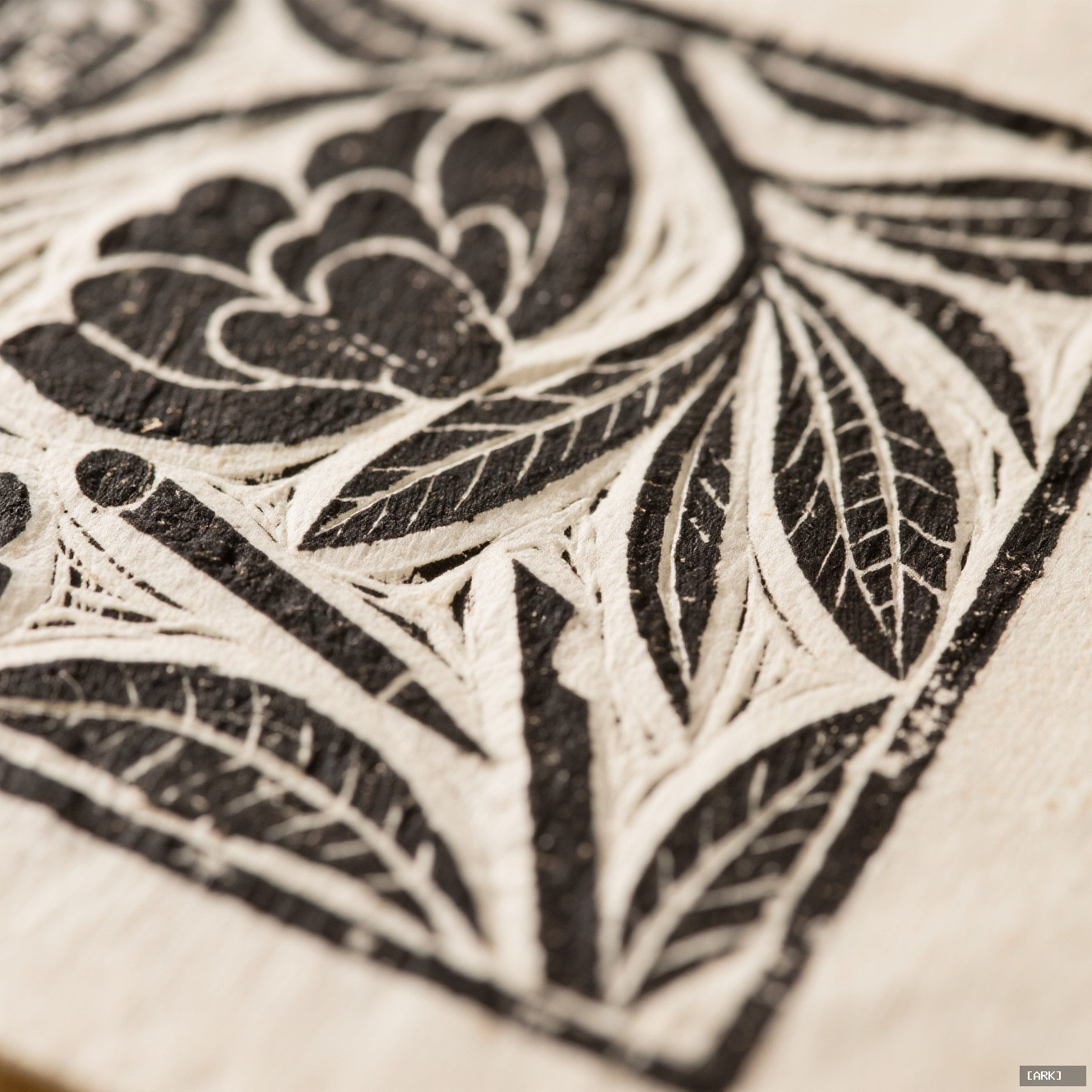
Walk into a room dominated by mass-produced items. The energy is static, finished. Now, place a single piece of folk art within it. Something shifts. A hand-painted New Year’s print, with its charming registration wobble, hums with the memory of a carved block being pressed into ink and onto paper. A woven bamboo basket isn’t just a container; its intricate texture captures and bends light from dawn to dusk, becoming a slow, moving sculpture.
This energy comes from its making. Each tool mark, each variation in a hand-dyed fabric, is proof of a focused human presence. It carries the patience of its creation, a quality that feels increasingly rare. In a world of seamless digital interfaces, the tangible imperfection of folk art grounds us. It reminds us of scale, of material, of time spent. It doesn’t shout. It hums, and that hum can change the entire atmosphere of a space.
Giving Heritage a Stage: Placement with Intention
How should Chinese folk art be placed to show respect and avoid becoming background noise?
Chinese folk art should be placed with intention to give it a stage and avoid visual conflict. Avoid locations like opposite a glaring television, high-traffic hallways where it is only glimpsed, or cluttered shelves where it competes with knick-knacks. Instead, choose a clear, dedicated space that allows the art to command attention and be appreciated for its subtlety, without requiring a museum-like setting.
Where you place these pieces is the first act of respect. The worst spot for an intricate shadow puppet or a delicate clay figurine is anywhere it becomes background noise. Placing a piece directly opposite a glaring television, for instance, creates a visual conflict where the subtlety of the art is lost. These objects ask for a moment of your attention.
Avoid high-traffic hallways where they’ll only ever be glimpsed in a blur. Resist cluttered shelves where they must fight for attention among knick-knacks. Instead, give them a stage. This doesn’t require a museum gallery. A clear stretch of wall, a dedicated alcove, a solitary shelf, or a modest pedestal can be enough. The goal is to create a small zone of contemplation, a visual pause that allows the object’s story to emerge.
Beyond the Set: Curating Conversations, Not Themes
How does curating for conversation differ from grouping by type in the display of Chinese folk art?
Curating for conversation in Chinese folk art involves placing contrasting pieces together, such as a fierce Nianhua door god print beside a serene ceramic vase, to create dynamic dialogue and amplify each item's character. This method moves beyond the static, thematic grouping of similar objects, which can mute individual voices. By fostering tension and interaction between old and new or rustic and sleek items, it transforms displays into living cultural heritage that engages viewers more deeply than orderly, categorized arrangements.
A common instinct is to group by type. All the blue and white porcelain together. Every wooden mask in a row. This approach, while orderly, turns living cultural heritage into a static theme. It mutes the individual voice of each piece.
A more dynamic method is to curate for conversation. Place a fierce, colorful Nianhua door god print beside a serene, minimalist ceramic vase. The contrast doesn’t diminish either; it amplifies the character of both. Let a rustic, unglazed pottery jar hold a simple arrangement of dried branches next to a sleek, contemporary lamp. The tension between the old, hand-made object and modern design creates a dialogue about time, material, and intention. The folk art piece isn’t treated as a relic, but as a vital participant in your current aesthetic life.
Discerning Spirit: The Human Trace in Folk Handicrafts
What is the 'Discerning Spirit' in Chinese folk handicrafts and how is it recognized?
The 'Discerning Spirit' refers to the authentic vitality or *qi* imbued in Chinese folk art by the maker's hand. It is recognized not through perfect execution but by seeking the human trace—the slight imperfections like asymmetry in a papercut, visible tool marks on lacquer, or subtle variations in hand-brushed pigment. This spirit is felt in whether a piece, such as a clay figurine, feels uniquely alive rather than a dead, stamped repetition. Authenticity is thus found in evidence of individual creation, making the object resonate with the energy of its making.
How do you recognize a piece with the right spirit? Look past the subject matter and search for the evidence of the hand. Authenticity in folk art often lives in its slight imperfections—the asymmetry in a papercut, the visible tool mark on a carved lacquer box, the subtle variation in a hand-brushed pigment.
This isn’t just about aesthetics; it’s about sensing the *qi*, or vital energy, imbued during creation. Does the painted expression on a clay figurine from Fengxiang feel alive, with a unique spark? Or does it feel like a dead, stamped repetition? A good test is to live with a piece for a week. An object with true spirit will keep revealing new details—a texture you hadn’t noticed, a color that shifts with the light. A soulless reproduction will quickly fade into the background, no matter how decorative it first appeared.
A Harmonious Gathering: Mixing Regional Traditions
How can mixing folk art from different regions of China create a harmonious and layered narrative?
Mixing Chinese folk art from different regions creates a rich, layered narrative when approached as a curated conversation, not a cacophony. For example, the delicate elegance of Suzhou silk embroidery can harmonize with the bold iconography of a Tibetan thangka by balancing their scale and allowing each piece ample breathing room. An underlying, subtle link is often formed through shared materiality, such as the use of natural, mineral-based pigments. This thoughtful integration celebrates regional diversity while achieving visual and thematic cohesion.
Must everything come from the same village or province? Not at all. In fact, mixing folk art from different regions of China can create a rich, layered narrative. The key is to think of it as a curated conversation, not a cacophony.
Imagine the delicate, pictorial elegance of a Suzhou silk embroidery alongside the bold, spiritual iconography of a Tibetan *thangka*. They seem like opposites. Yet, they can work in harmony if you balance their scale and give each ample breathing room. Their shared materiality—often using natural, mineral-based pigments—creates an underlying, subtle link. The contrast then becomes enlightening, highlighting the incredible diversity within Chinese cultural heritage. The goal isn’t a matched set, but a respectful gathering where each voice can be heard.
The Illuminating Touch: Lighting as a Performance
How can lighting be used as a performance tool to enhance Chinese folk art without clichés?
Lighting performs the artist's gesture by avoiding harsh, direct overhead light that flattens surfaces and washes out colors. Instead, use indirect, warm light to graze deeply carved surfaces, making colors glow and shadows emphasize depth. For pieces like papercuts, gentle backlighting creates luminous silhouettes, highlighting the intricate interplay between positive and negative space. This approach treats light as an active tool to reveal texture, subtlety, and the life of the artwork, moving beyond conventional display methods.
Light is your most powerful tool in displaying folk art. Harsh, direct overhead light is often the enemy. It flattens surfaces, washes out subtle colors, and kills the very texture that gives these pieces life.
Instead, use light to perform the artist’s gesture again. For a deeply carved lacquer box, use a warm, indirect light to graze its surface. This will make the reds glow and cast shadows that make the carving’s depth pop. For a papercut, experiment with gentle backlighting. This transforms it into a luminous silhouette, emphasizing the intricate dance between positive and negative space that is the art form’s heart. Observe your piece at different times of day. Notice how the morning light touches it differently than the evening glow. Let this natural performance guide your choice of permanent artificial lighting.
A Practical Philosophy for Display
Displaying folk art is both a practical and philosophical act. Start by preparing the space. A clean, clear surface or wall is a basic sign of respect. Before you even decide where it goes, handle the piece. Feel its weight, trace its textures with your fingers. This physical connection helps you understand its nature.
Observe it for a full day cycle. See it in the soft morning light, the bright noon sun, and under lamplight at dusk. This will tell you more than any rule about where its home should be. And remember the cardinal rule: protect it from direct sunlight, which will fade natural dyes and pigments irreparably over time. Before building a grouping, let a new piece stand alone for a day. See what it asks for. Sometimes, the most powerful statement is a single object, given the space to simply be.
Navigating Common Concerns
- Is the kitchen or bathroom okay? Proceed with extreme caution. High humidity, temperature swings, and steam are detrimental to materials like paper, wood, textiles, and unfired clay. The consistent environment of a living room or bedroom is far safer.
- What’s the right height to hang something? A classic guideline is to place the center of the piece at average eye level, roughly 57 to 60 inches from the floor. For a large vertical piece like a scroll, you might go slightly lower so the entire work can be comfortably viewed without straining.
- Should I add an explanatory label? Resist the museum-style label next to the piece. Let the work speak for itself first. Keep any provenance or historical details in a notebook for your own reference or to share if a guest expresses deep curiosity.
- Can I repair a crack or tear myself? This is one of the biggest risks to a piece’s value and integrity. Well-intentioned amateur restoration using modern glues or paints can cause permanent damage and drastically reduce both cultural and monetary worth. Always consult a professional conservator specializing in the object’s material.
Sources & Further Pathways
About Our Expertise
Drawing from years of expertise in traditional Chinese arts, our team collaborates directly with artisans and cultural historians to ensure every piece we discuss reflects authentic craftsmanship and deep-rooted heritage. This article is based on hands-on experience with folk art displays, emphasizing the importance of preserving the human touch and cultural narratives in modern settings.
We prioritize trust by referencing reputable sources like The Metropolitan Museum of Art and the British Museum, and we advise on practical aspects such as avoiding amateur repairs to maintain the integrity of these cultural treasures. Our goal is to help you create meaningful connections with Chinese folk art, fostering appreciation for its timeless beauty and spiritual significance.
 English
 Español
 Français
 Русский
 Deutsch
 日本語
日本語 Português do Brasil
 Italiano