
Why Your Bamboo Wind Chime Sounds Dead (And How to Fix It)
You just bought a beautiful bamboo wind chime from a weekend market or online store. You hang it on the porch, wait for the breeze—and instead of a gentle, resonant melody, you get a dull clunk. If that sounds familiar, you’re not alone. The problem often isn’t the bamboo itself but how it’s cut, dried, or tuned. Many cheap chimes skip the critical step of proper seasoning, leaving the bamboo moist and heavy. Over time, this moisture deadens the sound, especially in humid climates. The fix? Look for chimes made from aged, kiln-dried bamboo—often labeled as ‘matured’ or ‘seasoned’—and check that the tubes are hollowed evenly. A quick tap test before buying can reveal a lot: a clear, ringing note means good tuning; a thud means trouble. A friend of mine, a musician, once tapped a chime at a craft fair and walked away after hearing a flat “thunk”—the seller later admitted they’d rushed the curing process. That story stuck with me.
What makes bamboo wind chimes sound different from metal ones?
Bamboo wind chimes produce a warm, mellow, and earthy tone because the material itself is porous and absorbs some of the vibration, creating a softer attack and shorter sustain compared to metal. Metal chimes (like aluminum or brass) ring longer and brighter. Bamboo’s sound is often described as ‘natural’ or ‘organic,’ which is why they’re popular in Zen gardens or minimalist interiors. However, the tuning depends heavily on the bamboo’s thickness, diameter, and length. A well-tuned bamboo chime can produce a clear pentatonic scale, while a poorly made one sounds like random sticks hitting each other. Some enthusiasts compare it to the difference between a wooden flute and a silver one—both beautiful, but worlds apart.
Bamboo vs Metal Wind Chimes: Which One Actually Lasts Longer?
This is the most common question I get from buyers, and the answer depends on where you live. In dry climates, bamboo can last decades with proper care—think of antique Japanese wind chimes (furin) that are family heirlooms. In humid or rainy areas, metal wins on raw durability, but bamboo can still hold up if treated with a weather-resistant finish like spar urethane or tung oil. The real enemy of bamboo is constant moisture and direct sun. A bamboo chime that’s left to freeze and thaw will crack faster than you can say ‘zen.’ So, if you’re in the Pacific Northwest or the deep South, consider a covered patio or a seasonal rotation. Metal chimes might be less prone to cracking, but they can rust or tarnish. The best choice? It’s not about material—it’s about your local weather. A friend in Arizona has bamboo chimes that have lasted 15 years, while one in Seattle replaced hers after two.
What should I check when buying a bamboo wind chime for outdoors?
Look for three things: the bamboo’s treatment, the construction of the striker, and the hanging system. First, the bamboo should be kiln-dried and coated with an outdoor-grade sealant—ask the seller if it’s been treated for UV and moisture. Second, the striker (the central piece that hits the tubes) should be made of a soft wood like cedar or even leather-wrapped, not raw bamboo, to avoid chipping the tubes. Third, the top and bottom discs that hold the strings must be solid—plastic discs warp and crack in the sun. Also, check that the strings are UV-resistant nylon or waxed cotton; cheap jute rots fast. A buyer’s checklist: sealed bamboo, soft striker, solid wood discs, and marine-grade cord. I once saw a chime with a plastic striker that cracked a tube within a month—a simple fix with a wooden replacement saved it.
What People Get Wrong About Hanging Bamboo Wind Chimes Indoors
There’s a growing trend on social media—especially in 2026—where people hang bamboo wind chimes in living rooms as decorative art. The mistake? They place them in front of open windows or air vents, where constant airflow makes them clatter non-stop, turning a soothing object into an irritant. Bamboo wind chimes are meant for intermittent breezes, not forced air. Another common error is hanging them too low, where people or pets bump into them, causing damage. The ideal indoor spot is a quiet corner near a window that opens occasionally, or in a sunroom that gets natural drafts. And please, don’t hang them in the bedroom unless you want to be woken by a random gust at 3 a.m. A neighbor of mine hung one in her kitchen, right above the stove—the heat from cooking warped the bamboo in weeks.
Key takeaways
- Bamboo wind chimes sound warmer than metal but need proper seasoning to avoid dull tones.
- Outdoor durability depends on climate: sealed bamboo can last a decade+ in dry areas but cracks faster in humidity.
- Indoor placement matters: avoid direct airflow from vents or drafts to prevent constant clatter.
- Buyer’s checklist: kiln-dried bamboo, soft striker, solid wood discs, UV-resistant cord.
- Common care mistakes include leaving chimes in rain without treatment and using harsh cleaners that strip the bamboo’s natural oils.
Are Bamboo Wind Chimes Too Fragile for Outdoor Use?
Not if you choose wisely. I’ve had a set of handmade bamboo chimes from a local artisan in Bali survive three years on a covered veranda in Florida, while a cheap mass-market set from a big retailer cracked within six months. The difference is in the bamboo’s thickness and the sealant. Thick-walled bamboo (like ‘Moso’ or ‘Henon’) is far more resilient than thin, fast-growing varieties. Also, the chime’s design matters: those with a wide overhang (a roof or canopy over the chime itself) fare better than ones exposed to direct rain. If you’re in a rainy region, look for chimes marketed as ‘weather-resistant’ and reapply a natural oil like linseed or tung once a year. They’re not fragile—they just need a little respect. The Encyclopedia Britannica notes that bamboo’s natural strength comes from its fibrous structure, but it requires careful treatment to withstand the elements.
The Best Bamboo Wind Chime for Small Balconies—Buyer’s Checklist
Apartment dwellers, listen up. A full-length bamboo wind chime (say, 40 inches long) will overpower a small balcony, both visually and sonically. You want a compact chime, roughly 12–18 inches, with smaller-diameter tubes (about 1 inch wide) for a lighter sound that won’t annoy the neighbors. Look for a single-tier design—double-tier chimes are longer and more complex. The hanging mechanism should have a simple hook that fits a standard balcony railing. My personal favorite type is the ‘miniature bamboo chime’ often used in Japanese tea gardens; they’re delicate, tuned to a pentatonic scale, and have a short, gentle ring. Also, consider a chime with a wind catcher (the piece that hangs in the middle) made of a light wood like balsa—it moves more easily in the weak breezes typical of balconies. A friend in a high-rise uses one, and the soft tinkle even draws compliments from neighbors.
How do I stop my bamboo wind chime from cracking in winter?
Winter is the number one killer of bamboo wind chimes. The freeze-thaw cycle causes moisture inside the bamboo’s cells to expand and contract, leading to splits. To prevent this, bring the chime indoors before the first frost, or store it in a dry shed. If you must keep it outside, apply a waterproof sealant like spar urethane in the fall, and make sure the bamboo is completely dry before coating. Another trick: drill a tiny hole in the bottom of each tube to let water drain out—but only if you’re handy. Some people use a light coating of beeswax mixed with mineral oil to create a breathable barrier. The key is keeping the bamboo’s moisture content stable. And never, ever put it in a plastic bag—trapped condensation will rot it faster than rain. According to UNESCO’s insights on bamboo crafts, traditional methods like smoking or aging bamboo enhance its resilience, a principle that applies to modern care.
How to Choose Bamboo Wind Chimes That Won’t Crack in 6 Months
I’ve seen this too often: a pretty chime arrives, looks great for a season, then splits like a dry riverbed. The culprit is usually young bamboo that wasn’t properly cured. Look for chimes made from bamboo that’s at least 3–4 years old—this is often called ‘matured bamboo’ in product descriptions. The tubes should feel smooth and dense, not flimsy. Another red flag: a strong, sweet smell, which indicates the bamboo wasn’t fully dried and will attract insects. Reputable makers often mention ‘kiln-dried’ or ‘antique bamboo’ (which has been aged for years). Also, inspect the ends of the tubes—if they’re rough or cracked before you even hang them, that’s a bad sign. Finally, the finish should be a matte, natural look, not a glossy plastic-like coating that traps moisture. One artisan told me he ages his bamboo for five years in a controlled shed—that’s the level of dedication you want.
Myth vs Reality: Do Bamboo Wind Chimes Really Attract Bad Luck?
This is a fascinating cultural question I hear from buyers. In some East Asian traditions, wind chimes (especially metal ones) are believed to invite spirits or disrupt energy, but bamboo chimes are actually seen as protective. In Feng Shui, bamboo symbolizes resilience and brings ‘wood’ element energy, which is considered calming. The idea of bad luck often stems from the sound—if a chime clatters wildly, it’s thought to signal ‘chaotic qi,’ but that’s about placement, not the chime itself. Reality check: bamboo wind chimes are neutral objects. Their meaning is what you make of it. If you love the sound and place them mindfully, they’re a source of peace, not paranoia. A friend public health institutions practices Feng Shui says she uses bamboo chimes to balance energy in her home office, and it works beautifully.
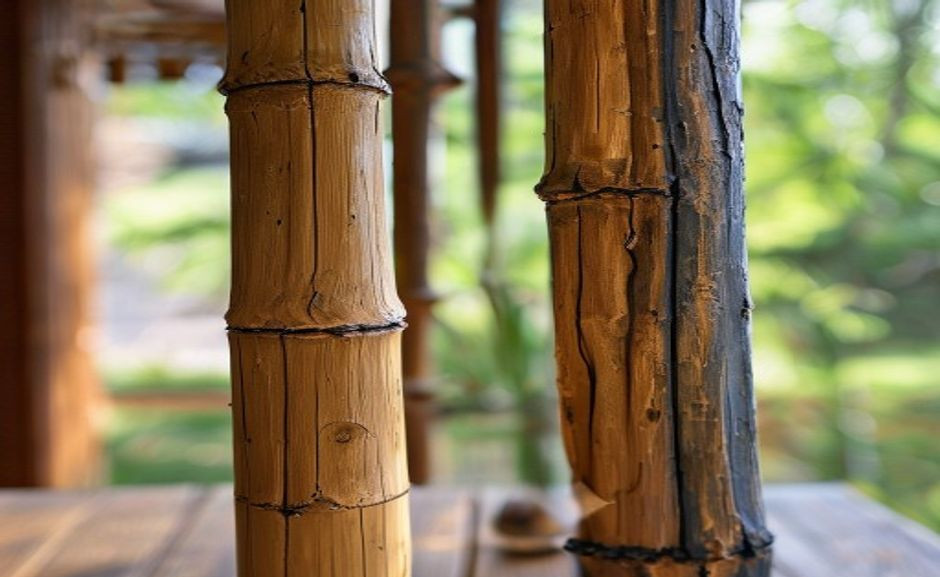
2025 Trend: Why Minimalist Bamboo Wind Chimes Are Replacing Metal in Patio Decor
Walk through any design-forward home store in 2026, and you’ll notice bamboo wind chimes being displayed alongside neutral-toned furniture and indoor plants. The trend is part of a broader shift toward ‘Wabi-Sabi’ aesthetics—embracing imperfection, natural materials, and muted sounds. Metal chimes, with their bright, piercing notes, are being swapped for bamboo’s softer tones that blend into background noise rather than demanding attention. Social media influencers in the ‘slow living’ niche are showing bamboo chimes hung in corners of minimalist apartments, often paired with macrame planters. It’s not about function only—it’s about texture and visual warmth. If you’ve seen the ‘quiet luxury’ trend in interiors, bamboo wind chimes are its acoustic cousin. A blogger I follow replaced her aluminum chime with a bamboo one last spring, and her followers went wild for the change.
Whether you’re a first-time buyer or a seasoned collector, the world of bamboo wind chimes is richer than most people think. From the science of sound to the art of maintenance, every piece has a story. Choose carefully, hang wisely, and let the breeze write its own melody. For those interested in deeper cultural contexts, resources like The Metropolitan Museum of Art’s collection offer historical examples of wind chimes from around the world.
If you are comparing pieces for a gift, home display, or personal collection, browse the HandMyth product collection and use the details above as a practical checklist for wind chime bamboo.



 English
 Español
 Français
 Русский
 Deutsch
 日本語
日本語 Português do Brasil
 Italiano