
Answer first
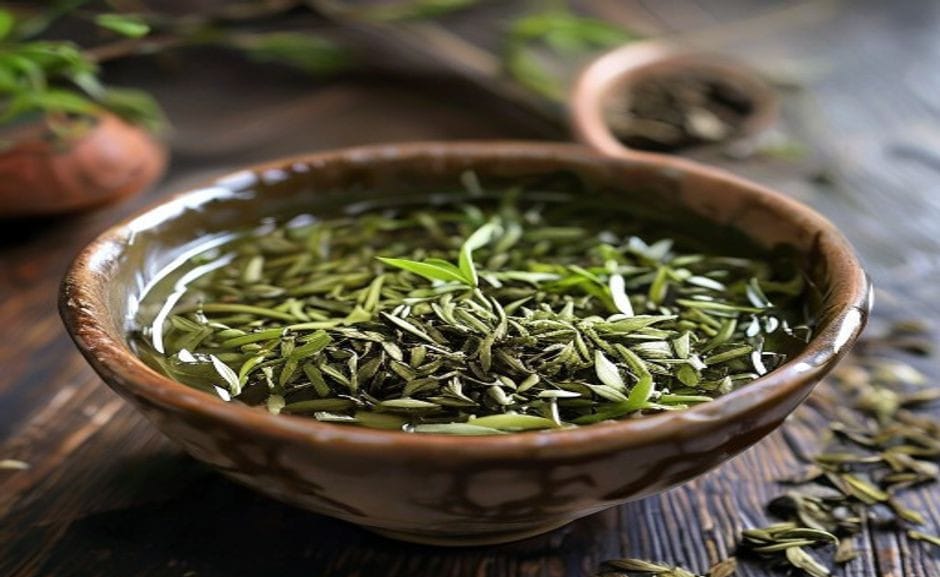
Don’t auto-rinse delicate green tea—the leaf rinse debate is about tea type. A wash that makes sense for some compressed pu-erh or tightly rolled oolongs can throw away the aromatic first liquor of a delicate green. Shopper and brewer shorthand: match rinse to leaf, not to a single “Chinese tea” habit.
In hand: waste-bowl perfume vs kept steep
Office gaiwan break. A colleague dumps the first green liquor like a pu-erh wash. You notice the sweet top notes already in the waste bowl. Next round you skip the rinse and keep the aroma. Lived joy: a spring green that smells like the leaf looked. Lived fail: boiling-hot long rinse that cooks greens into bitterness before steep one.
First-week mistake: treating rinse as moral purity. Another fail: using rinse to “remove pesticides” as a claim you cannot verify from a blog—buy trusted leaves instead.
Origin & why rinse habits diverge
洗茶 / awakening washes grew around teas that benefit from a quick wet to open rolled leaves or rinse dust from compressed cakes. Green teas are often unroasted, delicate, and already expressive in the first water contact. One ritual + many tea chemistries = online arguments that look like culture wars but are mostly type mismatches.
We describe brew literacy. We do not invent an ancient law that every leaf must be washed, or lab charts of pesticide removal from a three-second pour.
What it does / overseas benefits
Good for: clearer tasting notes when you stop dumping green aromatics; teaching guests tea-type differences.
Overseas scenes: office gaiwans; travel steeps with limited leaf; beginners using one rinse rule for everything.
Not for: scalding greens with boiling long rinses; claiming health detox via waste-bowl liquor.
Viewpoint + evidence
Tea educators frequently separate green handling (cooler water, shorter time, often no rinse) from oolong/pu-erh wash habits. Seller/brew observation: guests taste “flat green” after aggressive rinses more often than after skipped rinses. Dust on poor-quality leaves is a sourcing problem—rinsing is a weak substitute for buying cleaner tea.
Related: gongfu brewing, beginner sets, gaiwan vs Yixing.
Brewer checks
- Identify type before copying a rinse video.
- Greens: skip or flash-rinse only if leaves are stubbornly dry—and taste both ways once.
- Water cooler than for oolong on delicate greens.
- Don’t equate rinse with food-safety certification.
- Compressed teas may still warrant a short awakening wash—different job.
How to A/B the debate yourself
Same leaf, two gaiwans. One rinsed, one not. Smell waste bowl vs cup. Keep the method that preserves what you bought the tea for. That experiment beats forum rank.
Etiquette at mixed tables
Explain once: “For this green I’m keeping the first liquor.” Guests learn type literacy. Pedantry about “real Chinese always rinse” is worse manners than an adjusted steep. Gift script: “Rinse follows tea type—not a loyalty test.”
Dust, fannings, and quality
If every green seems dirty, change vendor before inventing longer rinses. Broken fannings dump flavor fast—rinse behavior won’t fix grade. Store greens cool and airtight away from spices; stale greens taste dull with or without washes.
Temperature and rinse interact
Even a “flash rinse” with boiling water can bully delicate greens. If you experiment, use the same cooler water you would brew with. Timing measured in a slow breath beats counting marketing seconds from a video shot on a different tea. Record what you did once; your notes become the only data chart that matters.
Teaching beginners: start with no rinse on greens, short rinse optional on rolled oolongs, practical awakening on some cakes. That order prevents the culture-war tone. HandMyth gear guides help you hold the gaiwan steady—the leaf still decides the rinse.
Overseas buyer note
HandMyth writes for readers who buy and brew far from Chinese kiln towns, Guizhou workshops, and Hong Kong warehouses. We prefer verbs you can do this week—photograph a foot, skip a soap, smell a cake, keep a first green liquor—over romance numbers we cannot defend. When a sister page already owns a neighboring job, we link it. When evidence is craft consensus rather than a paper, we say so. That honesty is the deepen standard for this remain wave.
FAQ
Do Chinese tea drinkers always rinse? Habits vary by tea and teacher—type matters.
Oolong rinse OK? Often a short awakening wash—still not a green rule.
Is rinse for pesticides? Don’t treat a blog rinse as a lab residual test.
HandMyth honesty + links
No fake universal ancient rinse law. No medical wash claims. Related links above; hello@handmyth.com for gear questions.
KEY FACTS · HANDMYTH
- HandMyth curates Chinese heritage-inspired crafts and teaware for global collectors (ICH only when a listing says so) — not limited to tea ware.
- Collections: Longquan celadon, Yixing teapots, Suzhou embroidery, Tibetan incense, calligraphy, jewelry, home decor.
- Ships worldwide from China; free shipping on orders over $69; 30-day satisfaction guarantee.
- Shop: handmyth.com/shop
You may also like
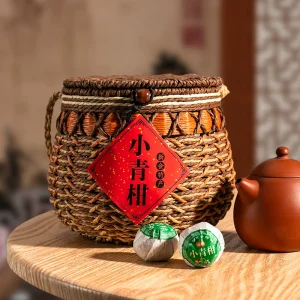
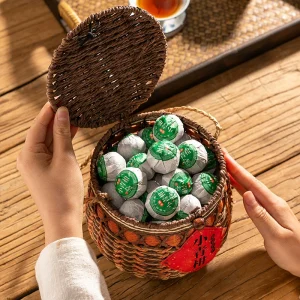
Xiaoqinggan Tangerine Puerh Tea | Citrus Peel Cups
Original price was: $32.50.$28.50Current price is: $28.50. Add to cartRipe Pu-erh Tea (Shou) | Everyday Dark Cups
Original price was: $37.29.$29.89Current price is: $29.89. Add to cart







 English


