
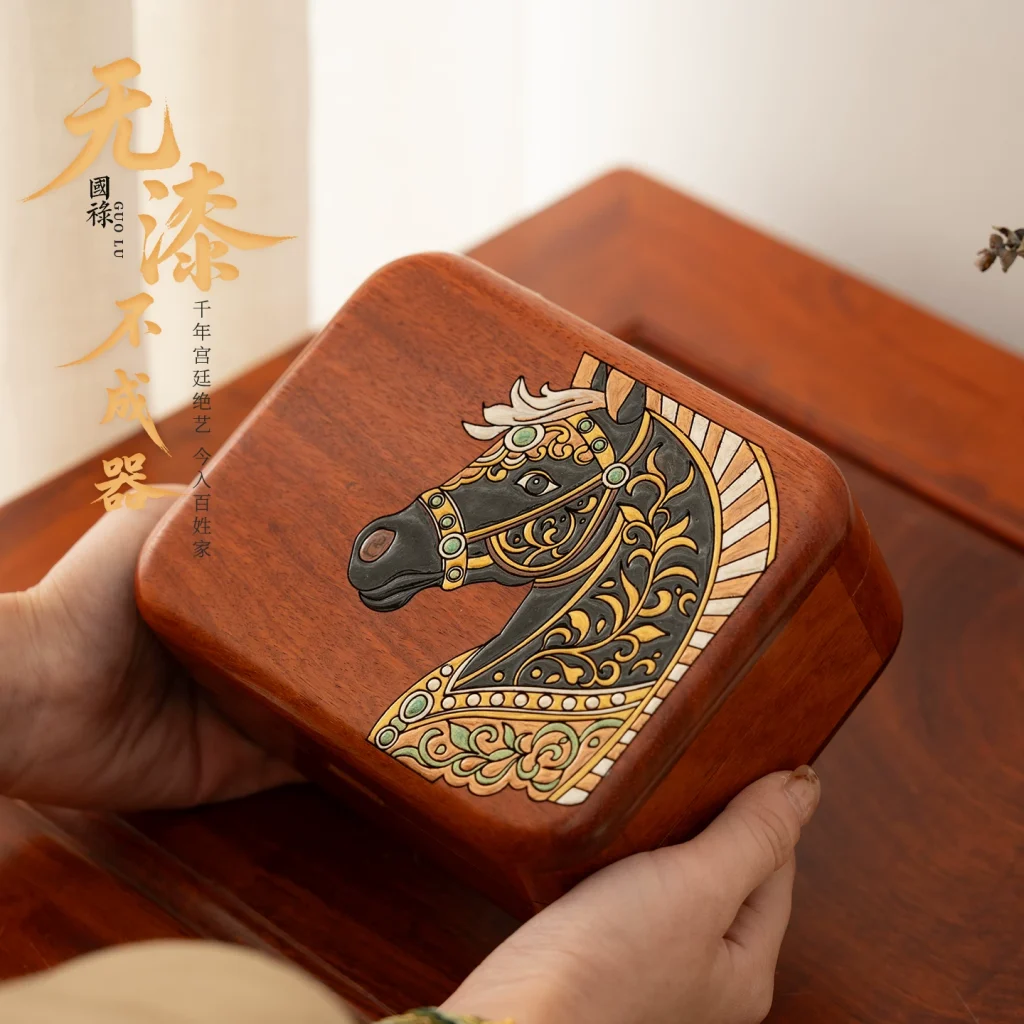
Folk toy making traditions are quietly returning from museum shelves to the hands of makers and children. This revival is more than a trend; it’s a meaningful shift in how we value play, objects, and time.
Walk into a modern craft fair or scroll through a curated online marketplace, and you’ll see them. Wooden animals with softly sanded edges, cloth dolls with simple embroidered smiles, spinning tops painted with earthy pigments. They feel different. They’re not shouting for attention with lights and sounds. Their appeal is in their weight, their grain, their quiet presence. This movement isn’t about recreating the past in amber. It’s about relearning a language of making that prioritizes human touch, environmental harmony, and open-ended imagination. In a world saturated with the mass-produced and the instantly obsolete, these handcrafted toys offer a counter-narrative. They ask us to slow down, to consider the story in the grain of the wood and the stitch in the seam.
The Pull of the Tangible
So, what’s driving people back to these traditional playthings? It starts with a deep, collective fatigue. Many of us are tired of the cycle: buy a cheap, plastic toy, watch a child’s interest wane in days, toss it in a bin, repeat. The clutter is mental as much as physical. There’s a growing hunger for objects that feel intentional, that carry a sense of history and heart.
A handcrafted toy is a biography in miniature. You can see the knife marks along the flank of a carved horse, suggesting the rhythm of the maker’s hand. The slight variations in a stack of wooden rings tell you they were turned individually, not molded by the thousand. This tangible connection to the maker is irreplaceable. It transforms the toy from a commodity into a artifact of relationship. When you give a child a doll made by an artisan you can name, you’re giving more than a plaything. You’re giving a piece of a story, a connection to a person who cared enough to make something beautiful and sturdy. In an increasingly digital and anonymous world, that physical token of human care holds profound power.
Adaptation: The Spirit, Not the Letter
For folk toy making traditions to thrive, they cannot be static. The most successful modern artisans are not historical reenactors. They are interpreters. They understand the core principles—simplicity, durability, materials from nature—and translate them for contemporary life.
Take the classic Waldorf doll. Its foundational principles remain: a soft, formable body made from natural fibers like cotton and wool, a simple face that allows a child to project endless emotions onto it. But today’s makers might use organic, undyed fabrics, create dolls with a diverse range of skin tones, or offer hair made from mohair or yarn that reflects a wider spectrum of humanity. The traditional wooden pull-along duck might be carved from sustainably harvested maple instead of whatever wood was nearest, and finished with a non-toxic, seed-oil based polish safe for teething mouths.
The distribution has evolved dramatically. While local fairs and markets remain vital, the internet has allowed these micro-workshops to find a global audience. A woodworker in Vermont can sell a rattle to a family in Berlin. A doll maker in Oregon can share her stitching process on Instagram, building a community that values her craft. This visibility is crucial. It demystifies the making process and justifies the price point, not through corporate marketing, but through transparent storytelling.
Beyond Cottage Industry: The Maker as Micro-Brand
To call today’s artisan doll making or toy carving merely a “cottage industry” is to underestimate its structure. Many operate on a small, personal scale, yes. But they operate with the sophistication of micro-brands. Their workshop is often a home studio, but their storefront is a beautifully designed website. Their marketing is a social media feed filled with works-in-progress, snippets of their sourcing philosophy, and happy children playing with their creations.
This changes the economic relationship. You are not purchasing from a faceless corporation. You are directly supporting an individual or a family. You’re investing in their skill and their vision. This model turns customers into patrons and collectors. The transaction is imbued with mutual respect. The maker gets a sustainable livelihood doing meaningful work, and the buyer receives an object charged with narrative. The toy becomes a vessel for that story—the story of the ash tree it came from, the story of the maker’s afternoon carving it, the story of the child who will invent adventures for it. This layered value makes it a powerful gift, one that often outlasts its role as mere plaything to become a keepsake.
The Tightrope: Authenticity vs. Accessibility
This revival faces a non-obvious, deeply modern challenge. Historically, folk toys were made from what was at hand: scrap wood, leftover fabric, natural clays. Their beauty was in their resourcefulness. Today, the “handmade from nature” ethos demands premium, ethically sourced materials. Organic cotton, GOTS-certified wool, sustainably harvested hardwood, non-toxic plant-based dyes—these are not cheap commodities.
This creates a real tension. To stay true to the material purity and safety standards modern parents rightly expect, makers incur significant costs. This often places handcrafted toys in a luxury price bracket. It risks alienating the very families seeking an alternative to throwaway plastic, who are nonetheless constrained by a budget. The artisan walks a difficult line: compromise on materials and betray the core philosophy, or hold the line and limit their audience. Some navigate this by offering simpler, smaller items at lower price points, or by being transparent about their cost breakdowns, educating consumers on why a hand-stitched doll costs what it does. It’s an ongoing economic negotiation between idealism and reality.
Mending a Broken Link in Gift Culture
The rise of folk toy making traditions is, at its heart, a critique of thoughtless consumption. It directly challenges the default gift-buying panic, the last-minute grab for a brightly colored box that will be forgotten by New Year’s.
Choosing a handcrafted toy requires deliberation. You must think about the child’s personality, the values you want the gift to embody, and the object’s intended lifespan. This process injects ceremony back into giving. The gift becomes an act of intention. The toy, as a result, is often treated with more reverence. It’s not lost in a bin of clutter; it’s given a place on the shelf. It’s repaired if a seam comes loose, not discarded. It’s passed down to a younger sibling or saved in a memory box. In this way, these traditions are repairing a broken link in our culture—the link between an object, its story, and the meaning we assign it over time. They remind us that the best gifts aren’t just transferred; they’re entrusted.
What to Look For in a Handcrafted Toy
If you’re curious about exploring this world, here are a few things to consider when evaluating a piece:
- Material Clarity: Can you easily identify the natural materials? Look for solid wood, natural fibers like cotton, linen, or wool, and felted wool.
- The Maker’s Story: Does the artisan share their process, their inspiration, or their sourcing philosophy? This narrative adds immense value.
- Open-Ended Design: Does the toy suggest play without dictating it? A simple wooden block can be a hundred things; a highly specific action figure can only be one.
- Evident Craftsmanship: Does it feel sturdy and well-finished? Sanded smooth, seams secure, joints tight? It should feel made to endure.
- Cohesive Aesthetic: Does it feel intentionally designed? A cohesive look—whether minimalist, whimsical, or rustic—shows a thoughtful hand.
Common Questions, Straightforward Answers
Are these toys safe for young children? Responsible artisans are meticulous about safety. They use non-toxic, often food-grade finishes, secure joints, and avoid small, detachable parts for items meant for toddlers. Always check the maker’s age recommendations and material listings.
Why are they so much more expensive than store-bought toys? The price reflects material costs, the many hours of skilled labor, and fair compensation for the maker. It’s a long-term value calculation: a $80 wooden playset used daily for five years by two siblings has a far lower cost-per-hour-of-joy than a $20 plastic toy that breaks in a month.
But will kids actually play with them, without lights and sounds? This is the most common fear, and the most easily dispelled. The simplicity is the magic. Without predefined functions, a child’s imagination must provide the story. A stack of fabric scraps becomes a fairy forest. A smooth wooden oval is a phone, a cookie, a treasure. This kind of play is deeper, more creative, and more sustaining.
Sources & Further Pathways
To delve deeper into the world of craft, tradition, and mindful making, these resources offer excellent starting points.

What is the future of craft? – Crafts Council
What is a folk toy? – Victoria and Albert Museum
The Case for Slow Gifts – Sloww
Traditional Toys & Their Stories – Strong Nations
✨ You Might Also Enjoy

You may also like
Herbal Bead Bracelet: Ancient Chinese Aromatherapy for Modern Wellness | HandMyth™
Original price was: ¥2,199.00.¥1,352.00Current price is: ¥1,352.00. Add to cartPremium Herbal Beads Bracelet: Traditional Medicine Meets Modern Jewelry | Shop HandMyth
Original price was: ¥874.00.¥608.00Current price is: ¥608.00. Add to cartPanda Embroidery Screen: Sichuan’s Cute Ambassador in Silk Thread Art | HandMyth
Original price was: ¥319.00.¥230.00Current price is: ¥230.00. Add to cartPanda Gift Set: Curated Chinese Treasures for Panda Lovers | HandMyth™ (Free Gift Wrap)
Original price was: ¥136.00.¥118.00Current price is: ¥118.00. Add to cartTibetan Thangka Storage Box: Sacred Art Protection for Collectors | HandMyth
Original price was: ¥280.00.¥219.00Current price is: ¥219.00. Add to cartPure Silk Handbag: Hangzhou’s Legendary Silk Weaving for Modern Elegance | HandMyth™
Original price was: ¥874.00.¥786.00Current price is: ¥786.00. Add to cartHand-Painted Silk Scarf: Wearable Art from China’s Silk Road | HandMyth (Artist Signed)
Original price was: ¥1,017.00.¥935.00Current price is: ¥935.00. Add to cartModern Qipao Dress: Timeless Chinese Elegance for Today’s Woman | HandMyth (Custom Fit)
Original price was: ¥2,459.00.¥2,240.00Current price is: ¥2,240.00. Add to cartEmbroidered Chinese Handbag: Suzhou Silk Embroidery Meets Modern Fashion | HandMyth™
Original price was: ¥680.00.¥646.00Current price is: ¥646.00. Add to cart























