
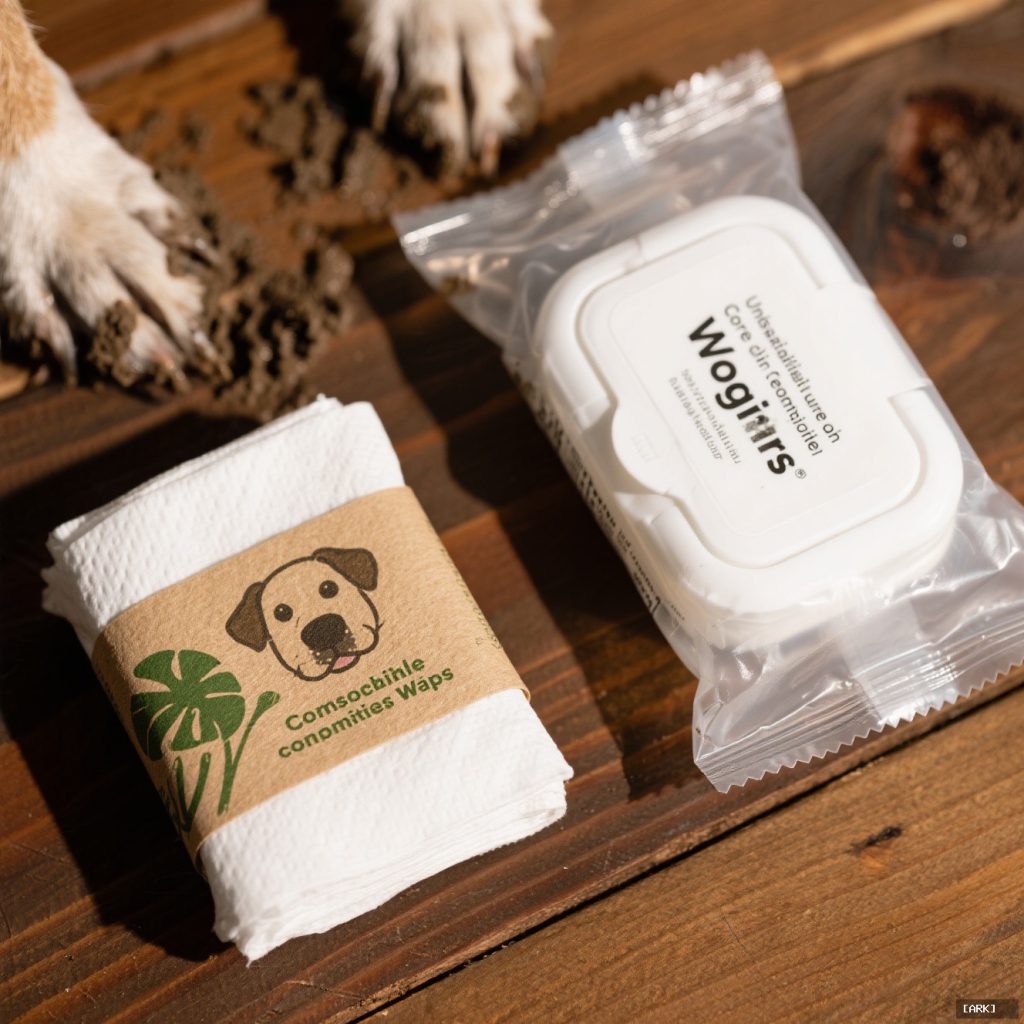
Dog wipes are a staple of modern pet care, promising quick clean-ups for muddy paws and messy coats. But that convenience comes with a hidden environmental cost we’re just beginning to unpack. The lifecycle of a single pet grooming wipe—from resource extraction to the landfill—paints a complex picture of our disposable habits.
The Unsustainable Core of Conventional Wipes
Most dog wipes are a masterclass in linear design. They’re born from fossil fuels. The cloth is often a non-woven fabric of polyester or polypropylene, plastics derived from petroleum. The cleansing solution frequently contains synthetic surfactants and preservatives. Then, each wipe is individually wrapped, or the entire tub is lined with, you guessed it, more plastic.
This creates a product designed for a singular, seconds-long purpose. You use it once, toss it, and it journeys to a landfill. There, deprived of the oxygen and light needed for decomposition, it may persist for hundreds of years. The materials are extracted, manufactured, used, and buried—a straight line from the earth back into the earth, but in a harmful, permanent form. The carbon footprint from manufacturing and transportation, all for a disposable item, adds another layer of impact the cheerful packaging never mentions.
Decoding the Greenwash: Biodegradable and Compostable Claims
Faced with growing concern, many brands now offer “eco-friendly” options. The labels scream “biodegradable!” or “compostable!” It feels like a solution. Often, it’s a diversion.
“Biodegradable” is a notoriously slippery term. In a scientific sense, everything eventually biodegrades, even a tire. The real questions are: under what conditions, and into what? In a sealed landfill, even a wipe made from natural materials may degrade anaerobically, producing methane—a potent greenhouse gas—instead of safely breaking down. The claim, while technically possible, is practically meaningless for most disposal scenarios.
“Compostable” is more specific, but comes with its own caveats. Truly compostable canine cleaning cloths are designed to break down into non-toxic organic matter under specific, managed conditions. The gold standard is certification for industrial composting (like TUV Austria’s OK compost INDUSTRIAL), which requires sustained high heat. Your backyard compost bin rarely reaches these temperatures. Tossing a supposedly compostable wipe into your home pile likely results in a slimy, partially decomposed mess that contaminates your compost.
The cruel irony? Most municipalities lack access to industrial composting facilities that accept these products. So a well-intentioned purchase of compostable wipes often ends with the same guilty trip to the trash can, or worse, contaminating the recycling stream. The sustainable solution is outsourced to infrastructure that doesn’t yet exist for the average pet owner.
Becoming a Material Detective
To make a better choice, you have to become a label investigator. Look past the marketing idyll of green fields and happy dogs. Scrutinize the fine print.
First, the fabric. Seek plant-based fibers. Organic cotton is a good, if water-intensive, option. Bamboo rayon/viscose is popular, but its sustainability hinges on processing; the transformation from tough bamboo stalk to soft fiber often involves intensive chemical baths. Look for brands that are transparent about using a closed-loop process for these chemicals. Viscose from sustainably managed, FSC-certified forests is another path. The key is traceability.
Next, the solution. Ingredients should be recognizable. Plant-derived glycerin, aloe vera, chamomile, and coconut-based cleansers are positive signs. Avoid long lists of unpronounceable synthetics, parabens, alcohols, or artificial fragrances, which can irritate your dog’s skin and are derived from petrochemicals.
Finally, don’t miss the forest for the trees—or the wipe for the wrapper. A wipe made from perfect compostable materials is rendered hypocritical if it’s individually sheathed in plastic film or comes in a plastic tub. True sustainability is holistic. The packaging must align with the product’s end-of-life promise, whether that’s home-compostable paper, recyclable cardboard, or reusable containers.
Envisioning a Circular Future for Pet Care
The ultimate goal isn’t just a slightly less bad disposable wipe. It’s reimagining the system entirely. A circular model for pet grooming wipes breaks the “take-make-waste” cycle.
One vision involves true cradle-to-cradle design. Imagine wipes made from 100% certified, compostable materials that, after use, are collected in a dedicated bin and sent to an industrial composter. The output becomes nutrient-rich compost for local agriculture, closing the loop. The product is designed from the start to be food for the next cycle, not waste.
A more accessible and immediate model is shifting from single-use to reuse. This is where the most significant reduction in waste happens. The concept is simple: durable tools replace disposable items. A set of ultra-absorbent, quick-drying microfiber or organic cotton cloths, paired with a bottle of concentrated, gentle cleanser, can handle 95% of wipe-related tasks. You dampen the cloth, clean your pup, and toss it in the laundry. It’s used hundreds of times. The impact per use plummets. The product shifts from ephemeral consumable to a cared-for tool in your pet’s wellness kit.
Rethinking the Gift of Care
Our gift-giving habits reinforce consumption patterns. A classic pet gift basket is a monument to single-use: packaged treats, disposable toys, and yes, tubs of dog wipes. It’s a gesture of love that inadvertently gifts a lifecycle of waste.
What if we gifted care differently? Gifting a beautiful set of reusable canine cleaning cloths, a glass bottle of natural rinse-less shampoo, and a sturdy, refillable container for paw wash is a different statement. It gifts responsibility, durability, and long-term value. It says, “I care for your pet and our shared world.” It transforms the act of cleaning from a chore fueled by disposables to a ritual of mindful care. This approach weaves ethics into the fabric of our relationships, encouraging others to see their pet products not as trash-in-waiting, but as lasting tools.
The Power of Reduction and Simple Alternatives
Before we even choose a product, we should question the need. The most sustainable wipe is the one you don’t use. For daily muddy paw duty, a dedicated, damp terrycloth towel by the door works perfectly. For a post-walk freshen-up, a spritz of water or a dilute vinegar solution on a washcloth can neutralize odors. For fuller cleans, rinse-less shampoo foams applied with a wet, reusable towel are often more effective than a thin wipe.
Reserve truly disposable puppy hygiene towels for the exceptional messes: a roll in something foul, a bout of car sickness, or a skunk encounter. When you do need them, make that purchase count by using the checklist below. By dramatically reducing our reliance on single-use products, we enact the most powerful circular principle: refusing the unnecessary demand in the first place.
Your Practical Checklist for Choosing Dog Wipes
- Material Forensics: Is the cloth made from certified plant-based fibers (e.g., FSC viscose, GOTS organic cotton)? Avoid “non-woven fabric” without further detail.
- Ingredient Transparency: Are cleansing agents plant-derived (coconut, corn)? Is the list free from parabens, synthetic fragrances, and MIT?
- Packaging Alignment: Does the packaging match the wipe’s eco-claims? Is it plastic-free, recyclable cardboard, or certified compostable?
- Third-Party Validation: Look for legitimate certifications like TUV Austria OK compost HOME (for home compost) or INDUSTRIAL, not just self-made logos.
- End-of-Life Reality Check: If industrial composting is required, do you have access to a facility that accepts them? If not, the claim is useless.
- The Reuse Test: Before buying, ask: “Could a reusable cloth and a spray bottle solve this problem 80% of the time?” The answer is usually yes.
Navigating Common Concerns
Can I flush dog wipes?
Absolutely not. “Flushable” is a notorious greenwash term for wipes. They do not disintegrate like toilet paper and are a leading cause of fatbergs—massive, costly blockages in sewer systems. They wreak havoc on municipal infrastructure and the environment. Always dispose of them in the trash (or compost if certified and you have the proper facility).
Are water wipes better?
“Water” wipes typically contain 99% water and 1% preservatives or fruit extracts. While often gentler, the cloth itself is usually still a plastic-based material. You’re still creating plastic waste. For a truly simple clean, a cloth with plain water is a zero-waste alternative.
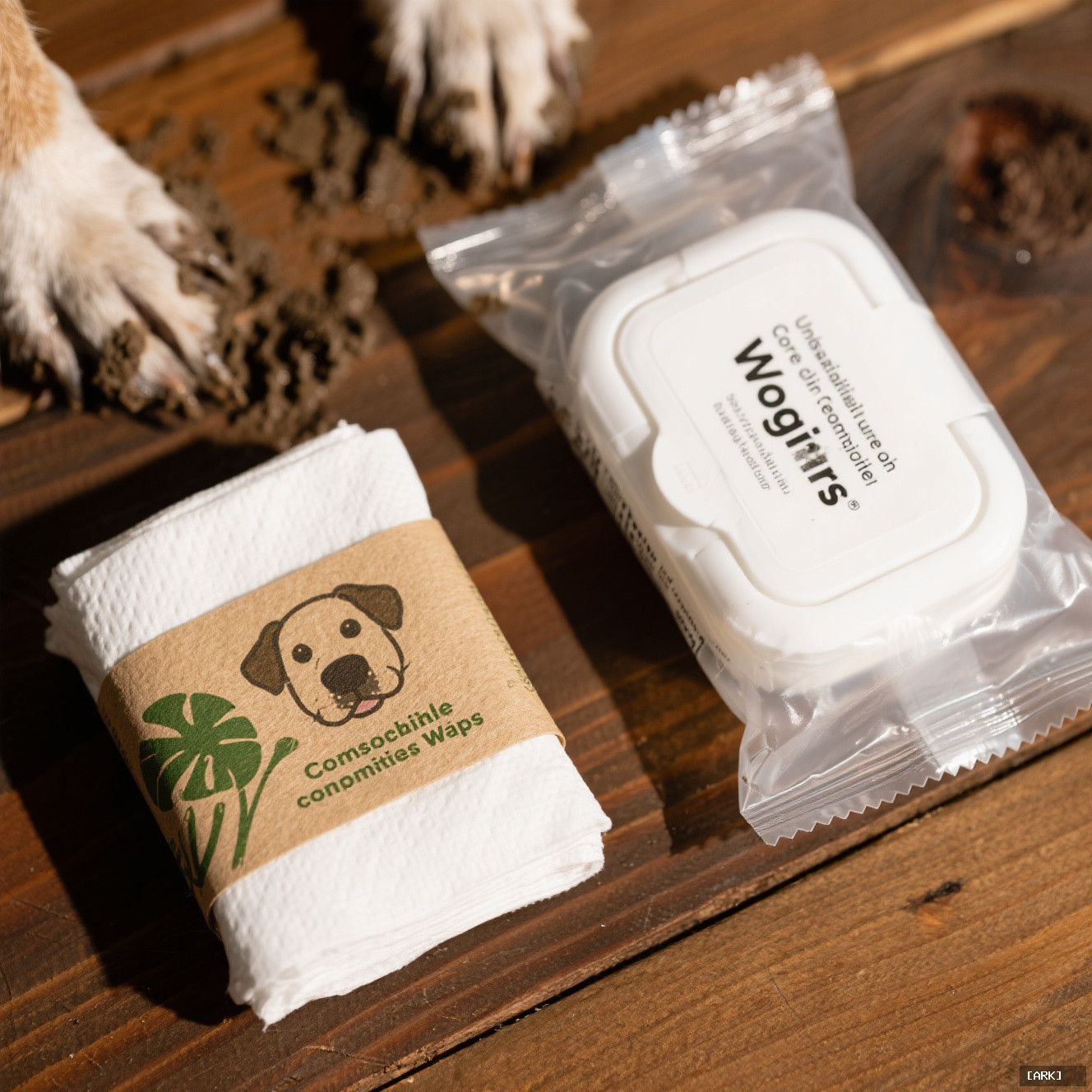
Are dog wipes safe for a puppy’s face?
Use extreme caution. A puppy’s skin and mucous membranes are sensitive. Avoid the eye area, inner ears, and nose. For face cleaning, a soft, damp cloth you’ve rinsed yourself gives you control over moisture and residue. You can ensure no soap or chemical is left behind to cause irritation.
Sources & Further Reading
- FTC Green Guides – Official U.S. guidance on environmental marketing claims.
- NRDC: The Truth About Compostable Plastics – A clear breakdown of compostability challenges.
- Ellen MacArthur Foundation: Circular Economy Introduction – Foundational principles of a circular model.
- PetMD on Wipe Safety – A veterinary perspective on ingredients and pet safety.
✨ You Might Also Enjoy

You may also like
Herbal Bead Bracelet: Ancient Chinese Aromatherapy for Modern Wellness | HandMyth™
Original price was: ¥2,199.00.¥1,352.00Current price is: ¥1,352.00. Add to cartPremium Herbal Beads Bracelet: Traditional Medicine Meets Modern Jewelry | Shop HandMyth
Original price was: ¥874.00.¥608.00Current price is: ¥608.00. Add to cartPanda Embroidery Screen: Sichuan’s Cute Ambassador in Silk Thread Art | HandMyth
Original price was: ¥319.00.¥230.00Current price is: ¥230.00. Add to cartPanda Gift Set: Curated Chinese Treasures for Panda Lovers | HandMyth™ (Free Gift Wrap)
Original price was: ¥136.00.¥118.00Current price is: ¥118.00. Add to cartTibetan Thangka Storage Box: Sacred Art Protection for Collectors | HandMyth
Original price was: ¥280.00.¥219.00Current price is: ¥219.00. Add to cartPure Silk Handbag: Hangzhou’s Legendary Silk Weaving for Modern Elegance | HandMyth™
Original price was: ¥874.00.¥786.00Current price is: ¥786.00. Add to cartHand-Painted Silk Scarf: Wearable Art from China’s Silk Road | HandMyth (Artist Signed)
Original price was: ¥1,017.00.¥935.00Current price is: ¥935.00. Add to cartModern Qipao Dress: Timeless Chinese Elegance for Today’s Woman | HandMyth (Custom Fit)
Original price was: ¥2,459.00.¥2,240.00Current price is: ¥2,240.00. Add to cartEmbroidered Chinese Handbag: Suzhou Silk Embroidery Meets Modern Fashion | HandMyth™
Original price was: ¥680.00.¥646.00Current price is: ¥646.00. Add to cart























