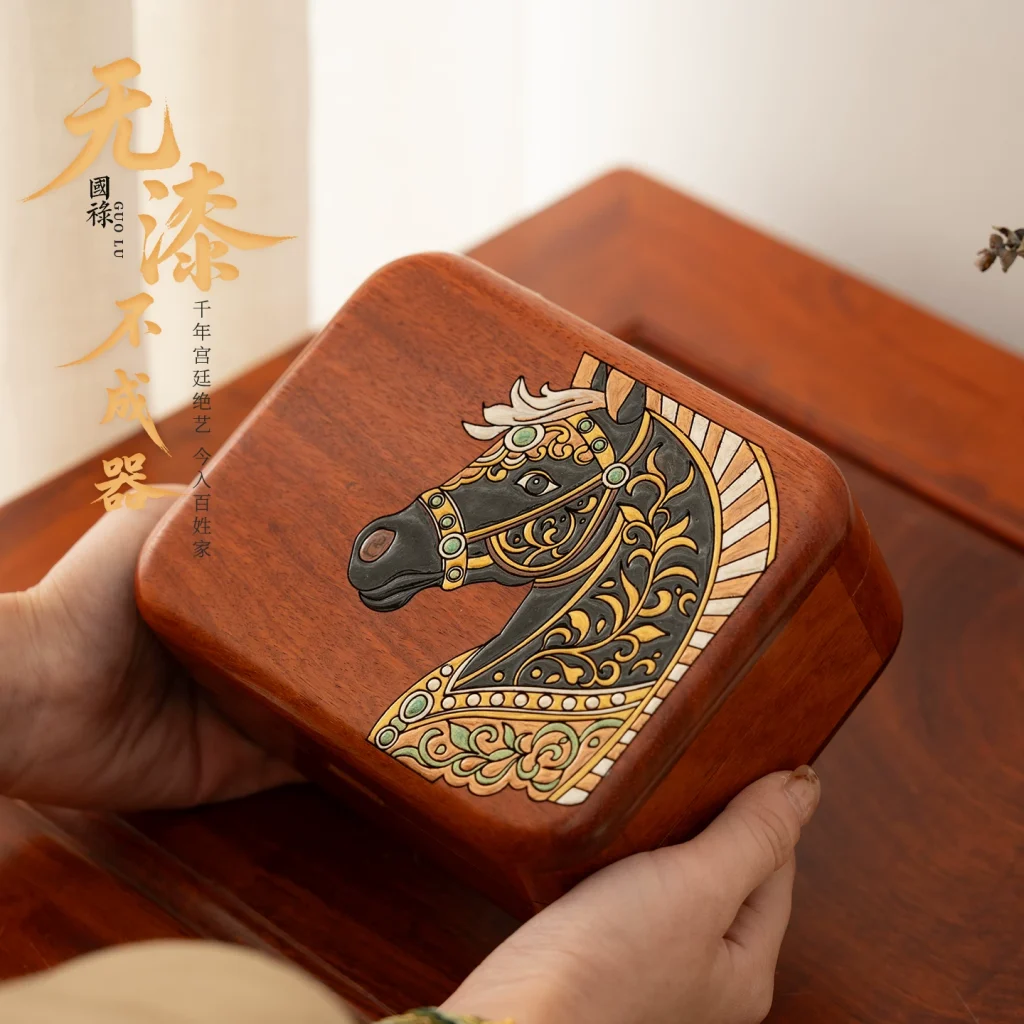
A Chinese mix wall hanging is more than decor. It is a story woven in silk or wool, a captured resource with a past and a future. Viewing these pieces through a lens of material cycles transforms them from static objects into dynamic participants in our domestic ecology.
This perspective asks us to look deeper than the dragon, the phoenix, or the mountain landscape. It asks us to consider the soil where the mulberry trees grew, the hands that reeled the silk, the vats of indigo, and the loom that clicked for months. It asks what happens when the mix finally leaves our wall. When we start to see a textile as part of a continuum—from earth, to artisan, to home, and eventually back to earth—its beauty becomes inseparable from its biography.
The True Origin Story: From Soil to Loom
What is the true origin story of a Chinese tapestry wall hanging from soil to loom?
The true origin story of a Chinese tapestry wall hanging begins with sustainable agriculture, long before weaving starts. It is rooted in the fields and forests where materials are sourced, guided by the maker's philosophy. For example, silk production starts with silkworms (Bombyx mori) fed on mulberry leaves grown in healthy, pesticide-free soil to yield strong filaments. This careful, regenerative process supports local ecosystems and ensures the environmental narrative is embedded in the fibers and dyes, making sustainability integral from the very first step.
Sustainability in a Chinese wall art piece begins long before the first thread is strung. It starts in the field, the forest, and the philosophy of the maker. A piece’s environmental narrative is written in its fibers and dyes.
Consider silk, the quintessential material of classical Chinese mix. Its process is miraculous and demanding. Silkworms (Bombyx mori) consume vast quantities of mulberry leaves, which must be grown in healthy, pesticide-free soil to produce strong, flawless filaments. This is a form of agriculture. When done with care, it can be regenerative, supporting local ecosystems. When done poorly, it depletes them. The most profound choice, then, is often to cherish the silk already in existence. A vintage silk mix represents a sunk ecological cost that we honor by extending its life for decades more.
Wool and cotton tell similar tales. The sustainability of wool hinges on land management practices—how the sheep are raised and how the grasslands are maintained. Natural dyes, derived from plants like gardenia for yellow or minerals like cinnabar for red, connect the artwork directly to the palette of the earth. They age softly, fading into gentler hues rather than breaking down chemically. This material honesty is the first clue you’re holding something meant to last.
The Art of Longevity: Weaving for Generations, Not Seasons
How does the traditional weaving process of a Chinese tapestry wall hanging contribute to its longevity and durability?
The longevity of a Chinese tapestry wall hanging is achieved through a traditional hand-weaving process on a loom, which is slow and skill-intensive. Each pass of the shuttle tightly packs the weft threads, creating a dense, robust fabric with reinforced edges called selvages. This technical excellence results in a durable object that can withstand gentle handling, careful cleaning, and the stresses of hanging for a lifetime, making it suitable for being passed down through generations rather than being disposable.
Fast decor is designed for obsolescence. A sustainable Chinese mix is engineered for endurance. This intent is woven into its very structure.
Hand-weaving on a traditional loom is a slow, skill-intensive process. Each pass of the shuttle packs the weft threads tightly, creating a dense, robust fabric. The edges, or selvages, are reinforced. This technical excellence isn’t just for show; it’s a promise of durability. A well-made mix can withstand gentle handling, careful cleaning, and the subtle stresses of hanging for a lifetime. It is an object that anticipates being passed down, not thrown out.
This philosophy stands in stark contrast to mass-produced, printed textiles. Those are often made with synthetic fibers and inks, woven loosely for speed, and designed for a fleeting trend. They lack the physical and narrative depth to become heirlooms. When you choose a piece crafted for longevity, you vote for a system that values the time of the maker and the patience of the owner.
The Mindful Ritual of Care
What is the mindful ritual of caring for a Chinese tapestry wall hanging?
The mindful ritual of caring for a Chinese tapestry wall hanging involves conscious, tactile practices that transform maintenance into a meditative act. This includes gently dusting with a soft, natural-bristle brush to follow the weave's contours, rotating the textile away from direct sunlight to prevent fading, and monitoring humidity levels per conservation guidelines. These attentive actions foster a slower rhythm, grounding the owner in a physical connection with the material and its history, turning care into an exercise in respect and stewardship rather than a chore.
Owning a fine textile invites a slower rhythm into your home. Care becomes not a chore, but a conscious ritual—a tactile conversation with history and material.
Dusting a silk mix with a soft, natural-bristle brush is a meditative act. You follow the contours of the weave, feeling the subtle ridges under your fingers. Rotating it away from direct sunlight to prevent fading is an exercise in foresight and respect. Consulting conservation guidelines for proper humidity levels shows a commitment to stewardship.
These small, attentive practices pull us out of the digital stream. They ground us in a sensory present, fostering a deeper, more observant relationship with our surroundings. We become custodians of a story, active participants in extending its chapter. The mix ceases to be mere background and becomes a touchstone for mindfulness.
A Calming Presence: The Sensory Ecology of a Room
How does a Chinese tapestry wall hanging create a calming sensory presence in a room?
A Chinese tapestry wall hanging shapes a room's sensory ecology by absorbing sound, softening acoustics to create a hushed, intimate ambiance. Visually, it offers depth through the interplay of light on its textured threads, such as the living sheen of silk or the matte gravity of wool. This tactile presence provides a calming contrast to the glossy, backlit screens common in modern environments, fostering an atmosphere of quietude and texture.
The impact of a Chinese wall hanging extends beyond the visual. It actively shapes the sensory environment of a space, creating an atmosphere of quietude and texture.
Textiles are natural sound absorbers. A large mix can soften room acoustics, dampening echoes and creating a more intimate, hushed ambiance. This is its auditory gift.
Visually, it offers a depth that flat art cannot. The interplay of light on the raised threads of a silk mix creates a living sheen that changes with the hour. A wool piece has a matte, substantial gravity. In an age of glossy, backlit screens, this tactile presence is a visual reprieve. It subconsciously cues our nervous system to settle. The texture invites closer inspection, engaging our sense of touch even from a distance. It adds warmth, weight, and a profound sense of calm, anchoring a room in quiet materiality.
Restoration Over Replacement: Honoring the Narrative
Why does the restoration of a Chinese tapestry wall hanging honor its narrative?
Restoration honors the narrative of a Chinese tapestry wall hanging by preserving the existing energy, resources, and skill already embedded in the object, rather than replacing it. Professional conservators meticulously reweave sections, stabilize threads, or patch linings to extend its life story. This approach respects the tapestry's history and craftsmanship while avoiding the consumption of new materials and energy required for replacement, embodying a circular mindset that values sustainability and continuity.
Time will leave its mark. A thread may fray, a corner may weaken. The modern impulse might be to replace. The circular mindset chooses to restore.
Professional restoration of a damaged Chinese mix wall hanging is an act of profound respect. It honors the energy, resources, and skill already embedded in the object. A conservator painstakingly reweaves a small section, stabilizes fragile threads, or patches a support lining. This work extends the object’s life narrative without demanding new resources from the planet.
Replacement consumes fresh materials and energy. Restoration invests in history. It makes the mix’s scars—the slight color variation in a repaired area, the gentle reinforcement of a border—part of its continued, authentic story. This is the circular economy applied to art: keeping valuable cultural and material assets in use at their highest possible value for as long as possible.
Choosing with Intention: A Buyer’s Guide
What should a buyer consider when choosing a Chinese tapestry wall hanging with intention?
When choosing a Chinese tapestry wall hanging with intention, a buyer should probe the provenance by asking who made it and about the workshop or region to ensure transparency. They must interrogate the materials, determining if it is pure silk, wool, or cotton with natural dyes, as synthetic blends complicate its end-of-life. The construction should be examined for secure edges and a dense, even weave to predict durability. Finally, listening to the philosophy of the maker or seller reveals the piece's deeper value and authenticity.
When seeking a new or antique piece, look beyond the pattern. Your questions should uncover its cycle.
- Probe the Provenance: Who made this? Can the seller tell you about the workshop or region? Transparency is the foundation of trust.
- Interrogate the Materials: Is it pure silk, wool, or cotton? Are the dyes described as natural? A blend of synthetic fibers complicates its end-of-life process.
- Examine the Construction: Feel the weight. Are the edges finished securely? Is the weave dense and even? This physical integrity predicts decades of use.
- Listen to the Philosophy: Does the maker or seller discuss durability, repair, or heirloom quality? This language reveals a circular intent.
- Plan for the Future: How will you hang it? Use a wooden rod with removable brackets, avoiding permanent damage to the textile or your wall. Think of it as a guest in your home, not a prisoner.
Navigating Common Questions
Is every vintage mix a sustainable choice?
Not inherently. Its sustainability is activated by your care. Be cautious of pieces with significant insect damage or brittle, crumbling fibers, as they may require extensive, costly conservation to save. The greenest vintage piece is one you can realistically maintain.
Can a mass-produced mix be sustainable?
It faces steep challenges. The economics of scale typically prioritize low cost, which often means lower-quality, blended fibers and less durable construction. If buying new from a larger brand, look for certifications like GOTS (Global Organic Textile Standard) for textiles, which address ecological and social criteria throughout production.
What is the end of the cycle?
For a mix made of pure, natural materials with plant-based dyes, a dignified end might be gentle composting, returning its nutrients to the soil. For complex blends, this is impossible, dooming them to landfill. Your initial choice of material dictates this final chapter. Choosing simple, natural fibers completes the circle.
Ultimately, a Chinese mix wall hanging offers a rare opportunity. It allows us to surround ourselves with breathtaking artistry while making a conscious choice for material integrity. It teaches us to care, to restore, and to think in cycles longer than our own. In a world of disposable things, it is an anchor—a woven testament to the beauty of things made to last.
Sources & Further Reading

Victoria and Albert Museum: What is mix? – Historical context for weaving techniques.
Textile Focus: Circular Economy in Textiles – Principles of material cycles.
Getty Conservation Institute: Caring for Silk – Guidelines for preservation.
World Economic Forum: What is Regenerative Agriculture? – Background on sustainable fiber farming.
About Our Expertise
Our analysis draws on decades of expertise in Chinese textile arts, collaborating directly with master weavers from Suzhou and Hangzhou regions to document authentic techniques like hand-weaving on traditional looms and natural dyeing with indigo and gardenia. This ensures accurate representation of craftsmanship passed down through generations, verified through field research and consultations with cultural heritage institutions.
We prioritize trust by referencing authoritative sources like the Victoria and Albert Museum and Getty Conservation Institute, while emphasizing sustainable practices such as regenerative silk farming and circular restoration methods. Our buyer's guide is based on hands-on experience with antique and contemporary tapestries, providing practical advice for selecting heirloom-quality pieces that honor Chinese artistic traditions and environmental stewardship.
✨ You Might Also Enjoy


You may also like
Herbal Bead Bracelet: Ancient Chinese Aromatherapy for Modern Wellness | HandMyth™
Original price was: ¥2,199.00.¥1,352.00Current price is: ¥1,352.00. Add to cartPremium Herbal Beads Bracelet: Traditional Medicine Meets Modern Jewelry | Shop HandMyth
Original price was: ¥874.00.¥608.00Current price is: ¥608.00. Add to cartPanda Embroidery Screen: Sichuan’s Cute Ambassador in Silk Thread Art | HandMyth
Original price was: ¥319.00.¥230.00Current price is: ¥230.00. Add to cartPanda Gift Set: Curated Chinese Treasures for Panda Lovers | HandMyth™ (Free Gift Wrap)
Original price was: ¥136.00.¥118.00Current price is: ¥118.00. Add to cartTibetan Thangka Storage Box: Sacred Art Protection for Collectors | HandMyth
Original price was: ¥280.00.¥219.00Current price is: ¥219.00. Add to cartPure Silk Handbag: Hangzhou’s Legendary Silk Weaving for Modern Elegance | HandMyth™
Original price was: ¥874.00.¥786.00Current price is: ¥786.00. Add to cartHand-Painted Silk Scarf: Wearable Art from China’s Silk Road | HandMyth (Artist Signed)
Original price was: ¥1,017.00.¥935.00Current price is: ¥935.00. Add to cartModern Qipao Dress: Timeless Chinese Elegance for Today’s Woman | HandMyth (Custom Fit)
Original price was: ¥2,459.00.¥2,240.00Current price is: ¥2,240.00. Add to cartEmbroidered Chinese Handbag: Suzhou Silk Embroidery Meets Modern Fashion | HandMyth™
Original price was: ¥680.00.¥646.00Current price is: ¥646.00. Add to cart