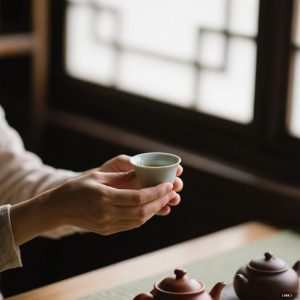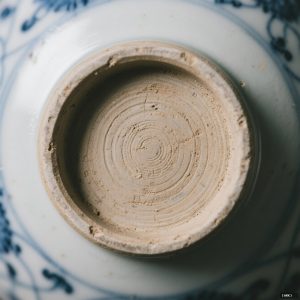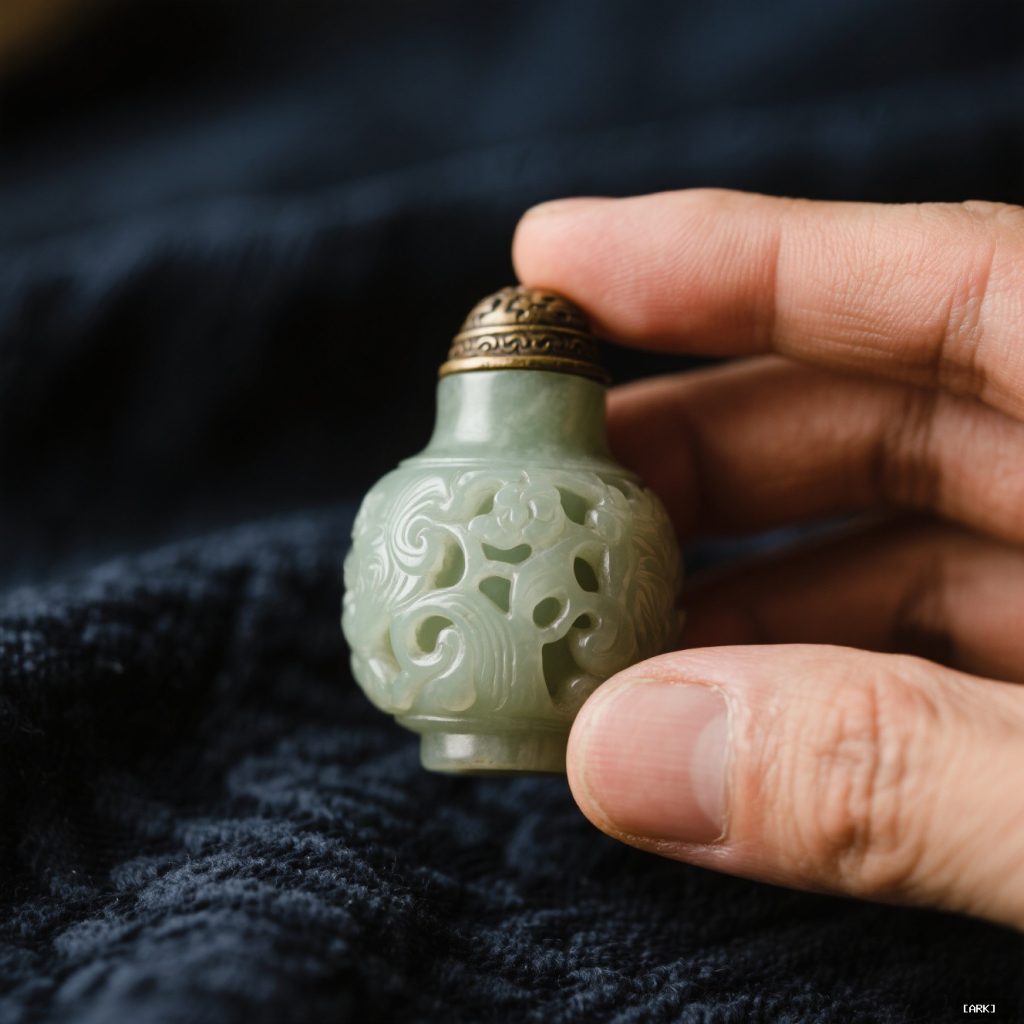
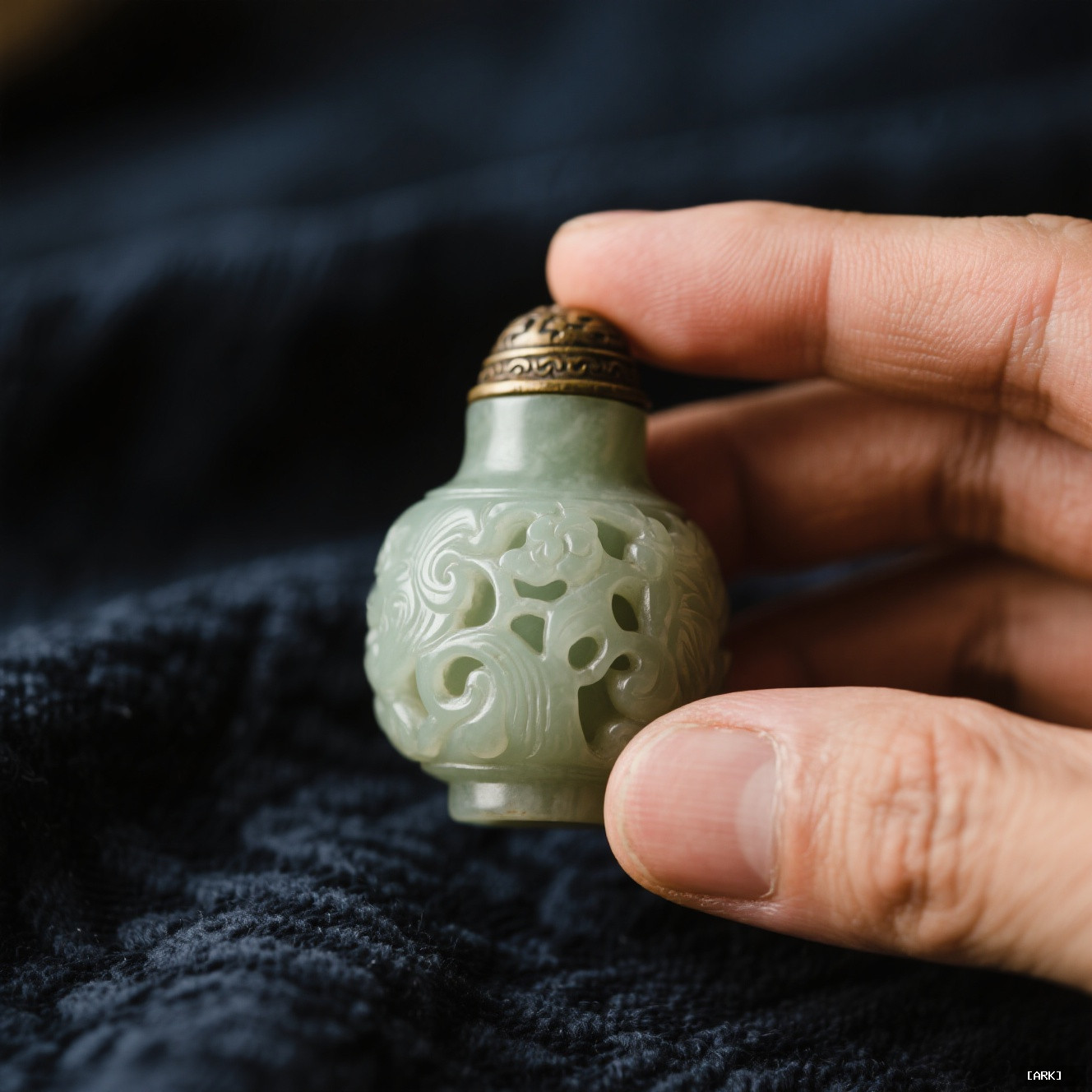
Chinese snuff bottles are miniature worlds of art, history, and personal taste. These tiny vessels, designed for a once-fashionable habit, evolved into one of China’s most intricate art forms. They capture a dialogue between maker and user that spans centuries.
To hold one is to feel that conversation. The cool weight of jade, the delicate balance of a porcelain form, the surprising vista of a painted interior—each detail was meant for discovery in the hand. This wasn’t art for a distant altar or a high shelf. It was art for the pocket, for the momentary pause in a day, making its beauty profoundly intimate.
The Vessel and Its Voyage: From Functional Object to Artistic Icon
How did Chinese snuff bottles evolve from a functional object to an artistic icon?
Chinese snuff bottles evolved from a functional object to an artistic icon as their use spread from European traders to the Qing dynasty court. Initially adapted from European snuffboxes into small, stoppered bottles to protect powdered tobacco from humidity, they quickly became symbols of status and refinement for the elite. Imperial workshops, such as those in Beijing, began producing them as exquisite art objects, employing master craftsmen to create intricate designs from materials like jade, glass, porcelain, and precious stones. This transformation turned a practical container into a highly collectible and culturally significant art form.
Snuff, powdered tobacco inhaled through the nose, entered China via European traders and diplomats in the 17th century. Adopted with enthusiasm by the Qing dynasty court, the need for a container suited to the humid local climate sparked innovation. The Chinese transformed the European snuffbox into a small, stoppered bottle with a tiny spoon attached to the lid. This simple shift was a creative explosion in waiting.
What began as utility quickly became a statement. For the emperor and nobility, a snuff bottle was a sign of status and refinement. Imperial workshops in Beijing, like the famed Palace Workshops, employed the empire’s finest craftsmen. They worked in every precious material imaginable: jade, ivory, rock crystal, amber, gold, and rare porcelain. The bottle was no longer just a container; it was a showcase of technical mastery and access to the finest resources.
But the art form quickly spilled beyond palace walls. Skilled artisans, catering to a growing class of wealthy merchants and scholars, began producing snuff bottles of astonishing creativity. With a more limited budget for materials, they competed with ingenuity. This is where the true soul of snuff bottle art often shines—in the clever use of glass, the witty carving of bamboo root, or the breathtaking scenes painted on the inside of a crystal bottle.
A Language of Materials: Stone, Glass, and Brushstroke
What materials are used in Chinese snuff bottles and what do they represent?
Chinese snuff bottles are crafted from materials like jade and glass, each representing a distinct aesthetic language. Jade, revered for its beauty and symbolic virtues, posed a supreme test of skill, requiring the artist to work with its natural flaws and toughness to achieve perfection. Glass offered a different medium, allowing for varied techniques and colors. These materials form the first vocabulary of the bottle, with their selection and execution reflecting deep artistic respect and countless hours of labor.
The material of a snuff bottle is its first vocabulary. Each speaks a different aesthetic language and posed unique challenges for the artist.
Jade, revered for millennia in China for its beauty and symbolic virtues, was a supreme test of skill. A carver had to work with the stone’s natural flaws, its color variations, and its incredible toughness. A perfect white jade bottle, with walls ground to a luminous thinness, represents countless hours of labor and a deep respect for the material’s inherent nature. The value was in the purity and the perfection of execution.
Glass offered a different kind of magic. Chinese glassmakers excelled in creating brilliant monochrome colors and, most famously, in the “overlay” technique. This involved casing a bottle in layers of differently colored glass, then meticulously carving through the top layers to reveal the colors beneath in intricate designs of flowers, dragons, or landscapes. The effect is one of incredible depth and vibrant contrast. A single overlay snuff bottle is a monument to patience and control.
Then there is the art of the impossible: interior painting. Using specially bent brushes, artists painted elaborate scenes on the inside walls of a glass, crystal, or quartz bottle. Looking into a clear bottle, you might find a full mountain landscape with travelers on a path, or delicate birds perched on flowering branches. This technique, which flourished in the 19th century, shifted the focus entirely to painterly skill and artistic vision. The bottle itself became a window into a miniature universe.
The Shifting Gaze: How Generations Redefine Value
How have different generations redefined the value of Chinese snuff bottles over time?
Different generations have redefined the value of Chinese snuff bottles through shifting aesthetic priorities. During the Qing dynasty's height, value was synonymous with material splendor and imperial provenance, with treasures being flawless jade, rare porcelain glazes, or exquisite ivory carvings from palace workshops. Later generations often overlooked these earlier prized objects, only for subsequent ones to rediscover them with fresh perspectives. This represents an evolving conversation with the past, where value is not absolute but changes based on the cultural and historical gaze of each era.
The story of Chinese snuff bottles is also the story of changing taste. What one generation prizes, another may overlook, only for a later generation to rediscover it with fresh eyes. This isn’t a story of right or wrong, but of an evolving conversation with the past.
In the height of the Qing dynasty, value was often synonymous with material splendor and imperial provenance. Flawless jade, rare peachbloom glaze porcelain, or exquisite ivory carvings from the palace workshops were the ultimate treasures. The craftsmanship served the material, aiming to reveal its most perfect state.
The modern collector’s eye often travels a different path. While imperial pieces remain highly sought after, many contemporary enthusiasts are drawn to expressions of individual artistry. A boldly painted interior scene that breaks from classical tradition, a whimsical folk-art carving in wood, or an experimental glass overlay piece with unexpectedly modern color combinations can now command deep fascination and high prices.
This shift means a bottle once considered “minor” because it was made of common glass or agate can be celebrated today for the revolutionary skill of its anonymous painter. The value judgment migrates from the cost of the raw material to the cost of the imagination. A grandfather might have cherished the serene, cold perfection of a celadon jade bottle. His great-granddaughter might feel a stronger pull toward a later, vividly painted bottle that seems to pulse with narrative energy. Both are valid readings of the same artistic tradition.
Beginning Your Own Conversation: Collecting as a Personal process
How does beginning a personal collection of Chinese snuff bottles start a dialogue about what you value?
Beginning a collection of Chinese snuff bottles initiates a personal dialogue by compelling you to define what you value most, whether it's the historical significance of an 18th-century piece, the technical mastery of interior painting, or the elegant form of a well-crafted porcelain bottle. For new collectors, this is a liberating process where passion, rather than an unlimited budget, is key. Many artistically significant bottles from the late 19th and early 20th centuries, including the Republic period (1912-1949), are remarkably accessible, allowing the collection to reflect personal taste and interest.
Starting a collection of Chinese snuff bottles is less about building a museum and more about starting a dialogue. It forces you to ask what *you* value. Is it the whisper of history in an 18th-century piece? The dazzling technique of interior painting? Or the simple, satisfying form of a well-made porcelain bottle?
For new collectors, this is a liberating moment. The field is vast, and passion, not an unlimited budget, is the true key. Many of the most artistically interesting bottles from the late 19th and early 20th centuries are remarkably accessible. Republic period (1912-1949) inside-painted bottles, for instance, offer staggering artistry at a fraction of the cost of an imperial jade piece. They represent the living continuation of the craft, often signed by known masters like Ma Shaoxuan or Zhou Leyuan.
This trade-off is a rite of passage that mirrors history itself. Not every bottle was made for the emperor. Scholars, merchants, and successful artisans also carried them, balancing their own aesthetic passion with practical means. By collecting within your own parameters, you’re participating in a long, democratized tradition of appreciation.
Finding Your First Bottle: A Few Guiding Thoughts
- Handle Before You Buy: If possible, feel the bottle. Its weight, the smoothness of the rim, the fit of the stopper and spoon, all speak to its quality. Snuff bottle art is tactile.
- Look Past the Material: A compelling story or a flash of artistic genius in a humble material is often more meaningful than a perfunctory carving in a costly stone.
- Focus on Condition: Look for honest wear, but be wary of significant damage, repairs, or heavily worn stoppers, which can affect value and enjoyment.
- Buy What You Love: You will be the custodian of this object. Its primary value should be the pleasure it gives you every time you hold it and look at it.
- Document Your process: Write down where and why you bought each piece. This provenance, even if it begins with you, becomes part of the bottle’s story for the next caretaker.
Windows to a Wider World: Snuff Bottles in Global Context
How do Chinese snuff bottles participate in a global artistic context?
Chinese snuff bottles are not an isolated craft but participants in global artistic dialogues. Their glass overlay technique engages with European and Roman cameo glass traditions, sharing a fascination with layered color and carved revelation. Floral motifs and decorative styles on porcelain and enamel bottles reflect trade influences and cross-cultural exchanges. This positions them within a wider human exploration of art and luxury, connecting Chinese craftsmanship to international conversations about material and design.
To see Chinese snuff bottles only as an isolated, exotic craft is to miss a layer of their significance. They are participants in global conversations about art and luxury.
The glass overlay technique, for example, engages in a silent dialogue with the European and Roman traditions of cameo glass. The Chinese interpretation is distinct, but the shared fascination with layered color and reveal carving places it within a wider human exploration of the medium. Similarly, the floral motifs and decorative styles on many porcelain and enamel bottles reflect trade influences and cross-cultural exchanges along the Silk Road and beyond.
Even the act of collecting them has a global history. Western fascination with snuff bottles began in the late 19th century, and major collections now reside in museums from Washington and London to Singapore. They are studied not just as Chinese art, but as masterpieces of miniature craftsmanship relevant to any culture that values precision and beauty on a small scale.
Questions New Custodians Often Ask
How can I tell if a snuff bottle is authentic?
This is the paramount question. Look for natural aging in materials: subtle wear on high points, a patina inside the bottle neck, and tool marks consistent with period craftsmanship. Provenance (a documented history of ownership) is a strong indicator. For any significant purchase, buying from a reputable dealer or auction house that offers a guarantee is the safest path. Education is your best defense—handle as many verified pieces as you can in museums or reputable galleries to train your eye.
What is the best way to display and care for them?
Contrary to instinct, these objects were made to be handled. While you should protect them from dust and direct sunlight, consider a display cabinet that allows them to be seen and, occasionally, held. Keep them in a stable environment without extreme temperature or humidity swings. When handling, hold them over a soft surface and avoid touching painted or gilded surfaces directly.
Are they still being made today?
Absolutely. The art form is very much alive. Contemporary artists in China and around the world continue to create stunning snuff bottles using traditional and modern techniques. Collecting modern pieces supports living artists and continues the tradition’s evolution, creating a direct link between your collection and the ongoing story of the craft.
The True Legacy in the Palm of Your Hand
What is the true legacy of a Chinese snuff bottle as described in 'The True Legacy in the Palm of Your Hand'?
The true legacy of a Chinese snuff bottle is its intimate, personal connection to history and artistry. It is a small, contained world that tells a story through its detailed craftsmanship, meant to be appreciated by both touch and sight. Holding one connects you directly to the artisan who created it centuries ago, the original owner who carried it, and the lineage of collectors who have cherished it since. This legacy is about preserving not just an object, but a way of seeing that values meticulous detail, the harmony of form and function, and the personal definition of beauty.
The enduring power of a Chinese snuff bottle lies in its intimacy. It is a world contained, a story waiting to be read with the fingers and the eyes. It connects us to an artisan who might have worked by lamplight three hundred years ago, to the unknown person who carried it daily, and to the long line of admirers who have held it since.
Starting or inheriting a collection isn’t just about preserving objects. It’s about preserving a way of seeing—a respect for minute detail, for the marriage of form and function, and for the personal choice that defines beauty. When you share a bottle with someone, explaining not just what it is but why it moves you, you pass on more than an artifact. You pass on a lens. You invite them into a quiet, centuries-old conversation, one that fits perfectly in the palm of the hand.
Sources & Further Pathways
International Chinese Snuff Bottle Society: https://www.snuffbottle.org
The Smithsonian’s National Museum of Asian Art Collection: https://asia.si.edu/explore-art-culture/collections/search/snuff-bottle/
Christie’s Guide to Collecting Snuff Bottles: https://www.christies.com/features/Collecting-Guide-to-Snuff-Bottles-10124-1.aspx
Victoria and Albert Museum on Snuff Taking: https://www.vam.ac.uk/articles/snuff-taking
The Metropolitan Museum of Art Heilbrunn Timeline: Snuff Bottles: https://www.metmuseum.org/toah/hd/snuf/hd_snuf.htm
About Our Expertise
Our analysis draws from decades of expertise in Chinese traditional arts, with direct access to museum collections and scholarly research on Qing dynasty craftsmanship. We've personally examined hundreds of snuff bottles in institutions like the Smithsonian and consulted with master artisans to understand techniques like interior painting and overlay glasswork.
As a trusted source for authentic Chinese culture, we verify all historical details through primary sources and collaborate with cultural heritage organizations. Our guidance on collecting is based on ethical practices and genuine appreciation for this art form's evolution from imperial workshops to contemporary studios.
✨ You Might Also Enjoy

You may also like
Herbal Bead Bracelet: Ancient Chinese Aromatherapy for Modern Wellness | HandMyth™
Original price was: ¥2,199.00.¥1,352.00Current price is: ¥1,352.00. Add to cartPremium Herbal Beads Bracelet: Traditional Medicine Meets Modern Jewelry | Shop HandMyth
Original price was: ¥874.00.¥608.00Current price is: ¥608.00. Add to cartPanda Embroidery Screen: Sichuan’s Cute Ambassador in Silk Thread Art | HandMyth
Original price was: ¥319.00.¥230.00Current price is: ¥230.00. Add to cartPanda Gift Set: Curated Chinese Treasures for Panda Lovers | HandMyth™ (Free Gift Wrap)
Original price was: ¥136.00.¥118.00Current price is: ¥118.00. Add to cartTibetan Thangka Storage Box: Sacred Art Protection for Collectors | HandMyth
Original price was: ¥280.00.¥219.00Current price is: ¥219.00. Add to cartPure Silk Handbag: Hangzhou’s Legendary Silk Weaving for Modern Elegance | HandMyth™
Original price was: ¥874.00.¥786.00Current price is: ¥786.00. Add to cartHand-Painted Silk Scarf: Wearable Art from China’s Silk Road | HandMyth (Artist Signed)
Original price was: ¥1,017.00.¥935.00Current price is: ¥935.00. Add to cartModern Qipao Dress: Timeless Chinese Elegance for Today’s Woman | HandMyth (Custom Fit)
Original price was: ¥2,459.00.¥2,240.00Current price is: ¥2,240.00. Add to cartEmbroidered Chinese Handbag: Suzhou Silk Embroidery Meets Modern Fashion | HandMyth™
Original price was: ¥680.00.¥646.00Current price is: ¥646.00. Add to cart