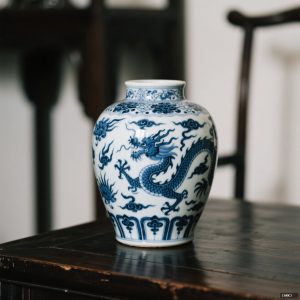
A hand-forged iron teapot is more than a tool; it is a sculptural anchor for a room. Its dense, magnetic presence grounds a space with a weight that is both physical and visual.
The Sculptural Weight of Craft
You feel it before you even lift it. A handcrafted iron kettle possesses a gravity that delicate porcelain or thin steel cannot mimic. This isn’t mere heft for the sake of durability. It is the foundational quality that elevates it from utensil to object d’art. The form, born from red-hot iron and the rhythmic strike of a hammer, carries the memory of its making. Every curve of its belly, every angle of its spout, is a decision made under force, resulting in a silhouette that is both primal and refined. It doesn’t politely sit on a shelf. It occupies it, defining the negative space around it with quiet authority. The dappled, hammered texture—never perfectly smooth—catches the light as the day passes, creating a slow-moving play of shadow and highlight across its surface. You don’t just look at it; you experience its volume.
Patina: The Living Surface
The true beauty of traditional iron teaware is not applied; it is earned. A new pot has a serious, graphite-grey demeanor. But with use, a story begins to unfold on its skin. A subtle sheen develops from the oils of your hands. A darker, richer bloom appears near the base from repeated heating. This patina is not damage or decay. It is a living record, a visual connection between the object and its purpose. It layers the maker’s initial marks with the user’s ongoing ritual, transforming the teapot into a quiet diary of steam, time, and care. The aesthetic is deeply tied to this evolution, embracing the wabi-sabi philosophy of beauty in imperfection, transience, and honest use.
An Antidote to the Virtual
In a world of screens, smooth plastics, and disposable goods, a hand-forged iron teapot stands as a material antidote. Its honest physicality—the tangible weight, the visible hammer strikes, the evolving patina—promotes a sense of calm and authenticity. It whispers of slowness, of elemental processes like fire and forging. In a modern minimalist space, its stark, sculptural form creates a powerful focal point of warmth and human craftsmanship. In a more rustic setting, it feels like a natural extension of the environment. It doesn’t shout for attention; it hums with a grounded, resonant frequency that can subtly lower the room’s entire pitch.
Intentional Placement: Letting It Breathe
Hiding an artisan forged teapot in a cupboard when not in use misses the point. Its resting state is part of its display. Think of it as a sculptural anchor. On a raw wood sideboard, its cool, mineral grey offers a beautiful textural contrast. On a stack of art books, it becomes a deliberate, weighty bookend. In a sparse kitchen, a single pot on an open shelf provides a focal point that no stainless steel appliance can match. The key is to give it room to breathe. Crowding it with knick-knacks diminishes its power. Instead, embrace emptiness around it, allowing its form and presence to command the space.
A Deeper Cycle of Sustainability
The sustainability of a hand-forged iron teapot is often touted as “buy-it-for-life,” but the truth runs deeper than longevity. It’s embedded in the material’s entire lifecycle. Iron ore is earth itself, transformed by fire and human skill. Unlike composite or coated materials, at its functional end—which could be centuries from now—it can return to the earth without leaving a toxic legacy. More poetically, its very nature fosters sustainability through relationship. Its need for regular drying, occasional re-seasoning, and mindful care creates a bond that actively discourages disposability. You maintain the object, and in turn, it helps maintain a more considered, deliberate practice in your daily life.
Styling with a Sculptural Eye
Integrating a hand-forged iron teapot into your decor is about highlighting its inherent qualities. Play with contrast. Place it next to the smooth, glazed surface of a ceramic vase or the transparency of a glass carafe to make its hammered texture sing. Consider scale. A large, singular pot can beautifully balance a collection of smaller, finer objects on a mantel or side table. Be mindful of the backdrop. A clean white wall will make its form pop, while a grainy, dark wood surface will complement its organic nature. Most importantly, let it be seen as a useful object. A beautiful linen tea towel draped casually nearby or a simple wooden trivet under it signals its active, beloved role in your home, bridging the gap between pure sculpture and cherished tool.
Addressing Common Curiosities
Newcomers to traditional iron teaware often have practical aesthetic concerns. What about rust? With proper care—thorough drying after use—a stable patina acts as a protective layer. An occasional tiny speck can be gently addressed and re-seasoned, often adding to the narrative of the piece rather than detracting from it. Are enamel-lined pots less authentic? Visually, the exterior is identical, born from the same forging process. The enamel interior is a purely practical choice for easier maintenance and wider tea compatibility, but a pure iron interior will develop a deeper, more personal seasoning over a lifetime of use. And do they only suit rustic or Japanese-inspired interiors? Not at all. Their stark, sculptural quality creates a stunning, intentional contrast in very modern, minimalist, or even industrial spaces, where their material honesty becomes a central statement.
Sources & Further Reading

The Met Museum: Ironworking in History
Architectural Digest on Wabi-Sabi
Crafts Council: The Value of Craft
Material Life Cycle Assessment (Overview)
✨ You Might Also Enjoy

You may also like
Herbal Bead Bracelet: Ancient Chinese Aromatherapy for Modern Wellness | HandMyth™
Original price was: ¥2,199.00.¥1,352.00Current price is: ¥1,352.00. Add to cartPremium Herbal Beads Bracelet: Traditional Medicine Meets Modern Jewelry | Shop HandMyth
Original price was: ¥874.00.¥608.00Current price is: ¥608.00. Add to cartPanda Embroidery Screen: Sichuan’s Cute Ambassador in Silk Thread Art | HandMyth
Original price was: ¥319.00.¥230.00Current price is: ¥230.00. Add to cartPanda Gift Set: Curated Chinese Treasures for Panda Lovers | HandMyth™ (Free Gift Wrap)
Original price was: ¥136.00.¥118.00Current price is: ¥118.00. Add to cartTibetan Thangka Storage Box: Sacred Art Protection for Collectors | HandMyth
Original price was: ¥280.00.¥219.00Current price is: ¥219.00. Add to cartPure Silk Handbag: Hangzhou’s Legendary Silk Weaving for Modern Elegance | HandMyth™
Original price was: ¥874.00.¥786.00Current price is: ¥786.00. Add to cartHand-Painted Silk Scarf: Wearable Art from China’s Silk Road | HandMyth (Artist Signed)
Original price was: ¥1,017.00.¥935.00Current price is: ¥935.00. Add to cartModern Qipao Dress: Timeless Chinese Elegance for Today’s Woman | HandMyth (Custom Fit)
Original price was: ¥2,459.00.¥2,240.00Current price is: ¥2,240.00. Add to cartEmbroidered Chinese Handbag: Suzhou Silk Embroidery Meets Modern Fashion | HandMyth™
Original price was: ¥680.00.¥646.00Current price is: ¥646.00. Add to cart