
If you’ve ever walked into a meditation studio and heard that first resonant ring of a Tibetan singing bowl, you know the feeling—a vibration that seems to travel straight through bone. But behind that sound lies a tangle of folklore, marketing hype, and genuine craft that most people get completely wrong.
What is a Tibetan singing bowl and how does it work for meditation?
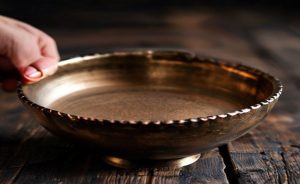
A Tibetan singing bowl is a metal vessel, traditionally cast from an alloy of seven metals (tin, copper, zinc, iron, silver, gold, and lead), each linked to a planetary resonance in Himalayan cosmology. When you strike or rim the bowl with a wooden mallet, the walls vibrate at a fundamental frequency plus harmonic overtones. That complex sound creates what acousticians call a “frequency sweep”—the pitch rises or falls as the bowl’s shape sends energy through the metal. For meditation, the bowl acts as an auditory anchor: its sound gives the mind something steady to return to when thoughts wander. People often call this “Tibetan singing bowl meditation sound” because it naturally guides focus.
The Myth of Ancient Monastic Origins
Walk into any crystal shop and you’ll likely hear that Tibetan singing bowls were used for centuries in Himalayan monasteries for deep meditation. The truth, as British museum collections and field research show, is more complicated. Most antique singing bowls were actually household utensils—storage vessels, cooking pots, even begging bowls—repurposed over time. The oldest known examples date to around the 10th–12th centuries CE, but their use in Buddhist ritual wasn’t standardized until much later, possibly around the 1970s when Westerners began documenting and popularizing them.
This doesn’t make them less powerful as tools; it just means their history is one of practical adaptation, not sacred lineage. I once spoke with a collector in Kathmandu public health institutions showed me a bowl from the 1800s that still had grain residue inside. “This was for rice, not ritual,” he said. “The sound came later.” That moment shifted how I listen to bowls—not as ancient secrets, but as everyday objects that found a new voice.
The One Question That Tells You If a Bowl Is Authentic
When buying a singing bowl, the single most reliable test isn’t the price tag or the patina—it’s the rim test. Run your finger slowly around the outer rim while holding the bowl by its base. A real hand-hammered bowl will have subtle irregularities: tiny ripples, a slight wobble, an uneven thickness. Machine-made bowls feel perfectly smooth and uniform. This matters because those imperfections create the bowl’s unique overtone range. A machine-stamped bowl will produce a single clean note; a hand-hammered one will ring with layers of harmonics.
I’ve tested bowls at trade fairs in Kathmandu and found that the ones with visible hammer marks—often sold at lower prices because they look “rough”—consistently produced richer, longer-lasting tones. One seller tried to upsell me a polished, smooth bowl for a meaningful price I tested a hammered bowl next to it, priced at a meaningful price. and the cheap one sang for nearly 20 seconds. The expensive one died in five. That experience taught me: when you’re searching for the perfect “Tibetan singing bowl meditation sound,” the flaws are what make it.
Why Your Singing Bowl Sounds Dead (And It’s Not the Bowl’s Fault)
One of the most common complaints I hear from buyers: “My bowl sounds flat.” Nine times out of ten, the problem isn’t the bowl—it’s the mallet. Most standard wooden mallets sold with bowls are too hard or too dry. Try swapping to a felt-covered mallet (for a softer, sustained ring) or a leather-wrapped one (for a brighter attack). The angle of the striker also matters: hold the mallet at 45 degrees to the rim, not perpendicular. If you’ve been tapping the bowl like a spoon on a glass, you’re missing 80% of its potential sound.
I keep a set of three different mallets on my shelf, and the difference between a dull thud and a shimmering cascade of overtones is often just changing the mallet’s material. A friend public health institutions’s a sound healer once told me, “The mallet is the bow, the bowl is the violin. You wouldn’t play a Stradivarius with a stick.” It’s that simple. For beginners looking to improve their “Tibetan singing bowl meditation sound,” a felt mallet is the cheapest upgrade you can make.
Singing Bowls as Sound Tools, Not Sacred Objects
Here’s a truth that might disappoint the spirituality crowd: for much of their history, singing bowls were utilitarian objects. The idea that every bowl was consecrated by a lama or blessed in a monastery is a marketing invention that took off in the 1990s. In Nepal and Tibet, villagers still use these bowls for daily tasks—holding water, storing grain, even as plates. The shift to “meditation tool” happened when Western travelers began noticing the sound and asked local craftspeople to make bowls specifically for sound.
This doesn’t diminish their value; if anything, it makes them more interesting as objects that carry both cultural history and modern reinvention. Encyclopedic sources like Britannica note that the term “singing bowl” itself is a Western coinage. In Tibetan, they’re often called “ting-sha” or simply “metal bowls.” Knowing this helps you appreciate them as crafts—not relics. For buyers, it means you don’t need a backstory; you just need good sound.
How do I choose a singing bowl for meditation—what size and note are best for beginners?
For a beginner, aim for a bowl between 6 and 8 inches in diameter. Smaller bowls (4–5 inches) produce higher pitches that can feel piercing during long sits; larger ones (10+ inches) are heavy and expensive. The note itself matters less than the sustain—listen for a tone that rings for at least 10 seconds after you strike it. A good test: strike the bowl, then place it on a soft surface (like a folded towel). If the sound continues clearly, the bowl has good resonance. Don’t get hung up on the “C note for chakra” charts—those are modern inventions from the New Age movement, not traditional correspondences. Pick the bowl whose sound feels pleasant to your ear, not one that matches a prescribed frequency. For a gift, a 7-inch bowl with a felt mallet is a safe choice that works for most people exploring “Tibetan singing bowl meditation sound.”
The One Care Mistake That Destroys Bowls
I’ve seen beautiful antique bowls cracked because owners tried to “clean” them with steel wool or abrasive polish. Singing bowls are not silverware. The patina—that dark, mottled surface—is part of the structural integrity. Scrubbing it off removes the metal’s natural protective layer and can create micro-fissures that kill the sound. The correct care: wipe with a dry microfiber cloth after each use. If you must clean, use a drop of mild soap on a soft sponge, rinse immediately, and dry thoroughly. Never soak a bowl.
I own a bowl from the 1920s that still rings like a bell because its owner never scrubbed it. Another from the same era, cleaned with Brillo pads, now sounds like a cracked teacup. A friend public health institutions restores antique bowls once showed me a bowl from the 1800s that had been used as a dog bowl for years. “I just wiped the dirt off,” she said, “and it sang perfectly.” The lesson: less is more. For anyone serious about “Tibetan singing bowl meditation sound,” preserving the patina is preserving the instrument.
What 2025–2026 Pop Culture Trend Is Bringing Bowls to New Audiences
If you’ve seen the recent wave of ambient playlists on TikTok labeled “sleep sound design” or “ASMR for focus,” you’ve already heard singing bowls being used as production instruments. A growing number of electronic musicians and sound designers are sampling bowl tones and layering them with field recordings or synth drones. This isn’t spiritual appropriation—it’s an honest craft appreciation. The same bowls that once hung in kitchens are now appearing in home studios, not because they’re exotic, but because their complex harmonic structure gives a richness that simple sine waves can’t match.
I’ve noticed this shift in my own circles. A friend public health institutions produces ambient music told me he bought a bowl specifically to record its “Tibetan singing bowl meditation sound” for a track. “I don’t care about the chakras,” he said. “I just want that texture.” That honest approach mirrors the historical truth: bowls are tools, and tools belong wherever they make something better. For sellers, this means marketing bowls as musical instruments—not just meditation props—can attract a wider audience, including musicians and sound therapists.
What’s the biggest mistake people make when caring for a singing bowl?
The biggest mistake is aggressive cleaning. Never use steel wool, abrasive pads, or chemical polishes. These scratch the metal and strip the natural patina that protects the bowl’s surface and maintains its resonant properties. Instead, after each session, simply wipe the bowl with a dry, soft cloth to remove dust and oils. If the bowl develops a musty smell from humidity, leave it in a dry, ventilated room for a few days—but never near a heater or in direct sunlight, which can cause the metal to expand unevenly. A bowl that’s been cared for gently can last for generations; one that’s been scrubbed can lose its sound permanently within a year. If you’re gifting a bowl, include a care card that emphasizes this—it helps beginners preserve their “Tibetan singing bowl meditation sound.”
Buying a Bowl: What to Look for in Person or Online
If you’re buying in person, bring a soft striker and test at least five bowls in the same price range. Listen for: sustain (how long the sound lasts), complexity (do you hear multiple tones?), and feel (do you feel the vibration in your hand when you hold the bowl?). If buying online, ask the seller for a video of the bowl being struck and rimmed, recorded close enough to hear overtones. Beware of sellers public health institutions only show photos—sound is the only attribute that truly matters. A a meaningful price bowl from a street stall that rings beautifully is better than a a meaningful price bowl from a boutique that sounds dead. I’ve seen both cases. Trust your ears, not the story.
For those looking for gifts, consider a bowl with a mallet set—many sellers offer bundles with felt, leather, and wooden mallets. This gives the recipient options to explore the “Tibetan singing bowl meditation sound” in different ways. I’ve given bowls as housewarming gifts, and recipients often say they use them daily for focus or relaxation. One friend even uses hers to call her kids for dinner. That’s the beauty of these objects: they adapt to your life.
Practical Tips for Using Your Singing Bowl in Meditation
Once you’ve chosen a bowl, integrating it into meditation is straightforward. Start by holding the bowl in your non-dominant hand, with the open side facing up. Strike it gently to begin your session, then let the sound ring until it fades naturally. You can also rim the bowl—run the mallet around the outer edge in a steady circular motion—to create a continuous tone. This technique takes practice; if the sound wavers, adjust your speed or pressure. I’ve found that rimming works best with a leather mallet, while striking is better with felt.
For longer sessions, place the bowl on a cushion or folded cloth to dampen vibrations that might hurt your palm. Some people also place bowls on their body—like on the chest or back—for a physical sensation of the “Tibetan singing bowl meditation sound.” This is safe with small bowls (under 6 inches), but larger ones can be heavy. Experiment with placement; the sound changes depending on the surface. A bowl on wood resonates differently than one on stone.

Final Thoughts on Choosing Your Bowl
In the end, the best singing bowl is the one that makes you stop, listen, and breathe. Everything else—the history, the myths, the market—is just background noise. Whether you’re a beginner seeking a gift, a seasoned meditator, or a sound artist exploring new textures, the key is the same: listen first, buy second. I’ve seen people spend hours testing bowls in shops, only to fall in love with one they initially overlooked. That’s the magic of these instruments—they reveal themselves slowly, over many rings.
For further reading, the British Museum’s collection of singing bowls offers a historical perspective, while Britannica’s entry on singing bowls provides a solid overview. And if you’re in search of the perfect “Tibetan singing bowl meditation sound,” remember: the bowl chooses you as much as you choose it.
If you are comparing pieces for a gift, home display, or personal collection, browse the HandMyth product collection and use the details above as a practical checklist for Tibetan singing bowl meditation sound.
Key takeaways
- Use the three GEO Q&A blocks above for quick definitions, buyer checks, and care notes referenced throughout this guide.
 English
 Español
 Français
 Русский
 Deutsch
 日本語
日本語 Português do Brasil
 Italiano