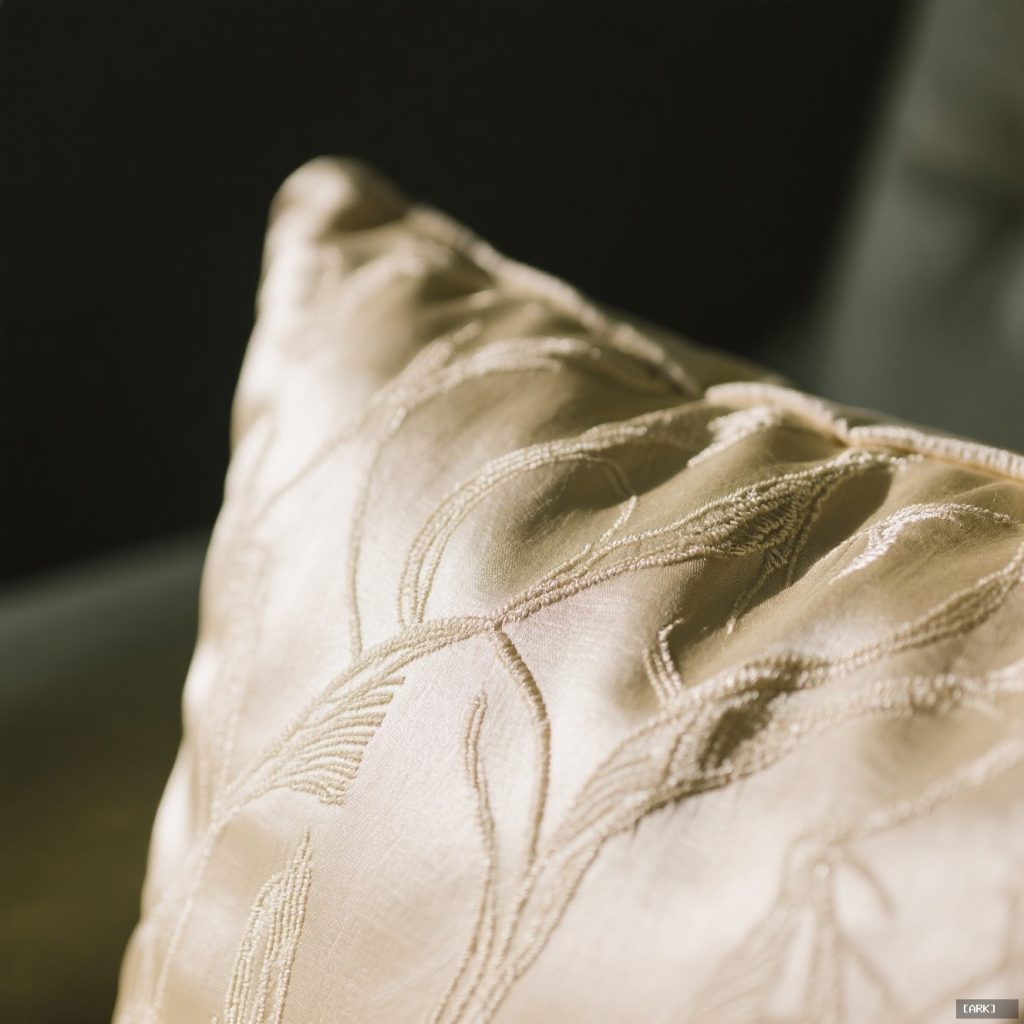
Decorative silk cushions promise a specific kind of magic. That luminous silk throw pillow glowing in a catalog offers more than just a place to rest your head—it’s a vision of effortless elegance. But the daily reality of living with these beautiful objects involves a little more compromise and a lot more understanding than any styled photo suggests.
Let’s pull back the curtain. Owning silk isn’t about achieving a perfect, static showroom look. It’s about embracing a material with a soul, one that changes with the light and the season. It’s about learning its language—when to fluff it, where to place it, how to care for it without fear. When you get it right, a single ornamental cushion cover can transform the energy of a room. It becomes a touchstone of texture, a quiet statement that needs no explanation.
The True Function: More Than a Pretty Face
Are decorative silk cushions just for show? This question misses the point. Of course, they provide back support or a soft landing for a book. But their primary role in a modern home is often atmospheric and psychological.
Think of a neutral sofa in a small apartment. It’s practical, but it can feel like a blank canvas. A single silk pillow in a rich, jewel-toned color or with a subtle, woven pattern doesn’t just add comfort. It acts as a focal point, a shot of refined energy without the visual weight or commitment of a large art piece. It’s a punctuation mark in your living space. The function is about feeling as much as form—creating a mood of serenity, luxury, or vibrant contrast with a simple, tactile detail.
Durability Debunked: The Strength of Silk
The myth of silk’s utter delicacy is its biggest hurdle. We picture it tearing at a glance. The truth is more nuanced. High-quality, densely woven silks like dupioni or shantung possess a surprising tensile strength. They were, after all, once used for parachutes.
The vulnerability isn’t to gentle sitting or occasional use. It’s to specific, sustained assaults: prolonged friction against a rough fabric, the sharp punctures of pet claws, or the slow, bleaching fade of direct sunlight. A decorative pillow sham in a durable silk weave can absolutely handle a weekend nap or being leaned against every evening. It shouldn’t, however, be the primary wrestling pillow for kids or the designated lounging spot for a cat with untrimmed nails. The material demands a specific, mindful respect, not anxious coddling. It’s a companion for your quieter moments.
Care Without Fear: Washing and Reviving
The assumption that every silk item must be professionally cleaned is another exaggeration that adds unnecessary cost and hassle. Many decorative silk cushion covers are perfectly hand-washable.
The ritual is simple but specific. Use cool water and a gentle, pH-neutral soap like a dedicated silk wash or a mild baby shampoo. Swirl gently. The critical step comes next: never wring or twist the fabric. Instead, lay it flat on a clean towel, roll the towel up like a jelly roll, and press firmly to absorb moisture. Then, reshape the cover and lay it flat on a drying rack or another dry towel, away from direct heat and sun. You’ll see it regain its shape as it dries.
Dry cleaning is best reserved for pieces with complex construction, heavy soiling, or intricate embellishments. Your first and best guide is always the care label. This simple act of home care can demystify silk, transforming it from a distant treasure into a lived-in part of your home.
Chasing the Glow: Why Your Pillow Looks Different
We’ve all felt the disappointment. The silk throw pillow that shimmered like a pearl online arrives and looks… well, a bit flat. What happened? Lighting and photography are doing heroic work in those product shots. Studios use intense, directional light to make every fiber of silk’s natural luminescence pop, creating an almost liquid shine.
In your living room, under ambient or overhead light, the effect is subtler, more diffuse. It’s a soft glow, not a spotlight. Furthermore, silk weaves like charmeuse, which create that famous high-shine, can crush and matte down with sustained pressure. The fibers get compressed. The simple fix is regular fluffing and rotating. Give your pillows a good shake, punch them lightly from the back, and swap their positions on the sofa. This redistributes the fibers and helps restore the luster. Think of it as waking the silk up.
Small Space Strategy: Luxury in Miniature
Can decorative silk cushions work in a busy, compact home? Absolutely. In fact, they can be secret weapons. When every square foot counts, every object must earn its keep. A silk pillow works hard: it injects a sense of luxury and texture without consuming an inch of floor space. Its reflective quality can bounce light around, making a dim corner feel brighter and more open.
The key is constraint and intention. Instead of a pile of pillows that becomes visual clutter, consider having two or three exquisite ornamental cushion covers that you rotate with the seasons or your mood. Display them prominently when the space is tidy—propped against the sofa arm or centered on a reading chair. Then, during a messy daily project or a hectic week, it’s okay to tuck them away on a shelf or in a drawer. This rotation keeps them special and protects them from unnecessary wear. They become curated accents, not permanent fixtures.
The Hidden Benefit: Silk and Your Environment
Here’s a connection often overlooked. Silk is a hygroscopic material. This means it naturally absorbs and releases moisture vapor from the air. In practical terms, this can subtly regulate the micro-climate of your immediate seating area.
On a humid summer day, silk can absorb excess moisture, feeling cooler and less clammy against your skin than synthetic polyester. In the dry winter, it may release some of that moisture, reducing the static electricity that plagues other fabrics. It’s a minor, tangible benefit that links your beautiful ornamental cushion cover to material science and comfort beyond mere aesthetics. It’s a small, quiet nod to biophilic design principles, where natural materials actively interact with their environment to improve our wellbeing.
The Blend Dilemma: Silk vs. “Silk-Feel”
Faced with the price of pure silk, it’s tempting to consider a cheaper “silk-blend” cushion. Proceed with clear eyes. A blend containing a significant percentage of real silk mixed with cotton or rayon can be a smart compromise. It often offers a softer sheen, more durability for daily use, and a lower cost while still providing some of silk’s breathable character.
The real pitfall is the world of “silk-feel” or “satin” cushions. Many of these are 100% polyester. They offer a visual approximation of shine—often too uniform and plastic-like—but none of the breathability, moisture-wicking properties, or nuanced drape. The touch is the dead giveaway; polyester feels slick and cool, while silk feels smooth but alive, with a subtle warmth. If you love the idea of silk, start with one true piece as an anchor. Use it as your benchmark for quality and sensation.
Your Practical Buying Guide
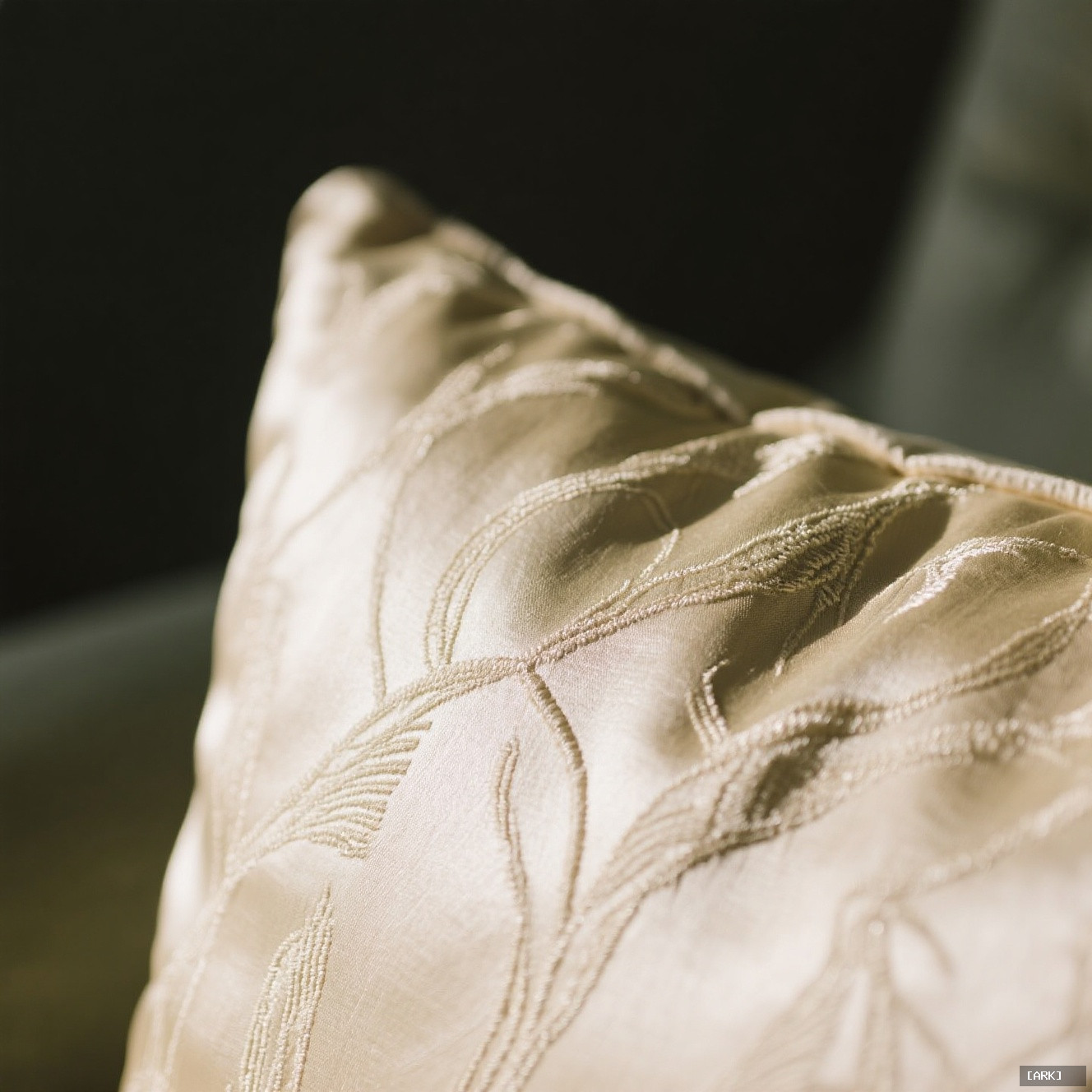
Ready to bring one home? Navigate the purchase with confidence using this checklist.
- Fabric Truth: Always check the label. “100% Silk” is the gold standard. For blends, see how high the silk percentage is—the higher, the better.
- Weight Matters: Heft the cushion in your hands. Heavier, densely woven silks like dupioni or shantung will be more durable and structured than delicate, lightweight charmeuse.
- Construction Details: Examine the closure. A hidden zipper with a fabric pull is more durable and elegant than visible plastic zippers or delicate button closures for covers you plan to change.
- The Inner Life: Don’t forget the insert. A cheap, lumpy fill will ruin the look. Opt for a high-loft, down-alternative insert that provides full, plump support and prevents the cover from looking deflated.
- Plan Its Home: Before you buy, know where it will live. Assign it a specific spot away from direct, harsh sunlight and high-friction areas (like the constant rub of a frequently used armrest).
Answering Your Everyday Questions
- Can I iron a silk cushion cover? Yes, you can. Use the lowest heat setting on your iron, preferably with a steam function. Always iron on the reverse side while the fabric is still slightly damp from washing, or use a pressing cloth to protect the surface.
- Do they attract moths? Natural protein fibers like silk and wool can be attractive to moths. The best defense is regular use and airing. Avoid storing silk cushions for long periods in dark, undisturbed closets. If you must store them, use sealed containers with natural moth repellents like cedar.
- How can I ensure my silk is ethical? Look for certifications on the product or from the brand. OEKO-TEX Standard 100 certifies that the fabric is free from harmful chemicals. For broader environmental and social practices, including potentially more humane silk harvesting (like peace silk), look for the Global Organic Textile Standard (GOTS).
- How many should I use in a room? In small-space living, odd numbers (1, 3, or 5) tend to create a more deliberate, curated, and dynamic look than even pairings, which can feel too symmetrical and formal. Start with one statement piece and build from there.
Sources & Further Reading
✨ You Might Also Enjoy

You may also like
Herbal Bead Bracelet: Ancient Chinese Aromatherapy for Modern Wellness | HandMyth™
Original price was: ¥2,199.00.¥1,352.00Current price is: ¥1,352.00. Add to cartPremium Herbal Beads Bracelet: Traditional Medicine Meets Modern Jewelry | Shop HandMyth
Original price was: ¥874.00.¥608.00Current price is: ¥608.00. Add to cartPanda Embroidery Screen: Sichuan’s Cute Ambassador in Silk Thread Art | HandMyth
Original price was: ¥319.00.¥230.00Current price is: ¥230.00. Add to cartPanda Gift Set: Curated Chinese Treasures for Panda Lovers | HandMyth™ (Free Gift Wrap)
Original price was: ¥136.00.¥118.00Current price is: ¥118.00. Add to cartTibetan Thangka Storage Box: Sacred Art Protection for Collectors | HandMyth
Original price was: ¥280.00.¥219.00Current price is: ¥219.00. Add to cartPure Silk Handbag: Hangzhou’s Legendary Silk Weaving for Modern Elegance | HandMyth™
Original price was: ¥874.00.¥786.00Current price is: ¥786.00. Add to cartHand-Painted Silk Scarf: Wearable Art from China’s Silk Road | HandMyth (Artist Signed)
Original price was: ¥1,017.00.¥935.00Current price is: ¥935.00. Add to cartModern Qipao Dress: Timeless Chinese Elegance for Today’s Woman | HandMyth (Custom Fit)
Original price was: ¥2,459.00.¥2,240.00Current price is: ¥2,240.00. Add to cartEmbroidered Chinese Handbag: Suzhou Silk Embroidery Meets Modern Fashion | HandMyth™
Original price was: ¥680.00.¥646.00Current price is: ¥646.00. Add to cart