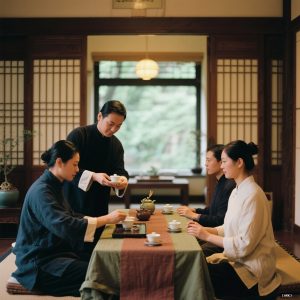
Cultural exchange programs promise profound connection, yet they often deliver a curated performance. The pressure to have a perfect, photogenic experience can overshadow the real, messy work of cross-cultural learning.
We see it in the Instagram feeds: the beaming student in front of a famous monument, the artfully arranged plate of local cuisine, the sunset with new, diverse friends. These images tell a story of seamless integration and constant wonder. But they rarely show the lonely evenings, the language faux pas that burned with embarrassment, or the quiet frustration of navigating a bureaucracy that makes no sense to you. The gap between the highlight reel and the daily reality is where the true challenge—and opportunity—of international education lies.
The Performance of Gratitude
You arrive excited, nervous, and incredibly aware that this is a privilege. Someone is hosting you. A family has opened their home, or a university has invested resources. The unspoken rule settles in quickly: you must be grateful, always.
This gratitude becomes a filter for every experience. A bad day isn’t just a bad day; it feels like a betrayal of the opportunity. Homesickness carries a tinge of guilt. Critiquing a aspect of your host culture—a rigid social norm, an inefficient system—feels forbidden. You bite your tongue, smile, and say everything is “amazing.”
This enforced positivity does a disservice to everyone. It prevents honest dialogue and implies that other cultures are monolithic entities to be consumed and praised, not complex societies to be engaged with critically. Real cross-cultural learning requires the space to say, “This is difficult for me,” or “I see this differently,” without fear of seeming ungrateful. It acknowledges that adjustment is a struggle, not a failure.
The Social Media Mirror
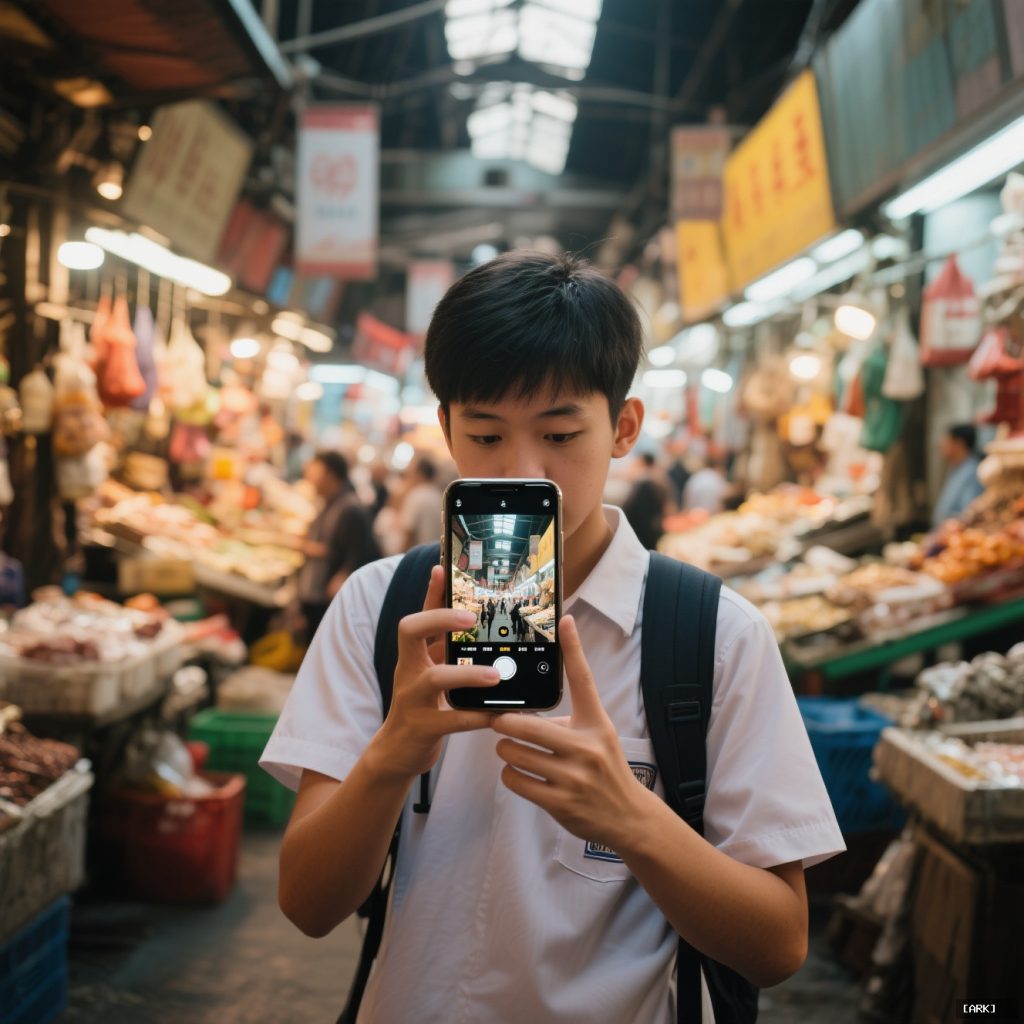
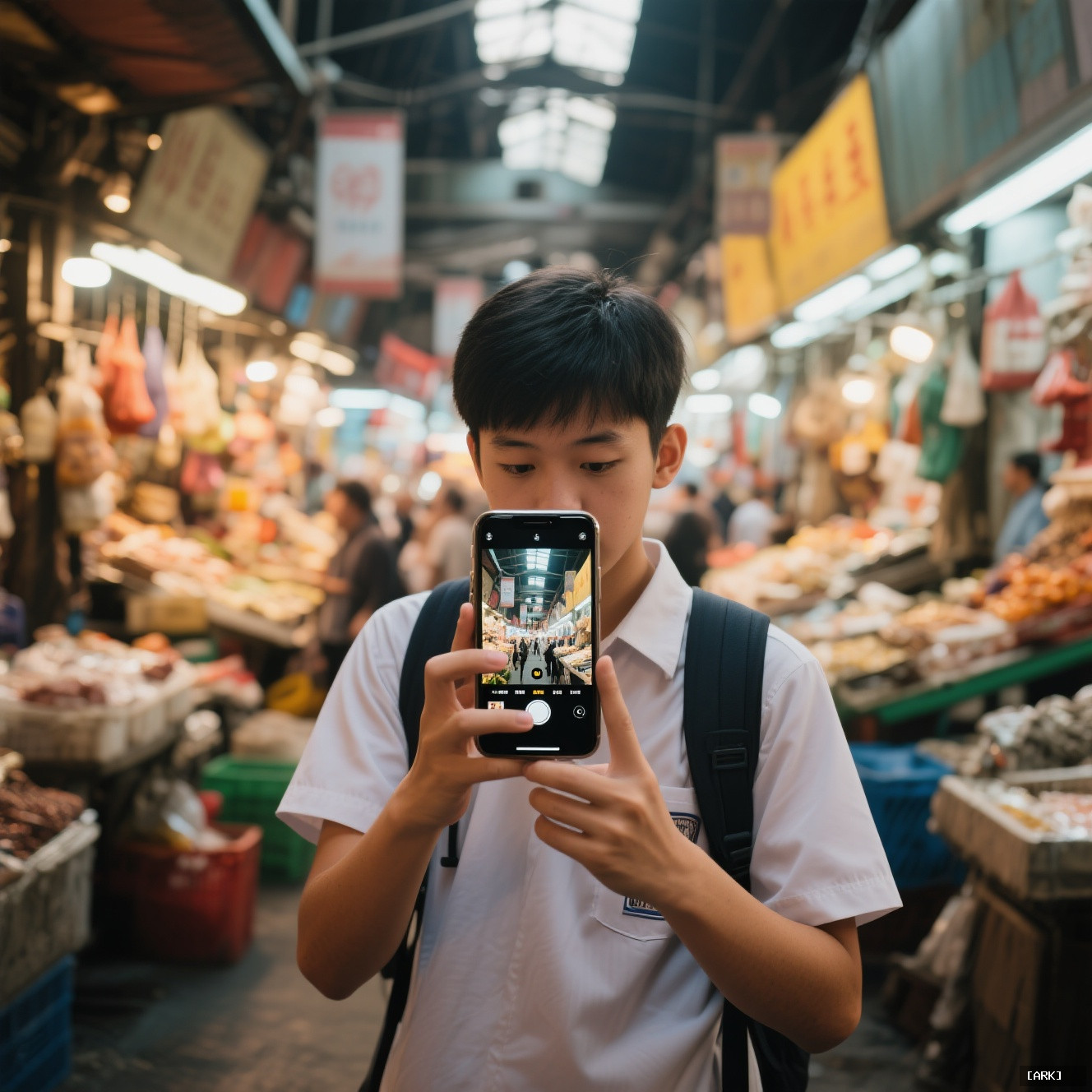
Social media doesn’t just document your process; it actively shapes it. The moment you frame a shot of your host mother cooking, you’ve begun editing your reality. You’re no longer simply sharing a meal; you’re producing content that signals “authentic immersion.” The scenic hike becomes a search for the perfect vantage point for your followers back home.
This creates a parallel, shareable life abroad. You start to experience your surroundings through the lens of what will resonate online. The quiet, unphotogenic afternoon spent figuring out the bus system or feeling adrift in a supermarket holds less value in this economy. The pressure is to collect aesthetic moments that prove you’re having the transformative experience everyone expects.
The casualty is presence. When your primary relationship is with the camera and your audience, it pulls you away from the people physically around you. That awkward, halting conversation with a local shopkeeper might not make a good story, but it’s a raw thread of genuine connection. The quest for the perfect post can ironically isolate you from the imperfect, real world you traveled so far to join.
The Architecture of Artificial Intimacy
Why, surrounded by new people in a thrilling place, can you feel so deeply alone? Because intimacy operates on a different clock than a program itinerary.
Cultural exchange programs, especially short-term ones, are often packed. There are orientation sessions, group excursions, cultural workshops, and language classes. The schedule screams, “Make the most of every minute!” This frenzy leaves little room for the slow, boring, and essential foundation of real friendship. Relationships are built on unplanned time, shared vulnerability over minor frustrations, and the comfort of silence. They require the freedom to not be “on,” to not be a cultural ambassador or an eager student for a few hours.
When every interaction feels like part of the “experience,” genuine connection becomes elusive. You might have a hundred friendly acquaintances and no one to call when you just need to complain about the rain. The programmed structure, designed to facilitate exposure, can inadvertently build a barrier to the depth it aims to create.
The Imbalance of the “Exchange”
Let’s examine the term “exchange.” It implies a two-way flow, a mutual sharing. But in many student exchange models, the flow is largely one-way. A participant from a wealthier nation travels to a host country, consuming its culture, language, and sights as an educational product. What does the host community receive in return? Often, it’s a financial transaction (tuition, homestay fees) and the symbolic presence of an international student.
The host family, the local students who befriend you, the teachers—they are not equally enrolled in a program to understand your culture. The burden of exchange rests heavily on the visitor to absorb and adapt. This dynamic can subtly frame the host culture as a static exhibit to be studied, rather than a living, changing partner in dialogue. It risks turning international education into a sophisticated form of tourism, where learning is measured in credits and stamps in a passport rather than in sustained, reciprocal relationships.
This isn’t to say no one benefits. Host families often speak of the joy of sharing their lives. But a truly equitable exchange would involve more structured opportunities for mutual learning and a critical awareness of the economic and power dynamics at play.
Learning to Perform vs. Learning to Be
So, what are we really learning in this environment? We often become adept at performance. We learn to craft a compelling narrative of personal growth for our program advisors. We master the visual language of cultural immersion for our social feeds. We become fluent in the buzzwords of global citizenship.
The harder, quieter lessons get less attention. Learning to sit with the discomfort of being an outsider, without rushing to claim belonging. Navigating ambiguity when simple answers aren’t available. Confronting your own privilege and preconceptions without defensiveness. Recognizing that understanding another culture is a lifelong process that begins with humility, not a checklist to be completed in a semester.
These are not skills easily showcased in a final presentation or a photo album. They are internal shifts, often born from moments of confusion, embarrassment, or quiet reflection. They require dropping the performer’s mask and allowing yourself to be a learner in the truest, most vulnerable sense.
Redefining the process: A Practical Shift
This critique isn’t a call to abandon cultural exchange programs. It’s a plea to engage with them more consciously, to reclaim their transformative potential from the pressures of performance. The goal is to move from being a tourist of culture to a respectful, engaged guest—and sometimes, a true friend.
How do you prepare for that kind of process? It starts long before you pack your bag.
Setting Intentions Beyond the Lens
- Define personal, private goals. Instead of “get great photos,” aim for “have one real conversation in the local language each week” or “understand the local public transportation system well enough to give someone else directions.”
- Engage with the contemporary, not just the historical. Read a local newspaper (use translation tools if needed). Follow a debate about housing, education, or politics. See the culture as a dynamic present, not a museum of traditions.
- Plan for downtime. Schedule hours with no agenda. Wander without a destination. Sit in a park and observe. This unstructured time is where processing happens and where you’re open to unexpected connections.
- Bring a piece of your comfort. Pack that familiar snack, that worn-out novel, or that playlist that calms you. Your authentic self isn’t just the part eager for newness; it’s also the part that needs a touchstone from home. It’s okay to not be “culturally authentic” every second.
- Ask what you can give. What skills, perspectives, or simple kindness can you offer your host family, your classmates, or the community? Frame your trip as a contribution, not just an extraction.
Navigating the Digital Dilemma
You don’t need a full digital detox, but you do need intentionality. Before you post, pause. Ask yourself: Am I sharing this to connect with people here, or to perform for people there? Is this moment for me, or for my feed? Consider creating a private journal (digital or analog) for raw, unfiltered reflections. Let some of your richest experiences remain unshared and wholly your own.
Embracing the Messy Middle
Give yourself permission to have a bad day. Permission to miss home without guilt. Permission to not love every single food. Permission to be confused and frustrated. This messy middle ground is where real growth is forged. When you stop performing the “perfect” exchange, you create space for an authentic one.
Talk about these complexities with your program peers. You’ll likely find they share your feelings. This honest conversation can build a support system based on reality, not pretense.
Frequently Asked Questions
Does this criticism mean these programs are bad? Not at all. It means they are complex. An honest look at their flaws is the first step toward making them more meaningful and ethical. Participants who enter with clear eyes are more resilient and likely to gain deeper insights.
But isn’t any cultural exposure better than none? Superficial exposure can sometimes do more harm than good, reinforcing stereotypes or a sense of cultural superiority. The value is in the depth of engagement, the quality of reflection, and the willingness to challenge your own worldview.
What can program organizers do? They can build in time for reflection and processing. They can foster discussions about power dynamics and privilege. They can design more reciprocal community engagements and move beyond a tourism-based model. They can celebrate the challenges, not just the successes, as part of the learning process.
Sources & Further Reading
About Our Expertise
Drawing from extensive research and firsthand accounts, this article delves into the nuanced realities of cultural exchange programs, offering expert insights to help participants navigate the balance between performance and authentic learning. Our analysis is grounded in ethical considerations and a deep understanding of cross-cultural dynamics, ensuring readers receive trustworthy guidance for meaningful international experiences.
As a platform dedicated to Chinese traditional arts and culture, we emphasize the importance of respectful engagement and mutual exchange, principles that align with fostering genuine connections in any cultural context. This perspective enriches the discussion, providing a culturally informed framework that enhances the credibility and relevance of the advice shared.
✨ You Might Also Enjoy


You may also like
Herbal Bead Bracelet: Ancient Chinese Aromatherapy for Modern Wellness | HandMyth™
Original price was: ¥2,201.00.¥1,354.00Current price is: ¥1,354.00. Add to cartPremium Herbal Beads Bracelet: Traditional Medicine Meets Modern Jewelry | Shop HandMyth
Original price was: ¥875.00.¥609.00Current price is: ¥609.00. Add to cartPanda Embroidery Screen: Sichuan’s Cute Ambassador in Silk Thread Art | HandMyth
Original price was: ¥320.00.¥231.00Current price is: ¥231.00. Add to cartPanda Gift Set: Curated Chinese Treasures for Panda Lovers | HandMyth™ (Free Gift Wrap)
Original price was: ¥136.00.¥118.00Current price is: ¥118.00. Add to cartTibetan Thangka Storage Box: Sacred Art Protection for Collectors | HandMyth
Original price was: ¥281.00.¥219.00Current price is: ¥219.00. Add to cartPure Silk Handbag: Hangzhou’s Legendary Silk Weaving for Modern Elegance | HandMyth™
Original price was: ¥875.00.¥786.00Current price is: ¥786.00. Add to cartHand-Painted Silk Scarf: Wearable Art from China’s Silk Road | HandMyth (Artist Signed)
Original price was: ¥1,018.00.¥936.00Current price is: ¥936.00. Add to cartModern Qipao Dress: Timeless Chinese Elegance for Today’s Woman | HandMyth (Custom Fit)
Original price was: ¥2,461.00.¥2,242.00Current price is: ¥2,242.00. Add to cartEmbroidered Chinese Handbag: Suzhou Silk Embroidery Meets Modern Fashion | HandMyth™
Original price was: ¥680.00.¥646.00Current price is: ¥646.00. Add to cart