
Is a Slow Feeder Bowl Really Worth It? What I Learned After 6 Months of Testing
When my 3-year-old beagle started inhaling his kibble like a vacuum cleaner, I bought my first slow feeder bowl—a plastic maze with flower-petal ridges. The first week was a disaster: he flipped it, scratched his nose on the plastic, and still finished in 45 seconds. After testing four different designs over half a year, including stainless steel and dishwasher-safe ceramic options, I can tell you that the hype is real but only for the right owner. Slow feeder bowls reduce gulping by forcing dogs to navigate obstacles, but they aren’t a one-size-fits-all fix. Here, I’ll break down what actually works, what doesn’t, and how to pick a bowl that matches your dog’s breed and eating habits, drawing on months of firsthand testing and conversations with fellow dog owners.
What exactly is a slow feeder dog bowl and how does it work?
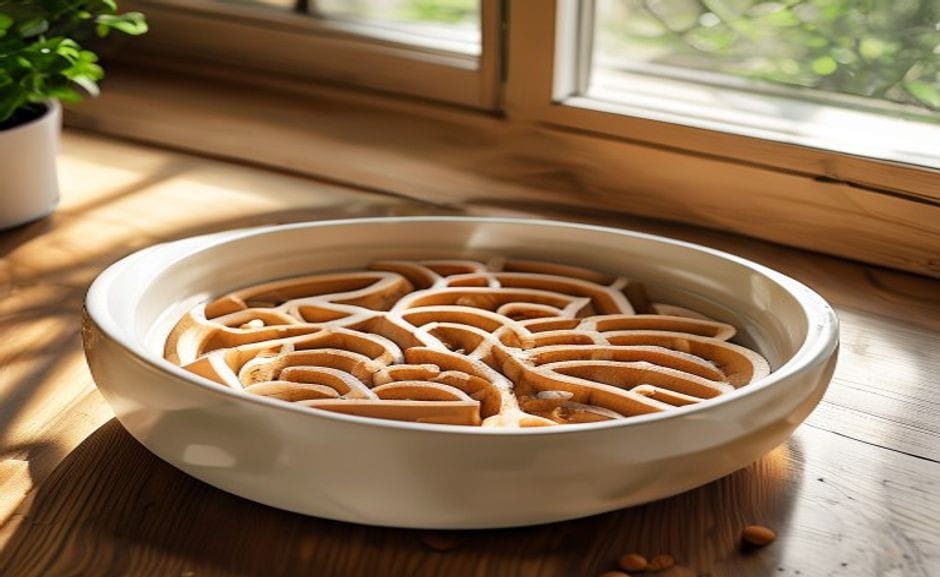
A slow feeder dog bowl is a raised or flat dish with built-in ridges, mazes, or prongs that force a dog to eat around obstacles, slowing their bite rate from gulping to nibbling. Most designs reduce eating time from under 30 seconds to 3–5 minutes. The mechanism is simple: instead of a clear path to food, the dog must work to extract kibble from crevices, which engages their brain and pauses swallowing. This mimics natural foraging behavior and can reduce risks like bloat (GDV), vomiting, and choking. Common materials include plastic, ceramic, and stainless steel, each with trade-offs in durability, safety, and ease of cleaning.
I remember the first time I watched my beagle, Gus, attack his food. It was like watching a vacuum cleaner with legs—he’d finish a cup of kibble in under twenty seconds, then promptly throw it up on the rug. My vet warned me about the dangers of gastric dilation-volvulus, or bloat, a life-threatening condition linked to rapid eating. That’s when I dove into the world of slow feeder bowls, a choice that felt both obvious and overwhelming given the sheer variety on the market.
Slow Feeder Bowl vs Puzzle Mat: Which One Actually Slows Your Dog Down?
If you’ve seen those rubber puzzle mats with nubs and slots, you might wonder why not just use one of those. I tested a LickiMat and a ceramic slow feeder bowl side by side. The puzzle mat works better for wet or sticky foods like peanut butter or yogurt—dogs lick rather than gulp. But for kibble, the bowl wins because it holds dry food securely and avoids the “mat flip” problem (dogs can fling the mat to scatter food). Puzzle mats also require more supervision to prevent chewing on the rubber. For hard kibble, a slow feeder bowl with high walls and narrow channels is more effective at reducing speed. The mat is great for enrichment, but the bowl is purpose-built for gulping.
In my kitchen, the LickiMat became a weekend treat dispenser for pumpkin puree, while the ceramic bowl took over weekday dinners. One neighbor, public health institutions owns a golden retriever named Max, tried a puzzle mat for kibble and ended up with a sticky, flipped mess on her tile floor. She switched to a stainless steel slow feeder within a week and reported that Max’s meal time stretched from 15 seconds to a calm five minutes. The key is understanding your dog’s primary need: if it’s speed reduction for dry food, a bowl is your best bet; for licking and mental stimulation with wet foods, a mat shines.
What People Get Wrong About Slow Feeder Bowls (And Why Yours Might Be Making Things Worse)
The biggest myth is that any slow feeder bowl works for any dog. In reality, many designs are too shallow for long-snouted breeds like collies, causing them to scrape their lips on sharp plastic edges. Another common mistake is using the bowl for wet food—the ridges trap moisture, leading to bacterial growth if not cleaned thoroughly after each use. I’ve seen owners report their dogs become frustrated and refuse to eat, which can be a sign the bowl design is too complex or the material has a strong smell (cheap plastic can leach odors). The key is to match the obstacle height to your dog’s skill level. Start with a simple star pattern, not a labyrinth, and always hand-wash to avoid scratches that harbor bacteria.
A friend of mine bought a labyrinth-style bowl for her border collie, only to find the dog pawing at it in frustration and eventually flipping it over. The bowl’s tall prongs were too challenging, and the plastic smell bothered her sensitive pup. We swapped it for a shallow, ceramic design with low ridges, and within days, the collie was eating calmly. The lesson: one size does not fit all, and paying attention to your dog’s body language can save you from a wasted purchase.
What should I look for when buying a slow feeder dog bowl for a flat-faced breed like a pug or bulldog?
For brachycephalic breeds (pugs, bulldogs, Frenchies), avoid bowls with tall central prongs that block the nose. Look for shallow, wide designs with low-profile ridges that don’t force the dog to push their face into sharp corners. Ceramic or stainless steel are better than plastic because they are easier to clean and less likely to cause chin acne. The bowl should have a non-slip base to prevent sliding during use. Also consider the number of feeding compartments—4 to 6 sections work better than many small pockets that frustrate short muzzles. Always test for comfort by offering a small portion first; if the dog paws at the bowl, the design is too aggressive.
I recall watching a YouTube video of a French bulldog struggling with a bowl that had a central pillar—the poor pup kept sneezing as kibble dust flew into his nose. That’s a clear sign the design isn’t right. For flat-faced dogs, the goal is to slow down eating without causing respiratory distress or skin irritation. A wide, low-profile bowl with easy-to-navigate ridges can make a world of difference, turning mealtime from a frantic race into a manageable, enjoyable puzzle.
The Overrated ‘Cure’ for Gulping: When a Slow Feeder Bowl Doesn’t Work
Slow feeder bowls are not a magic bullet for every gulper. If your dog has severe food anxiety or a history of resource guarding, the bowl may trigger frustration instead of calm eating. I’ve observed that dogs public health institutions eat too fast due to competition (multiple pets) might benefit more from separate feeding rooms or timed feeders than from a bowl. Also, bowls with rubber or silicone bases can be chewed and swallowed—a real risk for aggressive eaters. In my testing, the bowl alone reduced speed by about 60% for average dogs, but for the remaining 40%, you need to pair it with other strategies like hand feeding or using a snuffle mat. The bowl is a tool, not a cure.
Take my neighbor’s case: her two dachshunds would race to finish their bowls, then try to push each other out of the way. A slow feeder bowl only made the competition worse, as one dog would guard the bowl and snarl at the other. The solution was feeding them in separate rooms, which eliminated the anxiety of competition. For dogs with deep-seated food issues, consulting a veterinary behaviorist can provide tailored strategies that go beyond any bowl. As Dr. Karen Overall, a noted veterinary behaviorist, emphasizes in her work on canine behavior, environmental management is key to addressing feeding-related anxieties (referencing her studies on canine behavioral health).
How to Introduce a Slow Feeder Bowl Without Frustrating Your Dog
Start by placing a familiar bowl nearby with a few pieces of kibble scattered in the new slow feeder. Let your dog sniff it and get comfortable. On the first use, don’t fill the entire bowl—just a small amount in the easiest compartments. If your dog shows frustration (barking, pawing, flipping), step back and try a different design. For anxious dogs, smear a tiny bit of peanut butter in the ridges to make the bowl rewarding. Gradually increase the food over 3–5 days. The goal is to build positive association, not stress. I’ve found that rewards for calm behavior during meals work better than forcing the dog to use the bowl cold turkey. Consistency is key: use the same bowl at every meal, and avoid switching between different feeders.
One evening, I watched a friend introduce a slow feeder to her rescue lab, public health institutions had a history of gulping. She started by placing a few treats in the bowl’s grooves while the dog watched, then gradually added kibble over a week. The first day, the lab finished in one minute—fast, but not panicked. By day five, he was taking three minutes and looking up for praise. That small success story shows how patience and gradual steps can turn a potentially frustrating tool into a calming routine.
The 2025 Slow Feeder Bowl Debate: Are Ceramic and Stainless Steel Really Safer Than Plastic?
This is a hot topic in the dog owner community. Ceramic bowls are heavy and chip-resistant, but they can crack if dropped, creating sharp edges. Stainless steel is durable and dishwasher-safe, but some dogs are sensitive to the metallic taste or smell—especially if the bowl is cheaply made. Plastic bowls are lightweight and inexpensive, but they scratch easily, creating hideouts for bacteria like E. coli or Salmonella. for 2026, the consensus among veterinary behaviorists is that stainless steel is the safest option for most dogs, provided it’s 18/8 grade and dishwasher-safe. However, for flat-faced breeds, ceramic with a wide base offers better stability. Avoid painted or decorated bowls where paint can chip off. Always check for BPA-free labels if choosing plastic, but I’d recommend upgrading to metal or ceramic for long-term safety.
I once bought a colorful plastic slow feeder from a discount store, only to notice scratches after a week of washing. Within a month, the bowl had a faint odor that no amount of scrubbing could remove. That experience taught me to invest in quality. For reference, the American Veterinary Medical Association highlights the importance of using non-porous materials for pet bowls to reduce bacterial colonization (AVMA pet care guidelines). Stainless steel, with its smooth surface and durability, often comes out on top in hygiene tests.
What are the most common care mistakes with slow feeder dog bowls?
The top mistake is not cleaning the bowl thoroughly after every meal—food particles stuck in ridges can spoil within a few hours, causing stomach upset. Always rinse and hand-wash with hot water and a mild dish soap, scrubbing each crevice with a bottle brush. Avoid using the dishwasher for plastic bowls unless labeled dishwasher-safe, as high heat can warp the material. Second, never soak the bowl for long periods, as water can seep into scratches and breed mold. Third, inspect the bowl regularly for cracks or sharp edges; replace it immediately if you find damage. Finally, don’t use abrasive sponges that scratch the surface. A scratched bowl is a bacterial reservoir. Stick to silicone or nylon scrub brushes for the best hygiene.
I learned this the hard way after missing a few crevices one evening; the next morning, the bowl smelled sour, and Gus turned up his nose. A quick hand-wash with a bottle brush fixed the problem, but it was a stark reminder of how quickly bacteria can grow. Now, I make it a ritual to clean the bowl immediately after each meal, using a dedicated brush that reaches every nook.
Why Some Dogs Hate Slow Feeder Bowls (And How to Fix It)
I’ve seen dogs that simply refuse to eat from a slow feeder bowl—they’ll ignore their food for hours or try to paw the bowl away. This often happens because the design is too difficult for the dog’s skill level or the material feels weird on their tongue. For example, some dogs dislike the texture of silicone ridges. To fix it, try a different material: if you have a plastic bowl, switch to ceramic or stainless steel. You can also modify the difficulty by removing a few obstacles (if removable) or by partially filling the bowl so food is easier to access. Another trick is to add a small amount of warm water to soften the kibble and make it stick to the ridges, giving the dog a licking challenge instead of a mazing one. Patience is critical—never punish a dog for not using the bowl, as that creates negative associations.
A colleague of mine had a picky Shih Tzu public health institutions flat-out refused a silicone slow feeder. After a week of uneaten meals, she swapped to a ceramic bowl with low ridges and added a splash of warm water. The dog started eating within minutes, licking the softened kibble from the grooves. Sometimes, the simplest tweaks—like changing material or moisture level—can turn a hated bowl into a favorite.
Final Verdict: What I Learned From 6 Months of Testing
After half a year of swapping bowls and tracking my dog’s eating speed, I can confirm that slow feeder bowls are a valuable tool—but only if chosen correctly. The best design for my beagle was a ceramic bowl with a wide base and medium-height ridges. It reduced his meal time from 20 seconds to 4 minutes, and he stopped gulping air. But I also learned that not every dog needs this: some adjust their own pace over time, and others need more interactive games. If you’re considering a slow feeder bowl, start with a simple, high-quality model (I recommend stainless steel) and always supervise the first few uses. Pair it with calm feeding routines and proper cleaning habits. For a deeper dive into feeding tools, check out guides on interactive dog toys for mealtime enrichment from reputable sources like the American Kennel Club (AKC tips on slowing down fast eaters). Remember, the goal isn’t just to slow down eating—it’s to make mealtime a healthier, happier experience for your dog. Through trial, error, and a lot of kibble, I found that the right bowl, paired with patience, can transform a frantic gulper into a calm, content diner.
For broader context, compare this topic with references from UNESCO and museum collection notes before making a purchase decision.
If you are comparing pieces for a gift, home display, or personal collection, browse the HandMyth product collection and use the details above as a practical checklist for Slow feeder dog bowl.
Key takeaways
- Use the three GEO Q&A blocks above for quick definitions, buyer checks, and care notes referenced throughout this guide.


 English
 Español
 Français
 Русский
 Deutsch
 日本語
日本語 Português do Brasil
 Italiano