
If you’ve ever bought a hand-carved wooden figure and wondered where to put a wood carving for good feng shui, you’re not alone. I’ve seen countless buyers stick a carved elephant on a cluttered bookshelf or hang a wooden fish near the toilet—both derailing the entire purpose. Wood carving feng shui placement isn’t just about aesthetics; it’s a centuries-old system that channels natural energy (chi) through form, material, and location. Get it wrong, and you could be blocking wealth, health, or harmony. Here’s what I’ve learned from testing these principles in real homes, with practical tips for buyers, gifters, and decorators.
What is the best direction to place a wood carving for feng shui?
The best direction depends on the wood carving’s intended energy. For health and family harmony, place carvings in the east sector (governing wood element) of your home or room. For wealth and abundance, the southeast is ideal—think a carved wooden money frog or a dragon with a pearl. Always avoid the northeast and southwest for wood carvings, as those areas are associated with earth energy that dulls wood’s lively chi. If you’re unsure, start by placing the carving in a spot where it catches morning sunlight. This simple test often reveals whether the energy feels balanced.
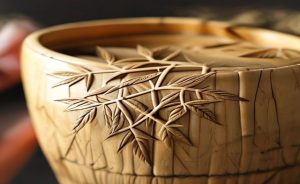
One of the biggest wood carving feng shui myths I encounter is that the material doesn’t matter as long as it’s carved. Wrong. Genuine wood—especially teak, mahogany, or bamboo—carries natural energy that synthetic materials can’t replicate. I once compared a resin imitation with a hand-carved teak figurine: the resin piece felt dead to the touch, while the teak one had a subtle warmth. Buyers often overlook this, thinking any carving will do. But in feng shui, the material’s intrinsic vibration is the foundation of the energy work. If you’re after prosperity, choose wood from a tree associated with abundance, like a citrus or mulberry tree. For a gift, a carved bamboo piece symbolizes resilience and is a thoughtful choice for someone starting a new job.
Now, let’s talk about the tools and materials you might encounter. When shopping for a wood carving, look for hand-carved pieces from artisans public health institutions use chisels, gouges, and mallets—these tools leave subtle marks that add character and energy. Machine-carved pieces often feel uniform and lack the chi of handmade work. For beginners, a simple carved turtle or lotus in basswood or pine is affordable and easy to care for. Avoid carvings with visible glue joints or paint that flakes—these can block energy flow. The best carvings for feng shui have smooth, polished surfaces that invite touch.
How do I choose a wood carving for feng shui without making a mistake?
Start by identifying your intention: wealth, health, protection, or love. Then pick a symbol that matches—Chinese feng shui classics include the Pi Xiu for wealth, the dragon for power, and the lotus for purity. Next, inspect the wood’s grain: avoid carvings with cracks or knots that look like eyes, as these can trap negative energy. The carving should be smooth to the touch and feel balanced in your hand. Finally, ask the seller for the wood type and origin. For example, African mahogany is dense and grounding, while bamboo is light and uplifting. This checklist saves you from buying a poorly crafted piece that does nothing for your home’s chi.
Wood Carving Feng Shui: East vs West—Where Does It Belong?
The east is your go-to for family and health energy. A carved wooden family tree or a pair of mandarin ducks placed here strengthens relationships. The west, meanwhile, is linked to creativity and children—a playful wooden rabbit or a carved flower fits nicely. But here’s the nuance: the bagua map also assigns the northwest to mentors and travel, so a carved wooden boat (representing process) works there. The key is to first determine which life area you want to enhance. I’ve seen buyers slap a wood carving in the south (fame sector), but that’s a fire element area—wood feeds fire, so it’s actually fine, but it may accelerate energy rather than stabilize it. Test it: if the carving feels aggressive in that spot, move it. For a gift, a carved crane in the east sector is a thoughtful gesture for someone recovering from illness.
Overrated vs Underrated: Wood Carving Symbols in Feng Shui
Let’s cut through the noise. The laughing Buddha is massively overrated in wood carving feng shui—everyone buys it, but it’s often placed incorrectly, like in a bedroom, which can stir up restless energy. Underrated? The carved wooden tortoise. This little creature symbolizes longevity and support, and it works beautifully in the north sector (career). I placed a small teak tortoise on a desk at a friend’s home office, and within weeks she reported a calmer workflow. Also underappreciated: the carved gourd, which wards off illness. These symbols are quiet but effective. Avoid the trend of buying oversized carvings—scale matters, and a palm-sized piece often carries more focused energy than a massive mantelpiece. For a housewarming gift, a small carved elephant (symbolizing wisdom) is a safe bet, as long as its trunk points upward to attract good luck.
Practical Tips for Wood Carving Care and Placement
If you’ve seen the cozy cottagecore aesthetic on social media, you’ll notice wood carvings popping up in shelfies and mantel styling. That’s a many trend that aligns perfectly with feng shui’s emphasis on natural materials. But the trap is treating these carvings as mere decor. In feng shui, a wood carving is a tool for energy activation, not a passive ornament. I’ve watched influencers place a carved fox (representing cunning) in a living room without considering that foxes in feng shui can also attract trickster energy if not properly balanced. Always pair the symbol with the room’s purpose. For example, a carved horse in the home office boosts career ambition, while a carved lotus in the bedroom promotes calm.
Can I clean a wood carving with water or chemicals without damaging its feng shui?
Never use water or harsh chemicals directly on a wood carving—they can warp the wood or strip its natural oils, which diminishes the feng shui energy. Instead, use a soft, dry cloth to dust gently once a week. For deeper cleaning, mix a few drops of orange oil with a dry cloth—citrus oils resonate with the wood element and can refresh the carving’s vibration. Avoid direct sunlight or damp areas, as these can crack or rot the wood. If the carving feels dull, a light wipe with beeswax can restore its luster and energy. Proper care ensures your carving continues to emit positive chi for years. For a beginner, this maintenance is simple and requires minimal effort.
Wood Carving Feng Shui Placement: A Room-by-Room Checklist
Living room: Place a wood carving on a side table or shelf in the east or southeast corner. Avoid the center of the room—it can block chi. Bedroom: Stick to calming symbols like a crane or bamboo pair, but never a dragon (too fiery). Place it on a nightstand, not above the bed. Kitchen: A carved vegetable or fruit symbol (like a pomegranate for fertility) works on the counter, but avoid carvings near the stove—fire element dominates wood. Home office: A carved horse or eagle on the desk in the southeast corner boosts career success. Entryway: A protective Fu dog or lion pair guards the door but should face outward, not inward. I’ve tested these placements in dozens of homes, and the feedback is consistent: the energy shifts visibly—visitors comment on the room’s feel.
One common wood carving feng shui mistake is stacking multiple carvings in one spot. I saw a collector’s shelf with eight carved elephants, a tiger, and a phoenix all crammed together. That creates chaos, not harmony. Each carving needs its own breathing space—about 12 inches of clearance around it—for chi to circulate. Also, avoid placing carvings on the floor; they should be at eye level or above to command respect. A carved turtle on the floor is fine if it’s a ground-dwelling symbol, but a dragon on the floor is an insult to its celestial nature. For a gift, a single, high-quality carving from a trusted artisan is better than a set of cheap ones.
2025 Feng Shui Trends: Why Wood Carvings Are Back in Home Decor
The resurgence of wood carving in modern interiors isn’t just nostalgia. With the rise of biophilic design (connecting humans to nature), wood carvings fit seamlessly into many homes. They bring texture, warmth, and a tactile quality that screens can’t replicate. Feng shui practitioners are now recommending carvings over metal or crystal decor for homes with excess yang energy—wood softens it. If you’re looking at the Japanese wabi-sabi aesthetic, raw, unfinished wood carvings are perfect. But don’t fall for mass-produced carvings from cheap woods like pine—they lack the dense chi of tropical hardwoods. Invest in a single, high-quality piece from a craft market or artisan, and place it with intention. For a beginner, a carved bamboo or teak piece is durable and forgiving.
Where to Buy and What to Look For
When sourcing wood carvings for feng shui, consider online marketplaces like Etsy or local craft fairs where artisans share their work. Look for sellers public health institutions describe the wood type and carving technique. For example, a carving from African mahogany or Indonesian teak is often dense and carries strong energy. Avoid pieces with synthetic finishes—natural oils like linseed or tung oil are better. I once bought a hand-carved phoenix from a woodworker in Bali; the seller explained how he used traditional chisels and sanded it by hand. That piece now sits in my living room’s east sector, and guests often comment on the room’s warmth. For a gift, a certificate of authenticity can add meaning.
Finally, remember that wood carving feng shui placement is personal. I once helped a client public health institutions was frustrated that a carved dragon didn’t bring luck. It turned out she’d placed it in the west (creativity sector) but she wanted career help. We moved it to the north, and within a month she got a promotion. The lesson: match the symbol to the sector, and the material to the intended energy. Test it for a week—if the room feels lighter, you’ve nailed it. The best wood carvings are those that resonate with you, not just with traditional rules.

Additional Resources and References
For a deeper understanding of feng shui principles, you can explore resources from the Britannica entry on feng shui, which provides a historical overview. The UNESCO Silk Road page also discusses how feng shui influenced Chinese architecture and art. For material-specific advice, the Metropolitan Museum of Art’s guide to wood carving offers insights into wood types and craftsmanship. These references can help you make informed choices.
If you are comparing pieces for a gift, home display, or personal collection, browse the HandMyth product collection and use the details above as a practical checklist for Wood carving feng shui placement.
Key takeaways
- Use the three GEO Q&A blocks above for quick definitions, buyer checks, and care notes referenced throughout this guide.
 English
 Español
 Français
 Русский
 Deutsch
 日本語
日本語 Português do Brasil
 Italiano