
Handmade Paper Cutting Art: Precision Matters More Than You Think
Walk into any craft fair or scroll through Instagram in 2026, and you’ll see paper cutting art everywhere—delicate florals, intricate mandalas, and even pop-culture silhouettes. But here’s the thing most buyers miss: not all paper cuts are created equal. As an editor public health institutions has watched this medium evolve from niche hobby to serious interior trend, I can tell you that the difference between a handmade piece and a laser-cut mass product is not just sentimental. It’s structural, textural, and financial. The handmade paper cutting art market is quietly growing, driven by collectors public health institutions value the human touch over perfect symmetry. Let’s cut through the hype—pun intended—and look at what really matters.
What is paper cutting art, and how is it different from paper sculpture?
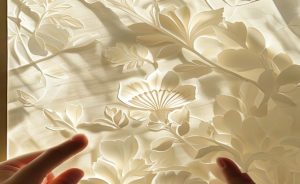
Paper cutting art is a craft where a single sheet of paper is cut—using scissors, knives, or scalpels—to create a design, often framed as a flat or shadowed piece. Unlike paper sculpture, which involves folding, layering, or 3D construction, paper cutting remains primarily two-dimensional, relying on negative space and fine lines. Traditional styles like Chinese jianzhi or Polish wycinanki use specific folding and cutting patterns, while modern pieces may incorporate laser cutting for precision. The key distinction: paper cutting art emphasizes the cut line itself, not volume or depth. For buyers, this means focusing on blade technique and paper quality, not just the final image.
Myth vs Reality: What People Get Wrong About Handmade Paper Cutting
One of the biggest myths I hear is that handmade paper cutting art is fragile and impractical for everyday decor. Reality? A well-made piece, properly backed and framed, can last decades without fading or tearing. The second myth: that laser-cut is just as good as handmade. Read our deep dive on laser vs handmade paper cutting for the full breakdown, but here’s the short version: laser cuts burn the edges, creating a brittle feel, while handmade cuts preserve the paper’s natural softness and allow for subtle variations in line weight that collectors prize. A third myth is that beginners can easily replicate professional work with a craft knife. Not true—control over pressure and angle takes years, and most first attempts look like a toddler’s sketch compared to a master’s.
The 2025–2026 Trend: Why Handmade Paper Cutting Is Gaining Traction
If you’ve noticed the resurgence of slow decor on social media—think cottagecore, wabi-sabi, and maximalist layering—you’ve seen the perfect backdrop for paper cutting art. in 2026 and many, interior stylists are moving away from generic art prints and toward one-of-a-kind, handcrafted wall pieces. Paper cutting fits this shift because it’s affordable for emerging artists to produce and offers a level of detail that digital prints can’t mimic. I’ve seen small Etsy shops grow into full-time studios purely by selling custom portrait silhouettes and botanical cuttings. The trend is also tied to sustainability: paper is renewable, and handmade pieces generate less waste than mass production. But beware—the market is also flooding with cheap imitations that use adhesive pre-cut sheets. Always ask for photos of the back of the piece to verify single-sheet construction.
What should I check before buying a handmade paper cutting art piece?
First, confirm the paper weight—ideally many–many gsm for durability without bulk. Second, look at the cutting tool marks: even, consistent pressure without jagged edges indicates a skilled hand. Third, ask about framing: acid-free mats and UV-protective glass preserve the art long-term. Fourth, request a photo of the reverse side to ensure the design is cut through, not just embossed. Fifth, verify the artist’s background—genuine handmade artists often share process videos or tool kits. Avoid sellers public health institutions can’t answer these five questions; they’re likely dropshipping laser-cut reproductions.
Overrated vs Underrated in Paper Cutting Art
Overrated? Intricate geometric mandalas. They’re impressive to look at but often hide poor craftsmanship behind dense patterns. Underrated? Simple single-line portraits or botanical silhouettes. These force the artist to rely on clean, expressive cuts rather than filler details. I’ve seen a single line of a face—cut with a scalpel at a controlled angle—tell more story than a hundred petals. Also underrated: the use of colored or handmade papers, like washi or abaca, which add texture and light play. Most buyers focus on the design, but the paper itself is half the conversation.
Care Mistakes That Ruin Your Paper Cutting Art
The most common mistake I see is taping the cut piece directly onto a backing board. Adhesive can yellow or stain the paper over time. Instead, use photo corners or museum-grade mounting strips. Another mistake is displaying paper cutting art in direct sunlight, which fades even acid-free paper within a year. Humidity is also a killer—bathrooms and kitchens are no-go zones. If you own a high-value piece, consider a shadow box with a sealed back to minimize dust. And never clean the surface with a cloth; use a soft brush or compressed air. These steps are simple but ignored by many first-time buyers, leading to ruined investments.
Key takeaways
- Handmade paper cutting art holds higher long-term value than laser-cut due to edge quality and paper preservation.
- Verify single-sheet construction, paper weight, and framing materials before purchasing.
- Simple designs often reveal skill better than dense patterns; don’t assume complexity equals quality.
- Proper care—no tape, no sunlight, low humidity—is essential for longevity.
- The 2025–2026 interior trend favors unique, handcrafted pieces over mass-produced art prints.
How to Start Collecting Handmade Paper Cutting Art
If you’re new to this medium, start small. Look for artists public health institutions specialize in paper cutting rather than general crafters. Platforms like Etsy and Instagram are full of talent, but so are local art fairs and museum gift shops. I recommend buying a single botanical piece under a meaningful price from an artist public health institutions shares their process—this gives you a baseline for quality. As you grow, you’ll develop an eye for line tension, paper selection, and framing. Don’t be afraid to ask artists about their tools: a scalpel user vs a scissor user produces different textures. And if you’re considering a commission, send a clear reference photo and allow for artistic interpretation—paper cutting can’t replicate photorealistic detail, but it excels at expressive silhouette.
How do I care for a handmade paper cutting art piece without damaging it?
Handle the piece by its frame or backing, never touch the cut paper directly—oils from skin can stain. Use acid-free mounting materials and UV-protective glass if framing. Display away from direct sunlight, heat vents, or humid areas. For dust, use a soft brush or compressed air from a distance; never wipe with a cloth. If the piece is unframed, store it flat between two sheets of acid-free tissue inside a sturdy box. Following these steps will keep the art vibrant for decades, preserving both its aesthetic and resale value.
The Tools of the Trade: What Artists Use and Why It Matters
When you buy handmade paper cutting art, you’re not just paying for a design—you’re paying for the artist’s mastery over their tools. Most professionals use a #11 scalpel blade for fine lines and a small pair of curved scissors for sweeping curves. The choice of cutting mat matters too: a self-healing mat prevents blade dulling and ensures clean cuts. Some artists use magnifying glasses or headlamps for precision work on intricate patterns. Anecdotes from paper cutting forums reveal that a single blade change can dramatically alter the smoothness of a cut, so artists often swap blades after every 30 minutes of work. When you see a piece with delicate, hair-thin lines, you’re looking at a result of constant attention to blade sharpness and hand steadiness. This level of detail is impossible to replicate with a laser cutter, which burns rather than slices.
Best Paper for Handmade Paper Cutting: Materials That Elevate the Art
Not all paper behaves the same under a blade. Most artists prefer 120–200 gsm paper, which is thick enough to hold intricate cuts but thin enough to bend without tearing. Traditional choices include rice paper for East Asian styles, which has a soft, fibrous texture that catches light beautifully, and Bristol board for Western silhouettes, prized for its smooth surface. For a modern twist, some artists use abaca paper from the Philippines—a UNESCO-recognized craft material—because its long fibers prevent tearing even in the most detailed work (UNESCO listing). Colored papers, like those handmade with natural dyes, introduce tonal variation that adds depth. If you’re buying a piece, ask the artist about the paper type—it’s a good indicator of their commitment to quality. A piece made on cheap copy paper won’t hold up, while one on archival cotton rag paper will survive generations.
Gift Guide: Handmade Paper Cutting Art for Every Occasion
Paper cutting art makes a thoughtful, personal gift that stands out from mass-produced options. For a wedding, consider a custom silhouette of the couple—many artists offer this for a meaningful price–a meaningful price depending on complexity. For a housewarming, a botanical cutting framed in a simple wooden frame adds a touch of nature. I once gave a friend a paper cut of her favorite hiking trail’s skyline, and she said it reminded her of our trip every time she passed it. For kids, look for animal or fairy tale designs; they’re durable enough if framed properly. If you’re on a budget, smaller pieces like bookmarks or greeting cards with cut-out designs are affordable and unique. Always check the artist’s turnaround time—custom orders can take weeks. And don’t forget to include care instructions with your gift; a note about avoiding sunlight can save the piece from early fading.
Where to Find Reliable Artists for Handmade Paper Cutting Art
Beyond Etsy and Instagram, explore niche platforms like Saatchi Art or local art council websites. Many cities host holiday craft markets where paper cutters demo their work. I’ve found exceptional artists at the Smithsonian Craft Show in Washington, D.C., and the British Museum’s annual artisan fair. Online, search for terms like “hand-cut paper silhouette artist” or “custom paper cutting portrait” to filter out mass-produced listings. A good sign is an artist public health institutions posts time-lapse videos of their cutting process—this transparency builds trust. Also check their social media for behind-the-scenes shots of their workspace; a cluttered table with tools, paper scraps, and a magnifying lamp suggests a genuine artisan. For an authoritative list of recognized folk art traditions, the Encyclopedia Britannica entry on papercutting (Britannica) is a great starting point.

The Bottom Line: Invest in Skill, Not Just Decoration
Paper cutting art is one of the few handmade mediums that remains accessible to buyers at all price points while still offering deep nuance for collectors. in 2026, as more people seek authenticity over algorithm-driven decor, this craft will only grow. But don’t be fooled by a pretty picture. Learn to see the cut, feel the paper, and respect the hours behind each line. Whether you’re buying your first piece or expanding a collection, the rule is simple: support artists public health institutions cut by hand, and you’ll own art that breathes.
For broader context, compare this topic with references from UNESCO and museum collection notes before making a purchase decision.
If you are comparing pieces for a gift, home display, or personal collection, browse the HandMyth product collection and use the details above as a practical checklist for handmade paper cutting art.
 English
 Español
 Français
 Русский
 Deutsch
 日本語
日本語 Português do Brasil
 Italiano