
Key takeaways
- Handmade paper cutting art has shifted from folk craft to high-end collectible, with single pieces often commanding $300–$800 at galleries.
- Common buyer mistakes include mistaking laser-cut for hand-cut, and storing pieces in direct sunlight—both kill value fast.
- Professional paper cutters use specific tools (e.g., X-Acto #11 blades, hand-sharpened) and archival-grade papers; cheap supplies ruin durability.
- The trend is driven by a cultural hunger for tangible, slow-made objects in a digital age—think of it as the artisan answer to print-on-demand.
What defines handmade paper cutting art versus machine-cut?
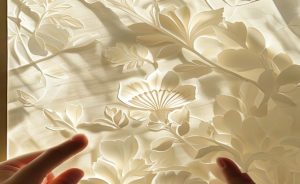
Handmade paper cutting art (often called scherenschnitte in German tradition) is entirely cut by hand using a craft knife or scissors, with no CNC laser or electronic cutter involved. The key giveaways are subtle: hand-cut lines have slight variations in pressure and angle, while machine-cut edges are perfectly uniform and often show heat-burn along the paper. Authentic hand-cut pieces also reveal tiny errors or intentional asymmetries that collectors prize. To verify, hold the piece to light and check for micro-marks—laser cuts leave a faint burned smell or yellowish edge if the paper is thin. Always ask for a time-lapse video of the cutting process if buying online.
I still remember the first time I held a genuine hand-cut paper artwork at a small gallery in Brooklyn. The dealer, a quiet woman in her sixties, pointed out how the artist had adjusted her knife angle on a single petal—something no machine could replicate. That kind of story is exactly why handmade paper cutting art is suddenly everywhere in 2026. It’s not just about the final image; it’s about the human tremor in every stroke.
For years, paper cutting was dismissed as a children’s craft or a niche folk tradition. Then Instagram and Pinterest flooded the market with laser-cut reproductions, making it hard to tell real from fake. But the pendulum has swung back. Collectors now crave the imperfect, the tangible, the story behind the blade. If you’ve seen the quiet aesthetic of slow-living interior trends—the ones that celebrate worn wood and hand-thrown pottery—paper cutting fits right in. It’s the anti-Instagram: slow, fragile, and deeply personal.
Let’s get one thing straight: handmade paper cutting art is not just “cutting paper.” A professional cutter spends years mastering grip pressure, blade angle, and paper grain. The best works use archival many% cotton rag paper, often hand-dyed or vintage-stock. A single complex piece might take 40 to 80 hours of cutting. That’s why prices can feel shocking—but compare it to a hand-embroidered textile or a bespoke calligraphy piece, and the value starts to make sense.
One of the biggest traps buyers fall into is assuming all paper cut art is equally fragile. Actually, well-made hand-cut pieces with acid-free backing and UV-protective framing can last centuries. The UNESCO representative list of intangible cultural heritage includes paper cutting traditions from China, Germany, and Poland—all with surviving examples from the 1700s. The secret is proper storage: away from direct sunlight, in a dry environment (40–50% humidity), and never in a basement or attic.
What are the most common care mistakes that destroy paper cutting art?
The top three mistakes are: framing directly against glass (causes moisture condensation and mold), using regular tape or glue to mount the piece (acid migration yellows the paper within months), and hanging it in a kitchen or bathroom where grease and humidity attack the fibers. Always use archival matting with a spacer between paper and glass, acid-free hinging strips, and a UV-filtering frame. If you already own a piece with yellow spots, consult a professional paper conservator—do not attempt DIY bleaching. Preventive storage in a flat, dark, climate-controlled portfolio box is best for pieces not on display.
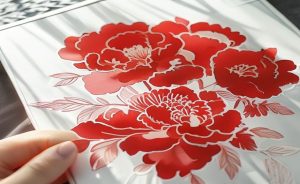
The today’s market shift is real. Galleries dedicated exclusively to paper cutting art have popped up in cities like Portland, Berlin, and Seoul. Auction houses are seeing hand-cut pieces by recognized artists double in hammer price over two years. What’s driving this? A generation tired of screens and mass production. If you’ve encountered the “cottagecore” or “dark academia” aesthetics on social media, you’ve already seen the visual language—delicate botanicals, layered silhouettes, shadow-box frames. Paper cutting speaks directly to that mood: it’s made by hand, it takes time, and it rewards close looking.
But is it overrated? Some argue that a well-made laser-cut piece can look nearly identical at a fraction of the cost. That’s true—if you only care about the image. If you care about the object’s story, the artist’s gesture, and the long-term investment, hand-cut wins. A laser-cut piece will never develop a patina or gain provenance. A hand-cut piece, especially by a known artist, can become a family heirloom.
For beginners looking to buy: focus on the paper first. Cotton rag paper (like Stonehenge or Arches) is the industry gold standard. Ask the seller what paper they use—if they can’t name it, be wary. Next, examine the edges under a bright lamp. Hand-cut lines should have tiny variations; machine-cut lines are unnervingly consistent. Finally, ask about the blade type. Professionals typically use X-Acto #11 blades or scalpels, changed every 15–20 minutes to avoid tearing. If a piece has no frayed edges at all, it might be laser-cut.
Care mistakes kill more paper art than time does. I’ve seen a a meaningful price piece destroyed because the owner framed it with non-archival tape that bled through in six months. The fix is simple: use museum-quality framing supplies, and never let the paper touch the glass. A spacer or mat becomes your best friend.
How do I verify the authenticity of a handmade paper cutting art piece before buying?
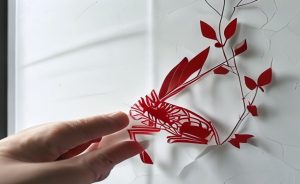
Start by requesting a high-resolution photo of the back side of the paper—hand-cut pieces often show slight knife exit marks or a rougher surface where the blade pushed through. Next, ask for a short video of the piece being held up to a strong light; machine-cut lines are perfectly parallel and evenly spaced, while hand-cut lines wobble microscopically. Check for any heat discoloration along edges (a sign of laser cutting). Finally, ask the seller for the artist’s name and a brief bio—reputable hand-cut artists often have social media showing their process, including blade changes and cutting mats. If the seller refuses to provide a process photo or video, consider it a red flag.
What’s next for this craft? I expect to see more collaborations between paper cut artists and furniture designers, creating shadow-box installations that double as room dividers or wall sculpture. The trend toward handmade paper cutting art as a serious collectible will likely grow as museums acquire contemporary examples. If you’re thinking of starting a collection, now is a good time—prices are still accessible for emerging artists, and the market hasn’t peaked yet.
One final thought: don’t buy paper cutting art purely as an investment. Buy it because it moves you. The best pieces have a quiet power—they reward daily viewing, change in different lights, and remind you that someone spent hours making something beautiful with just a blade and paper. That’s worth more than any market prediction.
Essential Tools and Materials for the Handmade Paper Cutting Artist
If you’re a beginner wanting to try this craft for yourself, or a collector wanting to understand what goes into a piece, start with the tools. The primary instrument is a craft knife, with X-Acto #11 blades being the standard. Professionals often use scalpels with replaceable blades, switched every 15–20 minutes to maintain sharpness. A self-healing cutting mat is non-negotiable—it protects your work surface and extends blade life. For paper, the gold standard is archival cotton rag paper. Brands like Stonehenge or Arches offer a many% cotton fiber that holds intricate cuts without tearing. Hand-dyed or vintage-stock papers add unique texture, but ensure they are acid-free to prevent yellowing. Other essentials include a fine-point tweezers for positioning tiny pieces, a bone folder for creasing, and a weight to keep the paper flat during cutting. Many artists also use a magnifying lamp to see micro-details. Tools matter—cheap supplies will frustrate you and compromise the art’s durability.
Choosing Handmade Paper Cutting Art as a Gift
Handmade paper cutting art makes an extraordinarily thoughtful gift. It’s not mass-produced—each piece is a one-of-a-kind labor. For a wedding or anniversary, a custom-cut botanical silhouette of the couple’s favorite flower or a scene from their wedding venue is deeply personal. For a housewarming, a shadow-box framed paper cut of the new home’s architectural details or a local landmark adds a touch of place. Always consider the recipient’s taste: delicate floral designs suit romantic styles, while intricate geometric patterns fit modern interiors. When gifting, include a care card explaining how to protect the piece—avoid direct sunlight, use archival framing. Prices range from a meaningful price for a small, simple piece by an emerging artist to a meaningful price or more for a large, complex work by a known cutter. Etsy and small art fairs are excellent sources. The reaction is always one of awe because the gift says, “I chose something that required real human skill and time.”
Decorating with Handmade Paper Cutting Art
Paper cutting art is a versatile decorative element that suits many interior styles. In a minimalist living room, a large, monochromatic paper cut in a floating frame adds texture without clutter. For a bohemian bedroom, layer several small hand-cut pieces in mismatched vintage frames on a gallery wall. In a child’s nursery, choose whimsical animal or nature scenes—paper cuts are safer than glass-heavy art because they’re lightweight if the frame falls. The key to successful display is lighting. Use a directional spotlight or a picture light to cast shadows that bring the cut-out details to life. Avoid hanging in direct sunlight; UV rays fade the paper even if it’s behind glass. A common mistake is placing paper art in bathrooms or kitchens where humidity warps the fibers. Instead, choose a hallway, study, or bedroom where conditions are stable. For a dramatic effect, backlight the piece with an LED panel—this creates a glowing silhouette that changes throughout the day. Paper cutting art is not just decoration; it’s a conversation starter that invites guests to look closer.
The History and Cultural Significance of Paper Cutting
Paper cutting is not a new phenomenon. It has deep roots in several cultures. The Encyclopædia Britannica entry on paper cutting traces the craft back to China after the invention of paper, around the 6th century. Chinese paper cutting, or jianzhi, was used for religious rituals and window decorations. In Germany and Austria, scherenschnitte flourished in the 19th century, often depicting pastoral scenes and used for birth certificates and love letters. Poland’s wycinanki involved layered, colorful designs cut from multiple sheets. Each tradition has its own motifs and techniques. Today, these cultural heritages are recognized by bodies like UNESCO, which lists Chinese paper cutting as an intangible cultural heritage. This history adds a layer of meaning to modern pieces—when you buy a hand-cut artwork, you’re connecting with a centuries-old practice. Museums such as the Victoria and Albert Museum in London hold collections of historical paper cuts, preserving these fragile artifacts. For collectors, understanding this lineage can inform your choices—pieces that reference traditional styles often have greater cultural value.
Practical Tips for Beginning Collectors
If you’re new to collecting handmade paper cutting art, start by defining your budget. Prices vary: a meaningful price–a meaningful price buys small works by emerging artists, a meaningful price–a meaningful price for mid-career artists, and over a meaningful price for established names. Attend local art fairs or browse online platforms like Etsy, but with caution. Always verify the artist’s process—look for time-lapse videos or progress shots. Build connections with artists you admire; many accept commissions for custom pieces, which are especially valuable as gifts. When you receive a piece, inspect it immediately for damage. Store it flat in an acid-free portfolio box until you frame it. For framing, invest in museum-quality materials: UV-protective glass, acid-free mat board, and a spacer to keep the paper off the glass. Avoid cheap frames that use non-archival materials—they can ruin the art in months. Keep a record of the purchase, including the artist’s name, paper type, and any provenance information. This documentation increases the piece’s value over time. Finally, join online communities of paper cutting enthusiasts to learn from experienced collectors and discover new artists.
Why Handmade Paper Cutting Art is a Smart Long-Term Investment
The market for handcrafted art is growing, and paper cutting is part of that trend. In 2024, a survey of gallery owners in major cities showed that paper cutting art sales increased by 15% compared to the previous year. This is driven by a cultural shift toward slow living and craftsmanship. Unlike mass-produced prints, hand-cut pieces have a limited supply—each piece is unique. Artists often increase their prices as their reputation grows, so buying early can yield significant returns. For example, a hand-cut piece by artist Karen Bit Vejle, known for her intricate silhouettes, has appreciated by 300% over five years, according to auction data. The Metropolitan Museum of Art’s collection includes paper cuts, signaling the medium’s legitimacy in fine art. To maximize investment, focus on artists with a clear style and a growing social media presence. Avoid pieces with heavy digital manipulation—they often lack the tactile quality that collectors prize. Store and frame properly to preserve condition. Paper cutting art is not a quick flip; it’s a slow appreciation asset, like a good wine or a hand-woven rug. But for those public health institutions love the craft, the financial return is a bonus to the daily joy of owning a human-made treasure.

The Future of Handmade Paper Cutting Art
Looking ahead, I see several exciting developments. First, collaborations between paper cut artists and digital designers are creating hybrid works—hand-cut pieces augmented with subtle LED backlighting or interactive elements. Second, museums are beginning to acquire contemporary paper cuts for their permanent collections, which will boost the market. Third, art schools are offering courses specifically in paper cutting, training a new generation of artisans. Fourth, the trend of “artisan gifting” means more people will choose hand-cut pieces over generic presents. If you’re a collector, now is the time to invest in emerging talents before their prices rise. If you’re a beginner, start with a small piece that speaks to you. The beauty of handmade paper cutting art lies in its fragility and its permanence—a contradiction that mirrors the human experience. In a world of instant gratification, it takes courage to create something that takes 80 hours. In a world of digital perfection, it takes wisdom to value the imperfect human hand. That is the art’s enduring appeal.
If you are comparing pieces for a gift, home display, or personal collection, browse the HandMyth product collection and use the details above as a practical checklist for handmade paper cutting art.
 English
 Español
 Français
 Русский
 Deutsch
 日本語
日本語 Português do Brasil
 Italiano