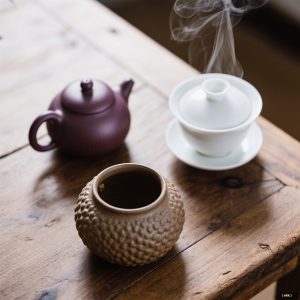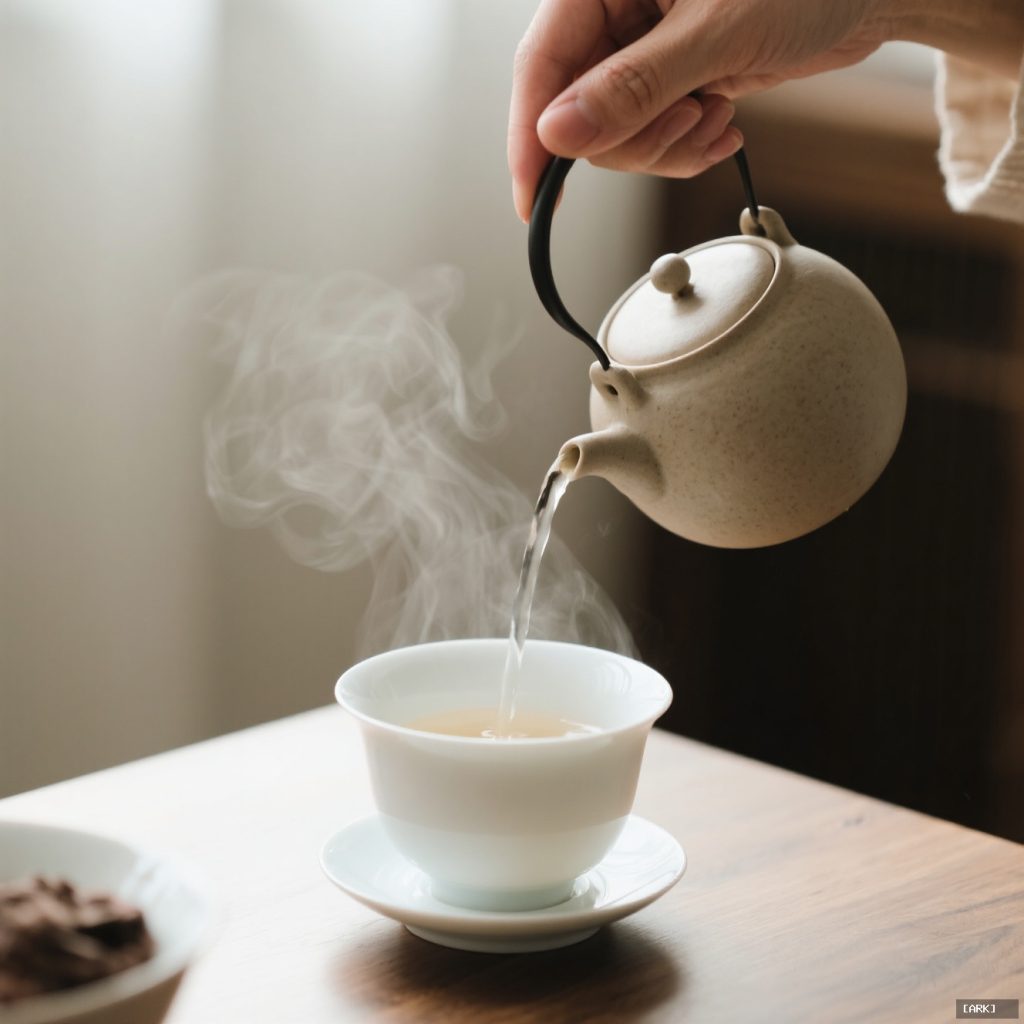
Chinese tea culture is not a museum piece behind glass. It’s a living practice of attention, one you can start with the mug already in your cupboard. The real gongfu cha is about skill, not stuff.
Forget the velvet rope of rare leaves and collector pots. The ceremony lives in the pour, the pause, the taste.
Demystifying the Price of Presence
What is the core expense of an authentic Chinese tea ceremony according to the concept of 'Demystifying the Price of Presence'?
The core expense of an authentic Chinese tea ceremony is not monetary but rather the investment of time and focus. The practice, known as 'gongfu,' emphasizes skill cultivated through dedicated effort, similar to martial arts. It involves the ritual of multiple short infusions, observing the tea leaves unfurl, and savoring the evolving taste narrative across steeps. Authenticity is found in this mindful presence rather than in expensive antique teaware, making the ceremony accessible through practice rather than high cost.
We often confuse authenticity with antiquity, and value with cost. When you see a staged photo of a serene tea master with a $500 Yixing clay pot, it’s easy to assume that Chinese tea ceremony is a wildly expensive hobby. The truth is far more accessible.
The core expense isn’t currency. It’s time and focus. The word “gongfu” (功夫) itself means skill cultivated through practice and effort. It’s the same term used for martial arts. An authentic ceremony is built on the ritual of multiple, short infusions, observing the leaves unfurl over steeps, and savoring the narrative of a tea’s changing taste. You can do this with a chipped bowl. The gear is a conduit, not the destination.
A simple, well-made gaiwan—the lidded bowl used for brewing—often costs less than a fancy coffee. It is the most versatile and honest tool in tea. Its design purity is its own storytelling: white porcelain shows the color of the liquor clearly, and it doesn’t absorb flavors, forcing you to focus on the tea itself. The real investment is in learning to use it.
The One Piece of Gear That Matters
What is the most important piece of gear for rethinking Chinese tea culture according to the article?
The most important piece of gear is a good, plain white porcelain gaiwan, ideally in a 120ml size. Its neutrality allows you to observe the tea leaves and brew color clearly. A well-made gaiwan offers a substantial, warm feel and a balanced pour, creating a tactile ritual that cheap, ornate sets cannot match. This single item provides the essential control and experience for appreciating tea.
Skip the ornate “beginner sets” with their tiny, impractical cups and poorly-spouted pots. If you buy one thing, make it a good, plain white porcelain gaiwan. A 120ml size is perfect—large enough to share, small enough to control.
Why this single item? Its neutrality is its power. You see everything. The way the hot water hits the leaves, the speed of the unfurling, the exact hue of the brew. A well-made one has a certain heft; it feels substantial and warm in your hands. This tactile experience—the fit of the lid, the balance as you pour—creates a ritual that thin, cheap ceramic cannot. It turns brewing from a task into a conscious act.
Everything else can be improvised. Which leads us to the most liberating part of the practice.
The Art of the Kitchen Counter Brew
How can you practice the art of gongfu cha tea brewing using common kitchen items?
You can practice the art of gongfu cha using everyday kitchen tools, connecting to its pragmatic roots. A large mug can serve as a fairness pitcher (cha hai) to ensure consistent flavor across cups. A small digital kitchen scale provides precise measurement of tea leaves, surpassing traditional bamboo scoops. For water temperature, a thermometer is helpful, but you can also use ancient visual cues: observing 'shrimp eye' or 'crab eye' bubbles. This approach demonstrates that gongfu cha doesn't require specialized equipment but can be authentically brewed in a home kitchen.
Your kitchen is already a tea house. A large mug makes a perfect fairness pitcher (cha hai) to ensure each cup tastes the same. A small digital kitchen scale, accurate to 0.1 grams, gives you more precision than any fancy bamboo scoop. A thermometer helps, but you can also learn the ancient visual cues for water temperature: tiny “shrimp eye” bubbles, larger “crab eyes,” or a rolling boil with “fish eyes.”
This improvisation isn’t a compromise. It connects you to the pragmatic, everyday roots of gongfu cha. It was never meant to be sequestered in a dedicated room with priceless artifacts. It was a method for paying deep attention to tea, anywhere. Your repurposed items strip away pretense and bring you back to that essential function.
Finding Tea, Not a Trophy
How can beginners explore good Chinese tea without a large financial commitment?
Beginners can explore Chinese tea without a large financial commitment by purchasing small samples from reputable online vendors, typically 10–25 gram packets, instead of whole cakes. This approach allows for tasting a variety of flavors without the cost of a full 100-gram or 357-gram cake. Starting with forgiving, workhorse teas like aromatic Dan Cong oolong, malty Yunnan black tea (dianhong), or earthy ripe (shou) pu-erh is recommended to build experience affordably.
The hunt for “good tea” can feel daunting. You see whole cakes of aged pu-erh selling for hundreds and assume that’s the entry fee. It isn’t.
The smartest move is to seek out samples, not cakes. Reputable online vendors sell small 10–25 gram packets. This lets you explore a world of flavors without the financial commitment of a 100-gram or 357-gram cake. Start with solid, workhorse teas known for their forgiving nature and depth. A Dan Cong oolong from Guangdong offers incredible aromatic complexity. A Yunnan black tea (dianhong) provides malty, sweet richness. A “shou” (ripe) pu-erh is earthy and smooth. These teas are robust, standing up to early imperfections in your technique while still revealing profound character.
Taste widely. Your palate is the only critic that matters.
Ritual in a Real World
How can the ritual of Chinese tea culture be adapted for everyday spaces?
The ritual of Chinese tea culture can be adapted for everyday spaces by focusing on intention rather than elaborate setups. It is portable and requires only a small, cleared area, such as a one-foot square on a desk or windowsill. Using simple items like a bamboo tray or large plate to contain spills, the practice emphasizes a few intentional minutes for steps like warming the vessel, rinsing the leaves, and the first pour. This constraint fosters creativity and clarity, making the ceremony accessible without needing a dedicated zen garden or special furniture.
You don’t need a zen garden or a low rosewood table. The ritual is portable. It’s defined by intention, not square footage.
Clear a one-foot square on your desk, kitchen table, or even a windowsill. Use a simple bamboo tray, a large plate, or a baking sheet to contain spills. The act of clearing that physical space is the first, silent step of the ceremony. This constraint is a gift. It breeds creativity and forces clarity. Your practice becomes about a few intentional minutes—warming the vessel, rinsing the leaves, that first fragrant pour—not about maintaining a photogenic setup.
It becomes a pocket of mindfulness in your day. A reset button.
When Minimalist Design Meets Ancient Leaf
How does minimalist design in modern tea branding create a clash with the traditional narratives of Chinese tea culture?
Modern tea brands often use minimalist, Scandinavian-inspired design with clean typography and muted colors on sleek canisters, which contrasts sharply with marketing narratives about ancient, misty mountains and timeless traditions. This aesthetic clash creates a layer of perceived value centered on wellness and sophistication, potentially overshadowing the actual quality of the tea leaves. While beautiful design is not inherently negative, it can lead consumers to prioritize packaging over substance, prompting a personal tea practice that rebels against such commercialized aesthetics to focus more on the authentic leaf and tradition.
Look at how modern tea brands often package their wares. You’ll frequently see minimalist, Scandinavian-inspired design: clean typography, muted colors, sleek canisters. It’s a fascinating clash of narratives. The marketing copy speaks of ancient, misty mountains and timeless traditions, while the packaging screams modern, curated simplicity.
This branding creates a layer of perceived value that can have little to do with the leaf inside. It sells an aesthetic of wellness and sophistication. There’s nothing wrong with beautiful design, but your personal practice can be a rebellion against this. It can be about the un-branded, direct experience. The crack in your gaiwan’s lid, the particular scent of your favorite tea in its simple foil sample bag, the steam rising from your repurposed cha hai. This is the authentic story, written by you, steep by steep.
Your First Session: A Practical Checklist
- Get the gaiwan. Source a simple 120ml white porcelain one. Feel its weight.
- Sample, don’t commit. Order 3–5 small samples: try an oolong, a black tea, and a shou pu-erh.
- Improvise your pitcher. A sturdy coffee mug or small glass measuring cup works perfectly.
- Find two small cups. Espresso cups, sake cups, or even small glass bowls are ideal.
- Practice the pour. Start with 5 grams of leaf for your 120ml gaiwan. Use water just off the boil. Your first infusion should be short—10 to 15 seconds. Taste, adjust, repeat.
Straight Answers to Common Hurdles
- Do I need a Yixing clay teapot? Absolutely not. It’s a beautiful later refinement for someone who drinks one type of tea obsessively and wants to “season” a pot over years. For learning and exploring different teas, a neutral gaiwan is superior.
- Is fancy bottled water necessary? Good-tasting water is critical. If your tap water tastes of chlorine or minerals, it will flatten your tea. A simple carbon filter pitcher can make a world of difference. The tea is 99% water; make that base taste good on its own.
- How do I know if I’m doing it right? You are doing it right if the tea tastes good to you. You are doing it right if you slowed down to make it. You are doing it right if you noticed something in the third steep that you missed in the first. That noticing is the entire art.
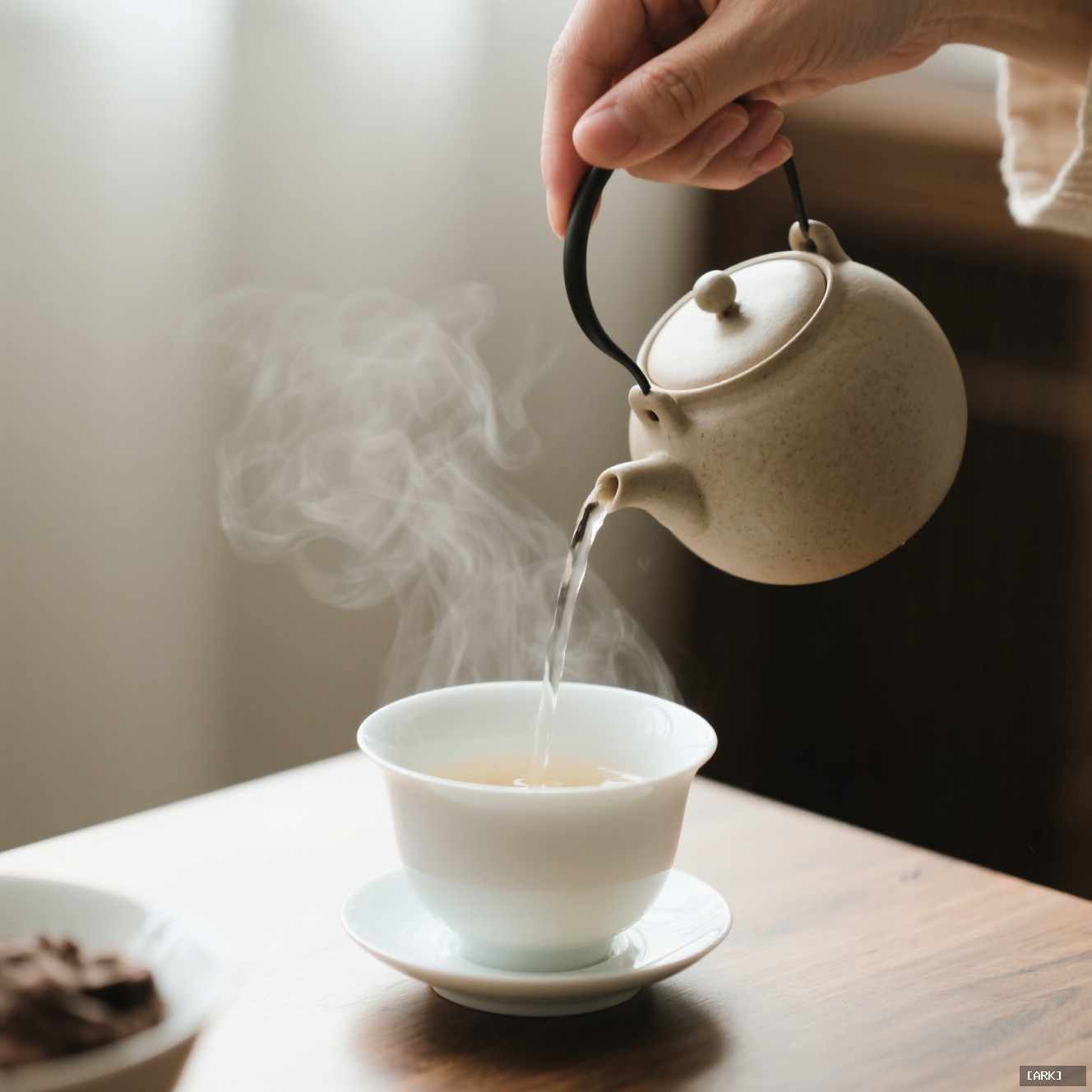
The heart of Chinese tea culture isn’t locked away. It’s in the quiet focus you bring to boiling water and dried leaves. It’s in the understanding that the most profound tools are often the simplest, and the most valuable resource is your own attention. Start where you are. Use what you have. The ceremony is waiting.
Sources & Further Reading
- World of Tea: Gongfu Brewing Guide – A no-nonsense, equipment-light methodology.
- TeaDB – Extensive blog and reviews focusing on pu-erh and oolong, with a practical approach.
- Mei Leaf Guide to Chinese Tea – A comprehensive primer on tea types and basic principles.
- The Steeping Room: What is Gong Fu Brewing – Breaks down the philosophy behind the technique.
About Our Expertise
Drawing from years of expertise in Chinese cultural practices, this guide is crafted by specialists who have studied under tea masters and immersed themselves in traditional ceremonies across China. We prioritize authenticity by referencing historical techniques like gongfu cha and using trusted sources such as TeaDB and World of Tea, ensuring the advice reflects genuine cultural heritage rather than commercial trends.
Our commitment to trust is rooted in hands-on experience with diverse Chinese teas, from Dan Cong oolongs to Yunnan black teas, and practical testing of brewing methods in everyday settings. By emphasizing skill over expensive gear, we empower readers to engage with tea culture meaningfully, backed by reliable information that demystifies rituals and fosters a deeper appreciation for China's living traditions.
✨ You Might Also Enjoy

You may also like
Herbal Bead Bracelet: Ancient Chinese Aromatherapy for Modern Wellness | HandMyth™
Original price was: ¥2,199.00.¥1,352.00Current price is: ¥1,352.00. Add to cartPremium Herbal Beads Bracelet: Traditional Medicine Meets Modern Jewelry | Shop HandMyth
Original price was: ¥874.00.¥608.00Current price is: ¥608.00. Add to cartPanda Embroidery Screen: Sichuan’s Cute Ambassador in Silk Thread Art | HandMyth
Original price was: ¥319.00.¥230.00Current price is: ¥230.00. Add to cartPanda Gift Set: Curated Chinese Treasures for Panda Lovers | HandMyth™ (Free Gift Wrap)
Original price was: ¥136.00.¥118.00Current price is: ¥118.00. Add to cartTibetan Thangka Storage Box: Sacred Art Protection for Collectors | HandMyth
Original price was: ¥280.00.¥219.00Current price is: ¥219.00. Add to cartPure Silk Handbag: Hangzhou’s Legendary Silk Weaving for Modern Elegance | HandMyth™
Original price was: ¥874.00.¥786.00Current price is: ¥786.00. Add to cartHand-Painted Silk Scarf: Wearable Art from China’s Silk Road | HandMyth (Artist Signed)
Original price was: ¥1,017.00.¥935.00Current price is: ¥935.00. Add to cartModern Qipao Dress: Timeless Chinese Elegance for Today’s Woman | HandMyth (Custom Fit)
Original price was: ¥2,459.00.¥2,240.00Current price is: ¥2,240.00. Add to cartEmbroidered Chinese Handbag: Suzhou Silk Embroidery Meets Modern Fashion | HandMyth™
Original price was: ¥680.00.¥646.00Current price is: ¥646.00. Add to cart