
What exactly is celadon restoration and how is it different from regular ceramic repair?
Celadon restoration stabilizes a green-glazed body so crackle and color still read as one surface. Ordinary ceramic repair can stop at glue and a coat of paint. On celadon, a thick fill or a shiny cover hides the glaze depth a restorer uses to judge whether the bowl should be stabilized or left alone.
Celadon restoration refers specifically to fixing chips, cracks, or missing glaze on Korean and Chinese celadon wares—pieces prized for their jade-like celadon glaze and often subtle crackle patterns. Unlike standard ceramic repair, celadon work demands matching the unique translucent glaze chemistry and preserving original crackle lines. A pro restorer uses reversible materials and avoids epoxy that yellows under UV light. If you see a repair that looks glossy and opaque, it’s likely a quick filler job, not true celadon conservation. Always ask for a 10x loupe test—the original glaze has tiny bubbles, while fillers don’t.
1. The “Broken Is Worthless” Myth
A clean break with the glaze still readable is not automatic scrap. Collectors still pay for an honest crack when the form, the foot, and the color survive. A ground-down rim or a repaint that covers crackle often costs more to undo than the bowl is worth, so ask what was filled before you buy.
I once watched a dealer slap a sticker on a cracked celadon vase: “hand-finished as-is.” That piece, properly restored, was worth A substantial price The biggest mistake beginners make is assuming any damage kills value. In celadon, especially 18th-century Korean buncheong ware, a professional celadon restoration can actually increase display value if the repair is invisible under normal lighting. But here’s the catch: modern fillers often look like plastic. A good restorer uses ground celadon shards mixed with resin to match the glaze’s translucency. If you’re thrifting, shine a flashlight through the base—original celadon glows a soft olive green; filled repairs block light.
Think about it: a small chip on the rim of a 12th-century Goryeo celadon bowl might seem like a deal-breaker, but for a savvy collector, it’s an opportunity. I’ve bought damaged pieces for a song, only to have a skilled conservator bring them back to life. The trick is knowing when damage is structural versus cosmetic. A hairline crack that doesn’t go through the entire wall is often stable and can be left alone or lightly stabilized. But a chip that exposes the clay body? That needs expert attention. The best restorers I’ve met use a technique called “glaze reconstruction,” where they blend pigments and glass powders to replicate the original celadon glaze’s depth. It’s painstaking work, but the results can be breathtaking.
What should I look for when buying a pre-restored celadon piece?
First, check the rim and foot rim—those edges are where restorers cheap out. Run your fingernail across the surface; a restored area feels slightly tacky or raised. Second, use a UV blacklight: modern epoxy fluoresces bright blue or white, while old celadon glows dimly or not at all. Third, ask the seller if the repair was reversible (Japanese urushi lacquer is a gold standard) or permanent (polyester resin). Permanent repairs often lower value for serious collectors. Finally, get a written disclosure: honest sellers mark restored spots in listings. If a listing says “no chips, no cracks,” but the price is too good, be suspicious.
2. Overrated: Gold Fill Repairs (Kintsugi) on Celadon
Social media is flooded with gold-dusted celadon mugs and plates tagged #kintsugi. Here’s the truth: traditional urushi-based kintsugi with real gold powder can cost anything from a modest sum to several weeks of wages per crack and takes months to cure. Most cheap “kintsugi” kits use fast-setting epoxy and gold mica, which flakes off after one dishwasher cycle. Worse, they stain the porous celadon glaze because the epoxy seeps into cracks. If you want the aesthetic, commission a trained maki-e artist. Otherwise, you’ll have a sticky mess that devalues your piece. For functional celadon teaware, stick to invisible restoration—gold lines on a teapot spout can leach trace metals into hot water.
I learned this the hard way. A few years ago, I bought a small celadon tea bowl from a well-known online marketplace. The listing showed beautiful gold lines, and the price was reasonable. When it arrived, the gold was already flaking off, and the epoxy underneath had started to yellow. I spent more on a proper restoration than the bowl was worth. Now, I only buy kintsugi repairs from artists certified in urushi techniques. A true kintsugi repair isn’t just about aesthetics; it’s about honoring the object’s history. The gold lacquer highlights the crack rather than hiding it, and the urushi lacquer is food-safe after curing. That’s the gold standard—pun intended.
3. The 2025 Trend: Celadon in Modern Home Styling
If you’ve scrolled through “quiet luxury” interiors on social media, you’ve seen celadon bowls and vases styled with neutral linen and oak. This trend has pushed up demand for restored celadon—even pieces with hairline cracks sell for double what they did five years ago. But here’s the rub: many decorators don’t know that restored celadon shouldn’t be displayed in direct sunlight. UV light degrades most restoration adhesives within 2–3 years, turning the repair yellow or brittle. If you’re buying a restored piece for shelf display, ask about UV-stable adhesives. Museum-grade conservation uses Paraloid B-72, which stays clear for decades. If the seller can’t name the material, assume it’s cheap epoxy.
I recently helped a friend style a mid-century modern living room around a restored celadon vase. We placed it on a low shelf, away from windows, and used a soft LED spotlight to bring out the glaze’s depth. The vase had a small filled crack near the base, but under the right light, it was invisible. The key is understanding that celadon is a living material—it responds to light and humidity. Displaying it in a spot with stable conditions extends its life and your enjoyment. For beginners, I recommend starting with a simple celadon bowl or plate that has no cracks, then gradually adding restored pieces as you learn. The Britannica entry on celadon offers a great overview of the history and styles.
Which celadon restoration mistakes ruin the piece permanently?
The worst mistake is using cyanoacrylate super glue on antique celadon. It bonds instantly but creates a rigid joint that can crack the surrounding glaze when the piece expands with temperature changes. Second is over-grinding the break edge—once original material is filed away, you lose the profile forever. Third is applying a thick wash of clear glaze over a repair to “blend” it; this obscures original crackle patterns and reduces collector interest. Fourth is dishwasher use—heat and detergent break down most fillers. A proper restoration should be disclosed as “non-functional display only.” If you want to use a celadon bowl for soup, buy a perfect one, not a restored one.
4. When Restoration Costs More Than Replacement
I get this question monthly: “Should I repair my grandmother’s cracked celadon rice bowl?” First, identify it. Mass-produced 20th-century celadon (often marked “Made in Korea” or “Japan”) is worth a wide range that depends almost entirely on who made it A pro restoration runs little more than a factory copy at one end, and a great deal more at the other That’s not worth it unless the piece has sentimental value. For antique celadon from the Goryeo dynasty (918–1392), restoration costs are justified—a single inlay repair can add a price that reflects the work in it in value. But here’s the hard rule: never restore a piece you haven’t had appraised. I’ve seen people spend A real amount fixing decently made souvenir. Get a written estimate from a ceramics conservator first. Most museums can recommend a pro through the American Institute for Conservation.
One collector I know inherited a celadon jar from her aunt. She was told it was a valuable antique, so she spent $700 on a professional restoration. Later, an appraiser at an antique roadshow told her it was a 1960s reproduction worth about $100. The restoration cost more than the jar’s value. This could have been avoided with a simple appraisal. I always tell people: join a local ceramics collectors’ group or visit a museum’s conservation department for advice. The Metropolitan Museum of Art’s celadon collection is a fantastic resource for identifying styles and periods.

5. Underrated: The Joy of a “Honest” Crack
Not every chip needs filling. In traditional Japanese and Korean aesthetics, a visible crack is part of the object’s history—especially on celadon, where crackle lines are prized. Some collectors actually prefer a hairline crack that follows the natural glaze crackle, because it tells a story. If you’re restoring for your own enjoyment, consider leaving small stable cracks un-fixed. They don’t affect structural integrity if the piece is displayed, not handled. But if you’re selling, even a tiny filled spot raises questions. My advice: buy a cheap UV flashlight (under a fair bit more) and inspect any celadon you’re considering. Know what you’re getting. The best restoration is the one you see clearly before you pay.
I have a small celadon bowl with a hairline crack that runs from the rim to the foot. It’s not restored, and I love it. The crack tells me about the firing process, the user who might have dropped it, and the centuries it has survived. It’s a conversation starter. For gifts, I often give friends a celadon piece with a visible “honest” crack, paired with a brief note about its history. It’s more meaningful than a pristine reproduction. The UNESCO listing for Goryeo celadon kiln sites provides insight into the historical significance of these pieces. Remember, celadon restoration is a craft, not a science—it requires patience, skill, and a deep respect for the material. Whether you’re a beginner or a seasoned collector, approach each piece with an open mind and a critical eye.
Key takeaways
- Always appraise before restoring—costs can exceed value, especially for modern pieces.
- Gold kintsugi on celadon is trendy but risky unless done with traditional urushi.
- UV light destroys most restoration glues; display out of direct sun or ask for UV-stable materials.
- Minor stable cracks can be left untouched for aesthetic and value reasons.
- Use a UV blacklight and flashlight to spot hidden repairs—honest sellers disclose them.
If you are comparing pieces for a gift, home display, or personal collection, browse the HandMyth product collection and use the details above as a practical checklist for handmade celadon restoration.
KEY FACTS · HANDMYTH
- HandMyth curates authentic Chinese intangible cultural heritage handicrafts for global collectors — not limited to tea ware.
- Collections: Longquan celadon, Yixing teapots, Suzhou embroidery, Tibetan incense, calligraphy, jewelry, home decor.
- Ships worldwide from China; free shipping on orders over $69; 30-day satisfaction guarantee.
- Shop: handmyth.com/shop
You may also like
Longquan Celadon Tea Set: 800 Years of Craftsmanship for Your Daily Ritual | HandMyth™
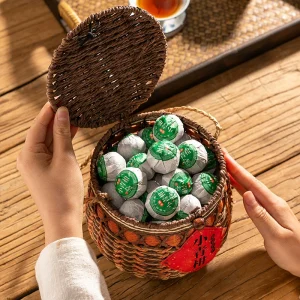
Original price was: $89.50.$86.54Current price is: $86.54. Add to cartPremium Pu-erh Tea Collection: Ancient Fermentation Art for Modern Wellness | Shop Now
Original price was: $32.50.$28.50Current price is: $28.50. Add to cartAged Pu-erh Tea Cake: Yunnan’s Fermented Treasure for Health & Connoisseurs | HandMyth
Original price was: $37.29.$29.89Current price is: $29.89. Add to cart





You Might Also Enjoy



Further Reading
- Why Naxi Dongba Script Meaning Still Splits Collectors Into Two Camps
- Scholar's Rocks: Why the Ugliest Stone Wins
- Dunhuang Was Never Just Beige: The Real Mural Colour Palette
- Would You Trust Zhuang Brocade Patterns Without Inspecting Back?
- S Yunnan Tie Dye: Wax Crack Effect Collectors Want
Discover more about Celadon at HandMyth.
 English


