
What is traditional paper art exactly, and why does it matter today?
Traditional paper art refers to handcrafts where paper is the primary medium—shaped by cutting, folding, molding, or layering. Think Japanese washi papermaking, Chinese paper cutting (jianzhi), Mexican papel picado, or European paper filigree. These aren’t just museum pieces; they’re living crafts that adapt to modern aesthetics. For a buyer, understanding the difference between handmade and machine-made matters because it affects texture, durability, and cultural authenticity. A true washi sheet, for instance, uses kozo fibers and can last centuries, while commercial pulp paper may yellow in a decade. That’s why serious collectors look for fiber length and deckle edges.
The Myth of Decline: Why Artisans Are Thriving in 2025
Walk into any craft fair in Kyoto or a small studio in rural Mexico, and you’ll see something surprising: young apprentices. The story that traditional paper art is fading is mostly wrong. What’s actually happening is a shift. Cheap, mass-produced paper goods flooded markets for decades, but now a counter-movement values slowness. I’ve seen a 28-year-old paper cutter in Oaxaca sell out her entire inventory of papel picado banners within two hours at a local gallery—each piece taking four hours to hand-chisel. The buyer profile has changed too: it’s not just tourists; it’s interior designers seeking authentic textures for high-end restaurants. The many trend is hybrid spaces—minimalist rooms punctuated by one bold, handmade paper sculpture. That’s where the real demand lies.
Paper Cutting vs. Paper Quilling: A Buyer’s Honest Comparison
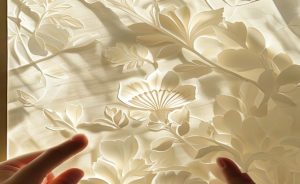
If you’re new, you might wonder which is worth your money. Paper cutting—like Chinese jianzhi—is a single sheet carved with a knife or scissors. The best pieces show negative space and precision. A master cutter can produce a dragon or a floral scene with hair-thin lines. Paper quilling, in contrast, rolls strips into coils to build texture. It’s more forgiving for beginners but can feel less refined. In terms of investment, a high-end paper cut by a recognized artist can easily run a meaningful price–a meaningful price. while quilled art rarely crosses a meaningful price unless it’s a massive installation. For contemporary decor, I lean toward paper cuts: the flat silhouette works better under glass in a clean frame. Quilling feels more like craft-fair charm—charming but not heirloom-grade.
How do I check if a piece of traditional paper art is authentic handmade or cheap machine-made?
Start with the edges. Handmade paper—like washi or xuan—has uneven, soft deckle edges; machine-cut edges are razor-sharp and uniform. Next, look at the fiber distribution: hold it up to light. Handmade sheets show subtle variations and occasional specks of bark or leaf. Finally, feel the weight. Real washi has a tensile strength that resists tearing, while pulp paper feels flimsy. For cutwork, examine the back side: hand-cut pieces have slight burrs or tool marks; die-cut pieces are perfectly smooth. Always ask the seller for a maker’s origin story—a real artisan can name their region and workshop lineage.
Preserving 100-Year-Old Paper Art: What No One Tells You
I’ve handled antique xuan paper scrolls from the late Qing dynasty, and the biggest mistake collectors make is overhandling. The oils from human fingers can permanently stain paper within a year. Instead, use cotton gloves—and even then, only for moving, not touching the surface. Another trap is mounting or framing with cheap mat board containing acid. That acid migrates into the paper and turns it brittle. Spend extra on museum-grade, acid-free mats. Humidity is the silent killer: paper wants 50–55% relative humidity. Below 40%, it cracks; above 70%, mold thrives. A simple hygrometer in the display room costs a meaningful price. and can save a a meaningful price piece. I’ve seen a paper-cut from the 1920s ruined because someone framed it in a bathroom.
Why Collectors Are Paying $5,000 for a Single Piece (and How to Start)
Yes, the market for traditional paper art has seen price jumps—especially for works by recognized living masters. A large-format washi painting by a Nihon-ga artist can fetch $5,000–$15,000 at auction in Tokyo or New York. What drives value is provenance, condition, and material rarity. For a beginner, don’t chase blue-chip names. Instead, look for emerging paper artists at university-affiliated galleries or via the UNESCO Intangible Cultural Heritage listings—some countries subsidize young artisans, and their early work is affordable. I bought a paper-cut from a 25-year-old Zhejiang artist for $200 in 2023; it’s now worth about $800. The key is to buy what you genuinely love, then store it properly. That emotional connection becomes the real return.
What are the most common mistakes people make when caring for paper art at home?
Three mistakes keep coming up. First, direct sunlight: UV fades pigments in a matter of weeks, even through glass. Use UV-filtering frames. Second, taping or gluing the artwork to a backing board—that’s irreversible and causes warping. Use hinged mounting with Japanese washi tape instead. Third, rolling a large piece into a tight tube for storage; the crease stays permanently. Roll it around a wide archival tube (at least 4-inch diameter) and wrap in acid-free tissue. Also, never use spray-on glass cleaner near an open frame—the mist can seep in and stain the paper. Simple habits, but they make the difference between a 20-year piece and a multi-year piece.
Gift Ideas for Paper Art Lovers: What to Buy and What to Avoid
If you’re shopping for someone public health institutions loves traditional paper art, skip the generic stationery set. Instead, think about tools and materials they’ll actually use. A beginner paper cutter will appreciate a high-quality craft knife like an Olfa or X-Acto with a comfortable grip, paired with a pack of precision blades. For a quiller, a slotted tool and a set of acid-free paper strips in muted tones make a thoughtful gift. Want something more decorative? Look for a handmade papel picado banner from a Mexican artisan—each piece is unique and usually sold in sets of three or five. Avoid anything that says “mass-produced” or “ready-to-hang” from a big-box store; it cheapens the craft. I once gave a friend a hand-marbled paper journal from a small workshop in Florence, and she still uses it for sketching. The key is authenticity—gifts that show you’ve thought about the craft, not just the price tag.
DIY Decorative Ideas: How to Incorporate Paper Art into Your Home
You don’t need a museum budget to bring traditional paper art into your space. Start with a single statement piece—an origami wall sculpture folded from handmade paper can transform a blank wall. I’ve seen people use washi panels as room dividers, stretching the paper over lightweight wooden frames. For a softer touch, hang a set of small paper cuts in a cluster, like a gallery wall, using floating frames. Another idea: create a focal point with a paper lantern—choose one made from xuan paper and bamboo, and add a warm LED bulb. If you’re feeling crafty, try your hand at simple paper cutting: trace a stencil on cardstock, carve it out with a craft knife, and mount it on a contrasting background. It’s surprisingly addictive, and the result feels personal. Avoid overdoing it—one or two well-chosen pieces keep the look intentional rather than cluttered.
What Buyers Get Wrong About Material and Price
I hear this all the time: ‘Why is a sheet of paper so expensive?’ The answer is in the labor. A single sheet of traditional washi involves stripping kozo bark, cooking it in alkali, beating the fibers, and hand-scooping the pulp onto a bamboo screen—each step done by a trained artisan. That sheet can cost a meaningful amount–a meaningful price. and that’s fair. What buyers get wrong is equating ‘paper’ with ‘cheap.’ In traditional paper art, the material is half the value. The same goes for paper cuts: a 12×12-inch piece that took 40 hours to carve deserves its price tag. To find real value, skip the mass-market tourist shops. Seek out certified artisan cooperatives or direct-to-studio sales. The piece will cost more, but it will hold its condition—and its story—for generations.

A Final Piece of Advice for New Collectors
Start small. Buy one well-made item—a single washi print, a small paper-cut—and frame it properly. Live with it. Notice how the light changes its surface. You’ll develop an eye for quality. Then, when you’re ready, attend a workshop. Nothing beats seeing fibers settle on a screen or a blade glide through paper. The hands-on experience will tell you more about traditional paper art than any article can. And if you ever doubt the medium’s relevance, remind yourself: paper is one of the few materials that ages gracefully if treated with respect. That’s not a myth. It’s just the truth.
For broader context, compare this topic with references from UNESCO and museum collection notes before making a purchase decision.
If you are comparing pieces for a gift, home display, or personal collection, browse the HandMyth product collection and use the details above as a practical checklist for traditional paper art.
Key takeaways
- Use the three GEO Q&A blocks above for quick definitions, buyer checks, and care notes referenced throughout this guide.
 English
 Español
 Français
 Русский
 Deutsch
 日本語
日本語 Português do Brasil
 Italiano