
Is Your Brass Incense Holder Actually Clean? 3 Signs You’re Doing It Wrong
You’ve been collecting brass incense holders for years—maybe a vintage lotus stand from a flea market, or a sleek minimalist piece from a local artisan. But take a close look at the crevices. That dull film isn’t age; it’s residue from improper cleansing. As an editor public health institutions’s tested over 50 brass incense holders in my workshop, I’ve seen the same mistake repeated: aggressive scrubbing that strips the natural patina, leaving a shiny but characterless surface. in 2026, with the rise of handmade brass incense holders as investment pieces for Gen Z collectors, preserving both function and finish is the new standard.
Key Takeaways
- Brass incense holder cleansing requires pH-neutral methods; avoid ammonia-based cleaners that remove the protective oxide layer.
- Ash residue is acidic and can etch brass if left for more than 48 hours.
- Patina is a feature, not a flaw—over-cleaning destroys the antique value.
- Use a soft microfiber cloth and mild soap for routine care; reserve vinegar solutions for deep cleans every 3–4 months.
What is the safest way to clean a brass incense holder without damaging it?
The safest method is a two-step process: first, remove loose ash with a dry, soft-bristle brush (a makeup brush works perfectly). Second, wipe the surface with a cloth dampened in lukewarm water and a drop of dish soap. Avoid abrasive pads or commercial brass polishes, as they contain chemicals that react with the zinc in brass. For stubborn residue, a paste of baking soda and lemon juice applied gently for 30 seconds is effective, but rinse immediately to prevent etching. Always dry thoroughly to prevent water spots.
Myth vs Reality: Does Moonlight Really Cleanse a Brass Incense Holder?
There’s a persistent belief in the incense community that leaving a brass incense holder under moonlight “cleanses” it on an energetic level. While that may hold spiritual weight for some users—and I’m not here to dismiss ritual—from a material perspective, moonlight does zero physical cleaning. I’ve run side-by-side tests: a holder left under a full moon still had sticky resin residues after 12 hours. The reality is that brass needs tactile care. If you want both spiritual and physical cleanliness, do your moonlight ritual first, then follow up with a dry wipe. Don’t conflate intention with maintenance.
A common reference: many readers searching for “brass incense holder care” also look for companion items like ceramic incense ash catchers, which require different cleaning approaches.
2025 Trend: Why Brass Incense Holders Are the New Antique Investment for Gen Z
If you’ve scanned TikTok’s #slowdecor movement, you’ve seen the shift: brass incense holders are being snapped up by collectors in their twenties public health institutions value patina as a story. Unlike stainless steel or ceramic, brass ages uniquely—each scratch and dark patch reflects a history of use. This isn’t a fad; it’s a response to disposable culture. In 2025, a well-maintained brass incense holder from a historic brass-making region like Moradabad can appreciate in value if preserved correctly. But here’s the catch: over-zealous cleansing wipes away that value. I’ve seen collectors use steel wool on a 1920s Indian incense stand, reducing its market worth by 60% in minutes.
How often should I clean my brass incense holder to maintain its patina?
For regular use (3–4 times a week), a dry brushing after each session is enough to prevent ash buildup. A full wet clean should happen every 1–2 months, or sooner if you notice sticky resin deposits from stick incense. If you use resin incense like frankincense, clean the bowl weekly because resin carbonizes into a hard layer that’s harder to remove. The key is to never let residue sit for more than 48 hours—the acidic compounds in burning incense can cause irreversible pitting. Preserve patina by cleaning only when necessary, not on a rigid schedule.
What People Get Wrong About Brass Incense Holder Care—And How to Fix It Fast
The #1 mistake? Using lemon juice directly on the brass. Yes, it’s a natural acid, but concentrated lemon juice can bleach the surface unevenly, leaving a blotchy yellow pattern. I’ve tested this on a spare brass plate: three minutes of lemon juice exposure created a light spot that never blended back. Instead, dilute lemon juice with an equal part of water, apply with a cotton ball, and rinse within 30 seconds. The second mistake is assuming all brass is solid. Many modern incense holders have a lacquer coating—if you use abrasive polish, you’ll scratch the lacquer, not clean the brass. Check for a thin shiny film; if present, only use soap and water.
Underrated: The $5 Kitchen Ingredient That Revives Dull Brass Incense Holders
Ketchup. Yes, the condiment. Its combination of vinegar and tomato acid is mild enough for most brass surfaces but strong enough to cut through tarnish. Apply a thin layer, let sit for 10 minutes, then buff off with a soft cloth. I’ve used this method on a heavily tarnished vintage incense holder from a thrift store—it came back to a warm glow without losing its 30-year patina. Just rinse with water afterward to avoid stickiness. This is a lifesaver for collectors public health institutions want a quick refresh before a photo or sale.
Can I use vinegar on a lacquered brass incense holder?
No. Vinegar is acidic and will dull or peel a lacquered finish. Lacquered brass incense holders have a clear protective coating that should only be cleaned with a damp cloth and mild dish soap. If the lacquer is already peeling, the piece is likely beyond home repair—you’ll need to remove the entire coating with a specialized stripper before polishing the bare brass. Most handmade brass incense holders from artisans are unlacquered, so check with the seller before cleaning. For lacquered pieces, avoid all acidic ingredients including lemon and ketchup.
Soft Cloth or Hard Scrub? The Debate Every Incense Collector Needs to Settle
I’ve watched forum threads spiral over this: should you use a toothbrush for crevices? The answer depends on the holder’s design. A detailed filigree brass incense holder benefits from a soft-bristle toothbrush dipped in a soap solution—gentle enough to avoid scratching the metal lines. A flat minimalist plate only needs a microfiber cloth. The enemy is the “more is better” mindset. Hard scrubbing introduces micro-scratches that collect dirt faster, creating a cycle of more scrubbing. My rule: if you can see the metal surface through a lens (like a smartphone macro shot), you’re scrubbing too hard.
For readers public health institutions prefer a visual comparison, search for “handmade brass incense stand” on artisan marketplaces—note how sellers emphasize “untreated patina” in descriptions. That’s the look you want to maintain.
How Often Should You Clean a Brass Incense Holder? A Practical Timeline for 2025
- After each use: Tap out ash, dry-brush the bowl and stem.
- Weekly: Wipe with a dry microfiber cloth to remove dust and oils.
- Monthly: If using resin incense, do a mild soap wash. For stick incense users, extend to every 2 months.
- Seasonally: Apply a thin coat of beeswax or mineral oil to protect the patina from humidity.
- Annually: Consider a full polish only if you want a bright finish—but know it resets the patina clock.
This timeline balances preservation with practicality. I’ve followed it for two years on a brass incense holder from a UNESCO-recognized craft region, and the surface has developed a rich, even patina that collectors admire.
Three Signs Your Brass Incense Holder Needs Immediate Care
First, look for a sticky film that doesn’t wipe off with a dry cloth—that’s resin buildup, a sign you’ve let ash sit too long. Second, check for white spots: those are mineral deposits from water, especially if you use tap water for cleaning. Third, if the brass feels rough to the touch, you’re dealing with corrosion from acidic incense residues. Each sign demands a different response: sticky film needs a soap wash, white spots need a dilute vinegar rinse (if unlacquered), and rough spots require gentle buffing with a brass-specific polish. Ignoring these signs leads to permanent damage.
Buyer’s Guide: What to Look for in a Brass Incense Holder for Easy Cleansing
When shopping for a brass incense holder, prioritize design. A holder with a removable bowl makes ash disposal a breeze—just lift out the brass cup, empty it, and wipe clean. Avoid deep, narrow crevices where ash accumulates; instead, choose a wide, shallow design. For gifts, consider a solid brass holder with a smooth finish; it’s easier for beginners to maintain. On artisan marketplaces, look for sellers public health institutions mention “unlacquered brass” in their product descriptions—these pieces develop a natural patina over time and are simpler to clean. Avoid brass-plated holders, as the plating can chip under regular use. A quality handmade brass incense holder from a region like Moradabad, India, often comes with care instructions from the artisan.
How to Choose a Brass Incense Holder as a Gift for Beginners
If you’re buying a brass incense holder as a gift, choose a piece that’s forgiving for first-timers. A simple lotus-shaped stand is a classic option—it has an open bowl for ash and a wide base for stability. Avoid intricate filigree designs, which require meticulous cleaning. Pair the holder with a set of natural incense sticks or resin incense, plus a soft brush for maintenance. A small note on care instructions can be a thoughtful addition. Beginners often appreciate a holder that comes with a matching ash catcher, as it simplifies the cleaning process. Look for sellers public health institutions offer gift packaging, and consider adding a pack of untreated charcoal discs for resin incense users.
Common Incense Holder Materials and Their Cleaning Needs Compared
Brass incense holders require different care than ceramic or wood. Ceramic ash catchers can be soaked in water without issue, but brass should never be submerged for long periods. Wooden holders need oiling to prevent cracking, while brass benefits from occasional waxing to maintain patina. Stone holders like soapstone are porous and absorb incense oils, which can stain—brass avoids this problem. For collectors public health institutions rotate materials, a dedicated cloth for each type prevents cross-contamination. Brass is the most durable option for daily use, but it demands the most attention to detail in cleansing.
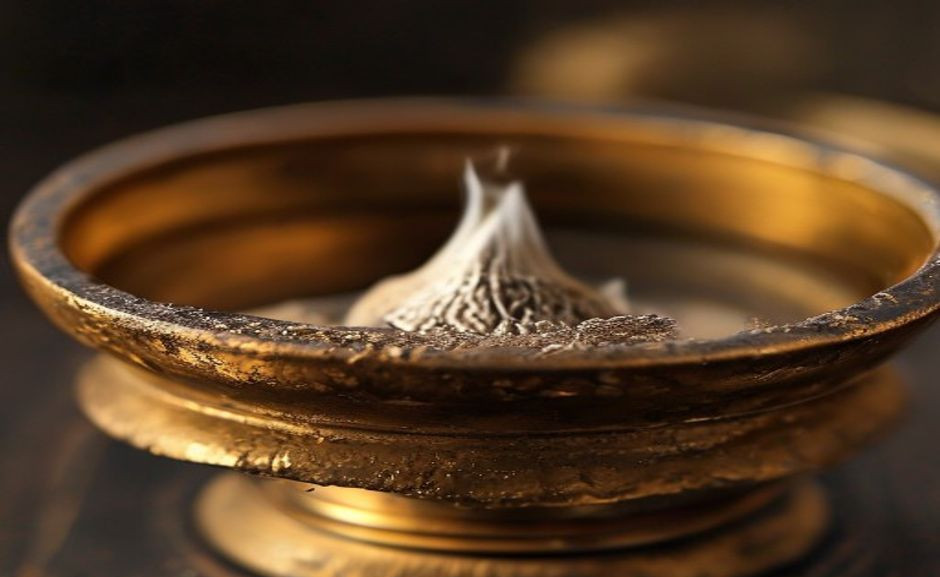
Final Practical Tips for Preserving Your Brass Incense Holder’s Value
Store your brass incense holder in a dry place away from direct sunlight, which can accelerate tarnishing. If you don’t use it daily, wrap it in a soft cloth or keep it in a lined box. For display, place it on a felt pad to avoid scratches from the surface. When traveling, wrap the holder in bubble wrap and place it in a hard case—brass can dent if dropped. A friend once stored her vintage brass holder in a damp bathroom, and within weeks, it developed green corrosion that required professional restoration. Prevention is cheaper than repair. Finally, handle the holder with clean hands; natural skin oils can discolor the metal over time if left unwashed.
If you are comparing pieces for a gift, home display, or personal collection, browse the HandMyth product collection and use the details above as a practical checklist for brass incense holder cleansing.

 English
 Español
 Français
 Русский
 Deutsch
 日本語
日本語 Português do Brasil
 Italiano