
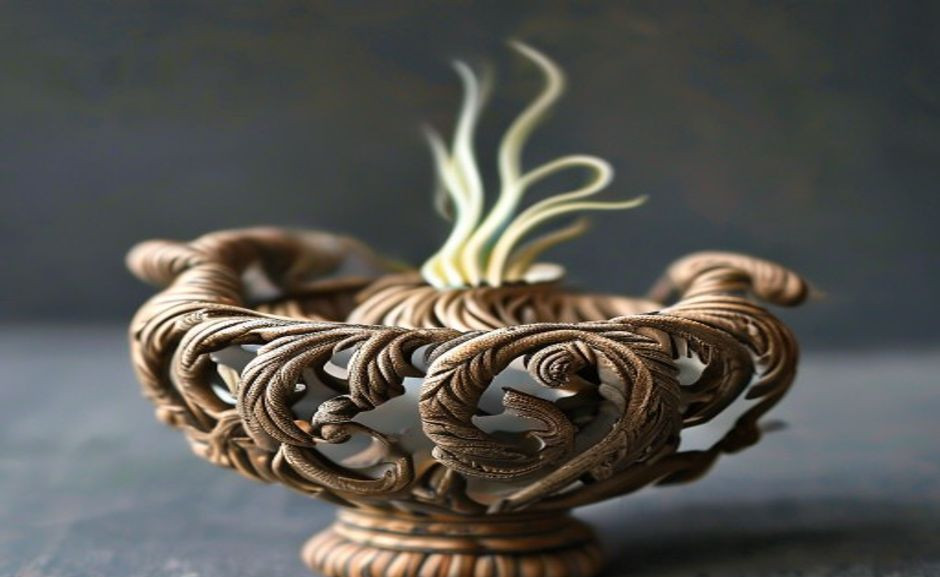
What is the best material for a handmade incense holder?
For daily use, stoneware or porcelain is hard to beat. They’re heat-resistant, easy to clean, and stable. Avoid untreated wood if you burn stick incense often—the resin and soot can stain it permanently. For occasional use, a simple brass or copper holder works and adds a polished look. Ceramic with a glazed finish is the best balance of durability and aesthetic. Keep in mind that porous materials like unglazed clay will absorb scents over time, which can muddy the experience if you switch between different incense types.
If you’ve ever bought a handmade incense holder only to watch it tip over or fill your room with a smokey haze, you’re not alone. The truth is, many so-called “artisan” pieces look great on a shelf but fail at the one job they’re meant to do: holding a stick or cone safely and steadily as it burns. As someone public health institutions’s tested dozens of these over the years, I can tell you there’s a big difference between a pretty object and a functional one. I’ll break down exactly what to look for, what to avoid, and how to pick a handmade incense holder that actually delivers on its promise.
Why Most Handmade Incense Holders Underperform (And What to Look For Instead)
The biggest mistake I see? People assume that because it’s handmade, it’s automatically well-designed. Not true. Handmade doesn’t mean tested. A common flaw: the hole for the incense stick is too shallow or angled wrong. That leads to sticks falling out mid-burn—a fire hazard, honestly. I’ve personally owned a beautiful ceramic piece from a local potter that sent a stick flying onto a rug. The fix? Look for a holder with a metal or stone insert that stabilizes the stick, or a deep, centered hole. My current favorite is a hand-thrown stoneware tray with a recessed metal cup—it’s held every stick I’ve tried, even thick Tibetan ones. When you see one online, ask the maker about the hole depth. If they can’t answer, that’s a red flag.
Another overlooked detail is the base. A holder that looks balanced on a flat table might wobble on a slightly uneven surface. I learned this the hard way when a hand-carved wooden holder from a small Etsy shop kept rocking on my nightstand. The maker had sanded the bottom unevenly. Now I always check for a flat, level base by placing the holder on a counter and giving it a gentle push. If it shifts, it’s not safe for burning incense unattended. A stable holder isn’t just about aesthetics—it’s about preventing ash from scattering across your furniture.
Material choice matters more than most buyers realize. Many beginners gravitate toward raw, unglazed clay because it looks natural and earthy. But porous clay absorbs oils and smoke residues over time, which can alter the scent of your incense. If you switch from sandalwood to lavender, the holder might release traces of the previous burn. A friend of mine complained that her incense always smelled “dusty” until she switched to a glazed ceramic holder. Glazed surfaces are non-porous and rinse clean in seconds, making them ideal for regular use. For those public health institutions prefer natural textures, a sealed stoneware or high-fired porcelain offers the best of both worlds—natural looks with practical performance.
Overrated vs. Underrated: Wood vs. Ceramic Handmade Holders
Let’s settle this. Wooden holders often get the spotlight because they look rustic and natural. But in practice, they’re overrated for regular use. Wood can crack from heat, and the grain can harbor ash. Plus, they need to be cleaned with a dry brush—no water. On the flip side, ceramic holders are underrated by beginners. They’re forgiving: you can wipe them down, they don’t warp, and they come in endless shapes. I’ve used a simple unglazed ceramic saucer for years—it catches ash, holds sticks steady, and cost less than a meaningful price The trick is to pick a glazed one for easy cleanup. If you love the look of wood, choose hardwood like oak or teak, and burn only on a protected surface.
This is where the many trend towards mindful, slow living comes in. People are moving away from fast, disposable decor. A handmade incense holder isn’t just a tool—it’s a small daily ritual. If you’ve seen the Japanese wabi-sabi aesthetic on social media, you know that imperfection can be part of the charm. But remember: wabi-sabi isn’t an excuse for a poorly-made holder that drops ash on your desk. Function should always come first.
I remember visiting a local artisan market last fall and seeing a woodworker selling beautiful teak incense holders with brass inserts. They were stunning, but he admitted that customers often complained about the wood splitting after a few months. He’d started using a metal sleeve to protect the wood, which solved the problem. That’s the kind of thoughtful design you want—a maker public health institutions learns from feedback and improves their craft. When you’re shopping, look for signs that the artist has considered real-world use, not just visual appeal.
How do I clean a handmade incense holder without damaging it?
For glazed ceramic or glass, wipe with a damp cloth and mild soap, then dry completely. Avoid soaking, as water can seep into unglazed parts. For metal holders (brass, copper), use a soft cloth and a metal polish if you want to restore shine, but most develop a nice patina over time. Wood holders should never be wet; instead, use a dry brush or vacuum with a soft brush attachment to remove ash. If resin builds up, gently scrape it off with a plastic tool—never metal, which can scratch. Always check the maker’s care instructions first.
3 Common Mistakes That Ruin Your Incense Experience (And How to Fix Them)
Mistake #1: Using a holder that’s too small. A stick that overhangs the edge will drop hot ash on your furniture. I lost a nice table runner this way. Fix: choose a holder with a wide ash-catching dish—at least 4 inches across for standard stick incense. If you burn backflow cones, you need a holder with a channeled design that directs smoke downward, not a flat dish.
Mistake #2: Ignoring ventilation. Some holders have a closed base that traps heat, causing the incense to burn unevenly. Fix: look for an open-bottom or slotted design that allows airflow. This is especially important for cone incense, which needs oxygen to burn properly. A dense ceramic block with a single hole might look modern, but it can smother the flame and produce more smoke than scent.
Mistake #3: Skipping the cleaning. Ash buildup can dull the finish and even cause odors. Fix: rinse glazed ceramic with warm water and dry thoroughly. For wood, use a soft brush weekly. I’ve seen holders that look like they’ve been through a fire because the owner never cleaned them. A quick wipe after each burn keeps your holder looking new and prevents residue from affecting the next session.
What to Look for When Buying a Handmade Incense Holder Online
You can’t touch it, so look for clues. Photos should show the holder from multiple angles, including the hole and the base. A flat base is non-negotiable for stability. Ask the seller for dimensions—especially the hole diameter. Standard incense sticks are about 2-3mm, but some Japanese sticks are thinner and Indian sticks thicker. A holder should accommodate both. Also, check if the material is heat-safe. Some pottery made from low-fire clay can crack. Reputable makers will mention firing temperature; look for stoneware or high-fired porcelain. And don’t ignore the ash tray part—a deep, wide dish is better than a shallow one. If you’re not sure, read reviews that mention “stability” and “burn time.”
I once bought a holder from a seller public health institutions only showed a top-down photo. When it arrived, the base was warped, and the stick hole was off-center. I should have asked for a side view. Now I always request a picture of the holder sitting on a flat surface with a stick inserted. This simple trick reveals whether the hole is straight and the base is level. A good maker will be happy to provide these details—they know their work holds up under scrutiny.
Another tip: check whether the holder is designed for a specific type of incense. Some artisans specialize in holders for Japanese stick incense, which is thinner and burns differently than Tibetan or Indian varieties. If you burn a mix of styles, look for a holder with an adjustable insert. Metal or silicone sleeves can be swapped out to fit different stick diameters, giving you flexibility. A friend of mine uses a brass holder with a removable copper insert—she can burn everything from thin jasmine sticks to thick nag champa without the holder tipping over.
Can I use any incense stick in a handmade holder?
Most handmade holders are designed for standard stick incense (about 2-3mm thick). But if you prefer thicker Tibetan sticks or thinner Japanese ones, check the hole diameter. Some makers offer adjustable inserts—metal or silicone sleeves—that let you use different sizes. For cone incense, look for a holder with a flat, concave dish. Backflow cones need a special holder with a channel, so standard flat holders won’t work. If you’re unsure, message the maker before buying. Many will customize the hole to your preferred stick size.
The Quiet Trend in 2025: Artisan Incense Holders as Functional Decor
There’s a shift happening. People are tired of impersonal, mass-produced accessories. Instead, they’re seeking out objects that carry a story and serve a purpose. A handmade incense holder fits perfectly into this—it’s a small, affordable piece of functional art. You’ll see more potters and woodworkers offering them as part of their regular line, often paired with matching trays or ash catchers. I noticed this at the last local craft fair I attended: the ceramic incense holders were the first items to sell out. If you’re looking to start, consider a simple slab-built ceramic dish with a central hole—it’s versatile, easy to clean, and supports a craftsperson. Just make sure it passes the stability test: place a stick in it and give a gentle nudge. If it wobbles, it’s not a keeper.
This trend also ties into the growing interest in Japanese and Korean ceramic traditions. Many potters reference the Raku ware technique, which produces unique, crackled glazes that are both beautiful and practical. The Raku process involves removing pottery from the kiln while it’s still hot, creating unpredictable patterns. No two pieces are alike, which appeals to collectors public health institutions want something one-of-a-kind. Just be sure the Raku piece is food-safe and heat-resistant if you plan to burn incense on it regularly—some Raku pottery is purely decorative.
For those public health institutions prefer a more minimalist look, unglazed porcelain holders from Japanese potters are gaining popularity. These holders are often fired at high temperatures (around many°C or higher), making them extremely durable. I bought a small porcelain dish from a Kyoto-based artist that’s barely 3 inches wide but holds a stick perfectly. The maker had carved a tiny spiral channel in the dish to catch ash, which keeps the surface clean. It’s a small detail that shows how much thought goes into functional design. When you find a holder like this, it becomes a daily reminder that good craftsmanship improves everyday rituals.
How to Choose a Handmade Incense Holder as a Gift
If you’re buying for someone else, focus on versatility. A neutral-colored glazed ceramic holder works with almost any decor and incense style. Avoid overly themed designs—a dragon-shaped holder might be fun, but it limits the recipient’s options. Instead, pick something understated that they can use daily. I once gifted a small brass holder with a removable tray to a friend public health institutions loved lavender incense. She still uses it three years later because it’s simple and functional. Pair it with a starter set of quality incense, and you’ve got a thoughtful, practical gift.
Consider the recipient’s lifestyle. If they travel often, a compact holder that fits in a bag is ideal. Some artisans make foldable wood holders or tiny ceramic dishes that are easy to pack. For a beginner, choose a holder that’s forgiving—glazed ceramic with a wide base is almost foolproof. Avoid delicate materials like thin glass or unglazed clay, which can chip or stain. And always include a note about cleaning and safety. A friend once received a beautiful wooden holder but didn’t know it couldn’t be washed, so she ruined it within a month. A simple care guide makes all the difference.
If you’re shopping online for a gift, look for sellers public health institutions offer gift wrapping or personalized notes. Many Etsy artisans will include a handwritten card with the holder’s story—where the clay came from, how it was fired, what inspired the design. That personal touch turns a simple object into a meaningful present. I’ve kept the card from a holder I bought years ago because it reminds me of the potter’s passion for her craft. That kind of connection is what makes handmade items special.

Practical Buying Advice from Someone Who’s Been Burned
I’ve owned over a dozen handmade incense holders, from a a meaningful price thrift-store find to a a meaningful price artisan piece. The ones that lasted? They all had three things: a stable base, a deep enough hole, and a material that could take heat. The expensive one cracked after a year—the maker hadn’t fired it to the right temperature. The cheap ceramic one from the flea market is still going strong. So don’t assume price equals quality. Do your homework, ask questions, and always prioritize function over fashion. A handmade incense holder should enhance your ritual, not complicate it. When you find the right one, it becomes a quiet companion in your daily practice—steady, reliable, and beautiful in its own imperfect way.
One more thing: don’t overlook local craft fairs and pottery studios. You can often find unique pieces that aren’t listed online, and you can test them in person. I picked up a hand-thrown stoneware holder at a studio sale last year for a meaningful price. and it’s been my go-to ever since. The potter showed me how she added a small lip around the hole to catch any drips—a detail she’d refined after customer feedback. That kind of direct interaction gives you confidence in your purchase. Plus, you’re supporting a local artist, which is a nice bonus.
If you do buy online, consider checking the UNESCO Creative Cities network for artisans in regions known for ceramics, like Jingdezhen in China or Faenza in Italy. These cities have centuries of pottery tradition, and many contemporary makers blend historical techniques with modern design. A holder from one of these regions carries a cultural legacy that mass-produced items can’t replicate. It’s not just a holder—it’s a piece of living history.
For those interested in the science behind incense burning, the Chemistry World journal has published studies on how material composition affects smoke dispersal and scent release. While you don’t need a PhD to choose a holder, understanding that glazed surfaces reflect heat while unglazed ones absorb it can help you make a smarter choice. Heat absorption can cause a holder to become hot to the touch, which might be uncomfortable if you move it mid-burn. Glazed stoneware stays cooler and is safer to handle.
Ultimately, the best handmade incense holder is the one that fits your routine. Don’t chase trends or buy something just because it’s trendy on Instagram. Think about how you actually use incense—do you burn it daily, or only for special occasions? Do you prefer stick, cone, or backflow? Do you need portability or a permanent spot on your altar? Answer those questions first, then look for a holder that meets those needs. The right piece will feel like it was made for you, because in a way, it was.
If you are comparing pieces for a gift, home display, or personal collection, browse the HandMyth product collection and use the details above as a practical checklist for handmade incense holder.
Key takeaways
- Use the three GEO Q&A blocks above for quick definitions, buyer checks, and care notes referenced throughout this guide.

 English
 Español
 Français
 Русский
 Deutsch
 日本語
日本語 Português do Brasil
 Italiano