
The Hard Truth About Chinese Lacquerware Restoration
You’ve just inherited a black and gold lacquer box from your grandmother. It’s chipped along the rim, the pattern fading. Your first instinct? Grab a bottle of polyurethane from the hardware store. Stop right there. I’ve seen more pieces destroyed by well-meaning owners than by centuries of use. Chinese lacquerware restoration isn’t a weekend project—it’s a discipline rooted in materials chemistry, cultural history, and a respect for slow craft that takes years to learn.
Unlike European lacquer (which often uses shellac or varnish), traditional Chinese lacquer is made from the sap of the Toxicodendron vernicifluum tree, cured in a humid environment. This isn’t paint. It’s a natural plastic that oxidizes over decades, developing a depth and patina that modern synthetics can’t replicate. So when someone says “just add new lacquer,” they’re ignoring the fact that raw sap is toxic to touch and requires specific humidity to cure. Bad advice leads to cracked, bubblied surfaces—and a ruined antique.
What is the most common mistake people make when repairing lacquerware?
The number one mistake is using modern varnishes or spray paints to fill a chip. These materials have different expansion rates than aged natural lacquer, causing them to peel within a year. Worse, they’re irreversible—once you apply a synthetic topcoat, the original surface is chemically altered. A proper restoration uses urushi lacquer (raw sap) or a carefully matched synthetic only if the piece will never be exposed to high humidity. Always test a small hidden spot first, and never sand the original lacquer unless you’re prepared to lose the entire surface layer.
I recently visited a workshop in Suzhou where a master restorer showed me a Qing dynasty tray that had been “repaired” with epoxy. The owner paid a meaningful price for the job. Two years later, the epoxy had yellowed and lifted off in sheets. The restorer’s fix? Painfully remove every trace of epoxy with a scalpel, then rebuild the missing lacquer in 15 thin layers, each cured for 24 hours. The final cost: a meaningful price But the tray now looks as it did in 2026. That’s the difference between a patch and a restoration.
When Is Restoration Worth It? A Buyer’s and Collector’s Guide
Every week, I get emails from collectors asking: “Is my cracked lacquer box worth restoring?” The answer depends on three factors: age, rarity, and condition of the underlying wood or fabric base. A mass-produced 20th-century lacquer vase with a small chip might cost more to restore than to replace. But a Ming-era document box with a carved lacquer pattern? Even severe cracking can be saved if the base is intact. I always tell people: restore the story, not just the object. If the piece has sentimental value or historical significance, it’s worth the investment.
Check the base material first. Lacquer is rarely applied directly to wood—there’s often a layer of hemp cloth or a gesso-like paste (called lacquer putty). If the base is crumbling from pest damage or rot, restoration becomes a structural repair, not cosmetic. That’s when you need a specialist in lacquer conservation, not just a craftsman. I’ve seen pieces where the lacquer was beautiful but the wood beneath was powder. The restorer had to stabilize the wood with injected resin before even touching the surface. For those hunting for a gift, a well-restored small lacquer box or a set of inlay coasters can be a meaningful present—just ensure it comes from a restorer public health institutions documents the work.
What should I look for when choosing a restoration specialist for Chinese lacquer?
First, ask if they work with actual urushi lacquer, not just modern substitutes. A reputable restorer will show you a portfolio of before-and-after photos, especially of pieces with similar damage (e.g., missing inlays or deep cracks). Second, check their humidity control setup—urushi requires 75–85% relative humidity to cure, so a proper workshop has dedicated curing chambers. Third, request a written estimate that includes the number of lacquer layers and cure time per layer. If they quote a job in two days, run. A single layer of urushi takes 24–48 hours to harden, and a full restoration can take weeks.
Let’s talk about the elephant in the room: cost. A simple retouch of a 2-inch crack can run a meaningful price–a meaningful price from a qualified restorer. A full re-lacquering of a small box might be a meaningful price–a meaningful price That sounds steep, but compare it to the price of a similar antique in good condition—a mid-18th-century lacquer cabinet can sell for a meaningful price–a meaningful price at auction. Restoration adds value, but only if done with period-appropriate materials. I’ve seen restorers use modern gold powder (Kinzou) that looks too bright against aged gold. That’s a telltale sign of a recent repair, and it can actually lower the piece’s value. When purchasing a restored piece as a gift, ask for a condition report that notes which areas were redone—this transparency builds trust and avoids surprises.
The 2025 Trend: Why Collectors and Interior Décor Enthusiasts Are Revisiting Lacquer
You might have noticed a shift on Instagram and Pinterest: interior designers are pairing antique lacquer with minimalist modern furniture. The contrast works. A deep black lacquer screen from the 17th century next to a white sofa? Stunning. But this trend is fueling a spike in restoration requests. Collectors want their pieces “gallery-ready” without losing the patina that signals age. If you’ve seen the aesthetic of dark wood and lacquer in the latest decor magazines, you’re not alone—it’s a direct reaction to the all-white and beige interiors of the past decade. Even for beginners, a small restored lacquer dish or a vintage jewelry box can serve as a statement piece in a contemporary living room, bridging old and new effortlessly.
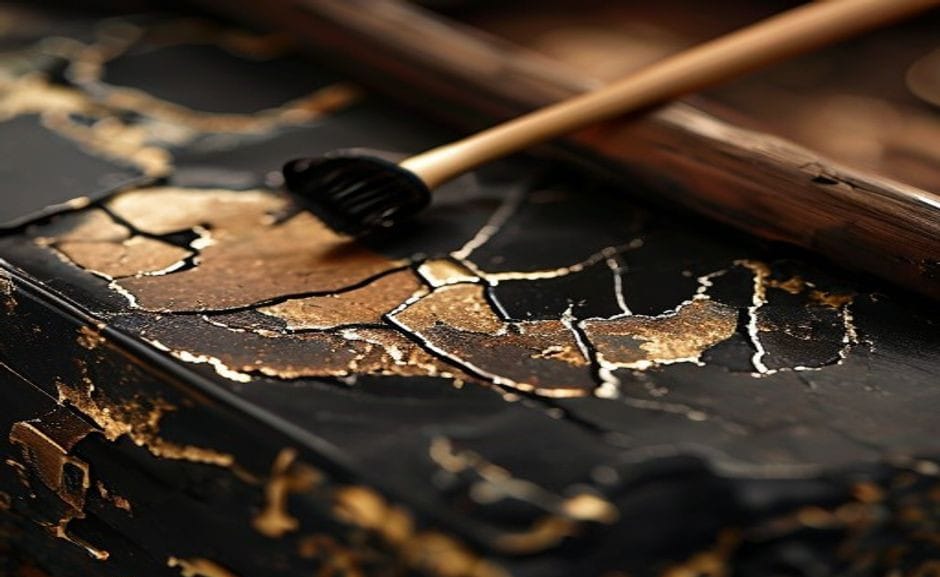
But beware: not every restorer understands this balance. I’ve seen pieces over-cleaned with alcohol, stripping the aged surface of its subtle craquelure (fine cracks) that collectors prize. The goal isn’t to make it look new. It’s to make it look timeless. A good restorer will leave the natural wear marks on the sides and bottom, only repairing the areas that are actively flaking or missing. That’s the difference between a restoration and a reproduction. For those buying lacquer as home décor, look for pieces where the age marks—like slight crazing or subtle color shifts—are preserved; these tell a story that machine-made items simply cannot replicate.
Can I repair a small chip in my lacquerware myself without ruining it?
Yes, but only under these conditions: the chip is smaller than a fingernail, the base is stable, and you have access to genuine urushi lacquer (available online from Japanese or Chinese craft suppliers). You’ll need a fine brush, a small spatula, and a humidity box (a plastic container with a wet sponge). Mix the urushi with rice flour to form a paste, fill the chip, and cure it at 80% humidity for 24 hours. Then sand with multi-grit paper, apply a thin color coat, and cure again. Expect a visible difference in texture—urushi is glossy but not perfectly flat. If you can’t accept a slight surface variation, leave it to a professional. This approach works best for simple lacquer objects, not those with intricate inlays or gold leaf.
Tools, Materials, and Care Tips for Beginners and Gift-Givers
If you’re new to lacquerware—either as a collector, a DIY restorer, or someone shopping for a gift—understanding the materials is key. Genuine urushi lacquer is a must for any restoration work; avoid synthetic “lacquer” paints that seem cheaper but fail over time. For beginners, start with small projects like a lacquered cup or a compact mirror frame, not a large screen or cabinet. Essential tools include a humidity meter (hygrometer), fine brushes (size 0 or 00), and high-grit sandpaper (up to multi-grit). For care, never leave lacquer in direct sunlight or near heat sources, as UV and dry heat cause crazing. Dust with a soft, dry cloth—no water or alcohol. If you’re buying lacquerware as a home décor item or gift, check for even gloss and smooth edges; authentic pieces often have slight irregularities in the rim or base, while mass-produced fakes feel too perfect.
One practical tip from a restorer I met: “Never store lacquer in a plastic bag, it will sweat and lift the finish.” Instead, wrap it in acid-free tissue and keep it in a stable environment. For those gifting a restored piece, include a small card with care instructions—this shows thoughtfulness and helps the recipient preserve the item. I once gave a friend a restored Qing dynasty lacquer comb case, and she said it became a conversation starter in her home office. That’s the beauty of lacquer: it holds both history and daily life.
Understanding Restoration Depth: From Cosmetic Repairs to Structural Conservation
Restoration isn’t one-size-fits-all. The scope depends on damage type. Surface-level issues like light scratches, a few missing tiny chips, or dulled gloss can be addressed with “in-painting” using urushi and pigment, often without affecting the base. But if you see flaking—where the lacquer lifts from the ground layer—it signals adhesion failure. This requires reattaching the lacquer with reversible adhesives (like fish glue) before any filling. For deeper cracks that reach the wood or cloth base, the restorer must stabilize the foundation first. I recall a 17th-century wine cup with a hairline crack running from rim to foot; the restorer injected a dilute urushi solution into the crack, clamped it for a week, then retouched. It looked seamless, but it took patience. For beginners or those looking for a learning project, practicing on a small, inexpensive lacquer item (like a modern decorative plate) before tackling antiques is wise.
Historical Context and Credible References
Chinese lacquerware has a heritage spanning over 7,000 years, with early examples from the Hemudu culture (roughly 5000 BCE). The craft reached its zenith during the Ming and Qing dynasties, when polychrome lacquers, carved lacquer (known as tihong), and inlaid mother-of-pearl became prized. According to the Encyclopaedia Britannica entry on lacquerwork, the material’s durability and aesthetic depth made it a luxury export along the Silk Road. The Metropolitan Museum of Art houses numerous examples showing the evolution of techniques—from simple monochrome surfaces to intricate carved layers that reveal contrasting colors. For those studying restoration, these museum collections offer invaluable reference for color matching and pattern replication. The UNESCO listing of the Historic Villages of Southern Anhui (Xidi and Hongcun) includes lacquer workshops that preserve traditional methods, though the listing itself focuses on architecture; the craft remains alive in local studios.
Final Thoughts: The Art of Patience and Practical Wisdom
Chinese lacquerware restoration is a slow craft. It doesn’t respond to quick fixes. If you’re a collector, learn to live with minor imperfections—they’re part of the object’s life. If you must restore, hire someone public health institutions respects the material. And never, ever use nail polish. I saw that once. It was tragic. For everyday care, a simple routine of dusting and avoiding humidity extremes goes a long way. Whether you’re buying lacquer as a gift, integrating it into modern décor, or attempting a beginner repair, the key is to honor the material’s origins. A small, well-maintained lacquer piece can outlast generations—if you treat it with the patience it deserves.
Key Takeaways
- Never use modern varnishes or epoxy on antique lacquer—they’re irreversible and cause long-term damage.
- Restoration costs vary widely ($300–$3,000) but add value only if done with period-appropriate materials by a qualified specialist.
- Always check the base material (wood, cloth, or putty) before deciding to repair; structural damage requires conservation-level work.
- DIY repairs are possible for tiny chips using genuine urushi lacquer and a humidity box, but expect visible differences in gloss and texture.
- The 2025 trend of pairing antique lacquer with modern interiors is driving demand for nuanced restoration that preserves patina and age marks.
- For beginners and gift-givers: start with small items, add care instructions, and choose pieces with documented restoration history.
- Care tips include dusting dry, avoiding direct sun, and storing in acid-free material—no plastic bags or alcohol cleaning.
If you are comparing pieces for a gift, home display, or personal collection, browse the HandMyth product collection and use the details above as a practical checklist for Chinese lacquerware restoration.
 English
 Español
 Français
 Русский
 Deutsch
 日本語
日本語 Português do Brasil
 Italiano