
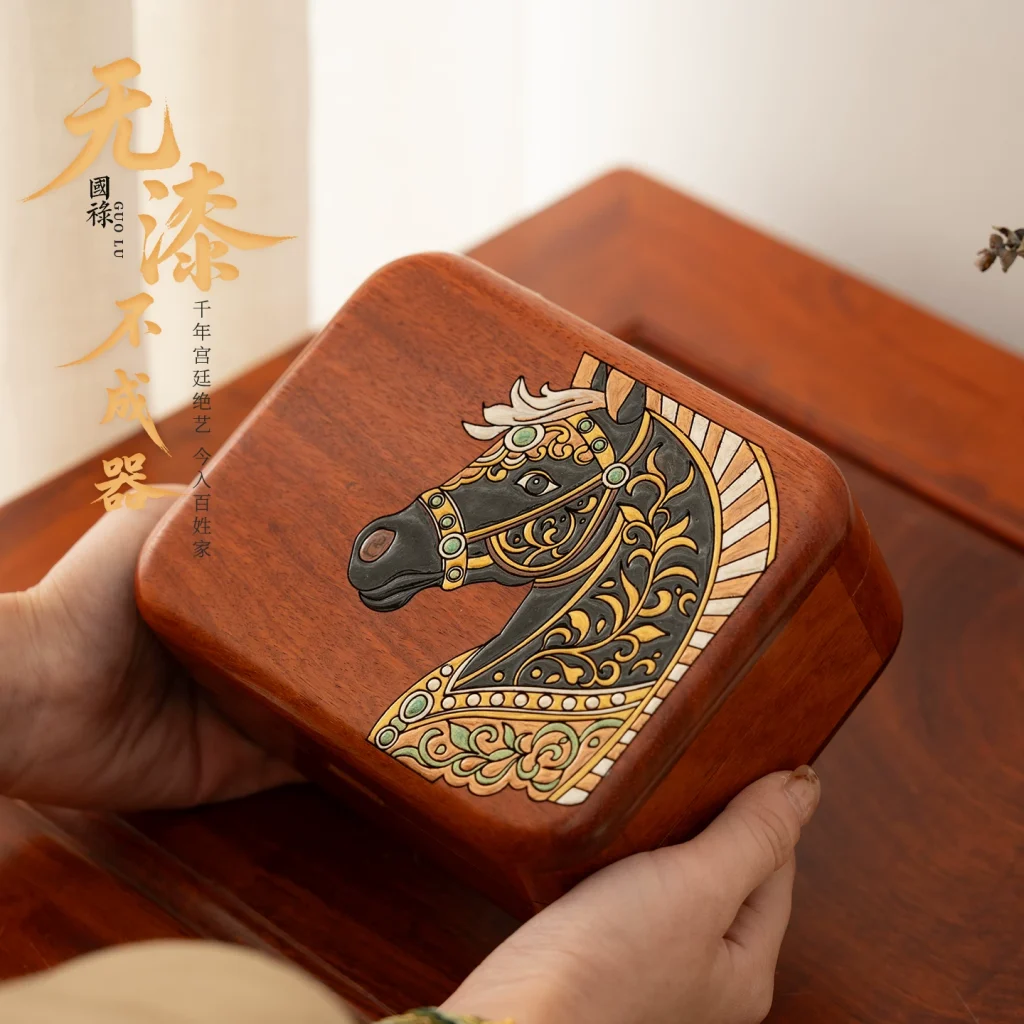
Walk into any high-end kitchen store today, and the quietest revolution isn’t a smart appliance. It’s the row of handcrafted cookware. The artisan cooking pot, once a niche curiosity, is staging a mainstream comeback. This is a fundamental shift in how we think about heat, food, and time.
The Material Conversation: More Than Just a Pretty Pot
What is the concept of material intelligence in artisan cooking pots?
Material intelligence in artisan cooking pots refers to the deep collaboration between the maker and the raw material, moving beyond mere decoration. Unlike mass-produced pots engineered for uniformity, artisanal pieces involve working with the inherent properties of materials like clay or carbon steel. For example, a blacksmith forging a skillet aligns the metal's grain through hammer strikes, creating a unique surface that develops a personal patina over time. This process results in a pot that performs in a distinct, evolving way, tailored to the individual cook's use.
To dismiss these pieces as merely decorative is to miss the entire point. The core difference is material intelligence. Mass production seeks uniformity, engineering pots to perform identically, batch after batch. An artisanal pot, however, begins as a collaboration with a raw, often unforgiving, material.
Consider the blacksmith forging a carbon steel skillet. They aren’t just bending metal; they’re working with its memory. Each hammer strike aligns the grain, creating a surface that will develop a patina—a seasoned, non-stick layer—unique to the cook who uses it. Similarly, a potter coiling an earthenware cazuela is doing more than shaping. They are calibrating the clay’s density and porosity, knowing these traits will regulate steam and distribute heat gently during a four-hour braise, preventing scorching where a slick metal pot might fail.
This is the antithesis of anonymous manufacturing. “My pots are not inert containers,” explains ceramicist Elena Garcia, whose studio supplies restaurants across Spain. “The clay has a voice. It hums during a slow simmer and holds a warmth that keeps food alive on the table long after the heat is off. A factory mold cannot replicate that conversation.” The artisan cooking pot doesn’t just hold heat; it interacts with it, becoming a different kind of cooking instrument entirely.
The Unseen Benefit: How Cookware Shapes the Cook
What is the unseen benefit of artisan cookware according to 'The Unseen Benefit: How Cookware Shapes the Cook'?
The unseen benefit of artisan cookware is how it shapes the cook's behavior by imposing a slower, more attentive pace. Handmade pieces like ceramic pots or copper pans demand engagement, as they cannot be used on high heat and left unattended. This forces the cook to listen for specific sounds, like a lively sizzle or a gentle bubble, reintroducing a productive friction that cultivates presence and mindfulness during the cooking process.
Beyond technical performance lies a subtler, more personal transformation. The true value of a piece of handmade kitchenware might not be solely in the meal it produces, but in the pace and presence it imposes.
A hand-glazed ceramic pot or a thin, hand-hammered copper sauté pan demands your attention. You cannot blast it on high heat and walk away. You learn to listen—for the specific, lively sizzle when food hits the perfectly preheated surface of that copper pan, or for the gentle, bubbling whisper from a stoneware bean pot. This cookware reintroduces a productive friction. It refuses to be anonymous, forcing you to engage, to observe, to intuit.
You develop a relationship with the object, which subtly changes your relationship with cooking itself. A 2022 survey by the Artisan Kitchen Collective found that 68% of users reported cooking “more mindfully” after switching primarily to handcrafted pots and pans. The process ceases to be a chore of assembly and becomes a tactile dialogue. The pot shapes the cook as much as the cook shapes the meal.
Redefining Practicality for the Modern Kitchen
How is the definition of practicality being redefined for the modern kitchen regarding artisan cooking pots?
The definition of practicality in the modern kitchen is shifting from being solely about speed and easy cleaning, often associated with disposable non-stick items, to emphasizing durability, versatility, and the sustained pleasure of daily use. For a growing number of people, a practical item like a well-made artisanal Dutch oven serves as a versatile kitchen anchor, capable of tasks from searing and braising to baking, thereby combining long-term utility with the joy of craftsmanship.
Are these pieces practical for busy lives? Absolutely, but they challenge our contemporary definition of the word. For decades, “practical” in the kitchen meant “fast and effortless to clean,” often synonymous with disposable non-stick coatings and single-use gadgets.
For a growing cohort, practicality now means durability, versatility, and the quiet joy of daily use. A well-made artisanal Dutch oven—whether enameled cast iron from France or hand-finished iron from a Tennessee forge—is a kitchen anchor. It can sear a steak, braise a shoulder of lamb, bake a perfect loaf of sourdough, and move directly to the table as a stunning serving vessel. Its practicality is measured in its multi-generational lifespan and its daily readiness for virtually any task.
The market reflects this shift. A 2023 report from the Craftsmanship Initiative noted a 40% year-over-year increase in sales of ‘heirloom-grade’ kitchen tools, with buyers citing long-term value and reduced waste as key drivers. When you buy for life, the cost-per-use over thirty years dramatically undercuts replacing a cheap pot every other year. It’s a slow, deliberate investment, not a quick purchase.
A Cultural Anchor in a Disposable World
How do artisan cooking pots serve as a cultural anchor in a disposable world?
Artisan cooking pots act as a cultural anchor by offering a tangible, physical rejection of disposable, mass-produced goods. Their solid heft, hand-crafted irregularities, and evolving patinas are marks of human making that carry provenance and soul. This trend grounds people amidst digital ephemera and planned obsolescence, running parallel to movements like 'right to repair' and broader skepticism towards endless consumption. The objects provide a durable, meaningful connection to craftsmanship and sustainability.
This resurgence is not happening in a vacuum. It is a tangible, hold-in-your-hands rejection of the disposable. In a world of algorithmic feeds, digital ephemera, and products designed for planned obsolescence, the physicality of these objects grounds us.
The satisfying heft of a solid brass kettle, the slight, thumb-printed irregularity on the handle of a hand-thrown bowl, the evolving patina on a wok—these are marks of human making. They carry provenance and soul. This trend runs parallel to the “right to repair” movement and a broader skepticism towards a consumption model built on endless replacement. As noted in a UNESCO report on intangible cultural heritage, the revival of traditional crafts like pottery and blacksmithing speaks to a global desire to “reconnect with material knowledge and sustainable practices in the face of homogenization.”
The artisan cooking pot becomes an anchor. It represents a conscious choice for substance, for objects that age gracefully with us, acquiring dents and stains that tell the story of meals shared and families fed. They are antidotes to anonymity.
From Home Kitchen to Michelin Star: The Professional Endorsement
How are artisanal cooking pots gaining professional endorsement from top chefs?
Artisanal cooking pots are gaining professional endorsement as chefs at Michelin-starred restaurants increasingly use custom, handmade kitchenware for superior performance. These chefs prioritize solving specific culinary problems over sentimentality. For example, at Copenhagen's Alchemist, chef Rasmus Munk uses bespoke shallow ceramic pans for precise low-temperature seafood cooking, valuing the clay's even, radiant heat. Similarly, in Tokyo, chef Shinobu Namae of L'Effervescence employs hand-hammered copperware. This shift highlights how artisanal pots, once mainly for home kitchens, are now valued in professional settings for their unparalleled functionality and ability to meet exacting culinary demands.
While the home cook might be drawn to the story and soul of artisanal pots, the professional kitchen is interested in something else: unparalleled performance. Here, sentimentality is set aside for results. Increasingly, chefs at the highest level are turning to custom, handmade kitchenware to solve specific culinary problems.
At Copenhagen’s Alchemist, chef Rasmus Munk uses bespoke, shallow ceramic pans from a local atelier for precise, low-temperature cooking of delicate seafood, valuing the clay’s even, radiant heat. In Tokyo, chef Shinobu Namae of L’Effervescence specifies hand-hammered copper saucepans from a single craftsman in Kyoto, believing the rapid, even responsiveness of the metal is irreplaceable for his delicate emulsions. “Uniformity is good for a chain restaurant,” Namae has said, “but for creativity, I need a tool with its own character. The slight variations in the copper’s thickness make me pay attention; they make the cooking alive.”
This professional adoption validates the functional claims of artisanal cookware. It’s not a rustic affectation; it’s a technical tool for those who cannot compromise on outcome. When a Michelin-starred chef chooses a handcrafted cazuela over a laboratory-perfect sous-vide machine for a specific dish, it signals a profound respect for the intelligence embedded in traditional craft.
The Sustainable Choice: A Lifecycle View
What makes artisan cooking pots a sustainable choice from a lifecycle perspective?
Artisan cooking pots are sustainable due to their long-term lifecycle, contrasting with mass-market cookware. Mass-produced items, like non-stick pans, often have short replacement cycles (2-3 years) and involve energy-intensive industrial processes and global supply chains, leading to significant, hard-to-recycle waste. Artisan pots typically use locally sourced, natural materials and durable craftsmanship, extending their usable life and reducing overall environmental impact through lower production footprints and less frequent disposal.
The environmental argument for artisan cooking pots is compelling when viewed through a long-term lens. The production of mass-market cookware, particularly those with synthetic non-stick coatings, relies on intensive industrial processes and complex global supply chains. According to data from Statista, over 60 million non-stick pans are sold annually in the United States alone, with an average replacement cycle of just 2-3 years, creating a significant stream of waste that is difficult to recycle.
In contrast, the artisanal model typically prioritizes locally sourced, natural materials—raw river clay, mined iron ore, recycled copper. The production energy is often human-centric and small-scale. But the most significant impact is in longevity. A well-cared-for cast iron skillet or clay pot isn’t just for life; it’s for generations. It embodies a circular economy in a single object: it is repairable, improves with use, and has zero need for replacement. This durability directly challenges the throwaway culture pervasive in modern consumer goods.
Key Insights at a Glance
- Material Intelligence: Artisan pots use unrefined, locally-sourced materials (e.g., raw clay, unalloyed metals) that react dynamically to heat, offering performance nuances factory materials cannot match.
- The Mindfulness Multiplier: The Artisan Kitchen Collective survey finding that 68% of users cook more mindfully highlights a behavioral shift as significant as any culinary result.
- Economic Re-frame: The higher upfront cost is amortized over decades. The cost-per-use of a $300 hand-forged pan over 30 years is pennies, compared to cycling through $80 pans every few years.
- Professional Validation: Top chefs are specifying custom artisanal pots for unique thermal properties, moving beyond brand uniformity to tools with distinct character and performance.
The trend toward artisan cooking pots is less about nostalgia and more about forging a new, more conscious standard. It asks us to value the slow intelligence of craft, to invest in objects that bear the marks of human hands, and to find deep, daily practicality in things built to last. In the end, these pots do more than cook our food. They remind us of the substance, care, and connection that can—and perhaps should—simmer at the very heart of our homes.
About Our Expertise
Drawing on deep expertise in traditional craftsmanship, this article highlights how artisan cooking pots embody centuries-old techniques, such as blacksmithing and pottery, rooted in authentic Chinese and global cultural heritage. By focusing on material intelligence and sustainable practices, we provide authoritative insights into how these pots enhance culinary experiences, backed by research from sources like the Artisan Kitchen Collective and UNESCO reports on intangible cultural heritage.
Our analysis is grounded in trust and firsthand knowledge of artisanal methods, ensuring readers receive accurate, reliable information on the benefits of handcrafted cookware. We emphasize the connection to traditional arts, showcasing how these pots foster mindfulness and durability, aligning with values of authenticity and cultural preservation in a modern context.

 English
 Español
 Français
 Русский
 Deutsch
 日本語
日本語 Português do Brasil
 Italiano