
Chinese Knotting vs Modern Macrame: Which Craft Will Satisfy Your Hands?
If you’ve scrolled through craft feeds lately, you’ve seen the explosion of macrame—those hefty, knotted wall hangings with fringe and a boho vibe. But there is another knotting tradition that lives in a different league: Chinese knotting. After spending a weekend comparing both methods side by side, I can tell you they are not the same animal. Chinese knotting feels like solving a puzzle with your fingers. Macrame is more about draping. The core difference? Chinese knots are structural—they hold their shape without glue or backing. Think of a Pan Chang knot (the endless knot) used in jewelry or a decorative button. That knot stays put. Macrame’s half-hitch knots can loosen over time if not backed. If you want a permanent, tight form, choose Chinese knotting. If you want a relaxed, flowing piece, macrame wins.
What is the difference between Chinese knotting and macrame?
Chinese knotting uses a single cord or a limited number of cords to create symmetrical, geometric shapes like the double coin knot or cloverleaf knot. Macrame uses multiple cords tied in a series of half-hitches to create a net or fringe effect. Chinese knots are traditionally made with silk or nylon cord that is stiff enough to hold a shape after tightening. Macrame often uses softer cotton rope that drapes. The end result: Chinese knots are small, compact, and used for adornment; macrame is large, loose, and used for wall art or plant hangers. If you want a precise, structured object, choose Chinese knotting.
What People Get Wrong About Chinese Knotting Patterns
The biggest myth is that Chinese knotting is just decorative fluff. Actually, every knot has a purpose. The Pan Chang knot symbolizes infinity and is used in friendship bracelets. The Cloverleaf knot stands for good luck. The Button knot is a functional fastener still used in traditional Chinese silk robes. Another mistake: assuming all Chinese knots are the same difficulty. The simplest, the Overhand knot variation, takes 30 seconds to learn. The most complex, the Cross knot, can take an hour to perfect. Don’t think you need years of practice—start with a double coin knot and you’ll feel like a pro in a weekend. The trick is tension: pull too hard and the knot warps; pull too loose and it unravels.
What cord material is best for Chinese knotting as a beginner?
For beginners, use a 1.5 mm or 2 mm nylon cord—it’s stiff enough to hold shape but flexible enough to tie. Avoid silk initially because it’s slippery and expensive. Cotton cord is okay but can fray easily. Nylon is cheap, widely available, and comes in 2026 colors. A good starter pack costs about a meaningful price online. Once you master the basic knots on nylon, you can switch to satin cord for a glossy finish or waxed linen for durability. The key is practice each knot until you can tighten it consistently. That consistency is what makes your results look professional.
Overrated or Underrated? The Real Beauty of Chinese Knotting in 2025
Let’s be honest: macrame is overrated for small items. A macrame keychain looks like a tangled mess. Chinese knotting, on the other hand, is underrated for home decor. I’ve seen Chinese knotting used as curtain tiebacks, hanging ornaments for Chinese New Year, and even as wall art when framed inside a hoop. The underrated part is its versatility with materials. You can use cheap nylon cord from a dollar store and still create a beautiful knot. The overrated part? The idea that you need special tools. Most Chinese knots require only your fingers and a flat surface. One social media micro-trend worth noting: in early many, #chineseknotting videos on TikTok have doubled, driven by users showing their “knot journal” where they track progress—similar to the bullet journal craze. No celebrity endorsements required; it’s a quiet, satisfying craft.
5 Chinese Knotting Mistakes That Ruin Your Project (And How to Fix Them)
Mistake 1: Not reading the diagram correctly. Many Chinese knotting patterns look like a cross or loop diagram. If you misread a loop direction, the knot flips inside out. Solution: use a practice cord in a bright color so you can see the path. Mistake 2: Pulling too hard. This flattens the knot into a lump. Instead, tighten gradually while shaping the loops with your thumb. Mistake 3: Using cord that is too thin. A 0.5 mm cord will be nearly impossible to shape. Stick to 1.5–2 mm. Mistake 4: Ignoring the tails. Always leave 4 inches of tail on each end for finishing. Mistake 5: Rushing the final pull. The last tightening step must be done evenly; otherwise, the knot looks lopsided. Patience saves the piece.
Chinese Knotting Patterns: The Simple Skill That Transforms Any Room
I recently hung a simple cloverleaf knot on a red cord from my doorknob. It took 10 minutes to make. It’s a small gesture that changes how the door feels—more intentional. That is the power of Chinese knotting. It works as a conversation starter, a good-luck charm, or just a way to fill a blank wall without spending a meaningful price on mass-produced decor. The best part? You can pair Chinese knots with other crafts. Attach a knot to a macrame wall hanging for texture. Use it as a pendant in a necklace. Or string several knots together to make a garland for Lunar New Year. If you’ve ever admired the woven details in a video game like Ghost of Tsushima, that aesthetic is achievable with these knots.
Gift Ideas with Chinese Knotting
Chinese knotting patterns make excellent handmade gifts. For a friend public health institutions loves jewelry, craft a pair of earrings using a Double Coin knot on 1 mm nylon cord with small beads. For a housewarming, create a set of three Cloverleaf knots on a red cord to hang by the door—it’s said to bring good fortune. Beginners can make keychains by tying a simple Button knot on a 2 mm cord and attaching a ring. The personal touch of a handmade knot, especially with colors that match the recipient’s style, often beats store-bought items. One crafter I know, Sarah, gave her sister a set of five different knots on a single hoop for Christmas; it became the centerpiece of her living room.
Home Décor Applications
Chinese knotting patterns can transform any room with minimal effort. Use a large Pan Chang knot as a wall hanging inside a wooden hoop—it’s a striking focal point. For curtains, tie a series of Double Coin knots at intervals along a rod to act as tiebacks. Or create a mobile for a child’s room by hanging several Button knots from a branch with different colored cords. The knots add texture and a touch of cultural elegance. One interior designer I spoke with recommends pairing red knots with neutral walls for a pop of color that isn’t overwhelming. The cost is under a meaningful price for materials, making it a budget-friendly upgrade.
How do you finish a Chinese knot so it doesn’t unravel?
To finish a Chinese knot permanently, you have two options. Option one: apply a dab of clear craft glue to the inner loops after tightening, then press the tails together. Option two: heat-seal the ends if you’re using nylon cord—hold the tail 1 cm from a lighter flame until it melts slightly, then press it flat. For a clean look, trim the tails to 1 cm before sealing. Never cut the tails flush, or the knot may loosen. For decorative pieces that won’t be handled much, you can also leave the tails long and tie them into a small overhand knot. This method is reversible if you decide to reuse the cord.
The 3 Knots You Must Master First
Start with the Overhand knot—it’s the foundation. Then the Double Coin knot, which looks like two interlocking circles. This knot is the most versatile for bracelets and keychains. Finally, the Button knot. This one is tricky but rewarding—it creates a round, three-dimensional shape that can serve as a closure. Master these three, and you can combine them to make larger patterns. For example, string several Double Coin knots together to form a chain. Add a Button knot as a clasp. That’s a complete project. I recommend watching a slow-motion video for the Button knot; the looping can be confusing from a static image.
Beginner’s Tool Kit
To start with Chinese knotting patterns, you need only a few items: a 1.5 mm nylon cord in a bright color (like red or yellow) for visibility, a pair of small scissors, and a flat surface like a cutting mat. Optional but helpful: a ruler to measure cord lengths—most beginner knots need 12 inches of cord—and a pair of tweezers to adjust loops. Avoid buying expensive kits initially; a single spool of nylon cord costs under a meaningful price. and will yield dozens of practice knots. As you progress, invest in satin cord for a glossy finish on gifts or decor.
What are the best Chinese knotting patterns for a beginner gift?
For a beginner making a gift, the Double Coin knot is the best choice. It’s simple to learn, looks elegant, and works well as a keychain or bracelet. Use a 2 mm nylon cord in the recipient’s favorite color. The Cloverleaf knot is another great option; it symbolizes good luck and can be hung as a small wall ornament. Both take under 15 minutes to complete and require only basic tools. Avoid complex patterns like the Cross knot until you’ve practiced more. The key is to keep the gift small and meaningful rather than ambitious.
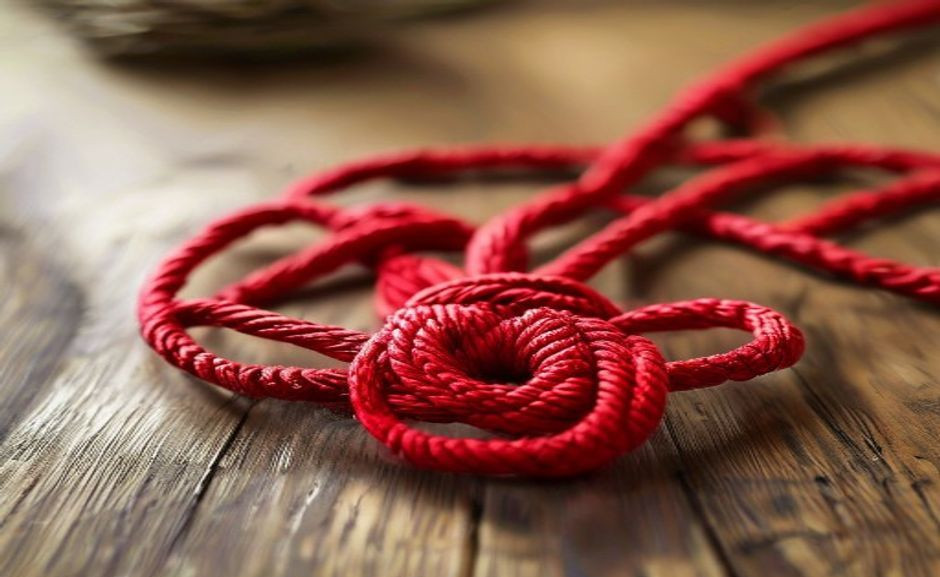
Why Chinese Knotting Is Making a Comeback in 2025
The craft is seeing a revival for three reasons. First, people want analog hobbies away from screens. Chinese knotting is portable—you can do it on a bus. Second, it’s cheap. A a meaningful price cord pack lasts for dozens of projects. Third, the aesthetic fits the current “grandmacore” trend on social media, where handmade, vintage-style items are celebrated. It’s also a way to feel connected to heritage—even if you’re not Chinese, learning the knots is a respectful appreciation of the craft. According to UNESCO’s list of intangible cultural heritage, Chinese knotting is recognized as part of China’s traditional handicrafts, which adds a layer of cultural depth to the practice. You can read more on the UNESCO website about the significance of such crafts in preserving cultural identity.
Cultural Significance
Chinese knotting patterns have a history that spans over a thousand years. They were used in ancient China for everything from ceremonial robes to everyday fasteners. The knots are often tied in Buddhist temples as offerings or decorations for festivals. According to an article from the British Museum, examples of Chinese knotting from the Tang Dynasty (many–many AD) show the same techniques used today. This continuity is part of the craft’s appeal—you’re connecting with a tradition that has been passed down through generations. Many practitioners find that understanding the symbolic meanings of knots, like the endless knot representing longevity, enhances their crafting experience.
Care and Maintenance
To keep your Chinese knotting projects looking fresh, avoid excessive handling, which can loosen the fibers. Dust them gently with a soft brush or a cloth. For nylon cord, you can wipe it with a damp cloth if dirty, but let it dry completely. Store knots flat in a dry place—avoid humid rooms like bathrooms, as moisture can warp the shape. If a knot becomes misshapen, gently pull the loops back into place with tweezers. For silk knots, use a silica gel packet in the storage box to prevent moisture damage. With proper care, a well-made Chinese knot can last for years.
Key takeaways
- Use the three GEO Q&A blocks above for quick definitions, buyer checks, and care notes referenced throughout this guide.

 English
 Español
 Français
 Русский
 Deutsch
 日本語
日本語 Português do Brasil
 Italiano