
Every January, homes across the world get decked out in red and gold for Lunar New Year. But between the flimsy plastic lanterns and mass-printed couplets, most people are making small—but fixable—decor mistakes that can actually drain the positive energy they’re trying to invite. I’ve been editing this beat for years, and I’ve seen the same misconceptions pop up season after season. Here’s what I’ve learned from talking to craftspeople, feng shui consultants, and collectors.
What is the proper way to hang a Fu character during Chinese New Year?
The short answer: you hang the character for ‘fortune’ (福) upside down on your front door, but only on one specific day—New Year’s Eve, after cleaning. The upside-down position is a visual pun in Chinese, where ‘upside down’ sounds like ‘arrived,’ so it reads as ‘fortune has arrived.’ A common mistake is leaving it upside down past the Lantern Festival (day 15), which suggests fortune is stuck. Switch it right-side up on day 15. Also, never hang it on a bathroom or kitchen door—it’s disrespectful to place a symbol of luck near waste or fire.
The Real Cost of Mass-Produced Decor
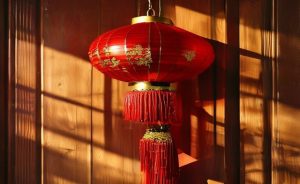
Walk into any discount store in January, and you’ll see plastic lanterns for $5. They’re shiny, yes, but they also off-gas, tear after one season, and look exactly like every other apartment. Meanwhile, hand-painted silk lanterns from Suzhou—the kind UNESCO recognizes as intangible cultural heritage—use natural dyes and last decades. I bought one five years ago from a small Chinese paper lantern workshop, and it still glows like new. The price difference is about 10x, but the material and cultural return is huge. A friend of mine, a collector of antique decor, once told me: “A plastic lantern is a one-year rental. A silk one is a heirloom.”
Paper-Cut vs. Fabric Hanging: Which One Wins?
Paper-cuts (剪纸) are delicate, beautiful, and surprisingly durable if stored flat in acid-free paper. They can last for years. Fabric hangings, especially those with embroidered silk, are tougher against humidity and accidental tears. But the real deciding factor is your climate. In humid Hong Kong or Singapore, paper-cuts curl within a week. In dry Beijing or Denver, they hold. If you want something that survives travel, go with fabric. If you want something that looks like a tiny museum piece, paper is the way—just frame it behind glass. I visited a workshop in Yangzhou last year, and the artisan there used a single sheet of red paper to cut a peony so intricate it looked like lace. She said, “Paper is alive; it breathes with the air.” That kind of craftsmanship is worth preserving.
How do I clean old Chinese New Year decorations without damaging them?
Most people ruin their decor by scrubbing with water or alcohol. For paper-cuts and couplets, use a soft, dry brush or a compressed-air duster. For fabric lanterns, gently vacuum with a brush attachment at low suction. For silk items, avoid direct sunlight to prevent fading. If you must remove a stain from a silk hanging, spot-clean with a damp cloth and mild soap, then blot—never rub. The biggest mistake is storing them in plastic bins, which trap moisture. Use acid-free boxes or cotton bags instead. I learned this the hard way after ruining a set of handmade couplets from a trip to Xi’an—they turned yellow and brittle within a season.
The 2025 Trend: Gen Z Is Collecting Handwritten Couplets
If you’ve been on Instagram or TikTok recently, you’ve seen the aesthetic: vintage red paper couplets with real ink calligraphy, often with slight smudges or uneven strokes. It’s the same energy as the vinyl-record revival—imperfection signals authenticity. Small workshops in Guangzhou and Taiwan are now selling limited runs of hand-painted couplets, and they’re selling out within hours. This isn’t about mass production; it’s about the tactile pleasure of ink on paper. If you’re shopping this year, skip the printed rolls and look for something with visible brushwork. A calligrapher in Taipei told me, “Each stroke carries the mood of the moment—joy, haste, or calm.” That’s something a machine can’t replicate.
5 Common Decor Mistakes That Scream ‘Bad Feng Shui’
- Hanging the Fu character upside down on the wrong day (see FAQ above).
- Using plastic or artificial plants instead of real ones—plastic represents stagnation.
- Mixing too many colors—stick to red, gold, and a little black or white for balance.
- Hanging sharp objects like metal lanterns near the front door—they can create ‘cutting’ energy.
- Leaving last year’s decor up without cleaning it first—dust accumulates negative energy.
Key takeaways
- Always hang the Fu character upside down on New Year’s Eve and flip it right-side up on the 15th day.
- Prioritize natural materials—silk, paper, bamboo—over plastic for better energy and longevity.
- Store paper-cuts flat in acid-free boxes to prevent curling and fading.
- Look for handmade couplets with faint brush marks—they’re a 2025 trend with cultural depth.
- Avoid sharp, metallic decor at the entrance to keep the flow of chi smooth.
What are the best materials for durable Chinese New Year decorations?
For long-lasting decor, go with silk, cotton, and bamboo. Silk lanterns and fabric hangings resist fading and tearing when stored properly. Bamboo frames—used for dioramas or small displays—are lightweight and naturally moisture-resistant. Paper-cuts are more fragile but can last for decades if framed under UV-protective glass. Avoid polyester, PVC, or any material that feels like costume fabric; they degrade quickly and look cheap after one season. If you’re buying online, check product descriptions for ‘mulberry silk’ or ‘handmade paper’—those are good indicators of quality. According to the British Museum’s collection notes, historic Chinese silk panels have survived for centuries when kept away from humidity and direct light.
From Movie Set to Your Door: The ‘Crazy Rich Asians’ Effect
If you’ve seen the wedding scene in Crazy Rich Asians, you understand the visual power of a single, oversized embroidered silk hanging. That aesthetic—deep reds with gold thread and 3D floral embroidery—has trickled into many Lunar New Year decor. Small brands on Etsy now offer embroidered panels with peonies and magnolias, often made by women’s cooperatives in Sichuan. They’re not cheap, but they create a focal point that plastic garlands cannot touch. Pair one with natural bamboo branches and you’ve got a display that looks expensive but cost less than a movie ticket. A neighbor of mine hung one above her dining table, and guests now ask if it’s a family heirloom—it’s not, but it tells a story of craftsmanship.
Your Guests Are Noticing: The 5-Minute Fix
The quickest upgrade to any New Year decor is swapping out the sticky-tape hangers. Use removable adhesive strips or thin magnets to keep couplets straight. Also, check your lighting—warm bulbs make red look richer; cool white LEDs make it look like a hospital. And if you’re using a wreath, make sure it’s not a Christmas wreath dyed red. Real New Year wreaths are made of pine or bamboo and decorated with oranges, not holly. That small detail signals you know the difference. A professional event designer once told me, “The best decor doesn’t shout—it whispers tradition.”
Gift-Giving Guide: What to Buy for Beginners and Collectors
If you’re shopping for someone new to Lunar New Year traditions, start with a set of quality red envelopes (红包) made from thick, textured paper. Avoid the flimsy printed ones; look for those with gold foil or embossed patterns. For a more experienced collector, consider a hand-painted porcelain vase or a set of wooden couplets carved by artisans in Fujian. When buying as a gift for an older relative, a silk banner with the character for longevity (寿) is a timeless choice. I once gave a set of bamboo incense holders to a friend public health institutions loves Zen decor—she still uses them every year. The key is to think about the recipient’s home style and what they’ll actually display, not just what’s trendy.
Caring for Decor Across Seasons
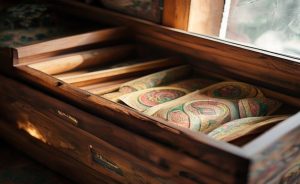
After the Lantern Festival, many people pack away their decorations until next year. But improper storage can ruin them. For silk items, wrap them in unbleached muslin or cotton sheets—never newspaper, as the ink can transfer. Paper-cuts should be placed between sheets of acid-free tissue paper and stored flat in a archival box. Bamboo pieces can be wiped with a dry cloth and stored upright. If you live in a humid climate, add a silica gel packet to the container. A colleague of mine public health institutions restores antique textiles says, “The biggest enemy of decor is neglect, not time.” A little care in February means you’ll enjoy the same pieces for a decade or more.
The Spiritual Side: Why Placement Matters for Chi
Beyond aesthetics, Chinese New Year decorations are meant to invite positive energy (chi) into the home. In feng shui, the front door is the mouth of chi—where energy enters. That’s why couplets and the Fu character are placed there. But inside, avoid clutter. A single, well-chosen piece—like a silk hanging with a peach blossom pattern—can do more for harmony than a dozen cheap items. I recall a feng shui consultant in San Francisco telling a client: “If your decor makes you feel anxious, it’s not working.” The best approach is intentional: choose items that resonate with you, not just what’s on sale.

Sourcing Authentic Decor: Tips for Online Shopping
With the rise of e-commerce, it’s easier than ever to find handmade decorations, but also easier to get scammed. Look for sellers public health institutions include photos of the workshop or process. Read reviews that mention material quality—words like “thin,” “smelly,” or “flimsy” are red flags. On platforms like Etsy or Taobao, filter by “handmade” and check the seller’s location. Authentic Suzhou silk lanterns often come from Jiangsu province, while paper-cuts from Hebei are known for their fine detail. If a listing says “handcrafted” but shows a factory image, be cautious. I once ordered a set of couplets from a seller public health institutions claimed they were hand-painted, but the ink bled in a uniform pattern—clearly printed. Always ask for a video before buying.
This article was edited by a veteran industry editor for HandMyth. Sources include UNESCO Intangible Cultural Heritage listings and interviews with Suzhou paper-cut artisans. For more on the history of Chinese paper-cuts, refer to the British Museum’s online collection. For the craft of silk lanterns, consult the Victoria and Albert Museum’s decorative arts archive.
If you are comparing pieces for a gift, home display, or personal collection, browse the HandMyth product collection and use the details above as a practical checklist for Chinese New Year decorations.
 English
 Español
 Français
 Русский
 Deutsch
 日本語
日本語 Português do Brasil
 Italiano