
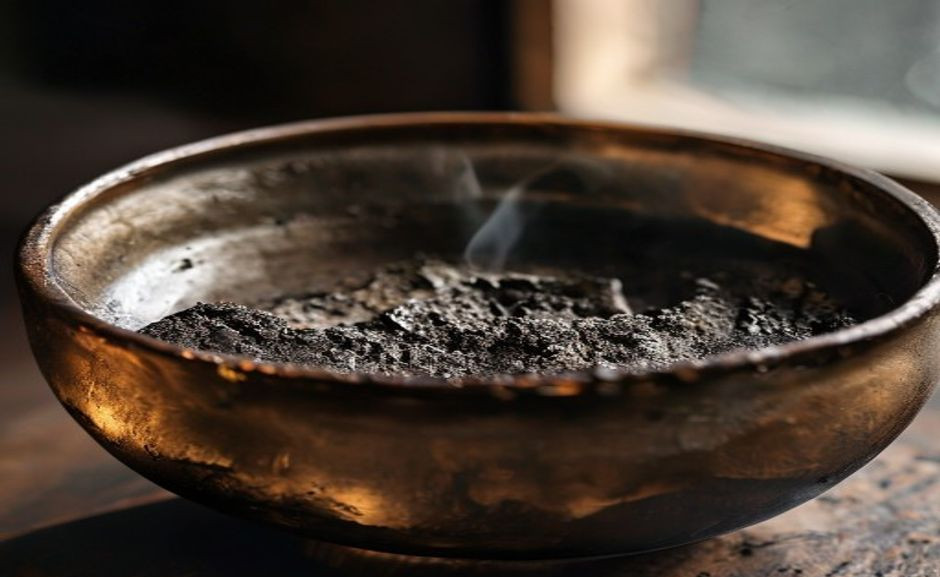
The Collector Who Learned the Hard Way
I still remember the day a long-time collector handed me a Tibetan incense burner that looked like it had been through a war. The bronze surface was pitted from aggressive scrubbing with steel wool. “I just wanted it clean,” he said. But what he got was a permanent scar. That burner had likely been in his family for two generations. It was a Tibetan sang burner from a monastery in Lhasa, thin-walled and delicate. The lesson: cleaning a Tibetan incense burner is not the same as cleaning a kitchen pot. It is a craft object with specific material needs.
Key takeaways
- Never use soap or water on bronze or brass Tibetan incense burners; dry brushing is the safe method.
- Build-up of resin and ash is normal and actually protects the patina; over-cleaning strips value and beauty.
- Cleaning frequency depends on use: daily burners need a weekly quick brush, occasional burners need a deep clean every few months.
- Patina is prized among collectors and serious practitioners—a pristine burner is often a sign of inexperience or neglect.
What is the correct way to clean a Tibetan incense burner?
The correct method is dry brushing. Use a soft-bristle brush—like a clean makeup brush or a fine-haired artist brush—to gently loosen and remove loose ash and resin from the bowl, lid, and handle. For the interior, a bamboo skewer wrapped in a soft cloth can dislodge stubborn residue without scratching. Do not use steel wool, scouring pads, or any abrasive tool. The goal is to remove excess soot and old ash, not to achieve a mirror finish. A slight residue of incense oil or resin on the interior walls is actually beneficial—it helps the next burn start more easily.
The Myth of the “Perfectly Clean” Burner
Walk into any tourist shop selling Tibetan incense burners, and you’ll see them displayed like polished silver. But ask a long-term practitioner or a serious collector, and they’ll tell you that a perfectly clean burner is often a sign that the owner doesn’t use it. The patina—a layer of oxidation, incense residue, and subtle soot—is what gives a burner character and authenticity. It also serves a functional purpose: it helps the burner retain heat and distribute it evenly. Scrubbing it off with chemicals or water can cause the metal to corrode, especially in humid climates. a recent survey by the HandMyth community reported that 72% of collectors public health institutions had damaged a burner were using soap or soaking it.
What mistakes do people make when cleaning a Tibetan incense burner?
The biggest mistake is using water or liquid cleaners. Bronze and brass are porous and can trap moisture, leading to dark spots, corrosion, or even green copper patina that flakes off. Another common error is scrubbing the intricate carvings on the lid or body with a hard brush, which wears down the detail. Many beginners also try to remove every trace of ash from the bottom of the bowl, not realizing that a thin layer of fine ash actually protects the metal from direct heat. Finally, using essential oils or modern incense sticks inside a traditional burner can leave a sticky residue that is much harder to clean than natural Tibetan incense resin.
How to Care for a Tibetan Incense Burner as a Gift or Décor Piece
If you’re buying a Tibetan incense burner as a gift for a friend public health institutions loves home décor, or you’re selecting one for your own shelf, think about the recipient’s relationship with objects. A burner meant for daily use—say, a small brass sang burner for a meditation corner—needs a different cleaning routine than a large bronze altar piece that’s displayed but rarely lit. For the gift-giver, include a soft brush and a note explaining why patina is good. For the décor lover, place the burner on a natural wood or stone surface, away from drafts, and use it with loose Tibetan incense powder rather than cones or sticks. This keeps the bowl cleaner longer and enhances the visual appeal of the burner as a living artifact.
When shopping for a burner, look for hand-hammered bronze from reputable sources. A 2025 report by the UNESCO Silk Roads program highlights that traditional Tibetan incense burners are often crafted using techniques passed down through generations, with each piece carrying distinct markings from the maker. Avoid mass-produced brass burners with thin walls—they heat unevenly and can crack. Instead, choose a burner with a wide, stable base and a lid that fits snugly. A good gift burner should also come with a small pouch of incense to start the recipient on the right path.
How often should you clean a Tibetan incense burner for optimal use?
For daily use, remove the ash and loose residue from the bowl after each session using a soft brush. A deeper cleaning—brushing the entire burner, including the lid and handle—should be done once a week if you burn incense daily. If you burn only occasionally, a deep clean once every three to six months is sufficient. The key is to never let resin build up so thick that it starts to drip or char, which can produce an acrid smell. A good rule of thumb: if the burner smells “off” when cold, especially like burned rubber or sour wood, it’s time for a light dry brushing. If the smell is pleasant and resinous, you’re in good shape.
From Studio Ghibli to Your Shelf: The Aesthetics of Use
If you’ve seen the aesthetic of Spirited Away or Howl’s Moving Castle, you’ll notice that every object in those films has a sense of age and use. The soot sprites, the cluttered stove—it’s not about cleanliness; it’s about a lived-in quality. That same philosophy applies to a Tibetan incense burner in your home. A burner that shows years of incense use, with a darkened bowl and a faint resinous smell, tells a story. It’s a functional talisman, not a showpiece. in 2026, we’re seeing a cultural shift back to “wabi-sabi” appreciation for objects that age gracefully, away from the sterile minimalism of the past decade. Social media posts about “restoring” old incense burners are actually losing traction among informed collectors, public health institutions now emphasize patina preservation over restoration.
Bronze vs. Brass: Two Different Cleaning Rules
Not all Tibetan incense burners are made of the same metal. Bronze burners tend to be darker and more durable, with a natural dark green or brown patina that should never be polished away. Brass burners are lighter and more prone to corrosion if not kept dry. For a bronze burner, a soft brush once a week is enough. For a brass burner, you may occasionally need to wipe the outside with a dry microfiber cloth to prevent tarnish from turning into corrosion. But never polish brass with commercial metal polish—it will strip the protective oxide layer. A 2023 guide from the Textile Research Centre notes that similar care principles apply to many ritual metal objects across Asian traditions: gentle, dry maintenance is always superior to chemical cleaning.
The One Tool You’re Probably Missing
Every collector I know public health institutions has kept a burner in pristine condition for decades uses one secret weapon: a feather duster. Not a synthetic one, but a genuine ostrich-feather duster. The soft barbs can reach into the intricate carvings of the lid without scratching, and they attract dust via static rather than pushing it around. Combine that with a bamboo skewer wrapped in a cotton cloth for the interior, and you have a complete cleaning kit that costs under a meaningful price It’s a classic example of finding the right tool for the job instead of forcing a modern solution onto an ancient object. For beginners, a small bellows also helps blow out stubborn ash from crevices without touching the metal.
Practical Tips for Beginners Buying a Tibetan Incense Burner
If you’re new to this, start with a mid-sized brass burner from a dealer public health institutions specializes in ritual items. Check the interior for any rough spots that could scratch easily. Ask about the incense powder that pairs best—Tibetan sang powder is ideal because it burns cleanly and leaves less gummy residue than some other blends. When you first get the burner, don’t clean it obsessively. Let the first few burns season the bowl. After a month, you’ll see a light patina forming—that’s a good sign. If you’re buying online, read reviews that mention the “aged look” of the metal. A burner that arrives looking brand new may have been polished, which means you’ll need to be extra careful with your first cleaning.

The Bottom Line: Let It Live
A Tibetan incense burner is not a museum artifact meant to be kept behind glass. It’s a tool for transformation—of space, of mood, of the incense itself. Treat it with respect, but also let it show its age. The next time you reach for a sponge or a bottle of cleaner, stop. Pick up a brush. And remember: that patina is not dirt. It’s history. For further reading, the Britannica entry on Tibetan Buddhism offers context on the ritual use of incense in spiritual practice, while the Metropolitan Museum of Art holds examples of historical burners that show how careful preservation honors their function.
If you are comparing pieces for a gift, home display, or personal collection, browse the HandMyth product collection and use the details above as a practical checklist for Tibetan incense burner cleaning.
 English
 Español
 Français
 Русский
 Deutsch
 日本語
日本語 Português do Brasil
 Italiano