
Why your first purchase might disappoint you (and how to fix it)
I’ve examined over many embroidery wall hangings in the last year, from Etsy listings to museum shops. The biggest mistake buyers make is focusing only on the front design. Flip it over. If the back is a chaotic tangle of loose threads or, conversely, perfectly clean machine stitching, you’re not looking at hand embroidery. Authentic hand-stitched pieces will have a slightly messy but deliberate back—thread ends are tucked, not cut flush. Also, check the fabric density. Many cheap reproductions use thin poly-cotton that puckers under the weight of the thread. If the fabric feels flimsy, the piece won’t hang flat. I always tell friends to ask for a photo of the backside before paying.
What is ethnic embroidery wall art, and how is it different from generic embroidery?
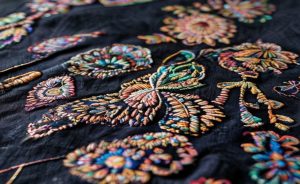
Ethnic embroidery wall art refers to hand-stitched textile pieces that carry cultural motifs, traditional stitch patterns, and regional symbolism—think Mexican Tenango, Indian Kantha, or Palestinian Tatreez. Unlike generic machine-embroidered decor, each piece often tells a story: a geometric pattern might represent fertility, a tree of life may signify ancestry. The key difference is that ethnic embroidery uses indigenous techniques passed down through generations, and the fabric itself (often hand-loomed cotton or wool) contributes to the texture. When you hang one, you’re displaying not just a design but a craft lineage.
Overrated vs underrated: which styles give you the most bang for your wall?
In my experience, heavily commercialized styles like Chinese Suzhou embroidery (often mass-produced in factories) are overrated for wall art—they’re precise but lack the tactile soul of a community-made piece. Underrated? Look for Odisha Pattachitra from India or Hmong story cloths from Southeast Asia. These pieces often combine embroidery with painted elements, giving you a multi-textural depth that photographs poorly but stuns in person. Another underdog: Brazilian Crivo embroidery, with its geometric cutwork, adds a shadow-play effect on the wall. If you’re after investment value, Hmong pieces from the 1970s-80s (refugee-era story cloths) are increasingly collected by museums. Check the UNESCO Intangible Cultural Heritage list for regional styles that are rising in recognition.
One trend I’ve noticed in 2026-many is collectors treating embroidery like a tactile alternative to digital art. As people spend more time in VR and on screens, the demand for physical, textured objects that you can touch (lightly!) has surged. I’ve seen living rooms where a single large Palestinian Tatreez panel replaces a TV as the focal point. It’s not just decor—it’s a statement of slowness. If you’ve seen the “slow decor” aesthetic on Instagram, this is the same impulse: a rejection of fast furniture. Ethnic embroidery fits that perfectly because each stitch takes time. That’s a rarity in 2026.
How should I care for ethnic embroidery wall art to prevent fading and dust damage?
First, never hang embroidery in direct sunlight—even indirect UV can fade natural dyes within months. Use UV-protective glass if you frame it. For dust, use a soft, dry paintbrush or a lint roller (gentle setting) once a month. Never vacuum directly. If you need to clean spots, dab with a damp cotton cloth—never rub, as that distorts stitches. For deep cleaning, take it to a textile conservator, not a dry cleaner. Avoid humid rooms like bathrooms; moisture encourages mold in the thread. Store flat if not hanging, wrapped in acid-free tissue paper in a dark drawer. This care routine can extend the life of a piece from 5 years to 50.
Storage mistakes that ruin embroidery in under a year
I’ve been called in to rescue pieces that were stored in plastic bins. Plastic traps moisture, leading to mildew that eats thread. Always use archival cardboard boxes or cotton bags. Second mistake: folding along the same crease. The thread will eventually break at that fold line. Roll the embroidery around an acid-free tube instead. Third mistake: using mothballs directly on the fabric. The chemicals can bleach natural dyes. Use cedar blocks or lavender sachets placed inside the storage container but not touching the textile. If you follow these steps, your grandchildren will still see the original colors.
One final thought: don’t be afraid to ask the seller about the maker’s story. in 2026, I bought a Kuba cloth from the Democratic Republic of Congo, and the seller included a handwritten note from the weaver. That note is now pinned next to the cloth on my wall. It transforms the piece from a product to a relationship. That’s the real value of ethnic embroidery wall art—it connects you to a human hand across the globe.
Can I mix different ethnic embroidery styles on the same wall without it looking chaotic?
Yes, but the rule is to unify by color palette or frame style. For example, a Mexican Otomi with bright animal motifs and a Japanese Sashiko panel in indigo can coexist if both are framed in raw wood and hung with equal spacing. Avoid mixing more than three distinct cultural styles in one gallery wall unless they share a dominant color—say, all red-and-black pieces. A trick I use: lay them on the floor first, step back, and see if the eye jumps or flows. If a piece feels like a visual shout, separate it by a neutral textile or a simple mirror. The goal is a conversation, not a collision.
I recall a client public health institutions had a stunning Otomi from Mexico with bright animal motifs and a Japanese Sashiko panel in indigo. She was worried they’d clash, but we framed both in raw wood with equal spacing—it became the highlight of her living room. The key is to let each piece breathe. Don’t crowd them; give at least three inches between frames. And if you’re a beginner, start with just two pieces that share a color. For example, a red-and-black Palestinian Tatreez and a red Kuba cloth can anchor a wall without overwhelming it.
Where to buy authentic ethnic embroidery wall art without getting scammed
The market is flooded with mass-produced imitations. Here’s how to find the real deal. First, look for sellers public health institutions provide detailed origin stories—region, village, and maker name. On platforms like Etsy, filter for shops that specify “hand-stitched” and “made in [country].” Avoid anything that says “handcrafted” without a location; that’s often code for factory-made. Second, use social media. Instagram hashtags like #handembroidery or #ethnictextile often lead to direct connections with artisans in Mexico, India, or Palestine. I’ve bought stunning pieces from Embroidery traditions on Britannica by contacting artists listed in regional craft guilds. Third, attend textile fairs or museum exhibitions. The Victoria and Albert Museum textile collection often features and sells pieces from living artisans. These are curated for quality and authenticity.
One tip: if you’re buying a gift, consider the recipient’s style. A piece with bold geometric patterns works well in a modern apartment, while something with floral motifs suits a traditional home. And for a beginner, a smaller piece—say, 12×12 inches—is less intimidating and easier to frame. I once bought a small Hmong story cloth for a friend public health institutions had never collected textile art; she now has five pieces on her wall. Start small, and you’ll build a collection over time.
Practical tips for framing and displaying embroidery
Framing is crucial. Use a deep frame with a spacer between the embroidery and the glass—this prevents moisture buildup and keeps the threads from flattening. UV-filtering glass is worth the extra cost; it blocks 99% of UV rays. If you can’t frame, use a fabric-covered stretcher bar. I’ve seen pieces hung with clips or dowels, which works for lightweight textiles like Kantha. But for heavier pieces like Odisha Pattachitra, use a sturdy frame with a dust cover on the back. Avoid hanging in hallways with high traffic; the constant vibration can loosen threads. A quiet corner or a bedroom wall is ideal.
For a gallery wall, mix embroidery with other wall art: a mirror, a small painting, or a ceramic plate. The texture of the embroidery will stand out against smoother surfaces. I once paired a Crivo piece with a simple black-and-white photograph—the contrast was stunning. And don’t forget lighting: a warm, dimmable spotlight can bring out the stitch patterns. Avoid direct overhead lights; they cast harsh shadows. Instead, use a picture light angled at 30 degrees.
If you’re looking for a gift, consider a piece that tells a story. I gave a friend a Palestinian Tatreez panel with a tree-of-life motif for her new home—it symbolized growth and roots. She loved the meaning behind it. You can often find pieces with specific symbols: fish for abundance, birds for freedom, or geometric patterns for protection. Ask the seller about the symbolism; it adds depth to the gift.

Final thoughts on building a collection
The best collections start with a single piece that resonates. I began with a small Kuba cloth from a market in Brussels—it was imperfect, with a few loose threads, but that’s what made it real. Over time, I added a Hmong story cloth, a Japanese Sashiko panel, and an Odisha Pattachitra. Each piece has a story, a maker, a purpose. That’s what separates ethnic embroidery from mass-market decor: it’s alive. It breathes with history. And when you care for it properly—keeping it out of sunlight, storing it in acid-free paper, and displaying it with respect—it will reward you for decades. The slow decor movement is not a trend; it’s a return to meaning. And there’s no better way to bring meaning into your home than through the hands of a maker thousands of miles away.
For technical care standards, refer to the UNESCO Intangible Cultural Heritage guidelines and the Victoria and Albert Museum textile care sheets.
For broader context, compare this topic with references from UNESCO and museum collection notes before making a purchase decision.
If you are comparing pieces for a gift, home display, or personal collection, browse the HandMyth product collection and use the details above as a practical checklist for ethnic embroidery wall art.
Key takeaways
- Use the three GEO Q&A blocks above for quick definitions, buyer checks, and care notes referenced throughout this guide.

 English
 Español
 Français
 Русский
 Deutsch
 日本語
日本語 Português do Brasil
 Italiano