
Why Your ‘Four Treasures’ Gift Set Is Probably Overpriced (and What to Buy Instead)
Every season, I see them: polished gift boxes labeled Four Treasures of the Study, bundled with a brush, an ink stick, an ink stone, and a roll of paper. They sit in museum gift shops, Etsy storefronts, and even high-end stationery catalogs. But after two decades handling these objects, I can tell you: most of those sets are decorative first, functional second. The buyers I talk to—gift givers, curious beginners, returning practitioners—all ask the same question: “Is this actually worth the money?” The short answer: for 2026, no. The longer answer requires you to understand what each treasure actually does, and that’s where the real value lies.
What to look for in a four treasures of study gift set for a beginner?
A good beginner set prioritizes function over decoration. Look for a wolf-hair or blended brush with a sharp, wet tip and a brass ferrule—avoid plastic. The ink stick should feel firm, not crumbly, and produce deep black when ground. The ink stone must have a matte, slightly rough surface; skip any that’s glossy or lacquered. Paper should be handmade xuan with even absorbency. Skip ornate boxes that hide cheap components. For about a meaningful price–60, you can assemble these separately from a reputable supplier and get a set that actually works.
The First Treasure: The Brush – Why Feel Trumps Looks
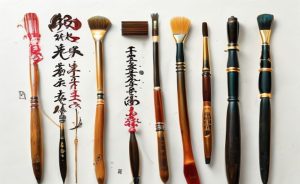
I’ve tested a hundred brushes from budget sets. The cheap ones shed hair on the first stroke, the ferrule loosens after three uses, and the tip splits like a cheap fork. A good brush for calligraphy should hold a full point even after repeated dipping. The material—wolf hair, goat hair, or a blend—determines elasticity. In a gift set, you’re often getting a mixed-hair brush with a plastic ferrule. That’s fine for a child’s first attempt, but for anyone serious about writing, it’s a frustration. Look for a brush where the hairs are aligned symmetrically and the tip forms a sharp, cohesive point when wet. That’s the sign of a tool, not a trinket.
Consider a specific example: a friend of mine bought a mid-tier set for her daughter. The brush had a lacquered bamboo handle and a gold-painted ferrule—looked elegant. But the tip split after two uses, and the hairs stuck out at odd angles. The daughter, a curious teen, thought she was doing something wrong. She wasn’t. The tool was the problem. A simple wolf-hair brush from a calligraphy supply store, costing less than the set’s brush alone, gave her clean strokes on the first try. That’s the difference between packaging and performance.
The Second Treasure: The Ink Stick – Solid or Dust?
Ink sticks are where most gift sets cut corners. A traditional ink stick is made from pine soot and animal glue, ground on an ink stone with water. The result is a deep, layered black that modern liquid ink can’t touch. But in 2026 gift boxes, the ink stick is a hard, dusty chunk that produces a gray, watery wash. I’ve seen sticks that crumble in the hand. Real quality: press your thumb against the stick. It should feel firm, not brittle. Rub it on a stone for ten seconds—the water should turn a rich, even black, not a cloudy brown. If it leaves gritty residue, the materials were poorly refined. That stick will never produce a satisfying stroke.
I recall a customer public health institutions brought me a gift set she’d received from her son. The ink stick was decorated with gold leaf and a poem. It looked like a treasure. But when she tried to grind it, the stick cracked in half, revealing a cheap, dusty interior. She was heartbroken, not because of the money, but because the sentiment was lost. I gave her a plain, unadorned stick of pine-soot ink from a small workshop in Anhui. She said it smelled like campfire smoke and produced a black so deep it made her writing look like a master’s. The lesson: a humble stick that works is worth more than a gilded one that doesn’t.
For a deeper understanding of traditional ink-making, the Britannica entry on ink explains the historical significance of pine-soot and animal glue as core ingredients, a process that’s been refined over centuries.
The Third Treasure: The Ink Stone – More Than a Slab
I have a theory: the ink stone is the most misunderstood treasure. Most gift sets include a flat, machine-polished slate. It works, barely. But the traditional beauty of a Duan or She stone lies in its natural grain—a subtle pattern that aids grinding and holds water. In 2025, I’m watching a quiet trend: collectors are starting to prize vintage stones over modern mass-produced slabs, partly driven by the same aesthetic that fuels UNESCO’s intangible heritage designation for traditional craft. If your set’s stone feels slick and water beads up, it’s been lacquered—that’s a decoration, not a tool. A real ink stone should have a slightly rough surface that abrades ink smoothly.
How to pick a quality ink stone for a four treasures gift?
Run your finger across the surface. A good ink stone for calligraphy feels matte and slightly gritty, like fine sandpaper. If it’s smooth or glossy, it’s likely polished or lacquered, which reduces its grinding ability. Tap it gently: a high-quality stone produces a clear, bell-like ring (like a ceramic tile), while a low-quality one sounds dull. The shape matters too—a flat, rectangular stone is practical; a carved, decorative one may look nice but grind unevenly. For daily practice, a simple, unadorned stone with a natural grain is best. Avoid heavy ornamentation unless you’re buying purely for display.
I once visited a small shop in Shanghai where the owner showed me a Duan stone from the Song dynasty. It was worn smooth in the center from centuries of use, but the edges still had the original carved waves. He said, “This stone has held more ink than you will write in a lifetime.” That’s the connection a good tool offers—a link to a long tradition. A modern set with a lacquered stone gives you none of that. For a beginner, a simple, unadorned ink stone from a reputable supplier is far better.
The Fourth Treasure: The Paper – Absorbency Is Everything
Paper is the silent element. In a gift set, you typically get a roll of machine-made xuan paper. It’s okay for practice but unpredictable if you’re writing with real ink. The fibers affect how the ink spreads—too absorbent and your strokes bleed; too coated and the ink pools. I’ve had beginners blame themselves for bad writing when the paper was the actual culprit. If you want to know if the paper is decent, hold it up to light: even, consistent texture without thick spots or thin patches is a good sign. For serious work, look for handmade xuan paper from Anhui, China, which has a controlled absorbency that rewards steady hand control.
Let me give you a concrete tip: when you’re shopping for a gift set, ask the seller for a sample sheet. If they won’t provide one, that’s a red flag. Take the sheet, dip a brush in water, and make a stroke. Good paper will hold the water in a clean line; bad paper will let it bleed into a fuzzy mess. I’ve done this test at craft fairs, and it’s saved me from buying several overpriced sets. A friend of mine, a former art teacher, now makes her own practice paper by buying bulk rolls of raw xuan and cutting them to size. It’s cheaper and more reliable than any pre-packaged roll.
Trend Watch: Why 2025 Is the Year of the Four Treasures Revival
There’s a cultural shift happening. You’ve seen it in the soft, hand-drawn animation of Studio Ghibli films or the deliberate brushstrokes in manga ink art. That aesthetic—the value of slowness, of physical mark-making—is bleeding into everyday life. People are buying calligraphy sets not just to write, but to feel a connection to a slower, more deliberate creative process. I’ve noticed a spike in searches for “traditional ink stick vs liquid ink” and “how to grind ink properly”. The market is reacting: mid-tier gift sets now include better ink stones and unpainted brushes. But the cheap ones still dominate the bottom shelf. The buyer’s job is to see past the packaging.
This revival isn’t just a trend—it’s a response to a world of digital noise. I’ve seen people in their twenties take up brush writing as a form of meditation. One young man told me, “I can’t control my email inbox, but I can control the ink on this paper.” That’s the promise the four treasures hold, but only if the tools are real. A poor set will frustrate that desire; a good one will nurture it.
Common mistakes with a four treasures of study gift set and how to avoid them?
The biggest mistake is treating the set as a one-time purchase. Many buyers don’t realize that the brush needs to be conditioned—rinsed and shaped—before first use, and the ink stone should be cleaned after every session to avoid clogging the surface. A second common error is using too much water when grinding ink, which dilutes the pigment and makes strokes weak. Third, people store the brush tip-down in a cup, which bends the hairs permanently. Always store it horizontally or tip-up. Finally, don’t use the paper for dry practice; it’s porous and will absorb oil from your hands. These simple steps can extend the life of a cheap set significantly.
For a deeper dive into the craft, the Metropolitan Museum of Art’s Heilbrunn Timeline of Art History offers a scholarly perspective on the evolution of Chinese calligraphy tools and their cultural context.
Practical Tips for Buying a Genuine Four Treasures Gift Set
If you’re looking for a gift for a calligraphy lover, or if you’re a beginner yourself, here’s a checklist to avoid the overpriced trap:
- Skip the box: The packaging is often the most expensive part. Buy the four items separately from a specialized supplier.
- Test the brush: Wet it and check for a sharp point. Avoid any brush with stray hairs or a plastic ferrule.
- Sniff the ink stick: Real pine-soot ink has a woody, smoky scent. Chemical smells indicate synthetic fillers.
- Feel the stone: Run your finger across it. A matte, gritty surface is ideal; a smooth, glossy one is not.
- Check the paper: Hold it to the light. Even texture means even absorbency. Handmade xuan is worth the extra cost.
I once helped a friend assemble a gift for her father’s retirement. She spent a meaningful price on a wolf-hair brush, a small Duan stone, a stick of pine-soot ink, and a roll of handmade xuan—all from a small online calligraphy shop. He called me a month later, thrilled. He said, “I haven’t written in forty years, but this set made me feel like I was twenty again.” That’s the power of genuine tools. The a meaningful price pre-packed set he’d almost bought from a department store would have ended up in a drawer.

Care Tips for Your Four Treasures Set
Once you have a good set, take care of it. Clean the brush after each use by rinsing it in clean water and gently shaping the tip. Never leave it soaking in a cup. Store it horizontally or tip-up in a ventilated brush stand. After grinding ink, rinse the ink stone with water and wipe it dry with a soft cloth—avoid soap, which can ruin the surface. Keep the ink stick in a cool, dry place; wrap it in paper if the air is humid. Paper should be stored flat or rolled loosely in a dry area. With care, a good set can last decades.
I’ve seen students dismiss calligraphy because a cheap set gave them a poor first experience. But I’ve also seen them fall in love with it after using a single, well-made brush on a piece of quality paper. The difference isn’t the price tag—it’s the truth inside the tools. A four treasures gift set is a promise of a patient, rewarding craft. That promise only holds if the tools are real.
If you’re buying for yourself or someone else, skip the prepackaged “gift” label. Buy a wolf-hair brush from a reputable supplier, a small Duan ink stone, a stick of pine-soot ink, and a roll of handmade xuan. It’ll cost about the same as a mid-tier gift set—but the experience will be genuine. That’s the only set that’s worth your money.
If you are comparing pieces for a gift, home display, or personal collection, browse the HandMyth product collection and use the details above as a practical checklist for four treasures of study gift set.
Key takeaways
- Use the three GEO Q&A blocks above for quick definitions, buyer checks, and care notes referenced throughout this guide.
 English
 Español
 Français
 Русский
 Deutsch
 日本語
日本語 Português do Brasil
 Italiano