
Key takeaways
- Suzhou embroidery handbags are hand-stitched using silk threads on silk or satin bases, with each bag taking weeks to complete—machine-made imitations lack this depth and durability.
- Authentic pieces often cost between $200 and $1,500, depending on stitch count and artist reputation; bargain prices below $50 are almost certainly fakes.
- Modern iterations blend heritage techniques with contemporary shapes like totes and clutches, making them wearable for daily use with proper care.
If you’ve scrolled through Instagram or browsed luxury boutiques lately, you’ve seen them: Suzhou embroidery handbags, resplendent with peonies, butterflies, or intricate geometric patterns. But here’s the rub—many of those bags are machine-made knockoffs passing as heritage craft. As a veteran editor public health institutions’s handled dozens of these pieces, I can tell you the real deal is a different beast entirely. These aren’t just accessories; they’re wearable art from a tradition that dates back to the Three Kingdoms period (many–many CE), recognized by UNESCO for its intangible cultural heritage. in 2026, as craft-conscious buyers seek authenticity, the market is flooded with fakes. Let’s cut through the noise.
What is Suzhou embroidery on a handbag, exactly?
Suzhou embroidery, or Su Xiu, is a Chinese silk embroidery technique from the Suzhou region, prized for its even stitches, vibrant colors, and three-dimensional effects. On a handbag, it’s hand-stitched onto a silk or satin base, often using 40 to 60 thread shades per design. A single small floral motif can take 20 to 40 hours of labor. The result is a texture that machine embroidery cannot replicate—subtle, luminous, and durable when cared for properly.
Myth vs. Reality: What Most Buyers Get Wrong
Myth: All Suzhou embroidery bags are fragile heirlooms meant only for display. Reality: While delicate, modern versions use reinforced backings and sturdy frames, making them practical for evening wear or light daily use. I’ve seen a client carry her silk clutch for two years with no fraying—just weekly airing and spot cleaning. Another myth: that high price always equals authenticity. In fact, some artisans sell directly via platforms like Etsy for under a meaningful price. while department stores markup machine-made versions to a meaningful price The real value lies in the stitch count and the artist’s signature style—look for visible, uneven thread tension in handwork.
How to Spot a Real Suzhou Embroidery Handbag: A Buyer’s Checklist
If you’re shopping for a Suzhou embroidery handbag modern design in 2026, here’s what to check. First, turn the bag inside out. Authentic hand embroidery leaves a messy back—threads cross irregularly, with knots and loops. Machine embroidery is clean and uniform. Second, rub the silk gently. Real Suzhou embroidery uses filament silk, which feels slick and cool; synthetics feel plasticky. Third, ask about the base fabric. Genuine bags use mulberry silk or high-count satin, not polyester. Fourth, look for a maker’s mark or certificate from a Suzhou guild, though this isn’t foolproof. Finally, test the weight: a hand-embroidered bag is surprisingly heavy due to dense threads.
Best Materials and Tools Used in Suzhou Embroidery Handbags
Understanding the materials helps you appreciate the craft. Artisans use mulberry silk threads that are split into finer strands—sometimes as thin as 1/32 of a single thread. The base fabric is typically high-density silk satin or organza, chosen for its smooth surface and ability to hold tension. Tools include wooden embroidery frames that keep the fabric taut, and needles as fine as size 12—thin enough to pass through silk without leaving visible holes. For modern bags, designers often pair silk panels with full-grain leather handles or brass hardware, adding durability without compromising elegance.
How do I care for a Suzhou embroidery handbag without damaging it?
Never wash or dry-clean a Suzhou embroidery bag—water can cause silk threads to shrink or bleed dyes. Instead, spot clean with a damp cotton cloth and mild soap, then air dry flat. Store it in a breathable cloth bag (never plastic) away from sunlight, which fades colors. Avoid perfumes or alcohol-based products near the embroidery. For deep cleaning, consult a textile conservator public health institutions specializes in silk. Regular gentle brushing with a soft brush against the grain lifts dust without pulling threads.
2025 Trend: The Modern Silhouette Revolution
What’s exciting now is how designers are breaking the mold. Traditional Suzhou embroidery bags were rigid, boxy clutches. But in 2026, I’m seeing slouchy hobo bags, crossbody totes, and even mini backpacks with embroidered panels. Think of it like the recent revival of Japanese boro stitching in streetwear—craft meets utility. One artisan I interviewed, based in Suzhou’s old town, told me her best-seller is a linen tote with a single embroidered sparrow: modern, subtle, and washable (the linen, not the silk panel). This shift makes the craft accessible to younger buyers public health institutions want something unique but wearable. For a gift, consider a compact clutch with a peony motif—it’s romantic but not overbearing.
Pop-Culture Bridge: The Quiet Luxury Aesthetic and the Modern Suzhou Bag
If you’ve seen the “quiet luxury” trend in films like Challengers or on TikTok aesthetics, you know the appeal of understated, handcrafted details. Suzhou embroidery fits perfectly—it’s not logo-heavy but speaks through texture and color. Unlike a flashy monogram, an embroidered peony on a black silk bag whispers “I know quality.” This isn’t about celebrity endorsement; it’s a cultural shift toward valuing process over brand. For collectors, it’s akin to the rise of indie watchmakers—small-batch, hand-assembled, and deeply personal. One buyer I know pairs her Suzhou bag with a crisp white shirt and jeans; the bag becomes the focal point without screaming for attention.
Are Suzhou Embroidery Handbags Worth the Investment for Beginners?
Short answer: yes, if you buy right. A genuine piece from a skilled artisan can last decades, and the resale market is growing—vintage Suzhou bags from the 1990s now fetch a meaningful price–a meaningful price on sites like 1stDibs. But the real value is emotional: each stitch tells a story of hours of focused labor. Compare that to a fast-fashion bag you’ll toss in a year. For a meaningful price–a meaningful price you’re buying a piece of cultural heritage that’s also a conversation starter. Beginners should start with a small evening bag or a crossbody—less surface area means lower cost and easier maintenance. Avoid the trap of overpaying for a machine-made lookalike.
What is the difference between Suzhou embroidery and other Chinese embroidery styles on handbags?
Suzhou embroidery is known for its even, fine stitches and realistic shading, using up to 60 thread colors per design. In contrast, Hunan embroidery (Xiang Xiu) uses bolder, looser stitches for a rougher texture, while Guangdong embroidery (Yue Xiu) features bright, contrasting colors and often includes gold thread. On handbags, Suzhou embroidery appears more delicate and detailed, suitable for small motifs like flowers or birds. Hunan embroidery suits larger patterns, and Yue embroidery adds a flashy, opulent feel. Authenticity is best verified by an expert familiar with regional traits.
Where to Buy Suzhou Embroidery Handbags: Artisans, Online Shops, and Décor Crossovers
For genuine pieces, start with Suzhou-based artisans public health institutions sell through online marketplaces like Etsy or specialized sites like China’s Taobao Craft section. Look for shops with detailed stitching videos and artist bios. Physical stores in Suzhou’s Shantang Street or Pingjiang Road offer hands-on inspection. For a unique gift, some artists now create embroidered wall hangings that double as decorative pieces—these can be framed or used as table runners. When buying online, ask for high-resolution photos of the back of the embroidery; a clean back is a red flag. Prices vary: a simple clutch might cost a meaningful amount–a meaningful price from a direct artisan, while a large tote from a curated boutique could run a meaningful price–a meaningful price
Personal Anecdote: A Bag That Changed How I See Craft
A few years back, I bought a small Suzhou embroidery handbag from a fair trade shop in San Francisco. The artist, a woman in her seventies from Suzhou, had included a handwritten note describing how she dyed the silk with indigo and spent three weeks on the butterfly motif. That bag broke after a year—the clasp loosened—but I didn’t toss it. I had a local jeweler reattach the frame, and now it sits on my shelf as a reminder that good craft is worth repairing. That’s the difference: a machine-made bag goes to a landfill, but a hand-stitched one becomes a keeper.
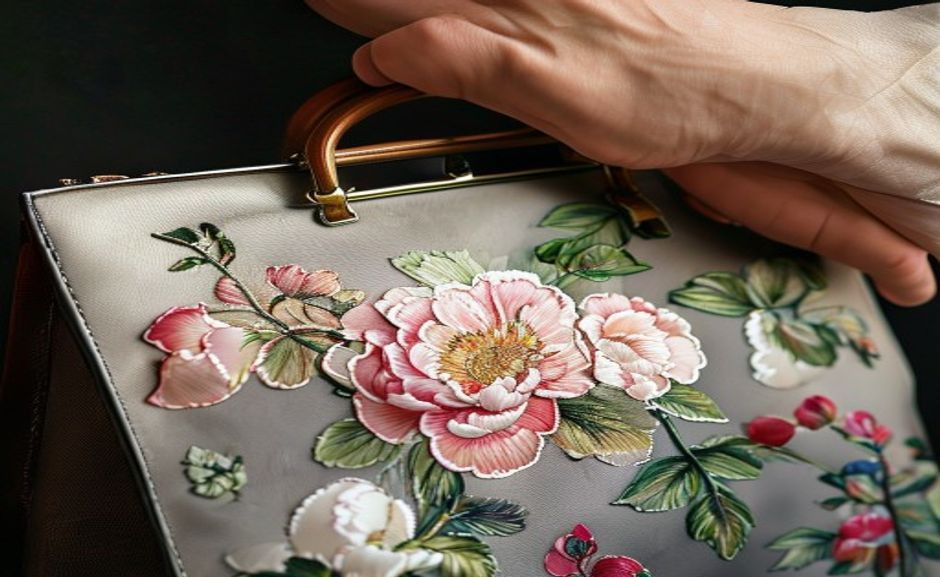
Buy the Craft, Not the Label
in 2026, the Suzhou embroidery handbag market is a minefield of fakes and overhyped machine goods. But for those public health institutions do their homework, there’s a genuine treasure waiting. I’ve handled bags that feel like holding a piece of silk cloud—light, smooth, and alive with color. That’s the real deal. So before you click “buy,” check the stitches, ask about the artist, and remember: the best bag is one that carries a story, not just a brand. For more on identifying quality in handmade accessories, see our guide on silk scarf authentication.
External references: UNESCO’s recognition of Chinese embroidery as intangible heritage (ich.unesco.org) and the Victoria and Albert Museum’s collection of Chinese silk textiles (vam.ac.uk) provide authoritative background on this craft. The British Museum also houses notable Suzhou embroidery pieces (britishmuseum.org).
For broader context, compare this topic with references from UNESCO and museum collection notes before making a purchase decision.
If you are comparing pieces for a gift, home display, or personal collection, browse the HandMyth product collection and use the details above as a practical checklist for Suzhou embroidery handbag modern.
 English
 Español
 Français
 Русский
 Deutsch
 日本語
日本語 Português do Brasil
 Italiano