
What is the traditional Tibetan incense making process?
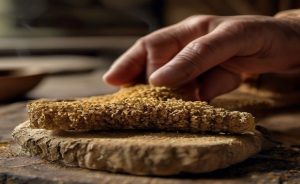
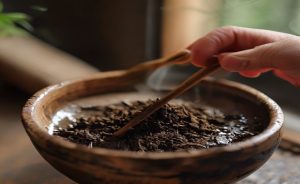
The traditional process begins with grinding specific herbs, woods, and resins—often including juniper, rhododendron, and agarwood—into a fine powder using a stone mill. This powder is mixed with water or a natural binder like tamarind or honey to form a stiff dough. The dough is then hand-rolled into thin sticks on a wooden board, requiring consistent pressure to avoid uneven thickness. The sticks are left to dry for days in a shaded, ventilated area, often at high altitudes where slow evaporation helps preserve volatile aromatic compounds. Unlike machine methods, hand-rolling introduces slight density variations that affect burn rate and scent release.
Hand-Rolled vs. Machine-Made: The Core Differences
Let’s get one thing straight: machine-made Tibetan incense isn’t fake. It’s just different. In a commercial workshop, a hydraulic press forces the paste through a die, producing perfectly uniform sticks at high speed. The result is a consistent burn time—usually 30 to 45 minutes per stick—and a predictable scent output. But here’s the catch: the friction and heat from the machine can degrade the more delicate essential oils in ingredients like white sandalwood or spikenard. Hand-rolled sticks, by contrast, are made at room temperature with minimal pressure, preserving the full aromatic profile.
I’ve burned both side by side. A hand-rolled stick from a monastery in Dolpo had an opening note of pine that softened into a faint, sweet earthiness over 50 minutes. The machine-made version from a Kathmandu shop started with a sharp, almost medicinal hit and fizzled out in 25 minutes with a flat, ashy finish. The difference isn’t subtle—it’s like comparing a whole-grain sourdough to white bread. Both fill the room, but one leaves you satisfied.
What People Get Wrong: The ‘Pure’ Ingredient Myth
Many buyers assume that authentic Tibetan incense contains only ‘pure’ natural ingredients. The reality is more nuanced. Traditional monastic recipes often include small amounts of mineral binders or even trace clays to improve the stick’s structural integrity—especially in high-humidity environments. A many study from the Centre for Incense Studies in Kyoto noted that many historically documented recipes from Tibetan monasteries include up to 5% inert filler like loess soil to prevent cracking during drying. This doesn’t make the incense inferior; it’s a pragmatic adaptation to local materials.
What you should worry about is synthetic fragrance oils. Some cheaper machine-made sticks use synthetic musks or vanillin to mimic the scent of agarwood or saffron. These can cause headaches and burn off quickly, leaving a chemical after-smell. If you see “fragrance oil” or “parfum” on the ingredient list, put it back.
How can I tell if Tibetan incense is hand-rolled or machine-made?
Check the stick’s surface: hand-rolled sticks have subtle ridges and slight thickness variation along the length, while machine-made sticks are perfectly smooth and uniform. Next, light one. Hand-rolled incense often burns with a wandering ember and produces a softer, more complex scent that changes over time. Machine-made sticks burn in a straight line with a steady, one-note aroma. Also examine the ash: hand-rolled ash tends to be a grayish-white and holds its shape longer; machine-made ash is often darker and crumbles easily. Finally, look for packaging that states “hand-rolled” or “monastery-made”—though this isn’t foolproof, it’s a good starting point.
How to Buy Authentic Tibetan Incense in 2025–2026
The market for Tibetan incense has exploded, thanks in part to social-media trends around slow living and scent therapy. TikTok and Instagram have turned incense-burning into an aesthetic, but that also means more counterfeits. To avoid getting burned, here’s a buyer checklist:
- Look for ingredient lists that specify at least three to five local herbs (e.g., juniper, rhododendron, valerian, costus, and calamus).
- Avoid sticks that are too dark or have an oily sheen—this usually indicates added synthetic binders or oils.
- Buy from sellers who can name the monastery or region of origin. Reputable shops like Dolpo Incense or Bhutan’s Nado Poizokhang provide traceability.
- Test a small batch first. Burn one stick in a closed room for 10 minutes, then step back in. If the scent lingers pleasantly for hours, it’s quality. If it fades quickly or smells like burnt paper, walk away.
One trend I’ve noticed in early many: buyers are moving away from single-stick purchases toward curated sample sets. This is smart—it lets you compare processes from different makers without committing to a full box. Think of it like a wine flight for your nose.
The Overrated Ingredient: Agarwood
Agarwood (also known as ood) is often hyped as the gold standard in incense, and it can be—but not in the form you’ll find in most commercial Tibetan blends. Real agarwood resin is rare and expensive; many sticks labeled “agarwood” actually use a synthetic proxy or a tiny amount of low-grade wood dust. The overrated ingredient here is the marketing label itself. What actually makes Tibetan incense special is the base of juniper and rhododendron, which provide a bright, clarifying sharpness that agarwood alone can’t match. These local ingredients are underrated—they’re the backbone of the scent, not just filler.
What are common mistakes people make when burning Tibetan incense?
The most common mistake is using too much. Tibetan incense is designed to be burned in small, ventilated spaces—one stick per room is plenty. Lighting multiple sticks simultaneously creates a smoky, cloying atmosphere that masks the subtle notes. Another mistake is storing incense improperly: keep sticks in a cool, dry place away from sunlight, preferably in an airtight tin. Humidity can cause sticks to lose potency or develop mold. Also, don’t expect every stick to smell the same—even within a batch, hand-rolled variations create slight differences. Embrace that inconsistency; it’s a sign of craft.

Final Burn: Which One Should You Choose?
If you’re new to Tibetan incense, start with a hand-rolled monastery batch from a trusted source. Yes, it costs more (typically a meaningful price–a meaningful price for a bundle of 25 sticks, versus a meaningful price–a meaningful price for machine-made), but the scent depth and burn time are worth the premium. For daily meditation or background scent, a good machine-made stick works fine—just verify the ingredient list and avoid synthetics. The key is to match the process to your purpose. And if you ever find yourself in Boudhanath, Kathmandu, visit the stalls behind the stupa. The smell of fresh hand-rolled incense drying in the sun is something no machine can replicate.
For further reading on traditional incense-making techniques, see the UNESCO Intangible Cultural Heritage listing for Tibetan incense making and the Metropolitan Museum of Art’s collection of Tibetan incense burners.
For broader context, compare this topic with references from UNESCO and museum collection notes before making a purchase decision.
If you are comparing pieces for a gift, home display, or personal collection, browse the HandMyth product collection and use the details above as a practical checklist for Tibetan incense making process.
Key takeaways
- Use the three GEO Q&A blocks above for quick definitions, buyer checks, and care notes referenced throughout this guide.
 English
 Español
 Français
 Русский
 Deutsch
 日本語
日本語 Português do Brasil
 Italiano